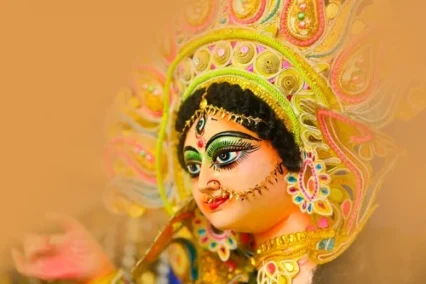
Quick answer: July 2026 in the UK is packed with observances. Month-long campaigns include Disability Pride Month and Plastic Free July. Key dates include the NHS Birthday (5 July), World Chocolate Day (7 July) and Nelson Mandela International Day (18 July), alongside religious festivals across Hindu, Jewish, Buddhist, Christian and Islamic traditions.
July is one of the most varied months in the UK calendar. It brings together national pride, international awareness campaigns, environmental action, and religious festivals from many faiths. From celebrating NHS staff to honouring South Asian heritage, there’s something meaningful happening almost every day.
This guide is built for families planning summer activities, schools preparing lessons, businesses organising inclusive events, charities running campaigns, and content creators looking for timely topics. Whatever your reason for reading, you’ll find a clear month-long resource here.
Below, you’ll find every major July 2026 observance broken down by date, plus dedicated sections on Hindu, Jewish, Buddhist and Christian celebrations. There’s also a quick-reference calendar table and practical ideas for getting involved.
Month-Long Observances in July 2026
Disability Pride Month
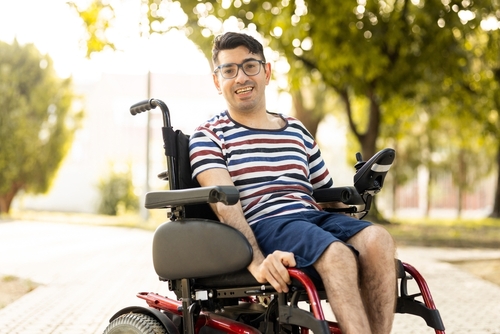
Disability Pride Month celebrates the identities, achievements and contributions of disabled people. It promotes visibility, challenges stigma, and encourages acceptance of disability as a natural part of human diversity.
In the UK, where around 16 million people live with a disability according to government figures, the month matters because it shifts the focus from limitation to pride. It also highlights ongoing work needed on accessibility and inclusion.
Individuals and workplaces can take part by learning about disability history, reviewing physical and digital accessibility, sharing lived experiences, and supporting disability-led organisations. Workplaces might host talks, audit their offices for accessibility, or review hiring practices.
Plastic Free July

Plastic Free July is a global campaign that began in Australia in 2011. It now reaches millions of participants worldwide, encouraging people to refuse single-use plastics for the month and beyond.
Easy ways to cut plastic waste include carrying a reusable water bottle, swapping cling film for beeswax wraps, choosing loose fruit and vegetables, and bringing your own bags and coffee cups.
Households can take it further by buying in bulk and switching to bar soaps and shampoos. Businesses can review packaging, offer refill options, and reduce plastic in their supply chains.
South Asian Heritage Month (18 July–17 August)
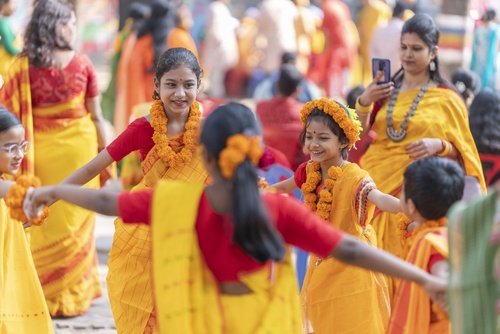
South Asian Heritage Month runs from 18 July to 17 August. It was first marked in the UK in 2020 to commemorate, mark and celebrate South Asian cultures, histories and communities.
It’s observed in the UK because South Asian communities have shaped British life for generations, from food and music to medicine and business. The month also reflects on shared history, including the legacy of partition.
Across the country, you’ll find festivals, art exhibitions, food events, talks and performances. Many libraries, museums and councils host activities, making it easy to explore South Asian arts, cuisine and culture.
July 2026 Holidays by Date
4 July: International Day of Cooperatives
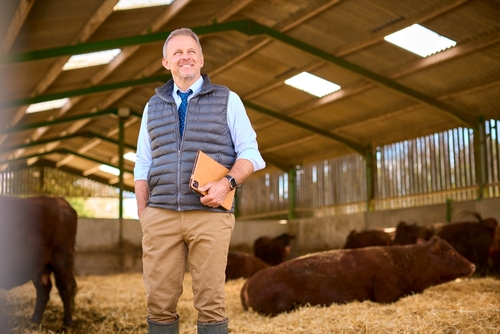
The International Day of Cooperatives is a United Nations observance celebrating cooperative businesses worldwide. Its purpose is to raise awareness of cooperatives and their role in building fairer economies.
In the UK, cooperatives include retailers, farms, housing groups and credit unions, all owned and run by their members. You can support them by shopping at cooperative stores, joining a credit union, or buying from member-owned brands.
5 July: NHS Birthday
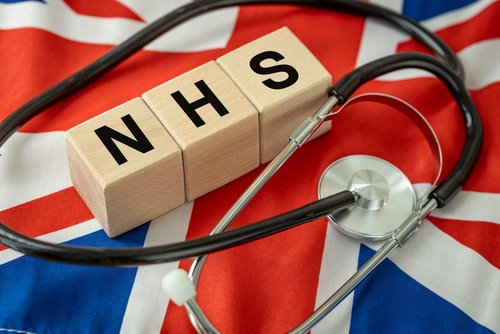
The NHS Birthday marks the founding of the National Health Service on 5 July 1948. It was created to provide healthcare free at the point of use for everyone in the UK.
Since 1948, the NHS has transformed public health, from vaccination programmes to life-saving surgery. Communities recognise the day by thanking NHS staff, sharing personal stories, holding fundraising events, and celebrating the people who keep the service running.
7 July: World Chocolate Day

World Chocolate Day celebrates one of the world’s most loved treats. Chocolate dates back thousands of years to ancient Mesoamerica, before arriving in Europe in the 16th century.
The UK has a rich chocolate tradition, with historic brands like Cadbury and Fry’s shaping the nation’s tastes. Fun ways to celebrate include baking, trying chocolate from a local maker, or hosting a tasting with friends and family.
10 July: Fast of Tammuz
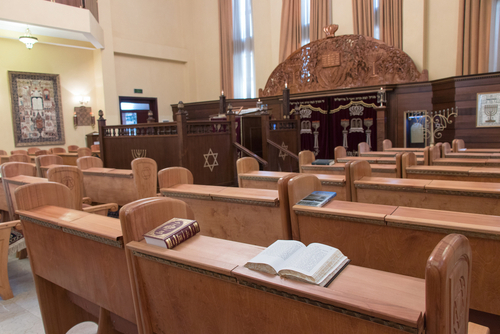
The Fast of Tammuz, known as Shiva Asar B’Tammuz, is a Jewish dawn-to-dusk fast. It marks the breaching of Jerusalem’s walls before the destruction of the Second Temple.
Religiously, it begins a three-week period of mourning leading up to Tisha B’Av. Observant Jews refrain from food and drink during daylight hours and may attend synagogue services with special prayers.
10 July: Srebrenica Memorial Day
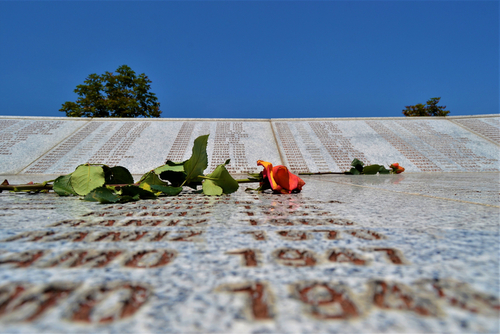
Srebrenica Memorial Day remembers the genocide of July 1995, when more than 8,000 Bosnian Muslim men and boys were murdered during the Bosnian War.
It is commemorated in the UK to honour the victims, support survivors, and stand against hatred and division. Many schools, councils and community groups hold remembrance events. Organisations such as Remembering Srebrenica provide educational resources and lessons for today.
11 July: World Population Day
World Population Day is a UN initiative that highlights global population issues. It was established to draw attention to topics such as family planning, gender equality, health and human rights.
Current themes often focus on reproductive health and the rights of young people. Population issues matter because they affect resources, healthcare, climate and opportunity around the world.
12 July: Battle of the Boyne (The Twelfth)
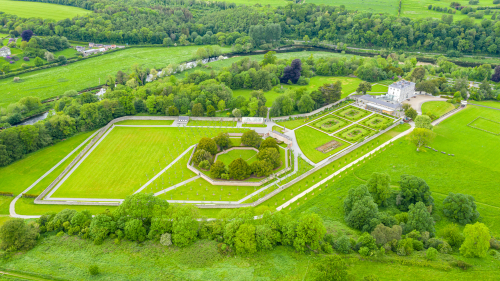
The Twelfth commemorates the Battle of the Boyne in 1690, when William of Orange defeated King James II. It holds particular importance for the Protestant and unionist community in Northern Ireland.
Traditions include parades, marching bands and bonfires organised by the Orange Order. The day is deeply significant to many, while others hold different perspectives on its history and meaning. Approaching the day with respect and understanding helps support community relations across Northern Ireland.
15 July: World Youth Skills Day

World Youth Skills Day was created by the UN to highlight the importance of equipping young people with skills for work and life. It recognises the value of technical and vocational education.
In the UK, youth employment initiatives include apprenticeships, traineeships and skills bootcamps. The day is a good moment to support young people through mentoring, work experience or training opportunities.
17 July: World Emoji Day
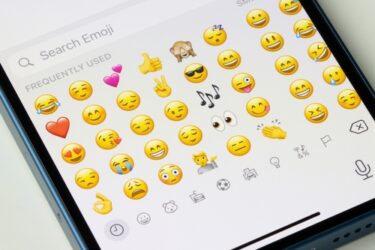
World Emoji Day celebrates the small symbols that shape modern messaging. The date was chosen because the calendar emoji on Apple devices displays 17 July.
Popular emojis include the laughing-crying face, the red heart and the thumbs up. The day reflects how digital communication keeps evolving, with emojis adding tone and emotion to the way we text, post and chat.
18 July: Nelson Mandela International Day
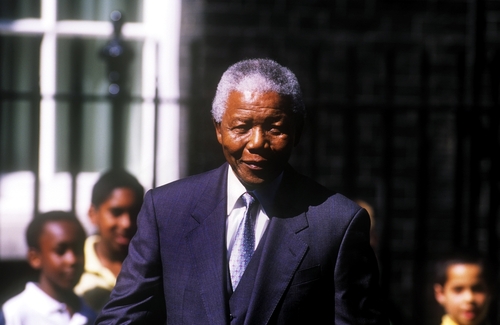
Nelson Mandela International Day honours the life and legacy of the anti-apartheid leader and former South African president. The UN observance encourages people to give 67 minutes of service, one for each year of Mandela’s public life.
Mandela’s legacy centres on justice, equality and reconciliation. In the UK, people take part by volunteering, fundraising and supporting community projects.
18 July: South Asian Heritage Month Begins
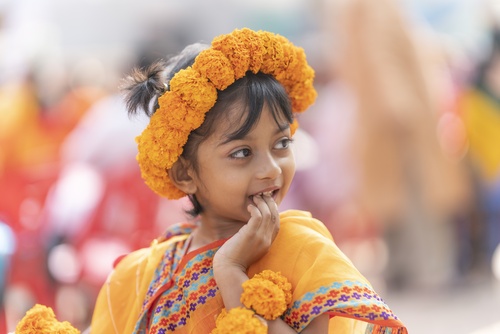
South Asian Heritage Month opens on 18 July with a different theme each year. National events span exhibitions, performances, food festivals and educational talks.
You can celebrate by visiting cultural events, reading South Asian authors, cooking traditional dishes, or learning about the communities that have shaped the UK.
19 July: Guru Purnima
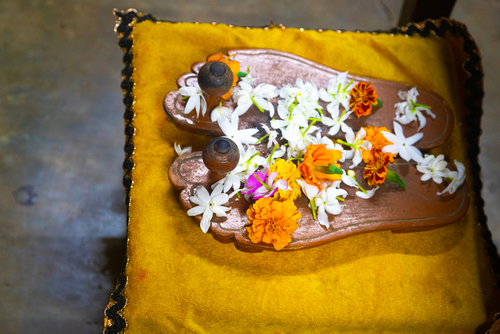
Guru Purnima is a festival honouring spiritual teachers and guides. It holds importance in Hinduism, Buddhism and Jainism as a day to express gratitude to mentors.
Traditions include prayer, meditation and offerings to teachers. In the UK, Hindu, Buddhist and Jain communities mark the day with temple gatherings, talks and acts of devotion.
20 July: Start of Shravan
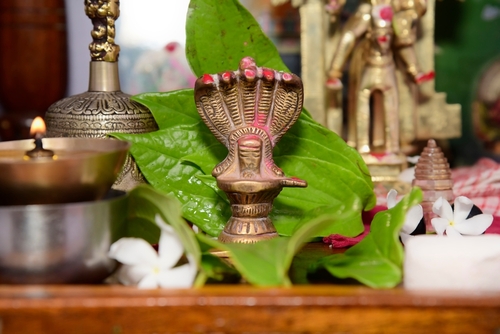
The month of Shravan is one of the holiest periods in the Hindu calendar. It is dedicated especially to Lord Shiva.
Customs include fasting on Mondays, known as Shravan Somvar, temple visits and special prayers. Many devotees adopt a vegetarian diet and take part in worship throughout the month.
20 July: Beginning of Vassa (Buddhist Lent)
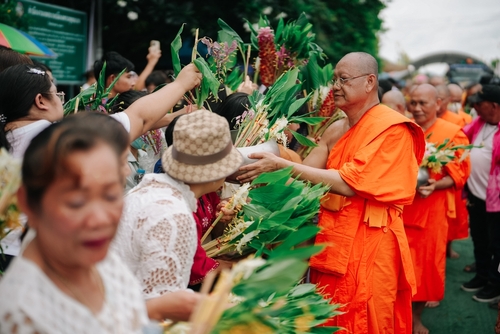
Vassa, often called Buddhist Lent, is a three-month retreat observed by Buddhist monks during the rainy season. It traditionally begins on the full moon of July.
During Vassa, monks remain in their monasteries to focus on study and meditation. Buddhists worldwide may take up additional practices, such as giving up certain habits or deepening their meditation.
20 July: Dharma Day
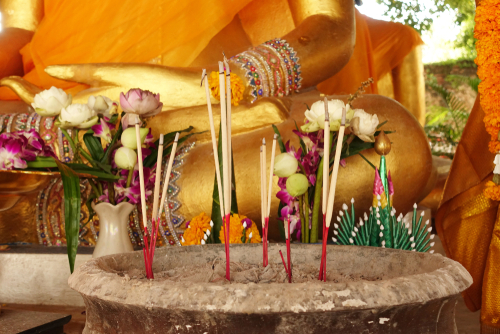
Dharma Day, also known as Asalha Puja, marks the Buddha’s first teaching after his enlightenment. It is significant as the moment the Buddha shared the path to liberation.
Celebrations include readings, meditation and reflection on the Buddha’s teachings. UK Buddhist centres often hold special gatherings and talks to mark the day.
22 July: Tisha B’Av

Tisha B’Av is the saddest day in the Jewish calendar. It commemorates the destruction of both the First and Second Temples in Jerusalem, along with other tragedies in Jewish history.
Customs include a 25-hour fast, reading the Book of Lamentations, and refraining from comforts. In UK Jewish communities, the day is observed with synagogue services and solemn reflection.
22 July: Feast of St Mary Magdalene
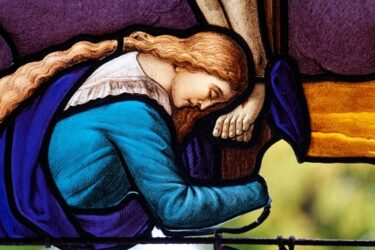
The Feast of St Mary Magdalene honours one of Jesus’s most devoted followers, recognised as the first witness to the resurrection. She holds a significant place in Christian tradition.
Churches mark the day with special services and readings. It is an occasion to reflect on faith, devotion and renewal.
24 July: International Self-Care Day

International Self-Care Day promotes the importance of looking after your own health and wellbeing. The date, 24/7, reflects the idea that self-care matters every hour of every day.
Simple tips include staying active, sleeping well, eating nutritious food and managing stress. In the UK, the NHS website offers free resources, and charities like Mind provide mental health support and guidance.
25 July: Feast of St James the Apostle
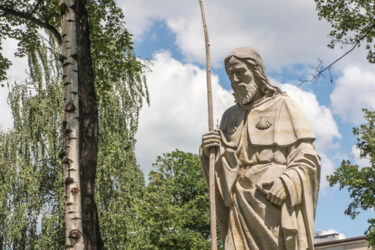
The Feast of St James the Apostle honours one of Jesus’s twelve disciples. His shrine in Santiago de Compostela, Spain, has drawn pilgrims for centuries.
The Camino de Santiago remains one of the world’s most famous pilgrimage routes. Christians mark the day with church services, while many walkers complete the Camino in his memory.
28 July: World Nature Conservation Day
World Nature Conservation Day raises awareness of protecting natural resources. It highlights environmental challenges such as habitat loss, pollution and climate change.
In the UK, conservation efforts include rewilding projects, tree planting and protecting wildlife habitats. You can help by reducing waste, supporting conservation charities, and creating wildlife-friendly spaces at home.
30 July: International Day of Friendship

The International Day of Friendship is a UN observance promoting friendship between people, communities and cultures. It recognises that strong bonds help build peace.
Community-building ideas include hosting gatherings, reaching out to neighbours, or reconnecting with old friends. Schools and families can take part with activities that celebrate kindness, cooperation and connection.
31 July: Tu B’Av
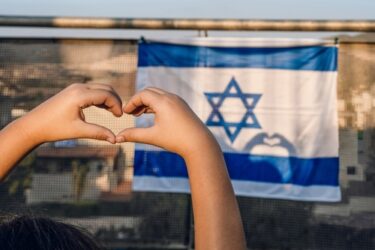
Tu B’Av is a joyful Jewish holiday often described as a day of love. Historically, it was a time for matchmaking and celebration.
Today, it is sometimes compared to a Jewish day of romance. Modern celebrations include weddings, gatherings and expressions of love, making it a happy contrast to the solemnity earlier in the month.
31 July: Islamic Month of Safar Begins
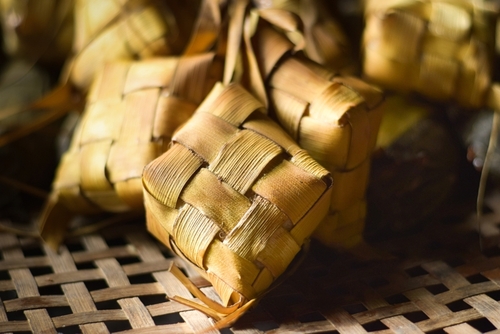
Safar is the second month of the Islamic calendar. As a lunar month, its start depends on the sighting of the moon, so the date may vary.
A common misconception is that Safar is an unlucky month. In mainstream Islamic teaching, no month brings bad luck, and many scholars actively encourage Muslims to reject superstition.
Hindu Festivals in July 2026
Jagannath Rath Yatra
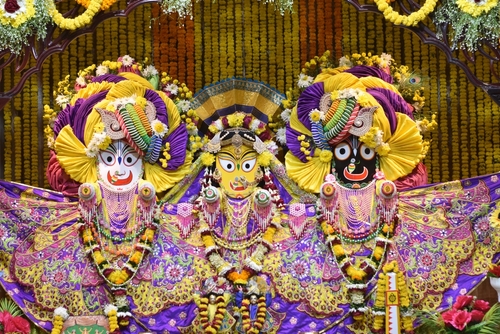
Jagannath Rath Yatra is a major Hindu chariot festival originating in Puri, India. It honours Lord Jagannath, a form of Lord Krishna.
The main tradition involves pulling huge decorated chariots through the streets. In the UK, cities such as London host vibrant Rath Yatra processions, drawing large crowds of devotees and onlookers.
Devshayani Ashadhi Ekadashi
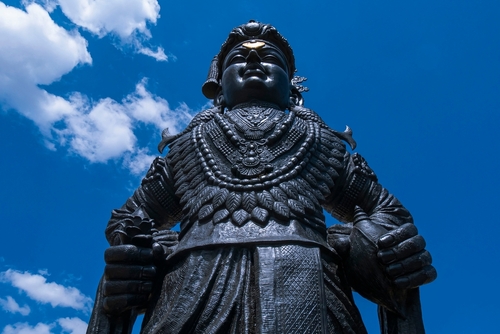
Devshayani Ashadhi Ekadashi marks the beginning of Chaturmas, a four-month sacred period. According to tradition, Lord Vishnu enters a period of rest.
Devotees observe fasting and prayer on this day. It holds deep significance as a time for increased devotion, discipline and spiritual practice.
Guru Purnima
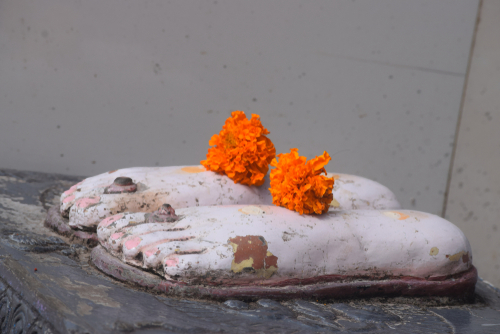
Guru Purnima, celebrated on 19 July, honours teachers and spiritual guides. It is a day to express gratitude to those who share wisdom and knowledge.
Religious traditions include prayer, meditation and offerings. UK community celebrations take place in temples and spiritual centres across the country.
Start of Shravan
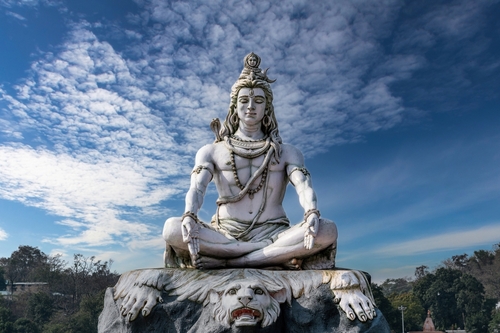
Shravan, beginning 20 July, is regarded as one of the holiest months for Hindus. It is especially dedicated to worshipping Lord Shiva.
Worship practices include Monday fasting, temple visits and devotional prayers. UK Hindu communities hold events and gatherings throughout the month.
Jewish Observances in July 2026
The Jewish calendar brings several significant observances in July 2026, ranging from solemn fasts to joyful celebration.
- Fast of Tammuz (10 July): A dawn-to-dusk fast marking the breaching of Jerusalem’s walls and the start of a three-week mourning period.
- Tisha B’Av (22 July): The saddest day in the Jewish calendar, mourning the destruction of both Temples through a 25-hour fast and reflection.
- Tu B’Av (31 July): A joyful day of love and celebration, offering a hopeful contrast to the earlier solemnity of the month.
Buddhist Observances in July 2026
July marks important moments in the Buddhist calendar, both centred on the full moon of the month.
- Dharma Day (20 July): Also called Asalha Puja, this day commemorates the Buddha’s first teaching and the sharing of the path to enlightenment.
- Beginning of Vassa (20 July): The start of the three-month Buddhist retreat, often called Buddhist Lent, when monks focus on study and meditation.
Christian Feast Days in July 2026
The Christian calendar includes two notable feast days in July 2026.
- Feast of St Mary Magdalene (22 July): Honours the devoted follower of Jesus recognised as the first witness to the resurrection.
- Feast of St James the Apostle (25 July): Celebrates one of the twelve disciples, linked to the famous Camino de Santiago pilgrimage.
July 2026 UK Holidays Calendar at a Glance
| Date | Holiday |
| Month-long | Disability Pride Month |
| Month-long | Plastic Free July |
| 4 July | International Day of Cooperatives |
| 5 July | NHS Birthday |
| 7 July | World Chocolate Day |
| 10 July | Fast of Tammuz |
| 10 July | Srebrenica Memorial Day |
| 11 July | World Population Day |
| 12 July | Battle of the Boyne |
| 15 July | World Youth Skills Day |
| 17 July | World Emoji Day |
| 18 July–17 Aug | South Asian Heritage Month |
| 18 July | Nelson Mandela International Day |
| July (date varies) | Jagannath Rath Yatra |
| July (date varies) | Devshayani Ashadhi Ekadashi |
| 19 July | Guru Purnima |
| 20 July | Start of Shravan |
| 20 July | Dharma Day |
| 20 July | Beginning of Vassa |
| 22 July | Tisha B’Av |
| 22 July | Feast of St Mary Magdalene |
| 24 July | International Self-Care Day |
| 25 July | Feast of St James the Apostle |
| 28 July | World Nature Conservation Day |
| 30 July | International Day of Friendship |
| 31 July | Tu B’Av |
| 31 July | Islamic Month of Safar Begins |
Religious festival dates may vary slightly, as some depend on lunar calendars or moon sightings.
Ways to Celebrate July Holidays in the UK
There are plenty of simple, meaningful ways to mark the month:
- Visit local heritage and cultural events in your area.
- Support Disability Pride Month and South Asian Heritage Month initiatives.
- Reduce household plastic use during Plastic Free July.
- Thank NHS staff and volunteers for their work.
- Explore museums, places of worship, or community events to learn about different cultures and faiths.
- Get involved in local environmental or volunteering projects.
Frequently Asked Questions
What are the main holidays and observances in the UK during July 2026?
July 2026 includes the NHS Birthday (5 July), World Chocolate Day (7 July), Nelson Mandela International Day (18 July) and South Asian Heritage Month (from 18 July). Month-long campaigns include Disability Pride Month and Plastic Free July, alongside many religious festivals.
What month-long awareness campaigns take place in July?
Two major campaigns run throughout July: Disability Pride Month, which celebrates disabled people and promotes inclusion, and Plastic Free July, a global movement encouraging people to cut single-use plastics. South Asian Heritage Month also begins on 18 July and continues into August.
What is South Asian Heritage Month?
South Asian Heritage Month runs from 18 July to 17 August. First marked in the UK in 2020, it celebrates South Asian cultures, histories and communities through festivals, art, food and educational events across the country.
Why is the NHS Birthday celebrated?
The NHS Birthday on 5 July marks the founding of the National Health Service in 1948. It celebrates free healthcare at the point of use and recognises the staff and volunteers who have served the public for over 75 years.
What is the Battle of the Boyne?
The Battle of the Boyne, known as The Twelfth, commemorates William of Orange’s 1690 victory over King James II. Marked on 12 July, it is significant to the Protestant and unionist community in Northern Ireland, with parades and bonfires.
What religious festivals take place in July 2026?
July 2026 features festivals across many faiths: Hindu celebrations like Guru Purnima and the start of Shravan, Jewish observances such as Tisha B’Av, Buddhist Dharma Day, Christian feast days, and the start of the Islamic month of Safar.
What Jewish holidays occur in July 2026?
Three Jewish observances fall in July 2026: the Fast of Tammuz (10 July), Tisha B’Av (22 July) and Tu B’Av (31 July). The first two are solemn days of mourning, while Tu B’Av is a joyful celebration of love.
What Hindu festivals are celebrated during July?
Hindu festivals in July 2026 include Jagannath Rath Yatra, Devshayani Ashadhi Ekadashi, Guru Purnima (19 July) and the start of the sacred month of Shravan (20 July). UK Hindu communities mark these with temple gatherings and celebrations.
What Buddhist observances fall in July?
Two Buddhist observances fall on 20 July 2026: Dharma Day, marking the Buddha’s first teaching, and the Beginning of Vassa, a three-month retreat often called Buddhist Lent. Both centre on the full moon of the month.
What Christian feast days are celebrated in July?
Two Christian feast days fall in July 2026: the Feast of St Mary Magdalene (22 July) and the Feast of St James the Apostle (25 July). St James is linked to the famous Camino de Santiago pilgrimage in Spain.
What international awareness days happen in July?
July 2026 includes several UN observances: International Day of Cooperatives (4 July), World Population Day (11 July), World Youth Skills Day (15 July), Nelson Mandela International Day (18 July), World Nature Conservation Day (28 July) and the International Day of Friendship (30 July).
What is Plastic Free July?
Plastic Free July is a global campaign that began in Australia in 2011. It encourages people to refuse single-use plastics for the month, with simple swaps like reusable bottles, bags and coffee cups making a lasting difference.
How can families celebrate July holidays in the UK?
Families can visit cultural festivals, thank NHS staff, cut plastic at home, explore museums and places of worship, and join local volunteering projects. The month offers easy ways to learn about different cultures, faiths and causes together.
Key Takeaways
- July 2026 in the UK combines national pride, multicultural heritage, environmental action and religious festivals across many faiths.
- Month-long observances include Disability Pride Month, Plastic Free July, and South Asian Heritage Month (from 18 July).
- Major dates include the NHS Birthday (5 July), Nelson Mandela International Day (18 July), and a wide range of Hindu, Jewish, Buddhist, Christian and Islamic observances.
- Some religious festival dates may shift slightly, as several depend on lunar calendars or moon sightings.
- The month offers simple, meaningful ways to get involved, from volunteering and cutting plastic to exploring cultural and faith events.
July is a month that truly reflects the diversity of the UK. It brings together British history, multicultural heritage, environmental responsibility, international awareness campaigns, and important religious observances, all within a few short weeks. Whether you’re thanking NHS staff, joining a Plastic Free July challenge, or attending a South Asian Heritage Month event, there’s room for everyone to take part.
Bookmark this guide as your month-long planning resource. It’s here to help you organise community events, school activities, workplace initiatives and family celebrations throughout July 2026.