Quick answer: Nag Panchami is a Hindu festival honouring serpent deities (Nagas) through prayer, fasting, and offerings. In 2026, it falls on 17 August. Celebrated across India, Nepal, and Hindu diaspora communities worldwide, the festival holds deep religious and cultural significance — and its observance in the UK is growing year on year.
Across Leicester, Birmingham, London, and beyond, Britain’s Hindu communities gather every year for a festival that many outside the tradition know little about. Nag Panchami — a day dedicated to serpent deities — is one of Hinduism’s most widely observed festivals, yet it remains relatively under-discussed in mainstream British culture.
That’s beginning to change. As Hindu communities in the UK grow more visible and more vocal about their cultural calendar, festivals like Nag Panchami are finding their place in the broader conversation about religious diversity in Britain. Whether you’re looking to understand the occasion, plan your observance, or simply learn more about a tradition practised by millions globally, this guide covers everything you need to know ahead of Nag Panchami 2026.

When Is Nag Panchami 2026 in the UK?
Nag Panchami 2026 falls on Monday, 17 August. The festival is observed on the fifth day (Panchami) of the bright fortnight of the Hindu month of Shravan — a month already considered sacred in the Hindu calendar. The exact date shifts each year in accordance with the lunar calendar, which is why it moves around the Gregorian calendar.
For UK communities, the Saturday date in 2026 is particularly convenient, allowing families to gather for prayers and community events without the constraint of a weekday schedule.
It’s worth noting that regional calendar traditions can cause the date to vary by a day in some parts of India and Nepal. Communities with roots in different states may observe the festival on slightly different dates. If you’re attending a temple event, it’s always worth confirming the specific date with your local mandir.
What Is Nag Panchami? Understanding the Festival
Nag Panchami is a festival honouring the Nagas — serpent deities who hold a revered place in Hindu mythology and cosmology. Serpents appear throughout Hindu scripture: wrapped around Lord Shiva’s neck, forming the resting place of Lord Vishnu, and serving as the canopy above the infant Krishna. The Nagas are not simply creatures to be feared but powerful divine beings deserving of respect and devotion.
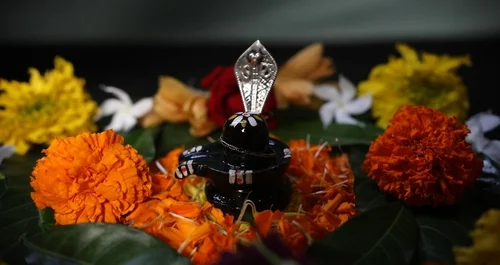
On Nag Panchami, devotees offer prayers, milk, flowers, and sweets to images or idols of serpents — either at temples or at snake holes in the ground. The ritual is believed to bring protection from evil, ward off snakebites, and invite blessings for family wellbeing.
Fasting is a common practice throughout the day, with many devotees abstaining from certain foods — particularly fried items — until after evening prayers. Women, in particular, often observe the fast as an act of devotion for the protection of their brothers and families.

Why Serpents Hold Such Significance in Hindu Tradition
The reverence for Nagas runs deep in Hindu, Jain, and Buddhist traditions alike. In Hindu mythology, Shesha Naga is the cosmic serpent upon whom Lord Vishnu rests between cycles of creation. Vasuki, another prominent Naga, played a central role in the churning of the cosmic ocean (Samudra Manthan). Takshaka, Ananta, and Manasa (the serpent goddess) are among the many Naga figures honoured across different regions of India.
This mythological depth gives Nag Panchami its weight. The festival isn’t simply about snakes — it’s about the forces of nature, the divine order of the universe, and humanity’s relationship with the natural world.
How Nag Panchami Is Observed: Rituals and Traditions
Observance varies considerably by region, family tradition, and community. But several practices are widely shared across the Hindu diaspora.
Temple Visits and Prayers
Visiting a mandir is central to Nag Panchami for many families. Temples perform special pujas (rituals) on the day, with priests offering prayers and conducting abhishek (ritual bathing) of serpent idols or images. Devotees queue to offer milk and flowers, receiving prasad (blessed food) in return.
In the UK, mandirs in cities with large Hindu populations — including the BAPS Swaminarayan temples in London and Coventry, and the Shri Venkateswara (Balaji) Temple in Birmingham — often mark significant Hindu festivals with dedicated programming. It’s worth checking with your local temple ahead of 17 August 2026 for specific Nag Panchami arrangements.
Fasting
Many devotees observe a partial or full fast on Nag Panchami, avoiding cooked food until the evening puja is complete. Some traditions specifically prohibit the cutting of vegetables or lighting of the stove during the day. The fast is viewed as an act of devotion and purification.
Drawing Serpent Images
In many Indian states — particularly Maharashtra and Karnataka — women draw images of cobras on their doorways or walls using clay, turmeric, or cow dung paste. This folk art tradition is a way of inviting the Nagas’ blessing into the home and is deeply tied to local custom.
Feeding Snakes
In rural India, some communities still observe the practice of offering milk near snake holes or to live snakes. Animal welfare organisations have raised concerns about this practice over the years, as cow’s milk can be harmful to snakes. Many Hindu organisations and religious leaders now encourage symbolic offerings instead — a shift that reflects the tradition’s ability to adapt thoughtfully over time.

Nag Panchami in the UK: Community and Diaspora Observance
Britain is home to one of the world’s largest Hindu diaspora communities, with an estimated 1 million Hindus living in the UK according to the 2021 Census. Cities including Leicester, London, Birmingham, and Coventry have well-established Hindu communities with active temples, cultural organisations, and religious calendars.
For many British Hindus, festivals like Nag Panchami serve a dual purpose: religious observance and cultural connection. For second and third-generation Hindus born in Britain, these occasions are often a way of staying rooted in a heritage that might feel distant from everyday British life.
Community events around Nag Panchami in the UK tend to centre on temple programmes, family gatherings, and — increasingly — cultural education initiatives. Some Hindu organisations use the occasion to introduce non-Hindu neighbours and colleagues to the festival’s traditions, hosting open-door events at temples or cultural centres.
How Schools and Workplaces Can Be Supportive
For Hindu employees and students, Nag Panchami may be an occasion when they wish to attend a morning puja before work or school, observe a fast during the day, or take time off for a community event. Employers and educational institutions that acknowledge the Hindu calendar — and make reasonable accommodations for observance — help foster genuinely inclusive environments.
The Hindu Council UK and the National Council of Hindu Temples are useful resources for organisations looking to better understand the Hindu religious calendar and its significance for British Hindu communities.

Regional Variations: How Nag Panchami Differs Across India
Because the UK’s Hindu population has roots across India, Nepal, Sri Lanka, and East Africa, Nag Panchami observance in British communities reflects that regional diversity.
- Maharashtra: One of the most elaborate regional observances, with women swinging on decorated swings (a tradition linked to Nag Panchami in Maharashtrian culture) and offering puran poli (a sweet flatbread) alongside milk.
- Karnataka: Home to the famous Kukke Subramanya temple, a major pilgrimage site for Nag Panchami, where hundreds of thousands of devotees visit annually.
- Rajasthan and Uttar Pradesh: Observance here often involves women drawing serpent figures and fasting from certain foods.
- Nepal: Nag Panchami is a national holiday in Nepal, where images of Nagas are displayed on doorways and traditional rice paste drawings (called “nagas”) are affixed above entrances.
Understanding these regional differences helps explain why two Hindu families in the same British city might observe Nag Panchami in noticeably different ways — and why both are equally valid expressions of the tradition.
What to Know If You’re Attending a Nag Panchami Event
If a Hindu friend, colleague, or neighbour has invited you to a Nag Panchami event, here’s a brief guide to attending respectfully:
- Dress modestly: Cover your shoulders and knees when visiting a temple. Many temples provide coverings at the entrance if needed.
- Remove shoes: Shoes are always removed before entering a temple or sacred space.
- Accept prasad graciously: If you’re offered prasad (blessed food), accepting it — even if just symbolically — is a sign of respect.
- Ask questions: Most Hindu communities warmly welcome genuine curiosity. If you’re unsure about what’s happening during a ritual, a quiet, respectful question is entirely appropriate.
- Avoid disrupting prayers: If a puja is underway, observe quietly and follow the lead of those around you.

The Broader Significance of Nag Panchami Today
Festivals like Nag Panchami carry meaning beyond their religious ritual. They represent living cultural traditions — ones that have travelled across oceans and generations, adapting to new contexts while preserving their essential character.
In Britain, Nag Panchami is a reminder that the Hindu calendar is an active, living part of British civic life. For the communities that observe it, the festival is an anchor: a point in the year that connects them to family, ancestry, and something larger than the everyday.
As Britain continues to reckon with what it means to be a genuinely plural society, understanding the religious and cultural calendars of its diverse communities is a meaningful place to start.
Frequently Asked Questions About Nag Panchami 2026
What date is Nag Panchami 2026 in the UK?
Nag Panchami 2026 falls on Monday, 17 August. The date is determined by the Hindu lunar calendar and corresponds to the fifth day of the bright fortnight in the month of Shravan.
What is the meaning of Nag Panchami?
Nag Panchami is a Hindu festival dedicated to the Nagas — serpent deities revered in Hindu mythology. Devotees offer prayers, milk, and flowers to serpent images or idols as an act of devotion, seeking protection and blessings for their families.
How do British Hindu communities celebrate Nag Panchami?
Observance typically includes visiting a mandir for special puja services, fasting during the day, offering milk and flowers to serpent images, and gathering with family. Some communities also hold cultural events or open-door temple programmes.
Is Nag Panchami a public holiday in the UK?
No. Nag Panchami is not a public holiday in the UK. In 2026, it falls on a Saturday, which makes it easier for many working devotees to observe the festival without taking annual leave.
Why do Hindus offer milk to snakes on Nag Panchami?
The offering of milk is a traditional act of reverence towards the Nagas. However, many Hindu organisations now recommend symbolic offerings rather than offering milk to live snakes, as cow’s milk is not suitable for snakes and can cause harm.
Where can I find Nag Panchami events near me in the UK?
Your local Hindu temple (mandir) is the best starting point. National organisations such as the Hindu Council UK and the National Council of Hindu Temples also maintain information about events and community activities across Britain.