Quick answer: Trinidad and Tobago Independence Day falls on 31st August each year, marking the nation’s independence from British colonial rule in 1962. In 2026, the UK’s Trinidadian community will celebrate with cultural events, food, music, and festivities — many of which coincide with Notting Hill Carnival weekend.
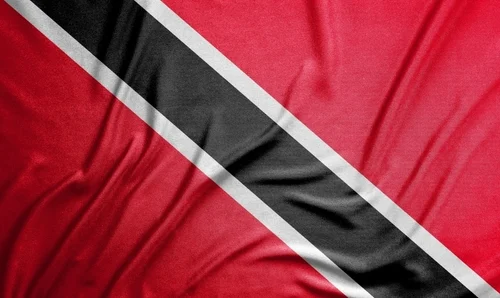
Every 31st August, the streets fill with colour, soca music spills from speakers, and the red, white, and black flag flies with pride. For Trinidadians living across the United Kingdom, Independence Day carries a weight that goes beyond the calendar — it’s a moment to honour history, reconnect with roots, and share culture with the broader British public.
Trinidad and Tobago declared independence from British colonial rule on 31st August 1962, becoming one of the first Caribbean nations to do so. More than 60 years on, that date still resonates deeply — not just on the twin islands, but among the Trinidadian diaspora communities who have made cities like London, Birmingham, and Manchester their home.
The UK’s Caribbean community is one of the largest and most vibrant in Europe. For many, Trinidad and Tobago Independence Day is not a quiet occasion. It is a full celebration of identity, heritage, and belonging — and in 2026, it falls just days after the Notting Hill Carnival, creating an extended period of Caribbean cultural pride across the country.
What Is Trinidad and Tobago Independence Day?
Trinidad and Tobago Independence Day commemorates 31st August 1962, the day the twin-island nation formally ended its status as a British colony. After decades of colonial rule, the country gained full sovereignty while remaining within the Commonwealth — a transition that reshaped its political identity and gave its people a national day to call their own.
The day holds particular meaning for the Trinidadian diaspora. Many UK-based Trinidadians or their parents and grandparents came to Britain during the Windrush era and beyond, bringing with them a culture shaped by the calypso, steel pan, roti, and carnival traditions of the twin islands. Independence Day is a chance to pass those traditions on to younger generations born and raised in the UK.

How Does the UK’s Trinidadian Community Celebrate Independence Day?
Cultural Events and Community Gatherings
Across the UK, Trinidadian cultural associations and Caribbean community organisations host events to mark Independence Day. These range from formal dinners and flag-raising ceremonies to informal community gatherings and street celebrations. Cities with large Caribbean populations — particularly London, Birmingham, Leeds, and Bristol — typically see the most activity around this time of year.
Look out for events hosted by organisations such as the Trinidad and Tobago High Commission in London, which often marks national occasions with receptions and cultural programmes for the diaspora community.
Notting Hill Carnival and the Independence Day Connection
The timing of Trinidad and Tobago Independence Day in 2026 gives the celebrations an added layer of significance. Notting Hill Carnival, Europe’s largest street festival, takes place on the Sunday and Monday of the August Bank Holiday weekend — which in 2026 falls on 30th and 31st August.
That means Independence Day itself lands on the final day of Carnival. For many Trinidadians, this overlap is deeply symbolic. Notting Hill Carnival has its roots in Caribbean culture, founded in 1966 largely by the Trinidadian community as a way to celebrate heritage and reclaim public space. The steel pan, soca music, and mas (masquerade) bands that define Carnival are all quintessentially Trinidadian in origin.
Celebrating Independence Day at the close of Carnival feels, for many, like a natural full circle.
Food, Music, and Family Traditions
Away from the large public events, Trinidad and Tobago Independence Day is also observed in homes and family gatherings across the UK. Traditional dishes take centre stage: doubles (curried chickpea sandwiches in bara bread), roti, pelau, callaloo, and macaroni pie are all staples of the celebration table.
Music is just as central. Soca, chutney, calypso, and parang fill living rooms and garden parties, with older generations sharing the classics alongside newer artists keeping the sounds fresh for younger listeners.
For many second- and third-generation Trinidadians growing up in Britain, these food and music traditions are the most direct connection they have to an island many have visited only a handful of times. Independence Day creates a reason to keep those connections alive.

Why Does Trinidad and Tobago Independence Day Matter to the UK Diaspora?
The short answer: identity. Living abroad means navigating the space between two cultures — and national holidays provide a structured moment to honour one side of that experience without having to justify it.
For older members of the community who lived through independence themselves, 31st August is deeply personal. For younger generations, it is an opportunity to understand where they come from and why that history matters.
There is also a collective pride in what Trinidad and Tobago has contributed to British culture. From Carnival to steel pan orchestras, from the writings of V.S. Naipaul to the contributions of Caribbean nurses and teachers who built the NHS, the Trinidadian influence on British life runs deep. Independence Day is a moment to acknowledge and celebrate that.
How to Find Trinidad and Tobago Independence Day Events in 2026
If you want to take part in the celebrations, here is where to start:
- Follow the Trinidad and Tobago High Commission London on social media for official events and receptions
- Check local Caribbean community centres in your city, many of which host cultural evenings or family days around Independence Day
- Attend Notting Hill Carnival on 30th–31st August 2026, where Trinidad’s cultural legacy is celebrated loudly and proudly
- Look for steel pan performances at venues across London and other major cities during the August Bank Holiday period

Carrying the Flag Forward
Trinidad and Tobago Independence Day 2026 arrives at a time when the UK’s Caribbean community continues to grow, adapt, and assert its place in British life. The generation that first brought Trinidadian culture to these shores is ageing, and the responsibility of carrying traditions forward increasingly falls to those born here.
That shift does not diminish the celebration — if anything, it deepens it. When a young person in Birmingham learns to play steel pan, or a teenager in London wears a Carnival costume for the first time, or a family gathers around a pot of pelau on 31st August, that is Independence Day continuing to do its work. Keeping culture alive. Keeping history present. Keeping community strong.
Frequently Asked Questions About Trinidad and Tobago Independence Day
When is Trinidad and Tobago Independence Day in 2026?
Trinidad and Tobago Independence Day falls on Monday, 31st August 2026. In 2026, this date also coincides with the final day of Notting Hill Carnival.
What does Trinidad and Tobago Independence Day commemorate?
It marks Trinidad and Tobago’s independence from British colonial rule, which was granted on 31st August 1962. The country became a fully sovereign nation while remaining a member of the Commonwealth.
How do Trinidadians in the UK celebrate Independence Day?
UK-based Trinidadians celebrate through community events, cultural gatherings, traditional food, music (including soca and calypso), and Carnival participation. Many also mark the day with family get-togethers at home.
What is the connection between Notting Hill Carnival and Trinidad?
Notting Hill Carnival was founded largely by the Trinidadian community in London in 1966. Its steel pan performances, soca music, and masquerade bands all trace back directly to Trinidadian cultural traditions.
Are there official events in the UK for Trinidad and Tobago Independence Day?
Yes. The Trinidad and Tobago High Commission in London typically hosts events for the diaspora community around Independence Day. Local Caribbean cultural organisations in cities across the UK may also hold their own celebrations.