Key Highlights
-
Tisha b’av is the day of mourning in the jewish calendar for jewish people.
-
This day is always on the ninth day of Av, and the date is not the same every year.
-
The day is about the loss of the first and second temple.
-
Many customs on the day are about fasting, grief, thinking, and joining in observance together.
-
Jewish communities in the UK may mark the day with synagogue services or studying on their own.
-
Even secular jewish people may use tisha b’av to connect with their history, identity, and feeling of unity.
Introduction
Tisha b’av is a very special day in the Jewish calendar. Many Jewish people say it is the saddest day of the year. This day is set out for memory, grief, and quiet thinking. The day is not just about one thing that happened in the past. It brings together stories of loss, the will to go on, and the long history of a people who went through much pain many times over the years.
If you are in the UK and want an easy guide, this piece will tell you when tisha b’av is in 2026, what the day is about, and how Jewish people mark it.
Tisha B’Av 2026: Date and Key Facts for the UK
Tisha b’av is marked each year on the ninth day of Av in the jewish calendar. It does not fall on a fixed date in the Gregorian calendar. Because of this, the observance can be in july or august, depending on the year.
For jewish communities in the UK, what matters is that tisha b’av 2026 will be set by the jewish calendar. It is not based on a certain date on the civil calendar. This is why the date changes every year. To get why this happens, you need to know how the jewish month of Av decides the date and how that lines up with the UK calendar.
How the Date of Tisha B’Av Is Determined in the Jewish Calendar
The date of tisha b’av is set by the jewish calendar. It always falls on the ninth day of av. The observance stays fixed for jewish people, but the date changes in the UK’s civil calendar.
The jewish month of av lines up with a different time in the Gregorian year. So tisha b’av can be in july or august. For jewish people, the important part is the ninth day of av. It is not tied to a set time in the British summer.
This way of marking tisha b’av shows how jewish life follows the jewish calendar. It shapes fast days, festivals, and torah times through the year. So, if you want to know when tisha b’av is each year, the answer is simple. It is always on the ninth day of av, and the western date moves around that.
When Does Tisha B’Av Fall in 2026?
In 2026, tisha b’av will fall in the UK summer period when the jewish calendar places the ninth day of Av in late july or august. The exact civil date is understood by matching the jewish date to the UK calendar for that year.
What matters most is that the observance is anchored in the jewish calendar. That is why you may see tisha b’av listed differently from year to year in public calendars, synagogue notices, and community guides across the UK.
|
Reference Point |
Detail |
|---|---|
|
Observance name |
Tisha b’av |
|
Jewish date |
Ninth day of Av |
|
Calendar system used |
Jewish calendar |
|
UK civil timing |
Falls in july or august depending on the year |
|
Why it changes |
The jewish calendar does not align to a fixed Gregorian date |
If you are planning ahead, check a reliable communal calendar for the final UK civil date while remembering that the jewish date itself never changes.
Observing Tisha B’Av in Different Regions of the UK
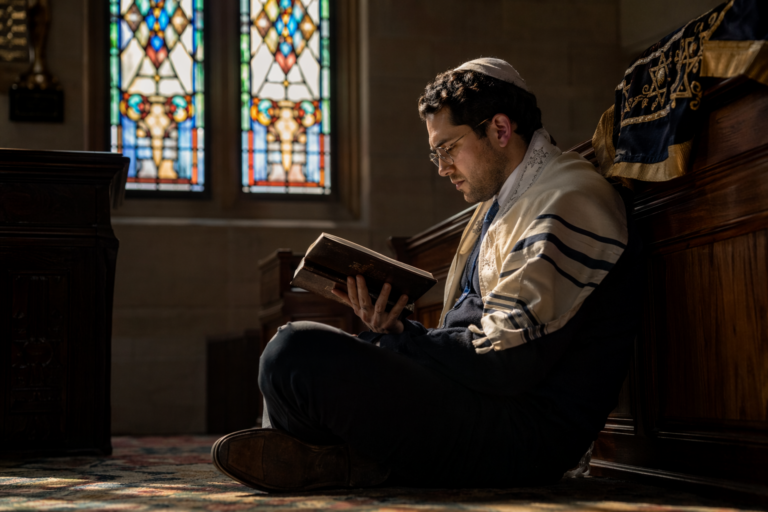
Across the UK, the observance of tisha b can be a bit different in each of the jewish communities. In bigger cities, people often go to the synagogue for services. Some join in communal readings or take part in lessons that talk about the day. When you are in a smaller town or village, families or just one person may mark the day more quietly at home.
Not everyone deals with the day in the same way. There are jewish people who hold to every part of jewish tradition. There are others who use the day to just remember, have talks, or think quietly about jewish history and the losses. That wider approach is still good and means a lot.
-
Some people go to communal services or listen as the book of eicha is read out loud.
-
Others spend the time to get to know more about the destruction of jerusalem and later calamities.
-
Some who are from secular homes like to think about memory, their identity, and jewish unity instead of doing every ritual practice.
The mix of ways people keep tisha b’av is, for many, what keeps the day strong for jewish people across the UK now.
Understanding the Significance of Tisha B’Av
Tisha b’av is a day of mourning for jewish people. The day remembers some of the deepest losses in jewish history. It is about the destruction of the temple and other national tragedies. These events helped shape exile, grief, and the way people remember as a group.
But, the day is not only about being sad. It gives space to think about jewish unity and endurance. The day asks what holds a people together after hard times. To know why tisha b’av is still so important, it helps to look at its beginnings and the meaning it holds in judaism.
The Origins and Meaning of Tisha B’Av in Judaism
Tisha b’av is a fast and memorial day in Judaism. The day is about disaster, exile, and brokenness. At the centre of tisha b’av is the memory of the destruction of jerusalem and the loss of the temple. These events changed life for the jewish people in big ways.
With time, rabbis made tisha b’av more than an old anniversary. They wanted the day to help everyone remember the many times the jewish people have suffered. It pushes people to ask hard questions about faith, community, and how to keep going. This is one reason why people say it is the saddest day for the jewish people each year.
The meaning of tisha b’av is not just about doing the same rituals. The day links what we remember with who we are as jewish people. Each generation is told to remember the events that were lost, but also what has lasted. In this way, tisha b’av ties jewish history, mourning, and the story of the people to each other.
Why Tisha B’Av Matters to the Jewish Community
For the jewish community, tisha b’av is important. It turns memory into something people share together. A day of mourning can feel private, but this one is for everyone. It shows that loss was not just for one family, but for all the jewish people.
That shared memory helps to build jewish unity. The material talks about how strong the feeling is when people in many places and in different times think about the same thing. Even if people have different views, many still want to join in the same moment of sadness and remembering.
In modern jewish communities, tisha b’av is more than just a date. It can be about history, identity, and feeling that you belong. Some see it as religious. Others see it as cultural or about their country. In every case, it helps people stay close to their bigger jewish story.
Positive Messages and Hope Connected to Tisha B’Av
Even though tisha b’av is mainly about sadness, the day still holds hope. The day can show us how to keep going, be renewed, and see how strong jewish unity can be. In the gathered material, we see that thinking about loss is very close to thinking about how the jewish people are still here.
That makes the day helpful in some way. You are not just asked to look back at the past. You are also asked to think about what kept the jewish tradition going, through time, through hard years, and through many attacks on jewish life.
-
It shows the strong spirit of the jewish people, who have made it through many calamities.
-
It gets us to think about what brings jewish unity, even with changes in time or place.
-
It can help people feel more thanks for who they are, for keeping things going, and having a shared goal.
So, there is hope that comes from tisha b’av. This hope is not light or simple. It grows as people remember, and as the jewish people live on.
Historical Events Commemorated on Tisha B’Av
Tisha b’av is a day when many calamities for the Jewish people are remembered. The most well-known are the destruction of the temple. It happened first and then again, in its Second form. Over time, the meaning of the day grew even larger.
For the Jewish people, tisha b’av is now a day to look back at national disaster from many years. This day is about siege, exile, massacre, and being forced out of their land. In the next sections, you will see the big events most people think about during this fast.
The Destruction of the First and Second Temples
The main focus of tisha b’av in Jewish tradition is the destruction of the temple in Jerusalem. The Jewish people remember the fall of both the first temple and the second temple in history. Both happened on the same day. This makes tisha b’av full of meaning for many.
The first temple was destroyed by the Babylonians in 586 BCE. The Romans came many years later and destroyed the second temple in 70 CE. The destruction of the temple was not only about religion. It touched the core of Jewish national and cultural life. It hurt their community too.
-
First temple: destroyed by the Babylonians in 586 BCE.
-
Second temple: destroyed by the Romans in 70 CE.
-
Both events are central to the destruction of the temple remembered on tisha b’av.
Because of all this, the day became the main time each year for Jewish people to grieve the loss of their sacred centre in Jerusalem.
Other Major Calamities Remembered on Tisha B’Av
Jewish tradition connects tisha b’av with more than just the loss of the temples. The day is remembered for different calamities in jewish history. It includes times of sadness that go beyond the temples.
People think about the bar kokhba revolt, the fall of the city of betar, and when the site of the temple and surrounding area were ploughed. As the years passed, the day started to take in memory of the expulsion of the jews from european countries, the hardship of the spanish inquisition, and the holocaust after the world war.
-
The bar kokhba revolt was stopped, and the city of betar was lost.
-
The site of the temple and surrounding area were ploughed under.
-
Later on, it took in the expulsion of the jews and the holocaust after the world war.
The day now carries much emotion because it marks so many events.
Tisha B’Av’s Role Among Jewish Fast Days
Of all the jewish fast days, tisha b’av stands out because the day is all about big disaster and sorrow shared by everyone. People often call it the saddest day in the jewish calendar. This is what makes it different from other fast days which do not have the same feeling or aim.
People like to compare tisha b’av with yom kippur. While yom kippur is serious, it is also a holy time focused on saying sorry and turning back to good. Tisha b’av is not like that. It is a day of mourning and pain. It is more about loss than making up for wrong things. This difference helps many jewish people see how special tisha b’av is.
-
Tisha b’av is about times in history when there was destruction and everyone felt the loss.
-
Yom kippur may be a serious day, but it does not carry the same feeling of mourning.
-
It belongs with other jewish fast days but has its own special feeling.
This is what sets tisha b’av apart in the jewish calendar each year.
Traditions, Customs and Modern Observance in the UK
In the UK, tisha b’av is marked by both old traditions and what people choose to do on their own. Some jewish people use formal ways to show mourning. Others spend the day in a quiet way that still shows respect for loss and memory.
This matters because the observance of tisha b is not the same in every home or group. The one thing that stays the same is the serious feel of the day. The next parts talk about the main rituals, rules, and how religious and secular families may go about the observance of tisha b.
Traditional Rituals, Prayers and Readings
Yes, there are special prayers and readings for tisha b’av. A well-known one is the reading of the book of eicha. People also call it the book of lamentations. It is about grief after the fall of Jerusalem. This is part of the day’s traditional mourning practices.
The gathered details also share that the day is set apart by fasting and by learning. But there are limits on torah study on tisha b’av. People do not study most torah parts because this gives joy. They can, though, read sad texts that fit the sorrow of the day.
-
The book of eicha or book of lamentations is a key reading for the day.
-
Special prayers focus on loss, mourning, and remembering.
-
Torah study is kept short, except for sad texts about suffering and ruin.
With the day’s mourning practices, these things help make a mood in tisha b’av that is serious, quiet, and full of history.
Common Customs, Restrictions, and Prohibitions
The most well-known custom of tisha b’av is the fast. Jewish people do not eat on this day and follow other limits to show the deep sadness felt. These rules are a part of mourning practices that go with the observance.
A big prohibition found in the material is about torah study. Study is usually seen as good and inspiring, but it is not allowed on tisha b’av, except for texts that show trouble and fit with the feeling of loss in the community.
-
Fasting is one of the main restrictions for the day.
-
Torah study is under prohibition except for texts about sorrow.
-
The observance uses customs to highlight sadness and losing something.
These customs are not chosen by chance. They are made to help the day stand out from normal days and draw everyone’s thoughts towards remembering tisha b’av.
How Individuals and Families Mark Tisha B’Av, Religious and Secular Approaches
In the UK, people and families remember tisha b’av in many ways. Some stick to jewish tradition by fasting, going to the synagogue, and reading important texts. Others choose a more secular way that is about jewish history, memory, and family talk.
The collected material shows that tisha b’av links many people, not just those who follow the faith closely. It says that even someone who is atheist or less observant may still care about the day. This is because it speaks to ancestry, shared struggle, jewish peoplehood, and survival through the years. For many families, that is enough to make the observance of tisha b’av felt and meaningful.
-
Religious homes may fast and take part in prayers with others.
-
Secular families may talk about jewish history or think about identity and unity.
-
Some people use the day to learn, remember, and sit in quiet thought instead of taking part in rituals.
So, even if you are not religious, tisha b’av can still be a good and important day to observe.
Conclusion
In the end, Tisha B’Av is a very important day in the Jewish calendar. It is a time of sadness and also thinking about the past. People mark Tisha B’Av in the UK in different ways. The day is full of customs and rituals. There is also a strong sense of the history behind it. On this day, Jewish people remember the hard times their people faced. They also look for hope even when things feel sad. This helps people and their families keep a strong bond with their Jewish roots. Some mark Tisha B’Av in the old way, while others might choose newer ways. No matter how it’s done, the Tisha observance shows how their community stays strong together. If you want to know more about what to do on this day, you can ask for more information.
Frequently Asked Questions
Are there special prayers or readings for Tisha B’Av?
Yes. Tisha b’av has special prayers and people read the book of lamentations, which is also called the book of eicha. In jewish tradition, you cannot do much torah study on tisha b’av. The only texts people study on this day are about suffering, destruction, or mourning.
How do non-religious people observe Tisha B’Av in the UK?
In the UK, there are Jewish people who do not follow every religious custom. During tisha b’av, these secular Jewish people may take part in remembering, learning, talking with family, or thinking about Jewish history and identity. They might not do each tisha b ritual, but the observance can still be good. It brings a sense of loss, unity, and shared Jewish heritage.
What makes Tisha B’Av unique among Jewish fast days?
Tisha b’av stands out from other fast days. It is the main day of mourning in the jewish calendar. The focus is on some of the worst events in jewish history. The destruction of the temples is at the heart of this time. That is what gives it a strong national and historical feeling.