Key Highlights
-
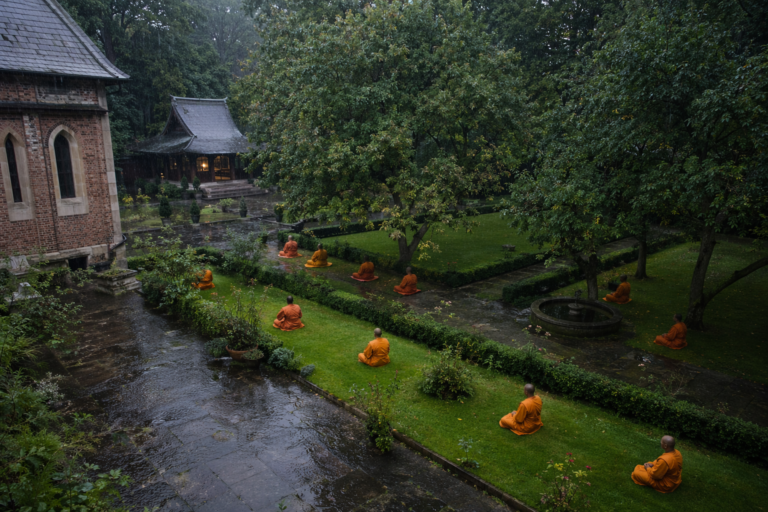
Vassa is the annual rains retreat in Buddhism. It is a time when monks spend more time in one place.
-
This observance is important because the Buddha made it part of Vinaya rules for fully ordained bhikkhus.
-
Buddhist Lent, or rains retreat, usually starts after the full moon in July and lasts for about three months.
-
In the UK, monks in monasteries follow the lunar calendar to set Vassa, not the local weather.
-
Khao Phansa is a well-known event that marks the start of the annual rains retreat.
-
Lay supporters often show more devotion, give more, and practise more during this Buddhist Lent.
Introduction
If you want to know what Vassa is in Buddhism, it means the annual rains retreat. The monastic community observes it for about three months. People also call it Buddhist Lent. During the rains retreat, monastic life gets quieter. There is more stability, meditation, and study of the Dhamma. In the UK, Vassa is a good time for people to get close to Buddhist practice. Many go to the temple, make offerings, or join in with the community. Knowing the background and timing makes its meaning easier to see.
Historical Origins and Significance of Vassa (Buddhist Lent)
Vassa has roots that go back a long way in Buddhism. The Buddha set up this rainy season observance, and you can find its rules in the Vinaya Pitaka. It became a key part of monastic life for fully ordained bhikkhus during the Indian rainy season.
The meaning of Vassa is both useful and spiritual. Monks mostly stay in one place at this time. This lets them focus on meditation, discipline, and study in a quiet way. For lay Buddhists, this Buddhist Lent brings the chance to give support to the Sangha with devotion and generosity. The next parts will tell you how Vassa started and why it still matters today.
The Buddha’s Establishment of the Rains Retreat
The rains retreat was started by the Buddha himself. It was made a required practice for all fully ordained bhikkhus. You can find the details in the Mahavagga from the Vinaya Pitaka. This shows that Vassa was there from the start and was an important part of the monastic community and their rules.
The retreat fits the rainy season in North India. It begins the day after the full moon in July and ends on the full moon of October. For those who cannot join in July, there is also a way to start after the August full moon. This way, the discipline stays in line with the weather of the year.
When Vassa starts, monks let others know they will stay in a set monastery or place for the period. They pause most of their travel. They can only leave for a short time and must return within one week if they have to go. This step makes the start of the rains retreat clear for all fully ordained bhikkhus.
Why Vassa is Considered ‘Buddhist Lent’ and Its Key Spiritual Themes
Vassa is often called Buddhist Lent. This is because it is a set time of restraint, commitment, and spiritual effort in the Buddhist year. The words show a season when monastic life gets more settled and strict. There is less travel, and more focus is put on practice and keeping things steady in the monastic community.
For monks, the main point is intensive practice, as well as study of the Dhamma. They also spend more time living in the monastic community. When monks stay in one place, it helps with meditation and a set routine. It makes it easier to follow the Vinaya. Having this steady way of life is what gives the annual rains retreat its religious significance.
Lay Buddhists have a focus that is different but still closely linked. This is a time for them to show devotion by helping the Sangha. With hard work, lay people offer food, shelter, and other needs. Doing this is seen as a good source of merit. Taking part in temple life also helps people grow their faith and gratitude.
Dates and Timing of the Beginning of Vassa in 2026 (UK Perspective)
Vassa dates are based on the lunar calendar, not on the weather in the UK. The timing is tied to the traditional Buddhist rainy season, not to the local monsoon season. Most times, Vassa starts on the day after the July full moon. But some people start after the August full moon.
In the UK, monasteries stick to this old way of doing things. The information put together notes that one observance starts on Friday 11 July, right after Asalha Puja, and goes on until Tuesday 7 October. This shows a good way to see how the annual rains retreat, or rainy season observance, is timed by local Buddhist monasteries.
Traditional Lunar Calendar Dates and UK Observance in 2026
The beginning of Vassa usually takes place according to the lunar calendar. Traditionally, the retreat starts on the day following the full moon of July and ends on the full moon of October. If monks cannot begin then, they may observe a later three-month period starting on the day after the August full moon.
In the UK, Buddhist monasteries follow this traditional observance even though the local weather is different from the Indian rainy season. The compiled material gives a clear example from a UK monastery, where formal determination of the monastic retreat took place on the evening of 11 July, after Asalha Puja.
|
Traditional timing |
UK observance example |
|---|---|
|
Day after July full moon to October full moon |
Friday 11 July to Tuesday 7 October |
|
Alternative start: day after August full moon |
Used if regular entry is not possible |
|
Formal start linked with lunar observance |
Determination held after Asalha Puja |
How Local Buddhist Communities Prepare for the Start of Vassa in the UK
In the UK, getting ready for the Vassa retreat mostly happens at the monastery. The people who live nearby also join in. The information shows that there is often a special start to the retreat. People come together for meditation. The temple stays quiet. The doors are open for visitors who want to take part in some parts of the observance.
Lay Buddhists help the monastic community in new ways before Vassa. The monks mostly stay in one place during Vassa, so people focus more on caring for them and helping with small things. This is a long Buddhist custom. You can see this in Sri Lanka as well, where lay supporters work to help monks during the retreat.
Some usual ways of getting ready are:
-
going to the Asalha Puja on the night before Vassa begins
-
joining in sitting and walking meditation time with others during the first week
-
keeping the temple a quiet space, so that people can have noble silence and practise well
-
making plans to help out with daily things at the monastery and give support to the monks who stay there
Ceremonies and Rituals at the Start of Vassa
The start of Vassa is shown by clear ceremonies and acts. There is not one single way that all people follow for this time. One big act is when Buddhist monks say they will stay in the same place or home during the whole observance. In some places, this comes after Asalha Puja, which marks the Buddha’s first teaching.
At the same time as this promise, there can be chanting, meditation, processions and people giving offerings. In Thai Buddhism, Khao Phansa marks the opening of the rains retreat. All these practices show how devotion, discipline and the help from others come together at the start.
Khao Phansa: Rituals and Observances to Mark the Start of the Rains Retreat
Khao Phansa takes place in Thai Buddhism and signals the start of the rains retreat. This is a special time for monks that connects with Vassa. It begins the yearly phase when monks stay in one place to focus on their practice with more care. Even though people may follow local customs, what matters most is how the monks enter this retreat.
At the start of Vassa, monks’ daily routines become more steady. They do not travel unless it is important and for a short time. Monks then give their time to meditation, study, chants, and group practice that is calm and steady. The first days often involve monks meeting as a group. They sit, walk in meditation, and stay quiet inside the monastery.
Normal opening events for the rains retreat might include:
-
an official statement to stay at the monastery during the retreat
-
chanting and meditation connected with Asalha Puja
-
carrying candles while walking in circles in the temple
-
people in the community taking part in a calm and respectful way
These key moments help to keep the spirit of the observance strong in Buddhism as the monks and the community turn their focus to peace and togetherness.
Special Offerings, Acts of Generosity, and Community Practices at the Opening of Vassa
The start of Vassa has always been a time when there is much giving and kindness. Lay practitioners give help to the Sangha with extra care during this time. People see this as a big way to get merit. In the past, there were times when those who gave support asked monks to stay for the retreat in homes made just for them. These were homes with all the simple things the monks would need.
This kind of giving was not only done by each person alone. What is written down shows there were set invitations, processions, and hosts who made sure the monks had all they needed through Vassa. Even if there was no special home for them, lay communities still asked the monks to stay at the temple. They helped them in the temple with strong devotion.
Some usual ways to show generosity at this time are:
-
asking monks to stay and observe Vassa at a set place
-
making homes, eating places, or rooms for prayer ready for the retreat
-
giving the things monks need for the whole three months
-
taking part in processions that guide the monks as Vassa opens
Conclusion
As we get closer to the start of Vassa in 2026, it is good to know how special this time is for Buddhist people. The Rains Retreat, or Vassa, is a season for thought and spiritual change. It is also a chance for people to come together to share and keep their common values. When you join in with the rituals and ceremonies of Vassa, you can learn more about Buddhist teachings. You also help build a feeling of togetherness.
Take in the deep meaning of this tradition as you get ready for Vassa. Try to bring more mindfulness and kindness into your daily life during this time. Join in with the Vassa observances. Let the spirit of this Rains Retreat move you forward on your path.