Key Highlights
-
Srebrenica Memorial Day takes place each July and is made to honour the victims of Srebrenica.
-
It marks the srebrenica genocide, when over 8,000 Bosnian Muslim men and boys were killed.
-
The day is on 11 July 1995, and it is seen as a dark point in european history.
-
In the UK, remembrance events ask people to stop and think, learn about what happened, and stand up against hatred in their community.
-
The international community calls Srebrenica the worst atrocity that happened on european soil since the second world war.
-
The day also helps to stop future violence, tells the truth, and shows respect for survivors and the families of the victims of srebrenica.
Introduction
Srebrenica Memorial Day 2026 is a day in the UK for people to think, learn, and show respect. It focuses on the srebrenica genocide, which was the worst atrocity on european soil since the second world war. Many say this memorial is about more than thinking about the past. It is about seeing where hatred can take the world, and why we in the uk must stop things that separate people. Remembrance events across the uk honour victims, families, and survivors. These events also remind us all to treat others with care and to take responsibility now.
Understanding Srebrenica Memorial Day
Srebrenica Memorial Day is a time to remember the victims of the srebrenica genocide. It is a day set aside for commemoration and to honour all those who were killed. The day also gives people a chance to show respect for survivors and support families who still feel the loss. You are asked to reflect on hatred and prejudice, and to think about what these things can cause.
In the UK, Srebrenica Memorial Day happens each year close to 11 July. Events take place in towns and cities to let people remember, learn, and be together. The next parts talk more about what this day means and why it is held every year on this date.
The Meaning and Purpose of Srebrenica Memorial Day
At its heart, Srebrenica Memorial Day is here to help people remember the victims of srebrenica and to honour survivors and families who are grieving. The day is a public way to show respect for them. But it is also a warning to everyone. The commemoration of the srebrenica genocide tells us not to turn away from the past.
There is a clear reason behind it. Remembering Srebrenica helps people see how ethnic and religious hatred can lead to genocide. That is why many memorial events and acts of remembrance in the UK connect the commemoration of the srebrenica genocide with the need to stand up against prejudice, discrimination, and division in daily life.
For you, this day can feel both personal and part of life in the community. Srebrenica Memorial Day pushes us to reflect, listen, and learn together. It exists to make the prevention of genocide possible in the future by helping people remember what happened. It reminds us all, especially future generations, that staying silent and not caring always leads to very real outcomes.
Annual Date of Commemoration in the UK
Each year, Srebrenica Memorial Day is commemorated on 11 July. That date marks the fall of Srebrenica in 1995 and anchors national srebrenica memorial day activity in the UK. It is also the point at which international commemorations take place in Bosnia and Herzegovina.
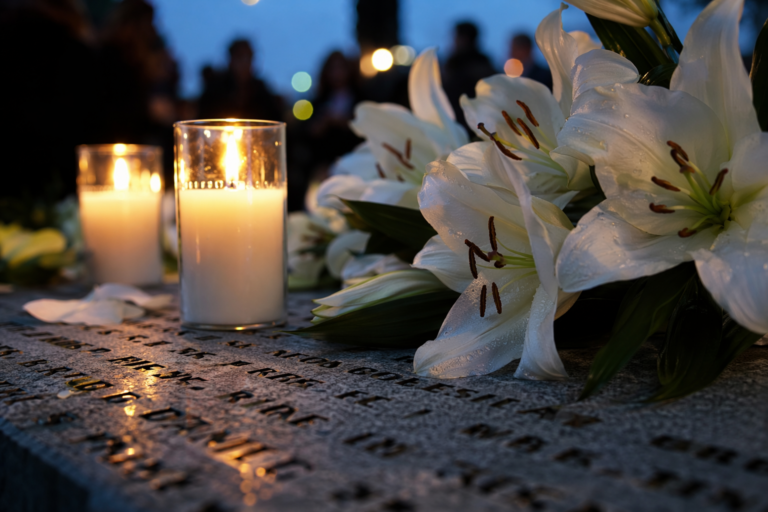
Across the UK, remembrance often extends beyond one day. Communities take part in services, statements, candle lighting, and local events during memorial week, leading up to or surrounding 11 July.
|
Date/Period |
What it means in the UK |
|---|---|
|
11 July |
Main date of commemoration for Srebrenica Memorial Day |
|
Early July |
Many local services and reflection events are held |
|
Memorial week |
National and community activity supports wider commemoration |
|
International context |
The date connects UK remembrance with the international community |
The Srebrenica Genocide: Historical Context
The srebrenica genocide happened during the bosnian war. More than 8,000 bosnian muslim men and boys were killed in july 1995. The united nations called it the worst atrocity on european soil since the second world war.
But the fighting in bosnia was not just in one town. The war killed over 100,000 people. More than two million had to leave their homes. Thousands of women were raped. To know what memorial day means, it helps to see how these events took place.
Events Leading Up to the Genocide in 1995
Before the genocide, Bosnia was already in trouble. There was fighting, people being kicked out of their homes, and ethnic cleansing. Srebrenica turned into an enclave where many Bosnian Muslims looked for safety. It was meant to be a safe area, but it did not stay safe.
In July 1995, Bosnian Serb forces took control of Srebrenica. The Dutch UN peacekeepers were there, but they did not stop the town from falling. After this, there were mass executions, with over 8,000 Bosnian Muslim men and boys killed.
The human cost was very high. Families got split up, and whole communities broke apart. The people who made it out now have to live with pain and memories of what happened. Memorial Day does not just remember these things as history. It shows what can happen when hatred, exclusion, and organised violence are allowed to grow.
The Impact on Bosnia and Herzegovina and Europe
The srebrenica genocide had a strong and lasting effect on Bosnia and Herzegovina. Many lives were lost. Families were split apart. Whole communities had to leave their homes. The bosnian war pushed more than two million people out of their homes, and over 100,000 people died.
All over europe, srebrenica became a big moment in european history. It made people see that ethnic cleansing and genocide were not just things from the past. These acts happened in europe, not that long ago, and people still feel their effects today.
-
Bosnia and Herzegovina still feels the pain of loss and of people being forced to move.
-
Europe had to deal with genocide happening on its own land.
-
The things that happened are a warning about hatred, division, and leaving people out.
-
Remembrance helps keep truth safe and gives dignity to those who lived through it and their families.
The Significance of Memorial Day in 2026
In 2026, Srebrenica Memorial Day still holds the deep meaning of the 30th anniversary of the srebrenica genocide. People in the UK first marked this in 2025. This day brought new attention to the survivors, their families, and what we can learn from european history.
For a lot of people, the meaning does not stop after just one year. These anniversaries help us all to think, but it’s important to keep remembering and to not stop when the day has passed. The next parts talk about why we need to think and learn about this moment, and why memory of the srebrenica genocide, this memorial, and the srebrenica events keeps mattering for us now in the uk and for european history.
Reflections on the 30th Anniversary
The 30th anniversary of the srebrenica genocide was a time for people to come together and remember. It shone new light on victims of the genocide, and on those survivors who still tell their story. It also meant a lot to families who, up to now, feel the pain of what they lost. Times like this help public memory stay strong and real.
In the UK, people at anniversary events were asked to really think about the meaning of remembrance. It is not only something you do at a big event. It is about facing history and seeing how hatred can hurt people and their towns.
For future generations, marking the 30th anniversary of the srebrenica genocide matters. These moments keep the truth clear for all. When people meet, hear, and learn, they help keep memories safe and honour the victims of the genocide. Ongoing commemoration makes sure that people see the loss, and never forget to watch for hatred as it starts.
Why Remembrance Still Matters Today
Remembrance still matters because the past never truly goes away. The memory of Srebrenica is important in today’s world, where there is still division and prejudice in public life. Honouring the victims of Srebrenica helps keep the truth and human dignity safe.
It also matters because remembrance is key for the prevention of genocide. When the international community looks back honestly on European history, warning signs are harder to ignore. Memorial days bring a time for learning, feeling for others, and taking shared responsibility, instead of staying silent.
-
Remembrance honours the victims, survivors, and families who have lost loved ones.
-
It stands against hatred, discrimination, and prejudice happening now.
-
It helps future generations see what can happen when people are divided.
-
It builds the case for being watchful and stopping genocide.
How the UK Marks Srebrenica Memorial Day
Across the UK, people mark Srebrenica Memorial Day with both national and local commemoration. Srebrenica memorial events often include services, public talks, lighting candles, flag displays, and gatherings with people from different faiths. These moments help the community remember the victims of the srebrenica genocide and let them honour all those lost in a respectful way.
National srebrenica memorial day is supported by Remembering Srebrenica UK, which is a charity backed by HM Government. Local councils, faith groups, and community groups are also involved in planning these events. In the next sections, you will see how these ceremonies and community outreach often come together to remember the srebrenica genocide.
National Ceremonies and Events
In the UK, there are national ceremonies and local gatherings during srebrenica memorial week and near 11 July. These srebrenica genocide memorial events give people time to think and take part in remembrance. They are usually serious, simple, and focus on the memory of those lost, coming together, and sharing responsibility.
At national srebrenica memorial day events, people give messages that honour those killed in the srebrenica genocide, show respect to survivors, and stand with families still looking for truth and justice. Speeches remind us how important it is to stand against hatred, racism, and any form of unfair treatment in our society.
-
Candle lighting in remembrance of lives lost.
-
Public statements of commemoration shared by councils and communities.
-
Flying the Srebrenica flag as a visible sign of solidarity.
-
Faith or interfaith services using readings, prayers, and stories.
-
Local memorial gatherings linked to the wider srebrenica genocide memorial message.
Education, Community Outreach & Organisers in Britain
Education and reaching out to the community are at the heart of how the UK marks this day. Remembering Srebrenica UK gives out helpful tools like speeches, prayers from different faiths, true stories, and readings. These are made for schools, faith groups, and local people so they can set up events that are above all easy to join and understand.
In the UK, more than one group works together. People taking part can include Remembering Srebrenica UK, local councils, charities, faith groups, and networks joining more than one faith. Communities the are asked to hold services, put up words online, and link up with the work of other groups. The Mothers of Srebrenica are deeply respected in all this, for the way they have tried to get to the truth and stand up for justice about the genocide.
The memorial is also part of an even bigger picture. Srebrenica Memorial Day stands with Holocaust Memorial Day and the days for other acts of genocide. These times are a call for people in the UK to learn, think on past crimes, and keep watch for hatred now and in the coming years. The shared way of doing things helps us all in the UK to understand what went wrong and know why we must speak out against hatred.
Conclusion
As Srebrenica Memorial Day 2026 gets closer, it is important to remember what happened in the past and honour the people who went through the genocide. This day is about more than just commemoration of what took place in 1995. It also reminds us to fight hatred and stand up for human rights.
The meaning of this day only grows stronger as we look back on the last 30 years and join in community events around the UK. When we take part in memorials and education efforts, we help build a culture based on remembrance and understanding. The stories of the victims matter. We must keep their memories alive and keep working towards a society that values tolerance and kindness.
Join us in marking this day. Help spread the word in your communities about why Srebrenica Memorial Day is important and why we need to keep remembrance at the heart of what we do.