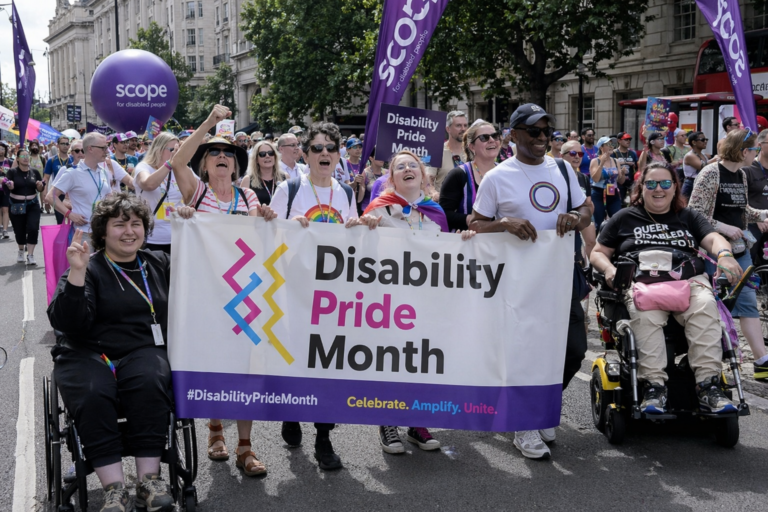
Key Highlights
-
Disability pride month is in July. It celebrates disabled people, their identity, their culture, and what the community gives to us.
-
This helps the disability community to be seen. It lets people feel heard and valued in day-to-day life.
-
The month is about inclusion. It gets people to have open talks about barriers, accessibility, and ableism.
-
The disability pride flag stands for all the different things people in the disability community go through.
-
In the UK, you can go to talks, see book displays, join learning activities, or take part in events like a disability pride parade.
-
You can join by listening, learning, sharing, and helping disabled people.
Introduction
Disability Pride Month is a time for the UK to notice disabled people and show that they matter. It is a chance to feel good about identity and make inclusion stronger. This month opens the door for people to talk about access, what is fair, and life every day, things that most people do not see. For many, disability pride is not just about people being seen. It is also about feeling like they belong to a bigger group. If you want to know what the month is about and the best way to mark it, this guide tells you where to start.
The Meaning of Disability Pride Month in the UK
Disability pride month happens every July in the UK. It is a time to celebrate disabled people, who they are, what they show the world, and all the good things they do in society. This time is important because it gives people space to talk about what they live through, how they feel, and how they can connect with others with more confidence.
At its centre, disability pride month shares that disability is a part of human diversity. It shows that there is no need to hide it. It lets the disability community stand together, face up to stigma, and work for a more open and easy-to-access world. In the next parts, you can see why this all is so important.
Understanding Its Significance for the Disability Community
For many people, disability pride is something that feels very personal. It can give a person a way to accept their disability identity, link up with others, and know they are not alone. That feeling of belonging is important in all parts of daily community life, mainly if someone has met with misunderstanding or been left out.
The month is also a time when the disability community gets space to share real stories. Some people will use this time to speak about both visible and invisible disabilities, neurodivergence, or mental health conditions. Others may talk about how barriers in public spaces, at school, and at work can make it hard to take part as much as others.
There is another big reason behind it. Disability pride helps with building confidence, open talk, and helping each other out. If disabled people are seen and heard, it becomes much easier to push back against stigma. People also get to see and value the real, strong contributions of the disability community, which touches every part of our society.
How Disability Pride Month Promotes Inclusion and Diversity
Disability pride month helps people think about inclusion. It gets people to talk about fairness, access, and respect for all. It shifts people’s minds from feeling sorry for others to thinking about rights, identity, and joining in life together. This change makes disability pride stand out more in everyday life.
It also lets us start honest talks about ableism. When people in schools, workplaces, or groups discuss these barriers, they can find better ways to help all. The idea of equity is clear. Some may need different things to feel included, and that is the heart of inclusion.
The story about disability rights is important as well. The Americans with Disabilities Act, which many people call the disabilities act or ADA, is a big part of this story. This law changed how people in the US think about public spaces and their rights. Because of this, disability pride month makes diversity stronger by connecting respect with real action.
The Origins and History of Disability Pride Month
The start of disability pride month is in the bigger disability rights movement. It began in the USA, where disability rights got a lot more attention in 1990 after the passing of the Americans with Disabilities Act.
After this, the idea grew. It became an annual event where people could celebrate their identity, culture and civil rights. The first disability pride parade is part of this larger story. It helped give disability pride and the movement more visibility. The disability pride parade is now an organised way for the public to join in this celebration.
In the UK, disability pride month has found its own place. The next parts will look at how the month grew there.
Global Beginnings: How the Movement Started
Disability pride month started with the energy from the disability rights movement in the United States. The passing of the landmark Americans with Disabilities Act in 1990 was a big moment. This law was made to stop unfair treatment of disabled people. It is seen by many as a high point of disability rights history.
This bigger movement helped more people talk about disability as a matter of being equal and having civil rights, not just charity. This also helped people get more mainstream awareness of the positive pride many disabled people have in who they are, their culture, and what they share with others.
As years went by, these ideas led to special events in July. This is around the same time as the anniversary of the Americans with Disabilities Act. That is why disability pride month is often seen as a time for visibility, rights, and showing that disability is a natural part of human diversity.
Growth of Disability Pride Month in the United Kingdom
In the united kingdom, people mark disability pride month each July. This has happened since 2015. The month is all about celebrating people in the disability community, who they are, what they do, and what they give to society. It gives people with disabilities in the UK a time to be seen, feel connected, and get support.
You can see this because of events and work by the public. In the uk, many groups hold talks, set up book displays, and offer meet-ups that are relaxed. These let people learn, share with others, and meet new friends. These activities help make disability pride a real thing people can join, right in their own communities.
Not all places have a full disability pride parade. Still, the idea is the same: letting people with and without disabilities see the community, celebrating one another, and talking openly. This focus on visibility has helped in the united kingdom. More people now know about a wide range of disabled lives. This includes those who are seen, those who are not, people with new and different needs, and those living with long-term mental health conditions.
Key Themes and Symbols of Disability Pride Month 2026
Disability pride month is built around a few main ideas. These include visibility, identity, accessibility, and disability rights. These topics help people see that the month is about more than just celebration. It is also about equality and respect for all.
Symbols are important in disability pride. The disability pride flag gives people a way to see and show different experiences in the disabled community. At the same time, it shows their solidarity. These ideas and symbols help everyone understand the month better, and the next sections will explain what the flag and the focus for 2026 might mean in the UK.
The Disability Pride Flag: Origin and Symbolism
The disability pride flag was made by Ann Magill in 2019. Each colour on the flag shows a different type of disability. It also shows how people can be affected in their own way. This flag stands for awareness, respect, and recognition in disability culture.
There is more to the flag’s message than just colour. The disability pride flag goes against ableist stigma. It shares the idea that disability is a natural part of human diversity. It is a strong sign for disability pride, not just in Disability Pride Month but all year.
-
Red is for physical disabilities.
-
Gold is for neurodivergence.
-
White is for invisible and undiagnosed disabilities.
-
Blue is for mental health conditions and illness.
-
Green is for sensory disabilities.
2026 Theme: Empowerment and Visibility in the UK
For 2026, the idea of empowerment and visibility will give a good way for people to understand disability pride month in the united kingdom. Empowerment means that disabled people can feel sure in who they are, how they speak out, and the groups they are part of. Visibility is about being seen by others in daily life and not ignored.
This matches with what the month is already for. During july, it opens up talks about disability, celebrates real life stories, and lets people speak about their need for access. When you see people in a clear way, it is easier to break old ideas and help stop the silence around disability.
Here in the uk, this can guide how organisations, families, and the community take part in july. They can try to listen better, hear what disabled people say, and put accessibility first when they make plans. This is how disability pride month in the united kingdom can turn visibility into real inclusion, not just words.
Ways to Mark and Celebrate Disability Pride Month in the UK
There is not just one way to celebrate disability pride month in the UK. Some people like quiet learning. Others join in public events that help with inclusion and visibility. Both ways can be good.
People often join talks, set up book displays with a theme, use social media for learning, watch documentaries, and talk about accessibility. In some places, there may be a disability pride parade or a gathering to bring people out together. If you are asking what this can be like each day, the next two parts give simple ideas for home, work, and your local area.
Celebrating as Individuals and Families
You do not need a big event if you want to join in for disability pride month. You and your family can begin by listening to disabled people. Learn from the way they live. Little things you do can help make their lives better at home and in talks you have every day with others.
You can also use July to help everyone get more understanding together. Social media, books, or even a documentary are good ways to see new points of view. This will help both children and adults look at disabled people with more kindness and stop making quick guesses about them.
-
Follow disabled activists on social media to get new stories and learn more from their lives.
-
Read books by disabled authors at home with your family.
-
Watch documentaries about the disability movement, and always check if it is right for the age group watching.
-
Learn about ableism and speak up or act when you see it around you.
-
Talk about accessibility that is needed in schools, shops, and the places in your community.
Workplace and Community Activities for Meaningful Inclusion
A meaningful workplace response to disability pride month starts with listening. Staff should not be asked to perform or explain everything, but disabled voices should have room to shape the conversation. A good approach links celebration with accessibility and practical change.
Community groups can take a similar path. Talks, relaxed discussion spaces, and themed displays help people learn without making the month feel tokenistic. The aim is steady inclusion, not a one-off gesture that disappears after July.
You can use simple activities like these:
|
Activity |
How it supports inclusion |
|---|---|
|
Guest talk or discussion |
Creates space to hear real experiences of disability or neurodivergence |
|
Book display |
Shares disability culture and promotes learning through reading |
|
Accessibility review |
Identifies barriers in the workplace or community setting |
|
Informal meet-up |
Helps people connect in a relaxed and supportive way |
|
Awareness session on ableism |
Encourages respectful language and better day-to-day practice |
Engaging Schools and Universities During Disability Pride Month
Schools and universities can help a lot during disability pride month. They can set up spaces where people learn, think, and include everyone. This job does not have to be hard. Simple activities, good talks, and letting people know more about disabilities can help make things better.
No matter if you work in special education or in other classrooms, the goal is much the same. You want students to see that being disabled is part of human diversity. You can use classroom projects or campus events for this. There are many ways to do it well. The next parts share ideas you can use for teaching and for student life.
Classroom Activities to Foster Awareness
In the classroom, disability pride month gives everyone a good chance to learn in a calm and caring way. Teachers can talk about identity, fairness, and find out how barriers make it hard for people to join in. You can do this in both mainstream and special education classes.
Students often learn best when things feel real and close to their lives. Talking about access, showing who gets represented, and thinking about community helps people see what disability identity is really about. This stops the talk from being just a stereotype and helps students see the disabled community as people who give a lot to society.
-
Read extracts or books by disabled authors, then talk about what these writers think and feel.
-
Look at the disability pride flag and learn what the colours mean.
-
Talk about ableism and how words can change the way others feel.
-
Show examples of accessibility in the classroom or out in public spaces.
-
Encourage kind and respectful chats about disability identity and inclusion.
Organising Inclusive Events and Talks on Campuses
Universities can join in with disability pride month by planning events that are open and help people feel welcome. They can do things like have a speaker session, a panel talk, or a relaxed chat area. Students and staff can listen to real life stories this way. The best way to run these events is to think about accessibility from the start.
There is another way for a university to show support. They could set up a display for disability pride in a library or student area. It can have books, posters, and other facts about disability culture. This makes the month easy to see all around campus. It also means people are not asked to speak for everyone. Visibility in this way makes it more normal to talk about these things.
Some places may choose to hold public celebrations based on the idea of a disability pride parade. You do not need a big event—even a smaller one can help shine a light on inclusion, identity, and rights. What matters most is making spaces where disabled students see that they belong, and not feel they were put in at the last minute.
Supporting the Disability Community During Disability Pride Month
Backing the disabled community in disability pride month starts with care, respect, and being a good ally. You do not have to be the one to lead the talk. Most of the time, the best thing you can do is listen close and learn from the voices of disabled people.
Support is not just about thoughts—it is about action too. This means standing up to ableism, speaking out for things to be more open to everyone, or making sure disabled people have a say when plans are made or choices decided. Good thoughts are important, but real steps matter more. The next parts will show ways to be a strong ally and how to stop some big myths.
Being an Effective Ally
Effective allyship during disability pride month does not mean you take charge. It is about being there for the disabled community with help that is honest and needed. This starts when you listen to people who live with disability, and you see that not each person feels the same way.
You can help inclusion by seeing where walls to access are still there. When people get to know about access needs, the right words to use, and bias, they are likely to act in better ways during daily life. The small changes you make in what you do can help community life be better.
-
Follow and share work by disabled activists and advocates.
-
Learn what ableism means and call it out when you see it.
-
Support accessibility in schools, workplaces, shops, and groups.
-
Make space for disabled voices when planning and talking.
-
Treat disability pride month as a time to learn and not to make guesses.
Challenging Misconceptions and Raising Awareness
One idea some people have that is not true is the thought that disability pride month tries to hide how hard things can be or acts like hard things do not happen. That is not the case. This month gives people a space to speak about all the barriers that are there. It lets them do this and still show pride in their identity, who they are, their culture, and the way they connect with others. There can be both pride and honesty at the same time.
Some also say that disability pride month is for disabled people only, but this is not right. It gives all of us a way to think better about ableism, access, and what is fair for everyone. It brings better understanding to schools, where we work, and also when we are out in public spaces. This helps all of society get better, not just the disability community.
There can also be the weight of stigma when it comes to things you can see and things you cannot see, like neurodivergence or mental health conditions. Talking about these topics more helps people get past these old ideas. When you let the disability community speak out and be seen, it is harder for old stories and wrong thoughts to change the way people are treated.
Conclusion
To sum up, Disability Pride Month is a time to remember the strength and spirit in the disability community. It helps people see and learn more about disability pride, and it brings more inclusion and welcomes diversity. When we all do our part, even small things count. At work, at school or at home, each step can help make life better and fairer for all. As Disability Pride Month 2026 comes closer, let’s try to understand, support and lift each other with kindness.
You can join in the movement by joining events or having talks with people. This helps clear up wrong ideas about disability, and brings people together. When we work with each other, we can make sure that all voices from the disability community are heard. This way, everyone can feel good, strong and proud to be themselves.
Frequently Asked Questions
What does Disability Pride Month aim to achieve?
Disability pride month is a time to celebrate disabled people and show support for their place in society. It helps everyone see and value their identity. This month also makes more people aware of the barriers they face. People talk more about disability rights and ways to include everyone. The history of disability pride is tied to the disabilities act story in the United States. The act made the idea of fairness and access something more people paid attention to.
How can I participate in Disability Pride Month events?
You can join disability pride month in a few ways. You can go to talks, see book displays, join in with community discussions, or follow disabled activists online. If a disability pride parade takes place near you, please go and show respect. When you learn, listen, and become a kind ally, you help to build real inclusion and a strong community life.
What are common misconceptions about Disability Pride Month?
A lot of people think that disability pride month forgets about struggle. But this is not true. It is there to help people see who they are. It also tries to fight ableism and stigma. People may also think the disability pride flag is just for show, but that is not the case. The flag stands for many kinds of disability experiences. It helps others learn more about these lives. The flag is also important because of the stories behind the disabilities act.