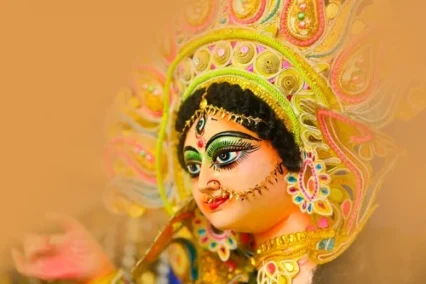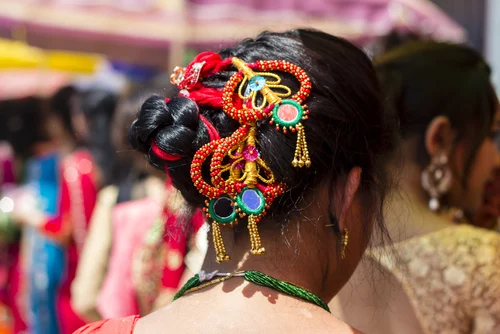
Quick answer: Hartalika Teej is a significant Hindu festival observed mainly by women, honouring Goddess Parvati’s devotion to Lord Shiva. In 2026, it falls on 25th August. Women fast, pray, and gather to celebrate marital happiness and feminine strength — a tradition now embraced by Hindu communities across the United Kingdom.
Hartalika Teej is one of the most spiritually significant festivals in the Hindu calendar. Unlike some celebrations centred on feasting and fireworks, this one is quieter in character — rooted in devotion, fasting, and the enduring bond between Goddess Parvati and Lord Shiva. For Hindu women across the UK, it has become a meaningful annual ritual that connects faith, identity, and community.
Whether you’re observing it for the first time or have marked this day for decades, understanding the full story behind Hartalika Teej adds depth to every prayer and every ritual performed. This guide covers everything you need to know — the mythology, the customs, the date, and how British Hindu women are keeping this tradition alive today.
When Is Hartalika Teej 2026?
Hartalika Teej 2026 falls on Tuesday, 25th August 2026. It is observed on the Tritiya tithi (third day) of the Shukla Paksha (waxing moon) in the Hindu month of Bhadrapada. The exact timing of the Tritiya tithi and auspicious muhurat (prayer window) will vary slightly depending on your location in the UK, so it is worth consulting a Hindu panchang (almanac) for precise timings.

What Is the Story Behind Hartalika Teej?
The word Hartalika comes from two Sanskrit words: harat (abduction) and aalika (female friend). According to Hindu scripture, Goddess Parvati’s friends whisked her away into a forest to prevent her father from arranging her marriage to Lord Vishnu — because Parvati’s heart belonged only to Shiva.
Hidden in the forest, Parvati undertook an intense penance. She fasted without food or water, crafted a Shivalinga from sand, and prayed with unwavering devotion. Moved by her dedication, Lord Shiva appeared and granted her wish — accepting her as his consort. The festival commemorates this act of absolute faith and love.
This story resonates deeply with many Hindu women. It is not simply a tale of romance. It is a celebration of a woman’s inner resolve, her clarity of purpose, and her devotion to what she values most.
How Is Hartalika Teej Traditionally Observed?
Fasting Without Food or Water
The fast observed on Hartalika Teej is one of the most rigorous in the Hindu tradition. Unlike other vratas (fasting rituals) that permit fruit or a single meal, this fast is typically nirjala — observed without consuming any food or water from sunrise to the following morning. Women break the fast after performing puja the next day.
The fast is believed to bring marital happiness, the wellbeing of one’s husband, and spiritual merit for the observer.
Preparing the Puja
On the morning of Hartalika Teej, women bathe, dress in new or traditional clothing — often green or red, colours associated with prosperity and auspiciousness — and apply mehndi (henna). A clay or sand idol of Goddess Parvati and Lord Shiva is created or arranged for worship.
The puja typically includes:
- Flowers and leaves — particularly bel leaves (wood apple), which are sacred to Shiva
- Fruits and sweets as offerings
- Incense and diyas (oil lamps) to invoke a sense of the sacred
- Recitation of the Hartalika Teej Katha — the narrative of Parvati’s penance, read aloud during the ceremony

Gathering With Other Women
Traditionally, women observe this festival together — singing devotional songs, sharing stories, and supporting one another through the fast. This communal element holds particular meaning for Hindu women in the UK, where temple gatherings and community events bring that sense of togetherness to life.
How Do British Hindu Women Celebrate Hartalika Teej?
Hindu communities across the UK — particularly in cities like Leicester, Birmingham, London, and Manchester — observe Hartalika Teej with a blend of traditional ritual and modern practicality.
Many women attend special puja programmes at local mandirs (temples). Others observe the fast privately at home, organising small gatherings with family members or neighbours. In recent years, cultural organisations and Hindu societies have also hosted events to mark the occasion, making it more accessible to younger generations born and raised in Britain.
For British Hindu women navigating dual cultural identities, festivals like Hartalika Teej serve as anchors. They provide a structured way to stay connected to heritage — not through obligation, but through meaning.

What Are the Key Rituals for Hartalika Teej 2026?
Here is a simple guide to the main rituals observed on the day:
- Wake before sunrise and take a ritual bath
- Dress in traditional attire — green, red, or another auspicious colour
- Set up the puja space with idols or images of Parvati and Shiva, along with offerings
- Perform the puja and listen to or recite the Hartalika Teej Katha
- Observe the nirjala fast throughout the day and night
- Keep vigil overnight if following the full traditional practice, engaging in prayer or devotional songs
- Break the fast the following morning after completing the closing puja
Why Does Hartalika Teej Matter to the Hindu Diaspora in the UK?
For many Hindu women living in the UK, this festival holds significance that goes beyond religious observance. It is a space to reflect on personal values, to honour relationships, and to feel part of something that stretches far beyond any one country or generation.
The themes at the heart of Hartalika Teej — devotion, patience, inner strength — speak across cultures. Parvati’s story is not culturally specific in its emotional truth. Her determination to choose her own path, and to pursue it with discipline and faith, resonates with women navigating modern life in Britain just as much as anywhere else.
Passing these stories and rituals on to children and grandchildren born in the UK also helps preserve a living connection to Hindu tradition — one that is felt and practised, rather than simply remembered.

Frequently Asked Questions About Hartalika Teej 2026
What date is Hartalika Teej in 2026?
Hartalika Teej 2026 falls on Tuesday, 25th August 2026.
Who observes Hartalika Teej?
The festival is observed mainly by Hindu women, particularly those who are married or soon to be married. It honours Goddess Parvati’s devotion to Lord Shiva and is associated with marital happiness and spiritual wellbeing.
Is the Hartalika Teej fast compulsory?
The nirjala fast (without food or water) is the traditional form of observance, but many women adapt the practice to their health needs. Consulting a doctor is advisable for those with medical conditions. The spirit of the festival lies in devotion, not in the strictness of fasting alone.
Can unmarried women observe Hartalika Teej?
Yes. While the festival is traditionally associated with married women praying for their husbands, unmarried women may also observe it, praying for a devoted and compatible life partner.
Where can British Hindu women celebrate Hartalika Teej?
Many local mandirs and Hindu cultural organisations across the UK host puja programmes and community events for Hartalika Teej. Checking with your nearest Hindu temple or community centre is the best way to find local observances.
Celebrating Hartalika Teej With Intention
Hartalika Teej is more than an entry on the Hindu calendar. It is a day shaped by centuries of devotion — a reminder that faith, when practised with sincerity, carries its own quiet power. For the British Hindu community, observing this festival is an act of cultural continuity, personal reflection, and communal connection all at once.
As 25th August 2026 approaches, taking time to understand the tradition behind the rituals makes the day richer. Whether you observe alone at home or alongside family and community, the heart of Hartalika Teej remains the same: a celebration of devotion, strength, and the ties that endure.