Key Highlights
-
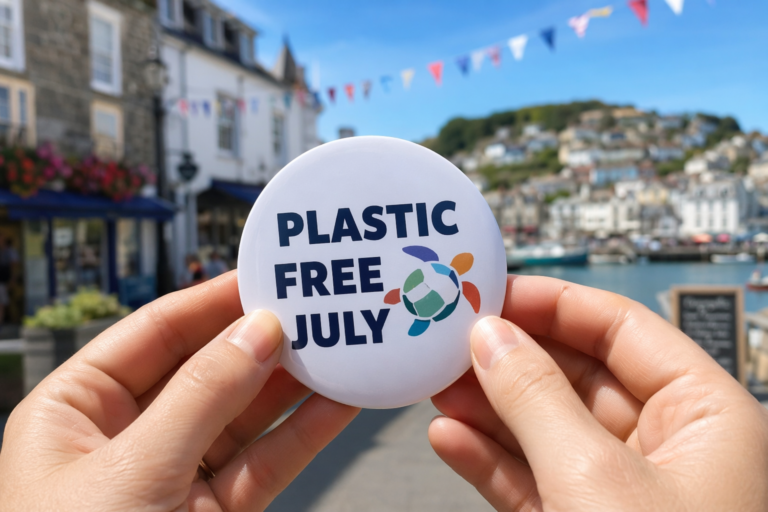
Plastic Free July is a good plastic free challenge you can try in the UK during the month of July.
-
The aim is to make small changes that cut waste. It does not mean you have to take all plastic out of your daily life.
-
Swapping to reusable bags and refillable bottles can help keep waste out of landfill.
-
Saying no to disposable coffee cups is a good first step. Many of these coffee cups are hard to recycle.
-
There are local refill points, shops, and community groups that can make plastic free living much easier.
Introduction
Plastic Free July is a simple way to help you use less throwaway plastic in the month of July. If you live in the UK, you can join by swapping out some normal things in your shopping, drinks, and daily life. You do not have to be perfect. The main idea is to make plastic free choices when you can and to think about more than just recycling. If you want to know how to get started, try one or two easy habits first.
Understanding Plastic Free July in the UK
Plastic Free July inspires people in the UK to check the amount of plastic they use every day. It helps people see that recycling has limits, as less than 10% of plastic gets recycled around the world.
In the month of July, everyone tries to use less plastic and think about the waste they make. This matters because plastic can break up into tiny pieces in streets, green places, rivers, oceans, and landfill. To really know the problem, it helps to see where this started and what Plastic Free July is trying to change.
Origins and Purpose of Plastic Free July
Plastic Free July started as a campaign to help people use less single-use plastic in a simple way. The goal was not to get rid of all plastic from life. The plastic free idea is always about changing how you use plastic every day.
This started with help from the Western Australian Government. July became the month where people could stop and look at their habits. Having the month of July gives everyone the chance to have one aim together, which can make it feel easier and not too hard to do.
What the campaign really wants is for people to make permanent changes after July ends. When people use less plastic that gets thrown away, there is less rubbish in landfill or in nature. Because of this, Plastic Free July talks about one thing over and over: doing small things often can help change how people live each day.
The Main Goals and Impact of the Challenge
The challenge wants you to use less single-use plastic in a way that feels real and can fit into your life. The big goals are to cut down on waste, keep rubbish out of nature, and show how small changes from many people can help.
This is important because plastic does not go away just because you throw it out. It can stay around for many years. It will break up into tiny pieces and pile up in the landfill, on the streets, in rivers, and in the sea. A plastic water bottle, for example, can take over 400 years to break down.
People are also now more worried about how microplastics hurt the oceans and what this does to human health. We do not know everything yet, but we can already see the harm. You can help by picking things that you can use many times. Shop with more care, and try to make these swaps more than just a one-off in July. Work towards making these good habits stick and become permanent changes.
Beginner’s Guide to Starting Your Plastic Free July Journey
Starting a plastic free month does not have to change your whole life. The best way is to start with small changes you can do again and again without much work. You can try using reusable bags, picking a refillable bottle, or leaving out one thing that comes in a lot of packaging.
When you go shopping, look for loose fruit and veg instead of those that are packed up. Try to stay focused on what you can fit into your week, not everything all at once. In the next bit, you’ll find the main things and resources that can help you make those first swaps simple.
Essential Items and Resources for Going Plastic-Free
A few simple items can help make plastic free living much easier when you are out. You do not need to carry a big kit. Start out with the things that you use every day.
Useful essentials include:
-
Reusable bags for food shops and quick visits
-
Foldable reusable bags or keychain bags for times when you need to buy something unexpected
-
A refillable water bottle, one that is sturdy and can last for a long time
-
Reusable coffee cups, so you do not need to take disposable coffee cups
-
Reusable bags for loose fruit and vegetables
-
Containers from home for the deli counter
-
The City to Sea Re-fill App to help you find refill points and refill shops
It is just as important to check what is available near you. See if there are any cup refill groups, water refill points, or a Plastic Free Community in your area. These tools can help you reduce plastic and make it part of your everyday routine.
Step-by-Step Guide: How to Take the Plastic Free July Challenge
If you want to try the plastic free challenge in the UK, it’s a good idea to keep things simple. Start by creating one new habit at a time. Many people pick the month of July as a clear point to begin, but the real goal is to make permanent changes that you can stick to for the long term.
Taking it step by step can help you stay on track with what is realistic. Begin by taking note of what you throw away. After that, switch out the simplest items first. It also helps to find support and see which things are going well. Each step below gives a good, practical way to turn what you want into action.
Step 1: Assess Your Daily Plastic Use
Before you start making swaps, take some time to look at the amount of plastic you use each day. Look at what you throw out after you have a meal, go shopping, or buy a drink on the go. This will give you a good starting point for a plastic free month.
You will soon see that you use the same single-use plastics most days. Water bottles, thin carrier bags, plastic packaging for fruit and veg, and cups for drinks to take away are some of the most common ones. Some of these are easy to swap out for other things right away.
This step is important. The reason is that it helps you put your focus on the things in your day that will have the biggest impact. It also makes the challenge fit in with your normal life. Now more people worry about microplastics and human health, so looking at your rubbish each day is a smart and useful first step.
Step 2: Swap Out Common Single-Use Plastics
When you see what waste you have most, it helps to begin by changing the simplest things first. Start with small changes. Making swaps in your daily habits can make a quick difference. You do not have to change all your shopping in one go.
Choose reusable bags instead of thin ones. You can keep these in your car, next to your front door, or in your everyday bag. If you get hot drinks often, bring your own coffee cup. This is an easy swap. Using your own coffee cups helps you use less waste and lowers carbon too.
Your shopping choices matter as well. Go for loose fruit and vegetables. Take your own containers to the deli counter. When you are shopping, pick things in cardboard, tin, or glass if you can. These little changes with reusable bags and coffee cups are simple to see and begin. They fit well into your day. When you do these enough, they feel normal and will not seem hard any more.
Step 3: Connect with Local and Online Communities
Trying new habits can be much easier if you do not have to do it on your own. In the UK, there are lots of plastic free groups and campaigns. These can help you with new ideas, find out about events, and get the right support during the month of July.
You can sign up to Plastic Free Communities for handy tips and simple action plans. You may also want to reach out to your local Plastic Free Community. Ask about local schemes, refill choices, and events that are happening near you. These groups can show you what is already going on in your area.
Online groups are a good idea too. There, you can share your own progress, or just get advice from people in the same boat. When you join the bigger Plastic Free July movement, it feels more social and not just a solo task. That sense of working together can help you stay on track all month.
Step 4: Track Your Progress and Celebrate Success
To track your progress, keep a simple record of what you have changed during the month of July. You do not need anything complex. A notebook, phone note, or weekly checklist is enough to show what is becoming easier and what still needs work.
Try recording swaps rather than aiming for perfection. That keeps your focus on improvement, not guilt. Tracking also helps you see which habits could become permanent changes after July. It may even show where you are relying less on recycling because you are creating less waste in the first place.
|
Habit to track |
Simple way to record progress |
|---|---|
|
Carrying a refillable bottle |
Mark each day you avoid buying bottled water |
|
Using reusable cups |
Note each time you skip takeaway coffee cups |
|
Shopping with your own bags |
Count shops completed with no extra bag bought |
|
Buying loose produce |
List how often you choose unpackaged fruit and veg |
|
Using refill points |
Save locations visited and repeat the easiest ones |
Practical Tips for Living Plastic-Free in July
Living plastic free in the UK during the month of July is much easier when you link small changes to the places you often visit. The home, your journey to work, your time at work, the school run, and the shops you like can help you find where to start. That way, you can spot good places to try new habits.
Practical tips will work best for you when you fit them into your everyday life. Keep things that help at hand, use refill options close to home, and choose your packaging more carefully when you shop. The next two sections talk about how to make these changes at home and how to get other people to join with you.
Easy Changes to Reduce Plastic at Home, Work, and School
Daily routines at home, work, and school give you many chances to cut waste and still make life easy. The main thing is to put reusable items where you use them the most. This way, the better choice will be the easiest.
Here are a few small changes that help:
-
Keep reusable bags near the door, in the car, or inside your backpack
-
Use a refillable bottle at home, work, and school instead of buying bottled drinks
-
Bring your own coffee cups when you get takeaway drinks
-
Pick loose fruit and veg for packing lunches or when shopping after work
-
Take containers from home if you buy food at a deli counter
These be simple actions, but they stop throwaway items from piling up fast. When these things get built into your day, you do not have to think about them as much. That is often how a July challenge can become a lasting habit.
Encouraging Friends and Family to Join the Challenge
The best way to get your family or friends involved is to keep the challenge fun and real. Going plastic free may seem big at first, so it is good to talk about small changes instead of strict rules.
You could ask them to try one swap for the month of July. For example, they could start carrying reusable bags or say no to single-use drinks packaging. Sharing these easy wins is often better than giving out too many tips at once. People like to join in when it feels simple and helps them in daily life.
You can also show them local schemes, refill points, or community campaigns in your area. When people see support close to them, it makes the plastic free challenge feel possible. Having one shared goal at home for July also helps. This could change what you pick at the shops, or help everyone pack lunches in a better way.
Conclusion
As we end our look at Plastic Free July, you can see this is not just a way to cut down the plastic waste you make each day. It is also a great time to work with others who care about the world. When you look at your use of plastic and try to swap out some things, even small, you help the earth. The small things matter. Each bit you do will count. Tell your friends and your family about this. Ask them to join too, so together we can help make good change. Let us take this task together as we start July and see what a difference we can make. If you want to start, reach out to folks around you or look for a group on the internet for help and ideas. When we move together, we can build a cleaner and greener tomorrow.
Keywords: plastic free, july
Frequently Asked Questions
What are the most common plastics to avoid during Plastic Free July?
The most common things to avoid are single-use plastics. This includes bottled drinks, thin shopping bags, and takeaway packaging. In the UK, lots of coffee cups and disposable coffee cups have plastic lining inside. These are good places to start if you want to go plastic free.
Are there any Plastic Free July events or campaigns in the UK?
Yes, in the UK there are plastic free campaigns as well as local events tied to Plastic Free Communities. In the month of July, you can check for community schemes, refill ideas, and events near you by joining local groups. These campaigns give you help and real tips right where you are.
How can schools or workplaces get involved in Plastic Free July?
Schools and workplaces can get involved in July by trying some easy plastic free swaps. You can use refillable bottles, choose reusable cups, and make better lunch choices. Being part of a bigger group plan helps teams stick with it. When you work together, it is easier for these new ways to become permanent changes over time.
How do I monitor my progress throughout the challenge?
To see how you are doing, keep a simple list of the things you stop using and what you swap out each day in the month of July. The best way to track your progress is by using a daily note or checklist. This will show your plastic free habits clearly and help you see what is starting to be normal for you in July.