Quick answer: July 2026 in Australia includes month-long Plastic Free July, NAIDOC Week (5–12 July), Territory Day in the Northern Territory (4 July), and Coming of the Light (11 July). The month also features Jewish, Hindu, Buddhist, Christian and Islamic observances, plus global awareness days like World Nature Conservation Day and International Day of Friendship.
July is one of Australia’s richest months for cultural recognition, environmental action, and global awareness. It brings Indigenous celebrations, multicultural festivals, religious observances from many faiths, and worldwide campaigns that invite everyday Australians to take part.
This guide is built for families planning activities, educators preparing lessons, businesses organising workplace events, community organisations hosting gatherings, event planners, and content creators looking for accurate dates. You’ll find every major July 2026 observance, organised by date, faith, and theme—plus simple, respectful ways to take part.
Bookmark this page as your single planning resource for the month. Below you’ll find a full date-by-date breakdown, a quick-glance calendar table, celebration ideas, and answers to the most common questions.
Key takeaways
- Plastic Free July runs all month and started in Perth, Western Australia, in 2011.
- NAIDOC Week falls on 5–12 July 2026, celebrating Aboriginal and Torres Strait Islander peoples.
- Territory Day (4 July) is the only public holiday-style celebration unique to the Northern Territory.
- July includes observances from Jewish, Hindu, Buddhist, Christian and Islamic traditions.
- Global awareness days such as World Nature Conservation Day (28 July) and International Day of Friendship (30 July) invite community participation.
Month-Long Observances

What is Plastic Free July and where did it begin?
Plastic Free July is a global movement that began in Perth, Western Australia, in 2011. It started as a small local initiative led by Rebecca Prince-Ruiz and a team at a local government council. Today, the Plastic Free Foundation reports that the campaign reaches millions of participants across more than 190 countries.
The idea is simple: reduce single-use plastics for the month of July. What began as a workplace challenge has grown into one of the world’s most recognised sustainability campaigns.
Here are simple ways Australians can take part:
- Swap single-use coffee cups for a reusable cup.
- Carry a refillable water bottle and reusable shopping bags.
- Choose loose fruit and vegetables instead of pre-packaged options.
- Say no to plastic straws and cutlery.
Community and workplace ideas: Set up a refill station in the office kitchen, run a plastic-free morning tea, or organise a local beach or park clean-up. Schools can turn the challenge into a class project tracking how much plastic each student avoids.
Weekly Observances
What is NAIDOC Week and why is it important?
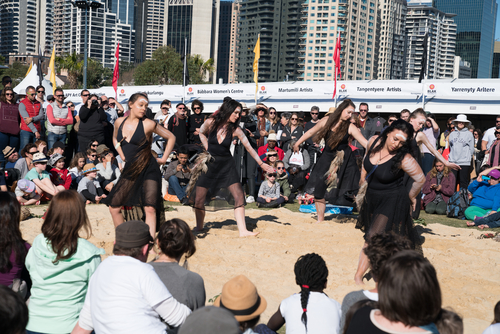
NAIDOC Week runs from 5 to 12 July 2026. It celebrates the history, culture and achievements of Aboriginal and Torres Strait Islander peoples. The name comes from the National Aborigines and Islanders Day Observance Committee.
The week has deep roots. It grew out of Indigenous rights movements dating back to the 1920s and 1930s, including the Day of Mourning held in 1938. Each year carries a national theme, announced by the National NAIDOC Committee ahead of the week.
You can take part respectfully by:
- Attending a local NAIDOC Week event, march, or family day.
- Learning about the Traditional Owners of the land where you live.
- Supporting Aboriginal and Torres Strait Islander artists and businesses.
- Reading books or watching films by Indigenous creators.
Many councils, schools, and libraries host free events. Check your local council website for details closer to the date.
July 2026 Holidays by Date
July 4
Territory Day (Northern Territory)
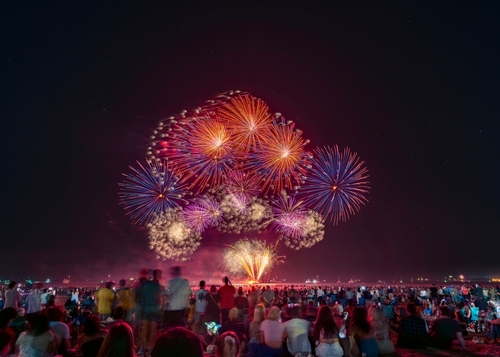
Territory Day marks the day the Northern Territory gained self-government on 1 July 1978. It’s celebrated on 1 July in some years, but the public festivities and fireworks are firmly tied to the date. The Northern Territory is the only place in Australia where members of the public can legally buy and set off fireworks on this day.
Communities across Darwin, Alice Springs, and beyond gather for fireworks displays and family events. If you’re celebrating, follow local safety rules: keep buckets of water nearby, supervise children closely, and check the approved hours for letting off fireworks.
International Day of Cooperatives
This United Nations observance recognises cooperatives—businesses owned and run by their members. Australia has a strong cooperative sector, from agricultural co-ops to credit unions and member-owned retailers. You can support it by shopping at a local co-op or joining a community-owned organisation.
July 7
World Chocolate Day

World Chocolate Day celebrates one of the world’s favourite treats. Chocolate has a long history, tracing back to the cacao-growing cultures of Central America. Australia has plenty of home-grown chocolate makers to enjoy, from large brands to small-batch artisans. Celebrate by sharing a block with friends, baking a treat, or visiting a local chocolate shop.
July 10
Fast of Tammuz
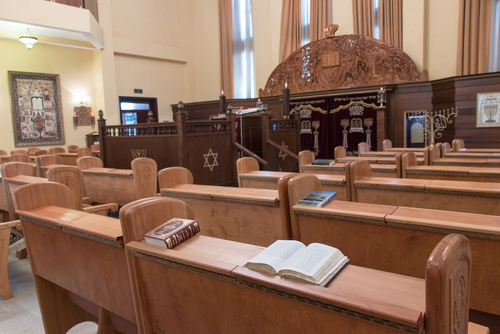
The Fast of Tammuz is a Jewish day of fasting that marks the breaching of the walls of Jerusalem. It begins a three-week period of mourning in the Jewish calendar. Observant Jewish Australians mark the day by fasting from dawn to dusk and attending synagogue services.
July 11
Coming of the Light
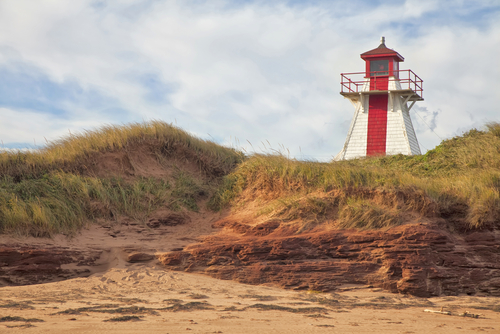
Coming of the Light is one of the most significant cultural and religious days for Torres Strait Islander peoples. It marks the arrival of Christian missionaries on Erub (Darnley Island) on 1 July 1871. The day blends Christian faith with Torres Strait Islander culture and identity.
Communities mark the day with church services, traditional dancing, feasting, and re-enactments of the missionaries’ arrival. It’s a public holiday in some Torres Strait communities and is celebrated by Torres Strait Islander people across Australia.
World Population Day
World Population Day is a United Nations observance that draws attention to global population issues, including family planning, gender equality, and human rights. Australia contributes to these goals through its international development and aid programs.
July 15
World Youth Skills Day

This UN day highlights the importance of equipping young people with skills for work and life. In Australia, it’s a chance to spotlight vocational education and training (VET) pathways, apprenticeships, and traineeships. Students and young professionals can explore courses through TAFE and other registered training providers.
July 17
World Emoji Day
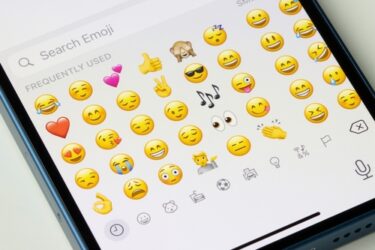
World Emoji Day celebrates the little symbols that shape digital communication. The date was chosen because the calendar emoji on Apple devices displays 17 July. It’s a light-hearted day to reflect on how emojis have changed the way we text, post, and connect.
July 18
Nelson Mandela International Day
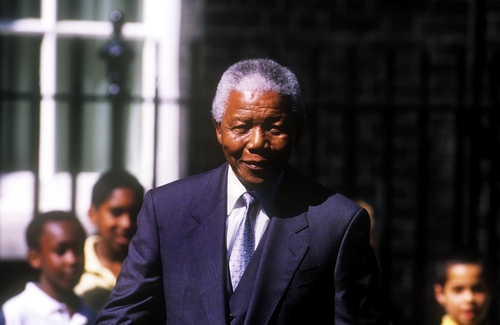
Nelson Mandela International Day honours the legacy of the South African leader and his lifelong fight for justice and equality. The day encourages people to give 67 minutes of their time to community service—one minute for each year Mandela spent in public life. Australians can volunteer with a local charity, donate to a cause, or organise a community project.
July 19
Guru Purnima
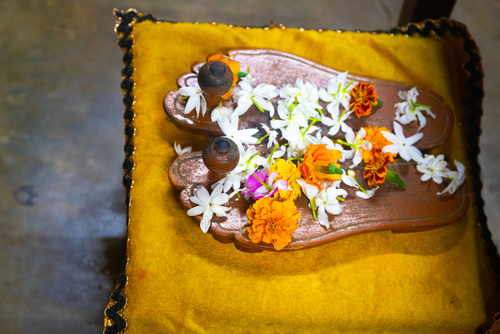
Guru Purnima honours teachers, mentors, and spiritual guides. It’s observed across Hindu, Buddhist, and Jain traditions. Within Australia’s multicultural communities, it’s a day to express gratitude to those who guide and teach—whether spiritual leaders, school teachers, or mentors.
July 20
Start of Shravan (Sawan)
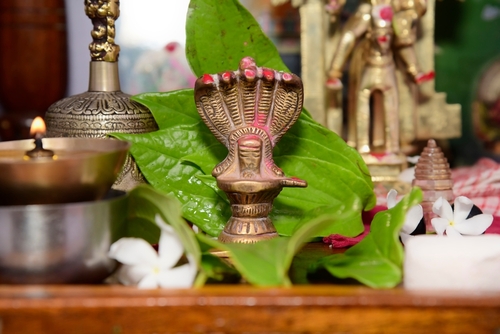
Shravan is one of the holiest months in the Hindu calendar, dedicated to Lord Shiva. Devotees often fast on Mondays, visit temples, and offer prayers throughout the month.
Asalha Puja (Dharma Day)
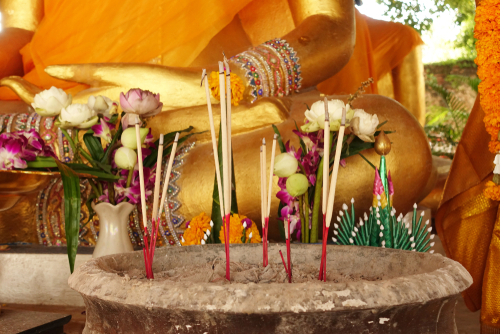
Asalha Puja, also known as Dharma Day, is a major Buddhist observance. It marks the Buddha’s first teaching after reaching enlightenment. Buddhist communities in Australia gather at temples to reflect on the Buddha’s teachings.
Beginning of Vassa (Buddhist Lent)
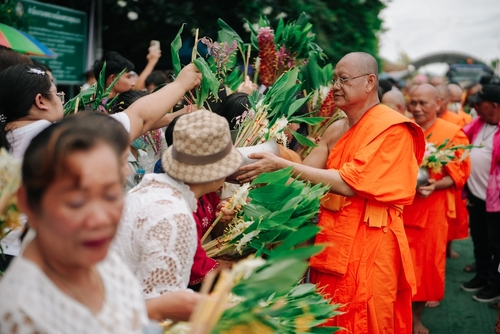
Vassa is a three-month period often called Buddhist Lent. It traditionally coincides with the rainy season in parts of Asia, when monks remain in one place for study and meditation. Australian Buddhist communities observe Vassa through deeper practice and reflection.
July 22
Tisha B’Av

Tisha B’Av is one of the most solemn days in the Jewish calendar. It mourns the destruction of the First and Second Temples in Jerusalem, along with other tragedies in Jewish history. Observant Jewish Australians mark it with a full-day fast and the reading of the Book of Lamentations.
Feast of St Mary Magdalene

This Christian feast day honours Mary Magdalene, a devoted follower of Jesus. Churches across Australia mark the day with special services.
July 24
International Self-Care Day

International Self-Care Day promotes physical and mental wellbeing. The date, 24/7, reflects the idea that self-care should be practised around the clock. Simple self-care ideas include going for a walk, getting enough sleep, and reaching out to support services when needed. Australians can find mental health support through services such as Lifeline and Beyond Blue.
July 25
Feast of St James the Apostle
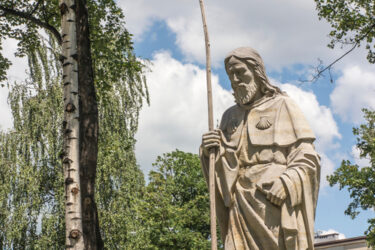
This feast day honours St James, one of Jesus’s twelve apostles. It’s closely linked to the famous pilgrimage route, the Camino de Santiago, in Spain. Australian churches mark the day with services celebrating faith and pilgrimage.
July 28
World Nature Conservation Day
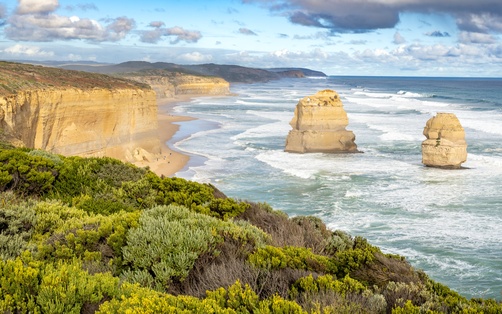
World Nature Conservation Day highlights the need to protect natural resources and wildlife. Australia is home to some of the world’s most unique biodiversity, with many plants and animals found nowhere else on Earth. Habitat loss, climate change, and introduced species remain key conservation challenges.
You can help by:
- Visiting and supporting a national park or wildlife reserve.
- Planting native species in your garden.
- Reducing waste and water use at home.
- Donating to or volunteering with a conservation group.
July 30
International Day of Friendship

This UN observance celebrates friendship as a way to build peace and stronger communities. Schools, workplaces, and community groups can mark the day with shared activities, reaching out to someone new, or simply reconnecting with old friends.
July 31
Tu B’Av (Jewish Day of Love)
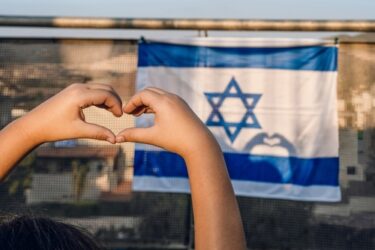
Tu B’Av is often called the Jewish day of love. Historically a joyful day in the Jewish calendar, it has become a popular time for celebrating love and relationships, similar to Valentine’s Day.
Islamic Month of Safar Begins
Safar is the second month of the Islamic calendar. It’s an ordinary month in Islamic practice, though some cultural misconceptions wrongly link it with bad luck—a belief not supported by mainstream Islamic teaching. Australian Muslim communities observe it as part of the regular lunar calendar.
Hindu Festivals in July 2026
Australia’s Hindu communities celebrate several festivals throughout July. Dates for some festivals shift each year based on the lunar calendar, so confirm exact dates with your local temple.
- Jagannath Rath Yatra: A major chariot festival honouring Lord Jagannath. The festival features grand processions and is celebrated by Hindu communities across Australia.
- Devshayani Ashadhi Ekadashi: A sacred day marked by fasting and worship, believed to begin a four-month period of spiritual focus.
- Guru Purnima: A day to honour teachers and spiritual guides (see 19 July).
- Start of Shravan (Sawan): The sacred month dedicated to Lord Shiva (see 20 July).
Jewish Observances in July 2026
- Fast of Tammuz (10 July): A dawn-to-dusk fast beginning three weeks of mourning.
- Tisha B’Av (22 July): A solemn full-day fast mourning the destruction of the Temples.
- Tu B’Av (31 July): A joyful day celebrating love.
Buddhist Observances in July 2026
- Asalha Puja (Dharma Day) (20 July): Marks the Buddha’s first teaching.
- Beginning of Vassa (Buddhist Lent) (20 July): A three-month period of deeper practice.
Christian Feast Days in July 2026
- Feast of St Mary Magdalene (22 July): Honours a devoted follower of Jesus.
- Feast of St James the Apostle (25 July): Honours one of the twelve apostles.
July 2026 Australia Holidays Calendar at a Glance
| Date | Holiday |
| Month-long | Plastic Free July |
| 4 July | Territory Day (Northern Territory) |
| 4 July | International Day of Cooperatives |
| 5–12 July | NAIDOC Week |
| 7 July | World Chocolate Day |
| 10 July | Fast of Tammuz |
| 11 July | Coming of the Light |
| 11 July | World Population Day |
| July (date varies) | Jagannath Rath Yatra |
| July (date varies) | Devshayani Ashadhi Ekadashi |
| 15 July | World Youth Skills Day |
| 17 July | World Emoji Day |
| 18 July | Nelson Mandela International Day |
| 19 July | Guru Purnima |
| 20 July | Start of Shravan (Sawan) |
| 20 July | Asalha Puja (Dharma Day) |
| 20 July | Beginning of Vassa (Buddhist Lent) |
| 22 July | Tisha B’Av |
| 22 July | Feast of St Mary Magdalene |
| 24 July | International Self-Care Day |
| 25 July | Feast of St James the Apostle |
| 28 July | World Nature Conservation Day |
| 30 July | International Day of Friendship |
| 31 July | Tu B’Av (Jewish Day of Love) |
| 31 July | Islamic Month of Safar Begins |
Note: Dates for some religious and lunar-calendar festivals may shift. Confirm exact dates with the relevant community or organisation.
Ways to Celebrate July Holidays in Australia
- Join a local NAIDOC Week event to learn about and celebrate Aboriginal and Torres Strait Islander cultures.
- Take part in Plastic Free July by reducing single-use plastics at home, work, or school.
- Attend multicultural festivals or open days hosted by local religious and cultural communities.
- Explore Australia’s parks, beaches, and wildlife reserves on World Nature Conservation Day.
- Volunteer or support local charities in honour of Nelson Mandela International Day.
- Mark international awareness days through community events, educational activities, or workplace initiatives.
Frequently Asked Questions
What are the major holidays and observances in Australia during July 2026?
The major July 2026 observances include Plastic Free July (all month), NAIDOC Week (5–12 July), Territory Day in the Northern Territory (4 July), and Coming of the Light (11 July). July also features Jewish, Hindu, Buddhist, Christian and Islamic observances, plus global awareness days.
What is NAIDOC Week and why is it important?
NAIDOC Week (5–12 July 2026) celebrates the history, culture and achievements of Aboriginal and Torres Strait Islander peoples. It grew out of Indigenous rights movements dating back to the 1930s. Each year carries a national theme, and communities mark it with events, marches, and family days across Australia.
What is Coming of the Light?
Coming of the Light marks the arrival of Christian missionaries on Erub (Darnley Island) on 1 July 1871. It’s one of the most significant days for Torres Strait Islander peoples, blending Christian faith with culture and identity. Celebrations include church services, traditional dancing, and feasting.
What is Territory Day in the Northern Territory?
Territory Day marks the Northern Territory gaining self-government on 1 July 1978. It’s the only day each year when the public can legally buy and let off fireworks in the Territory. Communities celebrate with fireworks displays and family events across Darwin, Alice Springs, and beyond.
What is Plastic Free July and where did it begin?
Plastic Free July is a global sustainability campaign that began in Perth, Western Australia, in 2011. It encourages people to reduce single-use plastics for the month. The Plastic Free Foundation reports it now reaches millions of participants in more than 190 countries.
What international awareness days are celebrated in July?
July includes several UN and global awareness days: International Day of Cooperatives (4 July), World Population Day (11 July), World Youth Skills Day (15 July), Nelson Mandela International Day (18 July), International Self-Care Day (24 July), World Nature Conservation Day (28 July), and International Day of Friendship (30 July).
What Jewish holidays occur during July 2026?
Three Jewish observances fall in July 2026: the Fast of Tammuz (10 July), Tisha B’Av (22 July), and Tu B’Av (31 July). The first two are days of fasting and mourning, while Tu B’Av is a joyful day celebrating love.
What Hindu festivals are celebrated in July?
July features several Hindu festivals, including Jagannath Rath Yatra, Devshayani Ashadhi Ekadashi, Guru Purnima (19 July), and the start of Shravan (20 July). Dates for some festivals shift each year, so confirm with your local temple.
What Buddhist observances fall in July?
Two key Buddhist observances fall on 20 July 2026: Asalha Puja (Dharma Day), which marks the Buddha’s first teaching, and the beginning of Vassa, a three-month period of deeper practice often called Buddhist Lent.
What Christian feast days are observed during July?
Two Christian feast days fall in July: the Feast of St Mary Magdalene (22 July), honouring a devoted follower of Jesus, and the Feast of St James the Apostle (25 July), honouring one of the twelve apostles and linked to the Camino de Santiago pilgrimage.
What is the Islamic month of Safar?
Safar is the second month of the Islamic lunar calendar, beginning around 31 July 2026. It’s an ordinary month in Islamic practice. Some cultural beliefs wrongly link it with bad luck, but this is not supported by mainstream Islamic teaching.
How can Australians celebrate July holidays respectfully?
Attend local NAIDOC Week events, support Aboriginal and Torres Strait Islander artists, take part in Plastic Free July, and join multicultural festivals hosted by faith and cultural communities. Learn about each observance before taking part, and follow guidance from the communities who lead them.
Plan Your July 2026 with Confidence
July 2026 brings together Australia’s Indigenous cultures, multicultural communities, environmental leadership, and global awareness campaigns in one busy, meaningful month. From NAIDOC Week and Coming of the Light to Plastic Free July and World Nature Conservation Day, there’s something for families, schools, workplaces, and communities to mark together.
Bookmark this guide as your go-to planning resource. Use it to organise school activities, community events, workplace celebrations, cultural learning, and family outings throughout the month—and check exact dates for lunar-calendar festivals with the communities who celebrate them.