Key Highlights
-
In Australia, many people will keep the shravan month in 2026 from 31 July to 29 August if they use the Purnimanta Hindu calendar.
-
Some families use the Amanta hindu calendar, so for them, the month starts on 16 July and finishes on 14 August.
-
This holy time is for Lord Shiva. It is known for fasting, prayer, and growing in spirit.
-
Sawan Somwar Mondays mean a lot for those who worship Lord Shiva.
-
Some main events in the sawan month are Nag Panchami and Shravan Purnima.
-
It’s a good idea to check with your local temple about dates for the Australian calendar.
Introduction
The sawan month is one of the most loved times in the hindu calendar. People also call it the month of shravan. During this month, many turn to Lord Shiva. They slow down, spend more time in prayer, and focus on their faith. In Australia, more families each year are showing interest in shravan. They follow what the hindu calendar says, look at the temple schedules, do home prayers, and even fast every week. If you want to know about the main dates, what this month means, or simple ways to join in for 2026, this guide will help you find all the basics.
Shravan (Sawan) 2026 Start Date in Australia and Its Significance
In 2026, the shravan month is set to start on Friday, 31 July and end on Saturday, 29 August for people who use the Purnimanta way, which a lot of folks in north India follow. But, some people keep to the Amanta tradition, so for them, shravan month begins on Thursday, 16 July.
This difference comes up because the hindu calendar works off the lunar calendar and not like a set solar month. The shravan month is the fifth month in this cycle, and where you live and what your family or temple does, like in Australia, may mean you follow one way or the other.
When Does Shravan Begin and End in Australia?
If you are looking for when the shravan month starts in the Australian calendar, the simple answer is this: many people will follow it from 31 July 2026 to 29 August 2026. These dates match the Purnimanta method, which is followed in North India. Many families from those places also use this way.
But, there are some people in Australia who may start shravan month earlier, from 16 July to 14 August. That follows the Amanta approach, which some families from South and Western India use. The dates change because the full moon and new moon in the lunar calendar decide when the month starts and ends.
So, when does shravan or sawan start in 2026? In Australia, it really comes down to the tradition you or your family follow. The best thing is to speak with your local temple or priest to know the right dates, especially if you want to fast, do puja, or take part in other festival events.
How the Start Date is Determined According to the Hindu Calendar
The start of the sawan month is not fixed by the solar calendar. It is worked out through the hindu calendar, which follows the lunar calendar. That is why one family may begin Shravan on a different date from another, even while both are observing the same sacred month.
The key reason is the use of different monthly systems. In the Purnimanta calendar, the month changes around the full moon. In the Amanta calendar, it changes around the new moon. This creates two accepted date ranges for Shravan in 2026.
|
Calendar system |
Likely Shravan 2026 dates |
|---|---|
|
Purnimanta calendar |
31 July 2026 to 29 August 2026 |
|
Amanta calendar |
16 July 2026 to 14 August 2026 |
|
Solar calendar |
Not the main basis for Shravan dates |
So if you are asking when Shravan starts in 2026, the answer depends on which calendar tradition your temple follows.
Why the Beginning of Shravan is Highly Auspicious
The start of the shravan month is a special time. It brings more spiritual energy and a strong link to the divine. The shravan month is the fifth month in the Hindu lunar calendar. This month is also when the rainy monsoon season happens. The rain helps bring new life to the world.
People use this time to do many rituals, mainly for Lord Shiva. They pray for good health and hope to receive good things in life. During this auspicious month, many people do fasts and take part in puja. They believe this can help give them more spiritual growth, and it can help them get closer to their family and life partners.
So, welcome the shravan month with joy and respect. It is a great time to grow, share, and feel better with the people you love.
Overview of Shravan (Sawan) Month in the Hindu Calendar
The shravan month is an important time in the hindu calendar. This is a period for people to show devotion, make simple choices, and pray often. The shravan month usually comes in July or August. The exact dates can change because it depends on the lunar system followed. Many families and temples use this time to slow down and put their minds on prayer.
During the month of shravan, Mondays have special meaning. Still, the whole month is thought to lift the spirit for many people. To really know why it matters, you need to look at the sacred meaning, its links to old stories, and what people do every day in the month of shravan.
Understanding Sawan as a Sacred Month
The month of Sawan, called Shravan as well, is the fifth month in the Hindu calendar. It comes up during the monsoon season when there’s a lot of rain and the land feels fresh and new. This time means a lot for those wanting spiritual growth and people look to Lord Shiva in these days.
Sawan is special for all who take part in old rituals, which help get closer to the divine and to each other. You can hear the chant “Om Namah Shivaya” a lot during Sawan, and people often pray and fast, especially on Mondays. This brings out a strong feeling of community and can help people feel good on the inside too.
Connection to Lord Shiva and Mythological Roots
Seeing how close the month of Shravan is to lord shiva helps people feel closer to their faith during this special time. The shiva purana says that the month of shravan started because of the big event called samudra manthan, when the gods found nectar that stood for purity and change. Believers do things like shiva puja and chant the rudra gayatri mantra. This helps them to grow in a spiritual way and feel nearer to the divine. The connection to lord shiva at this time not only makes their faith strong, but also brings peace and well-being while the monsoon season goes on. This makes shravan a loved time for people who believe.
How Shravan is Integrated into Daily Life for Devotees
For so many families, the shravan month is there as a normal part of daily life. It comes in gentle and still shifts how people spend the day. People start to wake up earlier, the home gets cleaner, food choice changes to simple, and everyone makes a moment for shiva puja. All of this helps the month feel real and close, not just something they watch or follow from the outside.
With the hindu calendar, this way of life feels strongest when it is sawan somwar. People who follow might go to the temple, spend time chanting at home, or do a simple puja vidhi before they go to work or study. There does not have to be a big change—a small morning prayer can fit in with the routine.
Here are some daily habits people follow:
-
Waking up in the early morning to bathe and pray
-
Cleaning up the puja area before they give water or flowers
-
Chanting Shiva mantras on Mondays
-
Going with lighter foods or picking a fasting way
These ways of living bring the feeling of the shravan month into the home every day.
Spiritual Importance of Shravan Month
The shravan month is known for its many customs, but it is also a time to look within. People see it as a good time for spiritual growth. Prayer usually becomes deeper, and every day can feel more meaningful. Focusing on lord shiva during this month helps us to keep things simple, grow patience, and show more humility.
Fasting is another part of this month. It is done to cut down on too much, help you pay better attention, and keep your spiritual growth going strong. The next parts will make this meaning easy to understand.
The Deeper Meaning Behind Shravan Observances
The spiritual significance of the shravan month is that it invites people to live with more care and attention. It does not ask for any more complexity. Instead, it asks for simple ways of living. In this time, many followers slow down on things that are not needed, pray with real feeling, and work on habits that help them stay calm and clear.
Fasting is one thing that many people do in the shravan month. The real meaning of this is not just to skip food. The true reason is to build discipline, show devotion, and give more room for prayer. When people do shiva puja along with this fast, it helps their body and mind together follow a spiritual goal.
That is why any small ritual can be important. If you only chant, give water, or do a simple fast from the heart, the shravan month changes into a time of peace inside you. It’s not just a long list of rules. It gives people a chance to find balance and meaning all on their own.
Why Mondays Hold Special Significance (Sawan Somwar)
There is a special charm people feel on Mondays during the month of Shravan, often called Sawan Somwar. On these days, people focus on lord shiva and use the time to strengthen their own spiritual growth. Many take part in shiva puja, which means doing rituals like giving bel patra and saying the Rudra Gayatri Mantra. People also keep a fast on Sawan Somwar. It is said that this helps bring good health and can make family members feel closer to each other. In many places, these Mondays are very important and make the hindu calendar feel even more spiritual. That is why people see these days as a good and lucky time.
The Power of Devotion During Shravan
What gives the shravan month its lasting power is real devotion. The month does not ask you to show off with big acts. It only asks for true and honest effort. A simple prayer, a quiet promise, or taking a mindful fast can lead to spiritual growth if you have steady faith.
The stories of lord shiva and goddess parvati guide that feeling. Shiva shows sacrifice and quiet strength, while parvati stands for loyalty, staying focused, and loving care. As a pair, they show a kind of devotion that people want to bring into their lives during shravan month.
This is why fasting during the shravan month means a lot. It helps people pull away from daily comforts and focus on prayer and self-control. In this way, they get a deeper bond with the divine.
Essential Rituals at the Start of Shravan Month
The start of the shravan month is when families often do some simple but special things. They might clean the home altar, get up early in the morning, and start doing shiva puja every day from the first day of the month. The focus is not to make things hard. It is to start this new time with care, purity, and a true plan.
Many people also get ready to fast, mainly on Mondays. From making offerings to saying mantras, these first actions help set the mood for the shravan month and for all the weeks that come after.
Morning Puja and Offerings to Lord Shiva
A lot of people start the sawan month with early morning worship. They often get up before the sun is up. They have a bath, put on clean clothes and set up the prayer area. This quiet time helps people get into the right state of mind before they start their day.
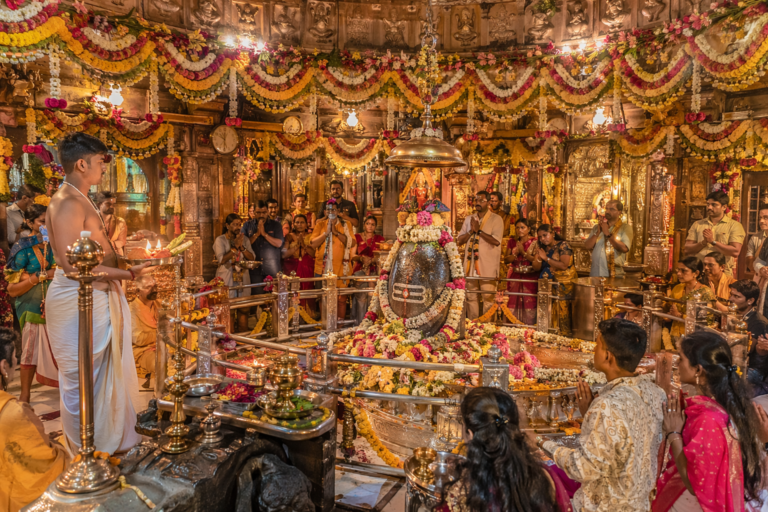
During shiva puja, people keep the offerings simple and old-fashioned. Most just pour water or milk products on a Shivling, light a diya, and say Om Namah Shivaya. It is all about showing respect, not about making a show.
Here are some usual things people do:
-
Pour water or milk products on the Shivling
-
Place bel patra while praying
-
Give white flowers, fruits, or incense
-
Say Om Namah Shivaya early in the morning
These simple rituals are what most people do at the start of Shravan.
Performing Abhishek and Chanting Mantras
Abhishek is a well-known ritual during Shravan. Simply put, it means bathing the Shivling with water, milk, or other old offerings as you pray to Lord Shiva. Many people do this at home if they can, and some go to a temple to do it.
People often chant mantras while they do abhishek. The most common one is Om Namah Shivaya, but some people add a beej mantra, the Rudra Gayatri Mantra, or prayers often heard with mrityunjaya puja. These chants help calm the mind and bring out strong feelings of worship.
At the start of Shravan, these steps help people find a good rhythm and focus. If you want to start the month in a good way, try a simple abhishek, a few minutes for shiva puja, and say a mantra. Lots of people do this, and these ways of praying to Lord Shiva are looked up to by many.
Preparation for Fasting and Other Vows
Before the shravan month starts, many people think about what type of fasting or promise they can truly keep. Some pick somwar vrat only. Others choose a partial fast, and a few may go for a full fast with just water or fruit. This often depends on their health and what they can handle.
It’s important to plan because fasting should help with devotion and not cause stress. Some see it as a way to give the digestive system rest while living a simple life for some weeks. The way people do shravan month is different for each family.
Common ways to get ready include:
-
Picking between a full fast, fruit fast, or eating one simple meal
-
Making clear vows for Mondays or special festival days
-
Getting proper foods ready before the month begins
A little planning at the start makes it easy to follow Shravan with steady focus.
Key Dates & Festivals at the Onset of Shravan 2026 in Australia
When the shravan month starts, many people want to know which dates are important. In Australia, the way you follow the month can change. Some families go by their own regional lunar way. Because of this, it is good to look at your local temple’s calendar.
But, some big festivals and fasting days are known by everyone during sawan month. These are Shravan Somwar Mondays, Nag Panchami, and Shravan Purnima. The next part shows these important days in a simple way.
Auspicious Days and Muhurats for 2026
There are some special days in the shravan month in 2026 that really catch the attention of people who follow these traditions. These days are a good chance for spiritual growth. The first Shravan Somwar comes on a Monday. This is seen as a great time for shiva puja and for those who want to fast. Another big day is shravan purnima, when a lot of people take part in special rituals.
The right timings, or muhurats, also matter, and many believe it’s best to do these rituals in the early morning. Taking part in all this helps you get closer to your spiritual side. It also brings family members together and shows how strong their shared faith is.
List of Important Sawan Festivals Occurring in Early Shravan
The sawan month is not just about Monday fasting. It brings festivals that tie the family’s prayer life to the bigger community tradition. Some of these celebrations happen at home with the family. Others are about visits to temples, local fairs, or gatherings at hindu pilgrimage places in India.
In Australia, these events might not always be big, but many people still celebrate in small and thoughtful ways. The names can be a bit different from place to place, but the meaning stays just as strong.
The sawan month has some early or important celebrations like:
-
Nag Panchami
-
Hariyali Teej
-
Hariyali Amavasya
-
Shravan Purnima
-
Shravan mela or Shravani mela, followed by some groups
These festivals are a big part of what makes this time feel special, even when people are far from India.
First Shravan Somwar and its Importance
The first Shravan Somwar is an important time in the Hindu calendar. People all over the place celebrate it with a lot of energy. Many devotees pray to Lord Shiva and do shiva puja on this day. They also keep somwar vrat, hoping for good health and good days ahead. There is deep spiritual significance because this day follows the lunar calendar and happens during the monsoon season.
The rituals on this day often involve giving bel patra and milk products. These show love and thanks to Lord Shiva. Families get together to take part in the puja vidhi. This helps to build their family bonds and support spiritual growth.
Types of Shravan Fast (Vrat) and Their Observance
Fasting in the shravan month can be easy or a bit tough. This depends on your health, family ways, and how you follow your spiritual routine. Some people fast only on Mondays. There are others who add certain festival dates in the sawan month to their practices.
The main goal is to show devotion and be disciplined. It’s not meant to be hard. If you know the main types of vrat, you can pick the one that feels true and steady for you through the month.
Sawan Somwar Vrat – Mondays Fasting Rituals
Taking part in the Sawan Somwar Vrat is a loved custom for people who follow Lord Shiva. This fast is done every Monday in the month of Shravan. It has a deep spiritual significance and helps people grow closer to Lord Shiva. Many people give milk products and leafy vegetables during this time to show thankfulness and worship. The day often starts early in the morning. Chanting the Rudra Gayatri Mantra is common as part of the rituals. A lot of the time, family members join in to make the sawan somwar feel more special and bring everyone together. Every Monday during the month of shravan gives people a new chance for spiritual growth and to find a fresh start.
Fasting on Ekadashi and Key Festival Dates
Fasting on Ekadashi means a lot in the Hindu tradition. On this day, people focus on cleaning the mind and showing devotion. Ekadashi comes two times every month. People often take part in Shiva Puja, and may have simple foods like milk products and dry fruits. This helps the body to get some rest.
During the shravan month, there are important festival dates like nag panchami and hariyali teej. These events highlight how devotion and being with others matter a lot. These festivals bring out the happy feelings of this special time. They support spiritual growth and help families and friends come together.
Dietary Do’s and Don’ts During Fasting
Food choices in Shravan are light and simple. Many people do this to follow fasting rules. It also helps the digestive system rest. The aim is not just control, but to keep clear and steady all through the day.
What you can eat and what you avoid often comes from family habits. Still, there are a few rules many follow. Milk products, fruit, and dry fruits are chosen first. Most people also go for simple vrat foods. Foods that are heavy or strongly flavoured are left out.
Typical advice is:
-
Eat fruit, milk products, and dry fruits
-
Use simple foods that are good for fasting
-
Avoid non-vegetarian food and alcohol
-
Avoid onion, garlic, grains, and pulses
-
Limit food that is fried, processed, or bought from outside
Some also cut down on leafy vegetables if they follow a strict vrat, based on their custom.
Preparation and Lifestyle Adjustments for Shravan Starters
Starting the shravan month means the family will often make some small and clear changes to how they live. Many clean their home, pick out meals for fasting, and make daily jobs easier. This is done so their devotion won’t feel rushed. All these things help make the sawan month feel planned right from the start.
These steps can help with spiritual growth too. When you have your space, your time, and what you eat in line with prayer, it’s easier to keep to it the whole month. Here’s how a lot of people get set for this time.
Household Cleaning and Sacred Space Setup
A common thing many people do before the shravan month starts is clean the house. People who join in often tidy up the area where they pray, put away things that are not needed, and make the home altar look fresh. This shows that the shravan month is starting the right way, with care and respect.
When you make a clean and tidy space for worship, it is much easier to do daily worship or puja vidhi. Even if you live in a small home or a flat in Australia, you only need a neat corner with a picture of Shiva, a diya, and a small plate for offerings. The size of the space does not matter. What matters is that you do it every day.
Useful things to do are:
-
Clean the puja space and wipe the nearby rooms
-
Get a small worship spot set up with simple things for puja
-
Have your offerings ready to use for the first Monday or the first day
These easy steps help the sawan month start in a calm and sorted way.
Selecting Foods and Planning Meals for Fasts
Meal planning helps make Shravan less stressful, especially if you have work, school, or family things to take care of in Australia. It’s better to know what you will eat instead of picking foods for each fasting day at the last minute. Many people make a short list of what foods to have before the month starts.
A common fasting plan includes fruit, milk products, and dry fruits. Families might choose to eat just one meal each day, do a fruit-only fast, or skip some foods during this time. Some groups have stricter rules and do not eat any leafy vegetables.
Here are some simple ideas to help with your planning:
-
Get fruit, milk products, and dry fruits earlier so you have them ready
-
Pick in advance which days you will do a full fast or eat a light meal
-
Make easy vrat-friendly meals you can cook quickly on workdays
Planning ahead is a good way to lower stress and make it easier for you and your family to keep to the fasting plan.
Setting Spiritual Intentions for the Month
Shravan is easier to take part in when you start with clear goals. Some people make prayer a daily thing. Others work on being more patient, having more control, or trying to be kinder at home. With these goals, the shravan month gets real meaning and helps your spiritual growth go further than just doing rituals.
Stories of Lord Shiva and Goddess Parvati often show the way. Shiva is about keeping things simple and being strong. Parvati stands for faithfulness and staying calm. Thinking of these things will help you stay real with how you do shravan.
Possible goals for the shravan month are:
-
Chanting each day, even if it is just quiet time for a few minutes
-
Holding back with words, the food you eat, or old habits
-
Doing one act of prayer each Monday, and keeping it steady
When you know what you want from shravan month, even small things matter and help you grow inside.
Role and Importance of Rudraksha During the Start of Shravan
Rudraksha is linked with Lord Shiva, and so it gets a lot of focus during the shravan month. Many people see it as helpful in shiva puja. It also reminds us to stay on track when we pray, chant mantras, or fast.
During the sawan month, people say that wearing or using Rudraksha can help with spiritual growth. As there are different ways people use it, they often turn to family, tradition, or a priest to know which one to pick.
Which Rudraksha is Advised to Wear and Why
The information given here doesn’t pick one Rudraksha type as the main choice for the start of Shravan. But, it is clear that Rudraksha is closely tied to Shiva devotion. Many people like to wear it in this month to show respect and keep things simple.
The spiritual significance of Rudraksha comes from what it means, not from trying to show off. People might put it on when they pray, fast, or say a beej mantra or Om Namah Shivaya. It can be a helpful support for devotion but it is not a strict rule to wear it.
Practical points to remember:
-
Choose Rudraksha based on what your family or priest suggests
-
Wear it honestly when you do Shravan prayers and mantra work
-
See it as a special support, not something to show off as a fashion item
Spiritual Benefits of Wearing Rudraksha in Shravan
Many people who follow their faith find that the worth of Rudraksha in the shravan month is more about how you feel on the inside than what is seen on the outside. When you wear it, you often get a quiet nudge to keep your promises, follow your prayers, and stay calm and focused. This little push day by day can help you in your spiritual growth through the month.
It can also help make your devotion stronger. If you wear something that connects you to Shiva worship, you tend to remember to do mantra chanting, follow your fasting, and keep up with your prayers. That means Rudraksha is not just a thing you wear, it’s part of what you do.
There is not a set type you must use as mentioned in the material, but what matters is how you use it. If Rudraksha helps you stay grounded, true to yourself, and steady in your practice, then it is already doing what it needs to do in the shravan month.
Australian Perspectives: Finding and Using Rudraksha
Yes, you can follow Shravan rituals outside India, even in Australia. Indian Australian families usually adjust how they practice to fit their daily life, temple hours, and the Australian calendar. Still, they hold on to their strong devotion. You can use Rudraksha as part of these customs.
Most people get Rudraksha from temple groups or trusted shops. Then, they use it for Monday prayers, chanting at home, or sawan month fasting. The most important thing is to keep your respect and faith, even if the place is not the same as in India.
Some good ways to use Rudraksha in Australia are:
-
Wear it when you pray or say mantras
-
Put it near your altar at home during Shravan
-
Ask your local temple for the right dates before doing big rituals
The distance from India does not change your faith if you stay true to your practice.
Regional Variations in Celebrating Shravan Across India and in Australia
The shravan month is part of Hindu customs. But the way people follow it can change a lot in each area. The hindu calendar sometimes makes the dates different. Traditions in north india, south india, and other places also mean people do things their own way.
Because of this, a family living in uttar pradesh may follow shravan month in a way that is not the same as a family from tamil nadu, madhya pradesh, or andhra pradesh. People in australia also take these customs with them and adjust them for life over here.
North India Traditions and Rituals
In north india, people often see Shravan as a special time, with lots of public and temple-based devotion. You see many fasting on Mondays, doing shiva puja often, and the seasonal vibe is clear. Because most people use the Purnimanta system, this changes when the month starts and ends for them.
One thing that stands out in north india is the kanwar yatra. In this event, people carry holy water to offer to Shiva. At the same time, many families take part in somwar vrat, and dates like hariyali amavasya are also noticed by people as part of the Shravan way.
Here’s what many in north indian states do for Shravan:
-
Kanwar yatra
-
Somwar vrat on all Shravan Mondays
-
Shiva puja at home and in temples this month
All these things make Shravan feel more lively and special across north india.
South, East & West Indian Customs Adapted in Australia
In South India and in some parts of West India, people often use the Amanta calendar to figure out when Shravan starts. This means the month can begin a bit earlier than in North Indian homes. The way people do things can also change based on the language they speak, their temple style, and what their area calls each time. In Tamil Nadu and Kerala, the same seasonal time might have another name.
Women in many families keep up important ways of worship, like Mangala Gouri Puja. East India and West India put their own focus on the prayers, and folks from Himachal Pradesh or the coast still bring their family ways, even when they live in Australia.
In Australia, people sometimes mix in these habits:
-
They keep the Amanta calendar dates at home.
-
Many do Mangala Gouri Puja every Tuesday.
-
People use their own songs, foods, and ways to pray from back home.
-
Families keep to old customs but also follow the temple routine in their city.
Community Events and Celebrations for Indian Australians
Indian Australians often mark the shravan month with prayers at home and gatherings with the community. While Australia may not have many hindu pilgrimage places or temple networks like India, local mandirs and cultural groups help people come together in the hindu calendar.
Community events can be things like group chanting, shiva puja on Mondays, coming together for festivals, and kids’ activities matching times in the hindu calendar. Some celebrations feel similar to shravani mela, although they are smaller and take place closer to home.
You may see things like:
-
Monday temple meetups during the shravan month
-
Group mantra chanting and abhishek
-
Fun festival celebrations for all ages
-
Cultural events inspired by shravani mela
So, you can get that same close, real feeling when you observe Shravan outside India, even if it is in a new place.
Conclusion
As we welcome the month of Shravan, it is good to think about the special meaning it has for people who follow Lord Shiva. The different things we do, like fasting and prayers, help us get closer to Lord Shiva and also bring peace inside us. When we fast on Mondays or get our homes and hearts ready for this holy month, each step helps us feel more connected. It does not matter if you are in Australia or another place, this time of Shravan is great for growing your devotion and being more mindful in your day. If you want to know more about how to be part of the month of Shravan or need help with your own spiritual path, you can always ask for a chat.
Frequently Asked Questions
Can Shravan Rituals Be Observed Outside India, Like in Australia?
Yes. You can follow the shravan month in Australia by doing home puja, visiting temples, fasting, and chanting mantras. The hindu calendar is lunar, so families in Australia should check temple advice and look at the australian calendar too. Even when you are not in India, you can take part in this sawan month and shravan maas in a good and special way.
Is It Necessary to Fast on Every Monday in Shravan?
No. Sawan somwar fasting matters for many people, but it is not the only way to take part in the shravan month. The spiritual significance in this month comes from true devotion. If you cannot do every somwar vrat, you can still pray, chant, or try other simple forms of fasting.
What Are the Most Important Things to Remember During Sawan?
In this auspicious month, try to be honest, keep good habits, pray often, and worship Lord Shiva in a simple way. If you can, take part in sawan somwar with care. Only fast if it is safe for you, and stay regular with your effort. The shravan month is not just about following big rules. It is really about showing your steady love for Lord Shiva.