Key Highlights
-
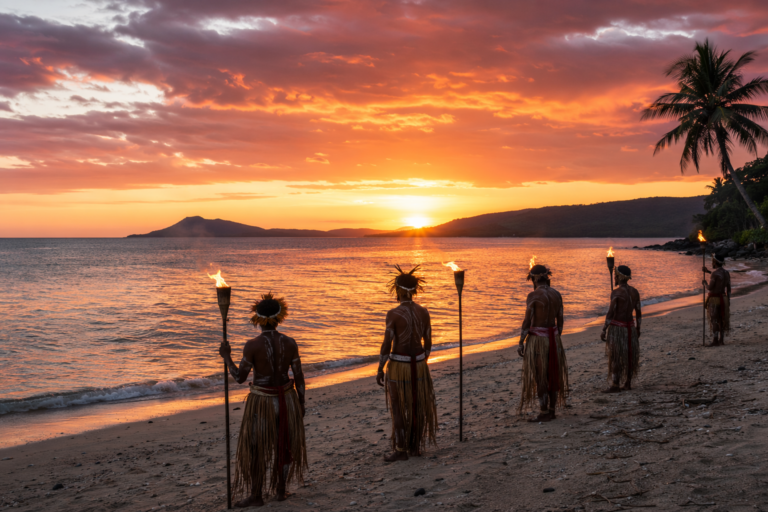
Coming of the Light is a big moment for Torres Strait Islanders in the Torres Strait.
-
The Light remembers the arrival of Christianity at Erub Island with help from the London Missionary Society.
-
People celebrate in July every year. July 1st is the day for this event, tied to when it all happened at Erub.
-
Reverend Samuel Macfarlane is a key part of this story and what it still means to the people there.
-
For many families, Coming of the Light brings faith, memory, and the community together in Australia.
-
This celebration also shows how those island communities made their own way and brought change.
Introduction
Across Australia, there are a lot of people who do not know much about the Coming of the Light, even though it is very important for the people from the Torres Strait. This day happens every year and remembers a big moment in the history of the Torres Strait. It still shapes the way people see themselves, what they believe, and how life goes in the community. If you want to understand why the Coming of the Light is such a big deal, it’s good to see where it sits in the life of the modern islands. The story here is not just about religion. It’s about change, memories, and how the Torres Strait Islanders worked as one when big things happened.
Understanding the Historical Importance of Coming of the Light
In the Torres Strait Islands, the Coming of the Light is a key event in the way people see modern life on the islands. People often talk about it as a turning point that helps show what happened in the area’s recent history. So, this event still matters a lot.
The heart of the story is the London Missionary Society and Reverend Samuel Macfarlane. When they came, they brought Christianity to the local people in the Torres Strait. But the story is not only about the work of the missionaries. It is just as much about what the islanders did, how they responded, and the start of change that shaped the way the community lives today. These changes helped shape systems, beliefs, and the way people in the Torres Strait Islands came together. The next parts will talk more about how all this came to be.
The Arrival of Christianity in the Torres Strait Islands
The arrival of Christianity in the Torres Strait is often called the Coming of the Light. In 2021, people marked 150 years since the London Missionary Society reached Erub Island, which you may also know as Darnley Island. This day is seen as one of the most important times in the history there.
What makes this moment even more special is how it links to the big mission wave that swept across the southwest Pacific. Reports confirm the London Missionary Society came with South Sea Islander church people and those who wanted to spread the message of Christianity. Their goal was clear—to let others in the torres strait islands know about Christianity. For torres strait islanders, this was a turning point in their modern story.
But there is more to it than outsiders coming in. This is also about how the local communities of Erub and other islands met them, and what happened afterwards. Since then, the coming of the light has been tied to changes in education, how people live by the law, how villages are managed, and many things people do each day.
Reverend Samuel Macfarlane and Missionary Influence
Reverend Samuel Macfarlane was with the London Missionary Society and is closely linked to the Coming of the Light in the torres strait. He was the leader of the group that arrived at Erub in 1871. With him were other london missionary society clergy and south sea islander evangelists.
His part in the story is important. He shows how the organised missions came to the torres strait. With their arrival, the light of christianity came in a formal way. Now, people celebrate this as the anniversary of the coming of the light. When people talk about it, they always mention his name.
But the story isn’t just about Macfarlane or the missionaries. The records also talk about island leaders who met the missionaries and decided how to respond to them. This is an important thing to remember, because the meaning of the event comes from both what the missionaries did and what the torres strait islanders chose to do.
Why July 1st? Origins of the Coming of the Light Celebration
July 1st is the date that people use to remember the anniversary of the Coming of the Light in the Torres Strait Islands. This day is marked every year on July 1. It is linked to when Reverend Samuel Macfarlane landed at Erub.
So, why does July 1st mean so much? The date reminds everyone in the Torres Strait of that key moment and the big changes that came next. For the Torres Strait Islanders, this date is not picked for no reason. The day holds memory, faith, and it marks the start of something new. The next two sections will look more at what happened on that day and how people at the time felt about it.
Key Events Leading to the Celebration Date
The celebration date links back to one remembered event: the landing at Erub Island by the London Missionary Society party led by Reverend Samuel Macfarlane. Over time, July 1st became the anniversary of the Coming of the Light, giving communities a fixed date to honour that turning point.
You can see the sequence simply in the table below.
|
Event |
Why it matters |
|---|---|
|
Mission group anchored at Erub Island |
This is the historical moment remembered through Coming of the Light |
|
Christianity was introduced |
The arrival of christianity shaped later faith and community life |
|
July 1st was kept as a yearly observance |
The date became the anniversary of the coming of the light |
Because of this chain of events, July 1st carries both historical and spiritual meaning. It is not just a date on a calendar. It is the point used to remember how the Torres Strait entered a new phase of recorded modern history.
Early Responses from Torres Strait Islander Communities
Early responses from Torres Strait Islanders were shaped by local leaders. There is info that points to Dabad, a Warrior Clan Elder from Erub, who welcomed the London Missionary Society clergy and teachers. He did this in defiance of tribal law. That shows just how serious and important this decision was.
The acceptance of missionaries by the Torres Strait Islanders was not just passive. It was a planned and thoughtful move. As Robert Tommy Pau said, Dabad, Amanie, and Abe saw the worth in what the London Missionary Society brought. This happened when there was lots of commercial exploitation, abuse and control by others. The clan elders acted because they wanted to look after their people.
But the change also came with some costs. The compiled information talks about how traditional language and the old ways of sharing knowledge faded out a lot, more so with new things like television. So, while the arrival of Christianity was helpful in some ways, it also disrupted some of the Torres Strait culture.
Cultural Traditions and Modern Ceremonies in 2026
In 2026, the Coming of the Light festival in Torres Strait is about both honouring what happened before and living those moments now. The Torres Strait Islanders use this time each year to remember, share their faith, and mark this day with everyone, which shows the coming of the light means a lot to the community.
The information we have does not share each part of the ceremony, but it does make it clear that the festival is tied to Christianity, church services, and stories the Torres Strait people keep telling. There are old customs that still shape how people talk about the coming of the light. You can see these parts in history, art, and the daily life of the local community today.
Traditional Customs, Feasts, and Re-enactments
The information we have does not show a full ceremonial program. So, it is best to talk about only what is clear. We do know that this event happens every year in the Torres Strait. It is linked to Christianity. People remember it with stories, art, and things that happen in churches across the Torres Strait Islands.
From what is given, the key traditions are:
-
Holding church services each year to mark the arrival of Christianity
-
The community coming together to remember the landing at Erub
-
Sharing stories connected to memories and local history
-
Showing the story through prints and paintings
This all means that the Coming of the Light is more than just a date. It is a shared act where people in the Torres Strait remember together. Even if some details change each year, both community customs and public events help the story stay alive for new generations.
How Communities Celebrate Today
Today, community members mark the Coming of the Light festival by remembering what happened on July 1st and what it means for Torres Strait Islander people. The stories gathered show that the Coming of the Light is not just a thing of history. It is still an important day every year for people in the Torres Strait.
These days, the festival is seen in the way there are church services, anniversary gatherings, and moments to reflect on culture. There are things like public exhibits too, such as the 150th anniversary in 2021, showing the community finds new ways to think about the coming of the light. This makes the commemoration a time to share both faith and learning.
The people also keep this festival alive by sharing memories. This happens through art, stories passed down, and talking as a group. Artworks and personal tales help everyone feel how their past shapes who they are now. The way people observe may change, but the heart of the coming of the light in the Torres Strait is still strong today.
Impact on Torres Strait Islander Culture
The impact on Torres Strait Islanders was strong and went on for a long time. When the adoption of Christianity happened, the people in the Torres Strait did not see it as outside their own way of life. The Light, and the Coming of the Light, were part of how many saw change in the community, history, and how they shaped their spiritual life.
But the cultural effect was not only new and good, it was also mixed. The facts show the event had to do with growth with big groups and institutions. Still, it also shows that the old traditional language and ways of shared knowledge in the community got weaker. In the Torres Strait, that balance is important. In the next parts, we will talk more about spiritual beliefs and how the people in the Torres Strait feel about who they are.
Changes in Spiritual Beliefs and Practices
The Coming of the Light changed how the Torres Strait Islanders viewed faith by bringing Christianity to them. Over time, the adoption of Christianity was clear for all to see and helped shape how people in the torres strait showed faith together and out in public.
The information given here does not cover every step from one church group to another, but it does show that Christianity, and the anglican church, became a big part of life in the community. Things like church services and the yearly celebration show that christianity kept its place even long after the first people arrived with it.
But, the new way of faith was not just a swap from old to new. The people in the torres strait remember the event through stories from their families, things that have been said out loud for many years, and their own ways of seeing what happened. This tells us that belief changed inside the community and was not just a set of lessons taught to them by outsiders.
Shaping Identity Through Faith and Community
For many people in the Torres Strait, faith became a part of their identity after the Coming of the Light. The information shows this event as a big moment in history. It shaped how people in the Torres Strait saw themselves when the world was changing.
People in these Torres Strait Islander communities did not just react to outsiders. Leaders made their own choices about what contact with missionaries would mean for everyone. That is important. It puts the culture of Torres Strait leaders and their thoughts at the centre, not in the background.
Because of this, faith and the local community grew close. People remember the Coming of the Light every year. They share their own history, and they show their beliefs in public. All these things help keep their community strong. People in the Torres Strait learnt who they are from both their beliefs and from the memories they share together.
The Relationship Between Islanders and Missionaries
The link between Torres Strait Islanders and the London Missionary Society started with first contact. There was a welcome, but also deals made between people. The missionaries were not the only ones who came at that time. South Sea Islander evangelists and church leaders were also there in those early days.
What happened next was a mix of working together and dealing with what came after. People agree that there was acceptance, some safety, and new things happening. But they also know that there was loss too, especially when it comes to traditional language. This is why the bond between torres strait people and the london missionary society is not just simple. The relationship went both ways. The next parts will tell more about this balance and what it meant.
Collaboration and Challenges Over Time
There was clear teamwork early on between Torres Strait Islanders and missionaries. A good example is when Dabad on Erub welcomed the London Missionary Society clergy. This let them stay and work in the community.
This teamwork is shown in later changes in the area. Robert Tommy Pau says accepting missionaries helped make the region better. He says things like schools, government, markets, and law and order grew stronger because of this. So, working together had real results.
But there were still problems as time went by. Changes in culture did not happen without some loss. The writing says less oral knowledge was shared, and the traditional language started to go away. So, when missionaries came from the London Missionary Society, there was both working together and pressure on old ways of life for the Torres Strait Islanders.
Ongoing Legacy in Contemporary Society
The legacy of this relationship is still seen in Australia today. Every year, Torres Strait Islanders and others mark the coming of the light. This shows that the first meeting between missionaries and the Torres Strait Islanders is still important in both public and personal life.
You can also spot this legacy in how people read the event now. The 150th anniversary of the coming of the light was honoured with exhibitions, artist words, and time for the community to look back. So, people are still talking about the story, not just telling it the same way each year.
For many, this ongoing legacy helps us see how modern Torres Strait history started. The information pulled together shows the anniversary of the coming of the light as a way to think about this history. Because of that, it still matters in what we say about faith, change, and who we are today in Australia.
Public Recognition and Commemorative Events Across Australia
You can see how the Coming of the Light is recognised in Australia with events, anniversary ceremonies, and displays that help more people learn about Torres Strait Islanders and their story. The information brings up a strong example with the big 2021 150th anniversary exhibition.
There is no sign of a national day off for this, but it is clear that special events happen around July 1st. There are also community programs that happen at the time of the anniversary. These ways of marking the date help people all across Australia know about the Coming of the Light. The next parts look deeper into things like exhibitions, the media, and art that show what this day means to the Torres Strait people.
[torres strait,the light,the coming of the light,torres strait islanders,july,australia]
Special Events and Educational Exhibitions for Coming of the Light
One of the best educational exhibitions for the anniversary of the Coming of the Light was Torres Strait Enlightenment: 150th Anniversary of Coming of the Light. It ran from 1 July to 28 August 2021 at NorthSite. This show gave people a way to learn about the history of Torres Strait Islanders. It also helped people find meaning in this big moment.
The exhibition gave several resources and had special events:
-
artworks by Robert Tommy Pau that tell the story of the event and what came after
-
a brochure about the exhibition and a full statement from the artist for more learning
-
a special talk for the public that brought art, history, and memory together
With the information here, people get answers to two common questions. First, yes, there are ways to mark this event in Australia. Second, yes, people can go to educational exhibitions that show what it means. These events use public storytelling instead of textbook facts to share the story of the Coming of the Light in the Torres Strait.
Media, Films, and Artistic Representation
The information here gives strong proof that this is about art more than movies. In Australia, people see The Coming of the Light using visual art. These works take ideas from Torres Strait history, stories people tell, and the thought that learning about the self brings change in life.
Robert Tommy Pau’s art gives a good look at how the event is shown today:
-
Prints and paintings show the event as a key part of modern Torres Strait history.
-
Exhibition pieces tell the story through how island people see things and talk about the past.
There is no film title or screen work given in the details here, so we can’t say there is one for sure. What we can say is that, with public arts shows, talks from artists, and exhibition programs, the story of The Coming of the Light is shared with many people in and outside of Torres Strait and Australia.
Conclusion
To sum up, the Coming of the Light is a big event for Torres Strait Islanders. It’s about more than just the arrival of Christianity in the Torres Strait. This day shows the strength of the people and how their beliefs and the way they do things have changed over time. When July 1st comes, it is important to keep honouring the history and the spirit by joining in both old ways and new ways of marking the day. Taking part in these events is a good way to see what the culture of Torres Strait Islanders is about. It also helps people understand the journey they went on with the missionaries and how things have shaped up today. If you want to learn more about the Coming of the Light or get involved, you can go to public events or exhibitions in July. This is a great way to know more about the coming of Christianity and how it changed life in the Torres Strait.
Frequently Asked Questions
What does “Coming of the Light” mean for Torres Strait Islanders today?
For Torres Strait Islanders now, the Coming of the Light is about looking back at when the light first came to Erub. This was a big moment that changed faith and the way people live together in Australia. People keep the memory alive with church services, thinking about it every year, and telling stories so everyone can remember. This goes on across many years as the coming of the light stays important for all.
Are there public holidays or special days for Coming of the Light in Australia?
The information tells us that Torres Strait Islanders celebrate July 1 each year as the anniversary of the Coming of the Light in Australia. There are special events and exhibitions for the day. But the information does not say if this day is a public holiday. The Torres Strait Islanders use this time to remember the light that came to their land.
How can people participate or learn more about the celebration?
People can find out more about the Coming of the Light festival by checking out educational exhibitions, artist statements, and public media that talk about Torres Strait history in Australia. There are also community-based events, anniversary programs, and resources at exhibitions. These can give people good ways to understand the coming of the light festival and show respect for it.