Key Highlights
-
World Population Day takes place on July 11th every year. The day is there to help people know more about world population and big problems to do with how many people there are.
-
The United Nations made population day to shine a light on global population issues and the hard things the world has to face as it grows.
-
The latest population data shows that there will be about 8.2 billion people in 2025.
-
The patterns of population growth are shifting now. This is because birth rates are going down and life expectancy is going up in many countries.
-
The day is also there to tie in things like population issues and sustainable development, health care, and climate change.
-
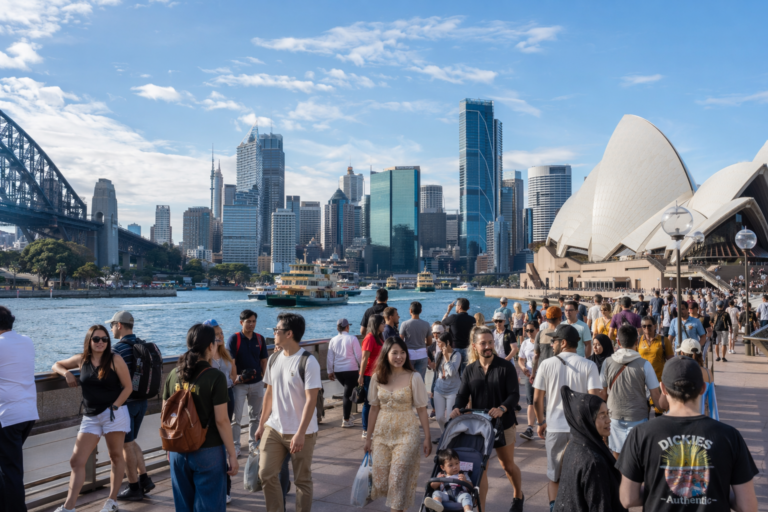
In Australia, this annual event is a good time to talk about what matters most at home, including things that affect young people.
Introduction
World Population Day 2026 is a good time to stop and look at how the world population is changing. It helps you think about why this is important to your life. This day is led by the United Nations. The day draws attention to population issues. These issues can affect health, planning, services, and how we build for the future.
World Population Day isn’t just about counting people. It is more about looking at how things change, what people choose, and what they need. Here in Australia, thinking about the world population and these issues made clear by the United Nations can help you get a better idea about our own big questions about people and growth.
Understanding World Population Day 2026
World Population Day happens every year. This day helps people look at world population numbers and the big issues we all face as the number of people grows. It gives us an easy way to go over global population data, birth rates, and how population numbers change over time.
The United Nations uses population day to get more people thinking about population issues. This includes population growth, getting older as a group, and changes in the number of babies people have. In 2026, it’s important to know what this day is for, when it started, and the reason people set it up.
Purpose and Significance of the Observance
The main goal of World Population Day is to help people understand population issues and why they matter in our daily lives. This annual event asks us to look at more than just world population numbers. It wants us to think about how these numbers change our world and what they mean for the way we live.
This includes thinking about things like birth rates, how many older people there are, changes in how many children people are having, and how the number of births and deaths match up. These trends change how much we need things like health care, schools, and many other important services. They also help us look at how to get ready for the future.
For most of us, the meaning of population day is pretty clear. It makes world population questions part of a talk that everyone can join. When there is more awareness of population issues, it helps governments, organisations, and all people see better ways to meet the changes of the time and to make the most of the good things that can come with new trends.
Date and Global Celebrations
World Population Day is held every year on July 11th. This annual event has been going on since 1990. It is a time for people across the world to think about the state of the world population and see what pushes population to change.
Nearly every year, countries and groups get together for population day. They use this event to share new population data. Many will also publish updates to show changes in world population. It is common to highlight key population trends as well. You might see new data tools, awareness drives, and official messages shared during this annual event. Things like the World Population Clock and fresh population estimates are often talked about at this time.
The main aim of July 11th each year is not for people to just have a party. This day pushes for real talks about big topics. People can use this time to compare births, stops, and population growth. The day also makes it easy for groups to show why world population trends matter for new plans, with real facts and data.
These moments help us look at the ways that population growth shapes the world we live in.
Why the United Nations Established World Population Day
The United Nations set up World Population Day to get people talking about world population growth and other big population issues. The aim was to have a set day that gets everyone thinking about how changes in the number of people can shape life and growth everywhere.
This idea first came from the governing council of the United Nations Development Programme. They picked the date and later held the first big events in 1990. Since then, people use the day every year to help others know more about changes in the world population.
The day is still important now because world population growth comes from changes in birth rates, number of deaths, and some other things that happen over many years. When you see different trends, the United Nations system uses population day to help people learn, get better plans, and deal with global population issues in a smart way.
The 2026 Theme and Its Relevance in Australia
Every year, World Population Day often gets more notice because of its theme. This theme helps people start a public talk about the big issues. For 2026, the information given here has not listed any official theme. So, it is good to not guess one.
Still, even if there is no set theme, population day shines a light on world population issues. People look at things like population growth, changes in births, more older people, and how these world changes shape development. In Australia, we can use this world focus to think about our own situation, which we will talk about in the next parts.
Announced Theme for World Population Day 2026
Right now, the blog says there is no set theme for World Population Day in 2026. That is important. It is better to give the right news than say there is a theme that the United Nations or other big groups have not said is true.
Still, you can see the topics that matter the most when the talk is about world population and population day. You get things like population growth, drops in fertility, changes in death rates, and the way we all get older. These are the things many people and groups look at now. These are also the things big groups use when they tell everyone about changes in how many people live on earth.
So there is not an official theme for 2026 at this time. But you can see the bigger line of thought. World population and world population trends still make us think about growth, how we plan things, and what people need. Population day is still full of meaning and big ideas. This is true even without a set theme from the United Nations yet.
Australian Context: Local Priorities and Community Focus
For Australia, the information we have is not about local population trends or a special national topic. But, the global population information can be a good place to start when you think about what matters here. It gets people to ask how large changes in numbers, ages, and groups of people can shape planning, services, and help for young people.
You can put the focus on the community by starting with some simple questions. What do these changing population trends mean for what people need in the future? How can we talk about things like global population in a fair and open way? Where do things like family planning and the need for good, clear facts fit in?
-
Use global population trends to start talks about local needs.
-
Help young people understand how changes in people’s numbers and ages shape future plans.
-
Make sure family planning is a key part of talks about making good choices.
-
Keep local goals tied to strong data on population issues and help people understand what the facts mean.
Exploring Population Trends and Key Issues
Recent population trends show that the global population keeps growing, but not all in the same way or at the same pace. In 2025, the global population hit about 8.2 billion. That’s up from around 3 billion in 1960. The numbers are set to keep going up for the next few decades too.
But when you look closer, you see birth rates have come down in many places. Death rates have changed as well, and there are spots where people are getting older as a group. This is where the demographic transition model steps in. It helps make sense of how population issues can change over time. It also sets the stage for some key trends and challenges to watch out for.
Recent Global and Australian Population Trends
Global population trends point to strong long-term growth alongside major demographic change. The world population was about 3 billion in 1960 and around 8.2 billion in 2025. United Nations projections suggest it could reach 9.6 billion by 2050. At the same time, global birth rates have declined from much higher historical levels.
The compiled information does not include Australia-specific population estimates, so a precise Australian comparison is not possible here. Still, the broad global pattern is clear: lower birth rates, changing age structures, and slower natural increase are now central features of demographic debate.
|
Measure |
Figure or trend |
|---|---|
|
Global population, 1960 |
About 3 billion |
|
Global population, 2025 |
About 8.2 billion |
|
Projected global population, 2050 |
About 9.6 billion |
|
Crude birth rate, 1965 |
Around 35 per 1,000 |
|
Crude death rate, 1965 |
About 13 per 1,000 |
Key Challenges Addressed on World Population Day
World Population Day puts the spotlight on population issues that link to big challenges around development. The information collected shines a light on how things like changing birth rates, how long people live, people getting older, and differences from one place to another can have big impacts. These are not just random numbers. They shape how we plan, the services people need, and what needs to be done for good, long-term growth.
What comes up often in these talks is the need to look at reproductive health, gender equality, and if people can get good, clear information. Changes in how many children people have and how age groups shift make a difference in health care, schools, and whole countries’ money matters. That’s why, every year, World Population Day brings us back to these big ideas.
-
Reproductive health and getting good information
-
Gender equality and making sure women get an education
-
Linking larger changes in people’s lives to lasting development
-
Differences in birth rates, ageing, and population growth in different places
World Population Day’s Role in Promoting Sustainable Development
World Population Day is important because population growth and change have a direct effect on sustainable development. The United Nations uses this day to show how world population numbers are linked to other big challenges. These include the need for more services, the care of older people, and making plans for the long term.
This day also helps people understand that population issues are not separate from other things the world faces. They are tied to climate change, health care, and the way the economy goes. If you want to know more about how all these connect, look at the Sustainable Development Goals. These matter for the future and what they mean for Australia.
Link to the Sustainable Development Goals (SDGs)
World Population Day connects to sustainable development because changes in the world population affect how people get what they need and plan ahead. When population growth goes up, people age, and fewer babies are born, this changes what people want, like schools, health care, homes, and services. That’s why these things matter to the SDGs.
Inside the United Nations system, using population data helps people see how global issues change as time goes on. If the number of births stays higher than deaths, the population grows. If more babies are not being born and life expectancy goes up, the age groups shift. Both these changes affect how sustainable development gets done.
It’s simple for you as a reader. When you know more about population growth, it helps you make better choices. World Population Day makes the SDGs look at the world through a “population lens,” showing that what countries do about changes in the number of people and their ages affects the progress we make on development goals.
How Population Issues Influence Australia’s Future
The information gathered does not give a complete profile of the Australian population. So, it is best not to make too many claims. Still, the global trends talked about help us think about the challenges ahead for Australia. Population issues like ageing and changes in birth rates can matter for planning in any modern country.
These changes have an impact because they shape economic development and the needs of health care over the years. As people get older, what the country needs from health care can shift. When there are fewer births, there may be new questions for the workforce and school numbers later. That is the reason that tracking population issues in public is important.
For Australia, the main point is not to look for a set prediction. It is to keep an eye on these population issues. Global evidence tells us that when populations change for a long time, they can shift national goals slowly but strongly. So it is good to plan early for what our country may face next.
Marking World Population Day in Australia
In Australia, people can mark World Population Day with open talks, sharing information, and easy learning tasks that bring local groups closer to world population issues. This day works best when big trends about the global population are made simple, clear, and helpful for the community and young people.
Official messages are important here, too. Most statements for population day come from groups like the United Nations and other places that keep an eye on world population numbers. Schools and people in the community then use these ideas to talk and think more about these global population issues.
Official Statements and Leading Voices
Official messages on World Population Day mostly come from big groups, such as the United Nations, that work with world population data and development. The United Nations is the main group running this event. Other big data groups also share population information at this time.
People in Australia might wait for messages from the Australian Government, groups in the community, and well-informed public figures. The list we have does not name any Australian speakers, but it makes clear that population issues reach more people when these groups talk about them in a clear way that everyone can understand.
It is also good for more people to speak on this topic. For example, a youth activist can help young people connect with the issues, and religious leaders may share views from their communities. Simple, honest statements help everyone in the country see, talk about, and make sense of complex population issues on population day.
Educational Activities and Events for Communities and Schools
Schools and communities can use World Population Day to help people learn more about global population issues. You can do this in real and simple ways. The material that is collected talks a lot about population data, birth rates, changes in death rates, and how the ages of people in the world are split up. These topics can be turned into easy lessons for people, students and all.
It is good to focus on making things easy to understand. We should not give too much at once. What does it mean when birth rates change? How can older people in the world change the way towns plan ahead? Why does it matter that places are not the same? These are questions you can use. They help students see how global population issues link to things that happen around them, like school enrolment and the need for things in the future.
-
Run talks in class using the latest global population data.
-
Ask students to look at and check out birth rates, death rates, and population estimates.
-
Make posters that show demographic transition in easy stages.
-
Hold community talks that help everyone get more awareness of global population issues.
Conclusion
To sum up, World Population Day 2026 is very important because it helps us think about world population and how it shapes sustainable development. As we mark this day in Australia, it is good to talk with our local communities, teachers, and leaders. We all need to make people more aware of what is going on with population trends and challenges.
The theme for this year is a great chance for us to stop and think. It also means we can do something about it. We want everyone to know what is happening, so they can be part of a better future. When people in Australia join in with events and activities, it helps start important talks that can guide what our country should care about.
Let’s join together to see why this day matters. It will help shape our society for the better.
Frequently Asked Questions
Who started World Population Day and why?
World Population Day began because the governing council of the United Nations Development Programme wanted it. The United Nations set up population day to help more people know about world population, and how it can change. It is also about how global population change can affect development, planning, and how the public in each place understands population issues. This day helps raise awareness of population issues everywhere.
How is World Population Day observed in Australia?
In Australia, people can mark population day with things like learning sessions, sharing population data, talking about the topic in public, and having community events. The goal is to make it easy for everyone to understand population issues and relate these ideas to the world, the local area, and what comes next.
What are some effective ways to raise awareness on population issues?
Some good ways to raise awareness of population issues are to run educational things in schools, put on community events, show easy-to-read data, and talk about population trends. When young people are involved, the ideas feel more real, and people find it easier to understand what is changing in the population.