Key Highlights
-
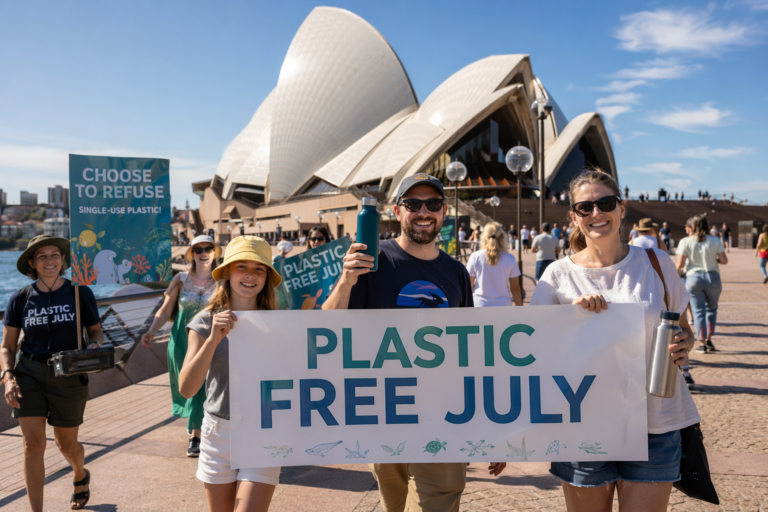
Plastic Free July is a plastic free challenge that began in Western Australia, and now it is a global movement.
-
You can be part of the solution by saying no to even one single-use item in July, then cutting your plastic waste bit by bit.
-
The campaign is about lowering plastic pollution from things like everyday packaging and other throwaway stuff.
-
Aussie councils, schools, businesses, and families can all take part in this and make a difference.
-
The Plastic Free July website, posters, workshops, and the pesky plastics quiz all help people get started.
-
Local events give people a good way to take part in their community.
Introduction
Plastic Free July 2026 in Australia is a good chance to stop and think about the things we do that make plastic waste. The plastic free july challenge is easy to start. You only need to say no to one single-use plastic item for a whole month. These new habits can last longer than July if you keep going. This idea first started in Western Australia. Now, people all over the world take part. If you want to start being plastic free in a simple way, this challenge is the way to go. You get clear steps, lots of help, and a good reason to start now.
Understanding Plastic Free July 2026 in Australia
Plastic Free July 2026 in Australia is all about picking one plastic free thing to do and keeping at it for the whole month. You might say no to a takeaway cup, bottled water, or some other one-time use thing you use most days.
This idea started in Perth. Now it is a global movement that happens in over 190 countries. The goal is simple. It’s to bring down plastic pollution so people can have cleaner parks, rivers, and oceans. This also helps make our communities more beautiful. To see what this is about, it’s good to start with the basics and what this campaign does.
What is Plastic Free July and Why Does It Matter?
Plastic Free July is a campaign that asks you to say no to one single-use plastic item for the month of July. It started in Western Australia. Now, it has become a global movement in more than 190 countries. The idea is simple, and that is why many people join in.
You can be part of it by picking one plastic item to go without, like a single-use coffee cup or a water bottle. Make a pledge to stick to your choice for the whole month. The Plastic Free July website has tools that can help, like the pesky plastics quiz, calendars, and tips you can use in everyday life.
The good thing is you do not have to do everything straight away. Just start small. Plastic Free July makes it easy to be part of the solution and build better habits that can last long after the month of July. Taking things step by step is what makes this campaign special and helps give it real meaning.
The Impact of Plastic Pollution in Australia
Plastic pollution leads to damage you can see, and it sticks around for a long time. In Australia, about 15.9 percent of all plastic packaging gets recycled. The rest is usually sent to landfill or leaks out into the world. More than 75 percent of rubbish picked up on beaches is plastic, which shows how big the plastic pollution problem is now.
This problem spreads and hurts marine life. That’s because every year, a lot of plastic goes into our rivers and oceans. Some pieces of plastic take more than 1,000 years to go away. As they break down, bad chemicals can get into the environment. This is one reason many people now worry about human health when it comes to plastic waste.
Plastic Free July works to reduce the need for single-use plastic products. In 2025, close to 174 million people joined in across the world. Together, they helped stop 290 million kilograms of plastic waste from being created. When we all work together and change little things, it’s clear we can cut down plastic pollution in a big way, especially from plastic packaging.
Getting Started: Essential Resources for a Plastic Free July
Starting a plastic free month can be easy when you have the right help. The plastic free july website is there to support you. It has a free calendar you can download, the pesky plastics quiz, and tips to help you cut down on plastic during July and after.
You can also use info from Australian councils and Sustainability Victoria. They give out posters, tips for bins, and some easy ways to bring in sustainable practices. These tools are good to help you shop, keep your food, and handle waste in a better way. When you know what supplies or help you can get, it becomes much easier to take your first steps into a plastic free life.
Must-Have Supplies and Tools for Beginners
You do not have to change your whole life to get started. A few simple things can help you avoid the plastic packaging you often see. They also cut down on your plastic footprint in daily life. The idea is to make the better choice easy for you.
Start with what you will use most when you shop or get takeaway. If you bring your own cup or bags, you can stop waste before it starts. These good choices will soon feel natural.
-
A reusable coffee cup for takeaway drinks instead of one-use cups
-
Reusable shopping bags for groceries, market shops, and short trips
-
An own cup for use at places that allow it
-
Reusable containers for food, where shops let you use them
-
A quick reminder list so you do not leave things at home
These simple items suit anyone new to the game. They fit easily in your day. When you use them a few times, they feel part of how you get about.
Where to Find Australian Guides, Apps, and Local Support
If you want solid help in Australia, start by using official info that councils and campaign groups already put up. The plastic free july website is the best place to go for guides, a calendar you can download, and the pesky plastics quiz. Local councils also share easy tips and ideas to help you take action every day.
Help is not only from websites. There are workshops, posters, waste guides, and things like council newsletters that let you stay in the loop and get local help.
-
The Plastic Free July website for calendars, quizzes, and campaign information
-
Council pages with posters, pledges, and lists of local events
-
Sustainability Victoria for handy tips and things that focus on reusables
-
Local bin and recycling guides so you can get waste sorted the right way
-
Council e-newsletters to know about workshops and activities in your area
All these guides and things make going plastic free feel much easier. You do not have to guess what comes next. Just use local advice, follow along with support around you, and build habits for July and beyond.
How to Participate: A Step-by-Step Guide to Going Plastic Free
Plastic Free July is easier when you start with small changes that suit your daily life. You do not have to plan everything out to be part of the movement. You only need one thing to get started and a good reason to keep going.
Taking things step by step helps you see your own habits. You can swap out key things and bring others in with you. This helps you stick with your choice and feel like you are part of the bigger plastic free push. Here is how you can turn a hope into real action, in a way that works for you.
Step 1: Identify Single-Use Plastics in Your Daily Life
The first thing you need to do is find out where single use plastic comes up the most in your day. A lot of people use these items without even thinking, like when they’re busy, going somewhere, or grabbing food quickly. When you start to see repeats, it gets much easier to make changes.
A fast check of yourself can show you where your plastic consumption is highest. The pesky plastics quiz on the campaign website helps you spot where your plastic footprint can get smaller.
-
Keep an eye on takeaway cups, drink bottles, and shopping bags
-
Notice how often you buy things that come in extra plastic packaging
-
Think about what you toss out at work, at school, or when you’re in the car
-
Do the pesky plastics quiz to find the biggest things to change
-
Pick just one thing to say “no” to first, instead of doing it all at once
This is a good step because it gives you somewhere clear to start. You don’t have to feel bad about waste. Instead, you can make one good choice with plastic, and then build on that.
Step 2: Make Simple Swaps with Sustainable Alternatives
After you know what things make you waste the most, pick swaps that are simple and that you can do often. The best sustainable practices are the ones that are easy to follow every day. These save you effort, cut plastic waste, and fit right in with the things you already do now.
Think about what you use every week. If you swap just one or two things, you can start small changes. These small changes often last long after July ends, and your routine will feel more easy to manage.
-
Carry reusable shopping bags so you don’t need a new bag every time you go out
-
Bring your own cup for coffee or for any takeaway drinks
-
Use a refillable drink bottle instead of buying bottled water each time
-
Choose reusable containers when shopping or picking up food
-
Keep your reusables close by, like near the door, in your car, or in your work bag
These swaps help because they mean that you don’t have to buy throwaway stuff all the time. This makes each day easier for you and also helps you keep up with your progress.
Step 3: Engage Your Family, Friends, and Workplace
Doing Plastic Free July with other people can be more fun and helps you stick with it. If your family, friends, or people at work know what you are trying to do, they can give you support. It is much better to have friends or family back you up rather than make things harder. When the group joins, everyone builds better habits together.
A workplace can help by asking staff to take some simple steps. This can be using less packaging, trying more reusable things, and taking a pledge. Councils already help schools, shops, and different community groups be part of the change. So, the setup for this is already there. Your group at work can have a workshop to talk about ways to shop, keep food, and get meals ready with less plastic.
Social media is a good way to show and share how you are going plastic free. It is good for keeping people in on the chat. If others see what works for you, they might try to be part of the answer. That’s how small everyday plans grow, and more people join up to be part of the solution for less plastic.
Tips for Success During Plastic Free July
Success during a plastic free month comes when you keep things simple. If you pick things that fit into your day, you will be more likely to keep at it. This can help you cut down on plastic waste without getting upset or stressed.
The month of July is a good time to try new habits. You can see what gets in the way and change things as needed. You do not have to get it all right every time. What is important is to see what works, do your best, and try to keep it up. This will help you keep getting better during July and after.
Common Mistakes to Avoid When Reducing Plastic
A lot of people get tripped up when they try to do too much too fast. This pressure can make staying plastic free feel tough. Plastic Free July is here to help you build routines that last, not to put an impossible target in front of you.
Another mistake many make is not being ready and organised. If you do not have your reusable things close by, it’s easy to slip back into using too much plastic, especially when you are busy. Planning can make a big difference.
-
Trying to cut out every bit of plastic straight away
-
Picking swaps that do not actually fit with your own daily life
-
Leaving the house without your reusable bags, cups, or containers
-
Not following what your own local bin or recycling system asks for
-
Giving up if you have a setback, instead of just starting again the next day
If you miss a day, it does not wipe out all you have done. The best way is to see what happened, change up your plan, and try again. That is how good, long-term change that sticks really starts to grow.
Beginner-Friendly Tips for Staying Motivated
Motivation is much easier to keep when your goals are clear and you know you can meet them. Plastic Free July works because the focus is on one month and one step at a time. You can see if you are getting better quickly, and that helps you stay with it.
Remember this—small changes are really the aim of Plastic Free July. You are not being asked to do everything by yourself. You build good habits, and when heaps of us join in, a small change adds up to a big difference.
-
Pick one item to refuse and stick with it first
-
Use the free calendar for daily prompts and simple ideas
-
Take the pledge so your goal feels clear
-
Follow local events or workshops to stay inspired
-
Share your progress with family, friends, or on social media
Try to look at your progress, not getting it all perfect. If a new habit stops even a bit more waste each week, it is good to keep going. This mindset makes your motivation last all through July and after. Being a bit more plastic free fits into the way you live, and you see change happening.
Community Events and Initiatives Across Australia
Taking steps to be plastic free is easier when people around you join in too. In the month of july, councils and local groups set up chances for everyone to learn, talk, and try things together. With this local support, what starts as your own goal can soon be a habit for all.
Doing these things in july can help make parks, waterways, and other places much cleaner. You get to see how everyone working together can give you more beautiful communities. There are family sessions, market deals, and online workshops, so the ways to get involved go well past just what you do at home.
Local Challenges, Workshops, and Family Activities
Community events can make the plastic free july challenge feel more fun and more practical. Councils are already using workshops, market offers, and hands-on sessions to help people take action. That means you do not have to do this alone.
For families, local activities are a useful way to turn the topic into something children can see and understand. Workshops can also help adults with shopping, storing, and preparing food with less plastic.
|
Event or Activity |
Details |
|---|---|
|
Low Plastic Eating Made Easy |
Free online workshop on 2 July at 2:00 PM, hosted by Dr Amelia Harray |
|
Plastic Free Periods Made Easy |
Free online workshop on 7 July at 7:00 PM, hosted by Lucy Peach |
|
Free coffee at Dandenong Market |
Plastic Free July celebration activity linked to reusable habits |
|
Free Smarties for using re-usable containers and bags |
Market initiative that rewards practical waste reduction |
|
Turn Plastic Trash into Treasure |
Community event on 12 July |
|
Kids Microscope Mission: Plastic Patrol |
Family activity on 15 July |
These examples show how community support can keep the challenge active, social, and easier to sustain across the month.
How to Connect on Social Media and Share Your Progress
Social media is a good way to stay on track and get fresh ideas through Plastic Free July. There are no set hashtags or accounts listed here, but you will find that councils and campaign pages put out updates, details for workshops, and news on things happening in the community. If you follow these official accounts, you will keep seeing good ideas in your feed.
When you share your own journey, it can help others as well. You can make one easy post about a swap you tried, an event you went to, or even a tough moment. This shows others that action is possible. It helps more of us feel like we are part of the solution.
-
Follow official council pages to see all the latest on Plastic Free July in your area
-
Hop on the Plastic Free July website for campaign updates and links
-
Share one swap that you used in your daily life and that worked for you
-
Let people know about any workshops and other community events you took part in
-
Support your mates or workmates to take the pledge to go plastic free too
The best and most helpful posts are often the ones that are honest. Let people see what you switched, what you picked up along the way, and how you plan to keep some of those changes in your life even after July. When you do this, others will see that it can be done, and they might give it a go too. Now that is being part
Conclusion
Taking part in Plastic Free July 2026 in Australia is more than a challenge. It gives you the chance to help the planet in a real way. When you work to use less single-use plastic, you help fight plastic pollution. You also show others what they can do in their own home or neighbourhood. Every simple choice matters. You might swap a plastic bag for a reusable one, or get your friends and family to join you on this journey. That’s how groups of people start to make change, bit by bit.
Now is a good time to get what you need ready. You can take part in things run by people in your area. It’s also nice to share how you go on social media. We can all work together to keep it plastic free through July and beyond. If you want help or want to find out more, check your local place for events and read some guides. Enjoy living with less plastic!
Frequently Asked Questions
What are some easy swaps to start with in Plastic Free July?
Easy plastic free swaps are simple to do. You can carry your own reusable shopping bags, bring your own cup when you want takeaway drinks, use a refillable bottle, and pick reusable containers whenever you can. These small changes help to cut plastic waste, reduce extra packaging, and fit well with the way you live each day.
How can families and children get involved?
Families can get involved in the plastic free july challenge by taking part in family activities. There are market events and sessions for kids, like Plastic Patrol. Parents can talk with their kids about packaging choices at home. You can also share your progress on social media, so your children see how small steps help make more beautiful communities. This shows everyone how being plastic free in july can make a good change for us all.
How do I find community events near me?
Check the plastic free july website, the local council event pages, and the council newsletters during the month of july. You can often see workshops, market things, and other sessions in these places. The council pages linked to Plastic Free July, and the larger campaign, will be the best place to get updates near you.
What impact does Plastic Free July have on reducing plastic pollution?
Plastic Free July helps people lower plastic waste every day and cut down on their plastic footprint. This global movement around being plastic free has already inspired millions to join in. When all of us take action, we can see that group effort really does help reduce plastic waste and fight plastic pollution across the world.