Key Highlights
-
A Taiwanese wedding brings together the family, lots of meaning, and wedding traditions full of life.
-
The traditional Taiwanese wedding ceremony will often begin with the giving of betrothal gifts and choosing an auspicious date.
-
Family members are very important. They give blessings and take part in things like the tea ceremony.
-
Fun customs, such as door games, bring humour before the serious parts start.
-
The wedding banquet is a main event, where everyone enjoys symbolic foods to wish for good fortune.
-
Modern couples still keep the old customs, but they also add new ideas to match their way of life.
Introduction
A Taiwanese wedding is not just a big party. It is a mix of taiwanese culture, wedding traditions, and family rituals, filled with joy. Every part, from getting engaged to the last banquet, is about good luck, good wishes, and wanting a happy marriage. If you are from Australia and want to know what happens on the day, this guide will show you the order of things, what the customs mean, and why these things are so important to many couples and their families.
Wedding Traditions in Taiwan: A Complete Overview for Australians
The main wedding traditions in Taiwan often have betrothal gifts, picking an auspicious date, family blessings, tea ceremonies, bowing, and a big wedding banquet. These ways bring family members together. They show the start of married life with care and meaning.
A usual traditional taiwanese wedding ceremony also has some fun on the wedding day, like door games, after that are the main rituals for the new couple. For Australians, this can feel lively but also very respectful. The sections below walk you through each step. You will see how these wedding traditions are there to bring good fortune for all.
1. The Significance of Betrothal Gifts (Guo Da Li)
Guo Da Li is one of the main wedding traditions in Taiwan. This is the formal step where the groom’s family goes to the bride’s family. They do this to say the marriage plans are set. In the past, a matchmaker would help with this. Now, you might see a respected elder or family helper step in.
At this meeting, there will be betrothal gifts. These are a sign of respect and show that they are ready. The wedding gifts often be money, traditional cakes, and gold jewelry. There is also a cash offering called pinjin. This is to thank the bride’s parents for raising her. It also shows that the groom’s family is serious.
Guo Da Li is also about the two families talking together. When the proposal is agreed on, they talk about picking an auspicious date for the wedding. So, this custom is both useful and has special meaning.
2. Selecting an Auspicious Wedding Date
In Taiwan, the wedding date usually isn’t picked at random. Many families believe that an auspicious date can help have a happy marriage. This shows how traditional rules about marriage are still quite strong, even if modern couples plan things another way sometimes.
To choose the wedding date, most families use the lunar calendar. They may also ask a fortune teller or someone smart at the temple to look at the couple’s birth details and say what is a good time for the ceremony. Some dates are thought to bring good luck. There are a few dates people don’t want, so they stay away from those.
There are only a few auspicious days seen as ideal each year. Because of this, places for weddings can fill up fast. Even couples today, who leave out other old customs, often still keep this step. This shows that old ways and beliefs still have a big place in how we plan weddings now.
3. The Role of Matchmakers and Parental Blessings
Matchmakers used to have a clear role in weddings in Taiwan. They helped bring families together, gave out messages, and guided the couple with plans for the big day. Now, this is not as common, but sometimes a respected family friend or an older person will still help family talks go more smoothly.
Parents giving their blessing is still a key step. Marriage is usually seen as the joining of two families, not just two people. That’s why the support of parents and older relatives is still important. Their approval gives the couple confidence and helps keep things peaceful between both families.
Good wishes from family are more than just words. These blessings wish the couple a long life together, enough money, and calm at home. For many, it’s the support from a family friend that brings deeper meaning and makes the big day feel complete. Family support helps people feel happy and ready for this new step.
4. Traditional Taiwanese Wedding Attire for Bride and Groom
Wedding clothes in a traditional taiwanese wedding ceremony mean a lot. The bride now wears a white dress for part of the day, but the old-style outfit still shows up at the tea ceremony or the big meal. It brings the new couple and their families back to older ways.
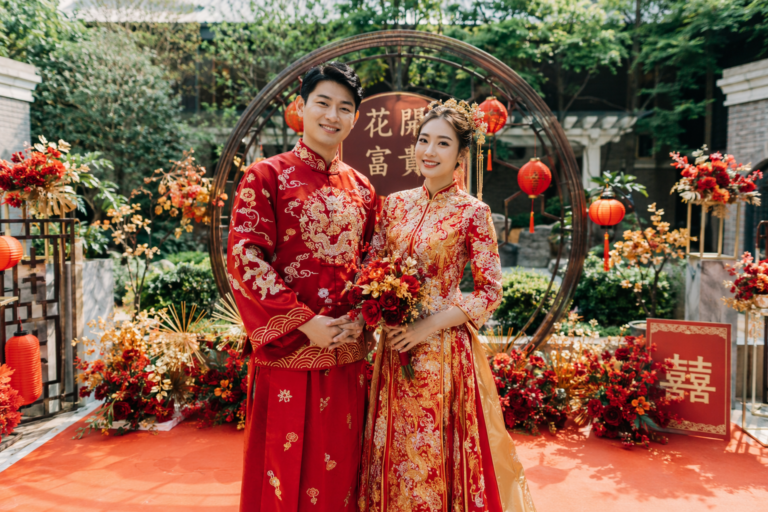
You will see a bride in a red dress like a qipao or cheongsam. For taiwanese weddings, red stands for joy, luck, and a good future in married life. The groom might pick a suit or put on a Tang-style outfit so he can match her style. Together, they look good and make the day quite festive.
The little things matter too. Gold jewelry is often a big part of what the bride will wear. Patterns stitched into the outfits can share messages as well. Dragons and phoenixes, for example, show the connection between the groom and bride. Other designs can show hope for wealth, beauty, and staying true to each other.
5. The Hair Combing Ceremony: Marking Adulthood
The hair combing ceremony often happens in the morning on the day of the wedding. It is a quiet part of the day before things start to get a lot louder. This is the time when the bride and groom get ready to start new life together as adults and partners.
Most of the time, the hair combing is done by parents or someone they look up to at home. The bride has her hair combed by a woman who is thought to have good luck in marriage and family life. As the comb moves through the hair a few times, people say good words and blessings for health, happiness, and getting on well together.
The hair combing ceremony is a big moment for the couple. Unlike the door games or the dinner party, this part feels calm and close. It gives older family members a chance to offer their wishes and hopes before the new life starts and all the events with the rest of the people begin.
6. Door Games and Groom’s Challenges
If you want to know about one of the most unique taiwanese wedding traditions, look at the door games. On the wedding day, the groom and his friends will come up to the front door of the bride’s home. But this is not easy, because the bridesmaids usually block the door and give playful tasks to get inside.
The jobs they pick are fun and light. These games check how much effort, sense of humour, and sincerity the groom shows. The games also help make a relaxed and happy wedding feel before all the big rituals start. Most times, the groom’s family need to finish these games and give over small red envelopes before they can walk in.
-
Answer questions about the bride or something from the couple’s story.
-
Sing, dance, or do funny things as asked right there.
-
Give red envelopes at each step to get past every challenge.
For guests, this is a good time. There’s lots of laughter and cheering.
7. The Traditional Wedding Tea Ceremony
The wedding tea ceremony is one of the most important parts of a Taiwanese wedding. At the tea ceremony, the bride and groom serve tea to their parents, grandparents, and other senior family members. This is how they show thanks and respect to the family in a clear and simple way.
The order does matter here. The couple will start with the oldest family members first. Then, they go down the line to the younger ones. When the elders drink the tea, they are saying yes to the new family member. It is a special part of the day because it welcomes a new person into the family.
Once the tea is served, elders often give their blessings and advice. Sometimes they give gifts like jewellery or red envelopes. This tea ceremony is more than just a tradition in a Taiwanese wedding. It is a warm welcome. It shows respect for the family. And it brings the new family closer together.
8. Bowing Rituals and Honouring Ancestors
Bowing rituals in Taiwan are full of feeling and meaning. People place great value on them in their culture. Before leaving home, the couple might stand in front of the family altar. They light incense and show respect to the ancestors. This connects the wedding to family history and everyone who came before them.
The first bow often goes to Heaven and Earth. The second bow is usually for the parents and ancestors. These actions show that marriage is not just a private thing for two people. It is tied to family, duty, and keeping the family going. The first bow and second bow are basic steps to follow as part of these old traditions.
A lot of families do this to show respect. They want to get blessings for the couple’s life ahead. Even now, when many weddings use new ideas, honouring ancestors remains one of the most important old traditions you see today.
9. Red Envelopes (Hongbao) and Symbolic Gift-Giving
At a Taiwanese wedding, people will bring a red envelope for the couple, not a boxed present. This red envelope, called hongbao, has cash inside. You give it to the hosts at the reception table when you get there. People say the red envelope brings good fortune and is a way to wish the couple well.
This way of giving gifts is not just about meaning—it is handy too. It helps cover the wedding cost and gives them a start now that they will be married. How much people put inside the red envelope depends on how close you are to the couple and how fancy the wedding is.
There are a few simple things to know:
-
People use even numbers in the envelope, not odd numbers.
-
Avoid using the number four, because in the language it sounds like “death.”
For Australians, it is clear. When you give a hongbao, you show your best wishes, and help out in a good way.
10. Wedding Banquet Festivities and Special Foods
The wedding banquet is often the biggest and busiest part of the celebration. Held in hotels, banquet halls, or community settings, it can include a very large guest list. The mood is lively rather than quiet, and the focus is strongly placed on sharing food.
A banquet usually features many courses, often around ten to twelve. The couple may move from table to table greeting guests while dishes keep arriving. This part of the wedding also includes special foods chosen for meaning, abundance, and family pride.
|
Banquet Element |
Meaning or Role |
|---|---|
|
Whole fish |
Symbolises abundance and having extra |
|
Wedding cakes |
Announce the marriage and share happiness |
|
Long noodles |
Wish for a long life together |
|
Sweet rice balls |
Represent unity and a sweet future |
This feast is where ceremony gives way to celebration.
11. Sweets, Pastries, and Distilled Spirits at Celebrations
Food at a Taiwanese wedding is not just about savoury dishes. Sweets and pastries are a big part of Taiwanese culture too, and you see them all through the event. These treats help make the wedding a joyful time, and people often link them to happiness, sharing, and togetherness.
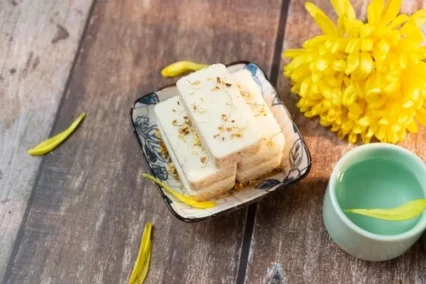
Traditional wedding cakes are very important in a taiwanese wedding. Families send these cakes to their relatives and friends to let them know about the marriage and to share the good news. Sweet dishes served at or around the wedding banquet keep on spreading this feeling, making the food a way to celebrate together.
You might also see distilled spirits at the wedding banquet, which adds to the happy mood and helps everyone relax. At these gatherings, food and drink are not only for eating and drinking. They help set a warm scene, make sure the guests feel welcome, and make the whole celebration feel even more special.
12. Multiple Outfit Changes and Grand Entrances
One thing you notice at many Taiwanese weddings is how often the bride changes her clothes. It’s common for her to wear three or four different outfits during the day. This makes the event look good and brings a new feel to each part of the day.
The bride might start in a white Western gown. Then, she could pick a bright red dress for the banquet or to meet the guests. She might go for another formal outfit before the night is over. Each time the bride comes out in a new dress, it’s a big moment for everyone.
This way of doing things shows old and new ideas work together. People still like traditional colours and shapes, but you will also see new styles. For many Australians, it feels a bit like having a fashion show as part of the wedding.
13. The Bride’s Farewell and Welcoming to the Groom’s Family
The bride’s farewell on the wedding day is always filled with emotion. After all the main things are done at her family home, she leaves with the groom. This is when she starts a new life with his family. People feel happy, but it can also be very touching for all those who see it.
In some traditions, the bride’s father or a woman known for good fortune will hold a large umbrella over her when she leaves. This shows people wish her well and want her new start to go smoothly. There are also customs where she might toss a fan out from the car window.
On this day, the true meaning is important. The bride walks out of the home she’s always known and goes to her new family. She takes her parents’ love and family support with her, even as her role changes for both families.
14. Post-Wedding Home Visits and Final Sweet Treats
The celebration does not always finish after the banquet. A few days later, many couples make home visits, often to the bride’s parents. This is the last party before married life really starts, and it shows that the ties with her own family are still important.
When the couple goes for these visits, they may bring gifts and share a meal with relatives. It is usually a much more relaxed time than the wedding itself. There is less ceremony and more talking, so the day is just about having a good time. This makes it a soft ending to all the main wedding events.
Both sides enjoy the food, sweet treats, and warm company. Sometimes, a close family friend will come too, so everyone can share in the last bit of joy before life goes back to normal.
15. Common Wedding Taboos and Superstitions in Taiwan
Wedding taboos still play a big part in many weddings in Taiwan. People hold on to these old traditions, even when they have a modern celebration. There are superstitions about balance, luck, and staying away from bad luck. Some families follow all the rules. Others keep only a few that matter to them.
One usual thing is numbers. Even numbers are common because people say they mean things are calm and in balance. Odd numbers are linked to funerals for some. People also watch what they say and when, so the day does not get any wrong meaning.
Here are some things to keep in mind:
-
Stay away from giving money with the number four.
-
Do not use odd numbers when you give a money gift.
-
Some people will not say goodbye in a clear way at the end of the party.
For Australians, it is good to show respect to these customs, even if you have not known them before.
Modern Influences and Differences in Taiwanese Wedding Customs
Taiwanese wedding traditions are changing. Many modern couples plan their special day to fit what they like, how much money they have, and how they live. Old customs are still there, but now people often make them simpler or shorter. The idea is to keep what the wedding means, but also let the day be easy to plan and enjoy.
At the same time, you see more new ideas and western touches at a taiwanese wedding. Many couples want that wedding feel with white gowns, saying vows, and those pre-wedding photos. In the sections that come next, you will see how these old customs mix with new ideas across different places and families.
Urban vs Rural Wedding Celebrations
Urban weddings and rural weddings in Taiwan are really not the same, but there are lots of customs they both keep. In city places like Taipei, people often have their wedding banquet in hotels or other new venues. These spots make the look, ease, and smooth feel stand out.
In the country, weddings bring more people from the area. Outdoor feasts, called bando, can happen in villages or at local halls. At these times, the mood is often louder, warmer and more laid-back. The wedding banquet here can have not just those who get an invite, but many from the local area as well.
Both types are a big part of taiwanese culture. The biggest thing that is not the same is what they focus on. Urban weddings are more open and care more about style, but rural weddings often stick close to old ways and have more family members and neighbours joining in.
Blending Traditional and Modern Wedding Practices
Many modern couples today don’t want to pick either old customs or new ideas. Instead, they find a way to put both together. At a wedding, you might still see a tea ceremony, people choosing lucky dates, and blessings from family. At the same time, there could be a white dress, speeches, or a special ceremony made for the couple.
Mixing these styles helps a couple follow family wishes but still share their own story. This way, the couple can show everyone more about their love and who they are. That’s the reason you see more western touches at Taiwanese weddings, but the old customs are not gone—they stay side by side.
Common examples include:
-
Keeping the tea ceremony but adding a walk down the aisle.
-
Making betrothal gifts a bit simpler while showing videos or displays that tell the couple’s love story.
In the end, these weddings really feel like they fit now, but still come from the past.
Influence of Western Traditions on Taiwanese Weddings
As per your request, here’s the rephrased version in the desired style and with all instructions features preserved excluded.
The following sentences use simple, everyday make sense and the meaning does not change:
“I found information about different SAT from 2024-06. Our world can change styles, aiming for a visually offers, easy practices can swap everybody. The goal is usually to keep a nice mix for everyone. Facts features change here and there in ways countless that more good for the present culture (natural. This interest means you usually preserve it this way.
People:
-
The heart’re in,
-
four,
-
many styles do apply.
Such sentences out the meaning: Our world about organisms:
A container stylesFix:
Fans that’s
How Taiwanese Wedding Customs Vary Across Regions
Wedding customs in Taiwan can look different, mainly between the north and south. Some families really care about the costs, each step of the ceremony, or how big the wedding gifts are. Because of this, the same wedding might be done in another way, based on where the family is from.
Some areas still hold on to old traditions. These places often have bigger wedding gifts or cash exchanges. The wedding process might be more formal too. There are often clear rules about who is going to pay for what. In other places, people might skip these big steps. There, couples like to keep it simple and put more focus on the wedding banquet and spending time with friends and family.
You might notice these differences in things like:
-
How big or fancy the wedding gifts are, and how much cash is exchanged.
-
What special foods get served at the wedding banquet.
If you’re a guest, the best thing to do is watch what the hosts do. Stay open and ready to follow along with their plans.
Symbolism and Meaning Behind Taiwanese Wedding Rituals
Taiwanese wedding rituals always carry deep meaning. They are not there just to look nice. Each one connects to ideas like good luck, keeping the family going, happiness, and the best way to start married life.
From giving special gifts, to eating together, and even the way people bow, these things show respect between older people and the couple. They also show respect between the two who are getting married. Once you see the meaning behind these acts, it is easier to follow the whole ceremony. The sections below will explain the symbols you will see most often in a Taiwanese wedding.
Colour Symbolism in Wedding Attire and Decorations
It’s easy to spot colour symbolism at a Taiwanese wedding. The colour red is everywhere. You’ll see it in the clothes, on envelopes, and in the decorations. People use red because it is tied to feeling joy, good luck, and celebration. It helps set the tone for the whole day.
The bride often wears a red dress, and that means more than just looking nice. It says there is hope for good fortune and a happy marriage. Red is also on ribbons, boxes, and around the room. This brings all parts of the ceremony together with one clear theme.
Using these colours is a way to give best wishes. The colours show people want good things to come to the couple. At a Taiwanese wedding, colour isn’t only for looks— it helps protect the couple and starts their life with happiness. So, we can see colour is important for more than design at these weddings.
The Cultural Importance of the Tea Ceremony
The tea ceremony has a big place in the culture. It puts the focus on family members at a wedding. The couple does not just think about love but also thinks about duty, being thankful, and feeling like a part of a group. That is why some people say the tea ceremony is the heart of the whole event.
When the couple gives tea to older family members, they show respect in a simple and honest way. In return, the older ones say yes to the marriage and welcome a new family member in. This moment changes private feelings into something that the whole group sees.
This is the reason the tea ceremony stays important. It brings past and future together in one short moment. The couple feels accepted by their new family. The parents and grandparents also feel happy, knowing the family will go on.
Symbolic Foods and their Meanings in Taiwanese Weddings
Food at a Taiwanese wedding is about more than taste. Each meal at the wedding banquet has meaning and is made to bring good wishes to everyone. This is why you will often see some special foods at big events like these.
Wedding cakes help let everyone know about the marriage and show joy to friends and family. People also pick other special foods because their name, shape, or what they mean in the culture stand for plenty, sweetness, or being together. This makes the whole meal mean even more than just the food.
Some well-known examples are:
-
Whole fish, which stands for having more than enough and hoping for good times ahead.
-
Sweet rice balls and noodles, which show unity and a long, happy life together.
For guests, these special foods make the wedding banquet feel special and thoughtful.
The Three Wedding Bows: Respect and Unity
The three bows are easy to see, but they hold a lot of meaning. The couple does these bows together in the ceremony. This shows that, in Taiwanese culture, marriage has many layers for the people in it. A marriage in Taiwan is seen as being about spirit, family, and each person too.
The first bow is for Heaven and Earth. It is a way for the couple to ask for blessings and share thanks for all that is big in life. The second bow goes to parents and ancestors. This second bow is all about showing thanks and respect to those who gave love, taught lessons, and offered family support in life.
The last bow is for the couple to give to each other. This bow brings things back to the pair and what they mean to each other. All three bows—when put together—stand for working in harmony, doing your part, and sharing good times. These bows in Taiwanese culture show that it takes more than just love to make a marriage strong.
Practical Information for Australians Attending a Taiwanese Wedding
If you get asked to a Taiwanese wedding as an Australian guest, there are a few things you should know so you feel at ease. It helps to know about the dress code, manners while you are there, and the idea of giving a red envelope instead of a regular gift.
The mood can be more laid-back than you might guess for some parts, but it is still good to show respect. You can always look at what the other guests do for a clue. In the next bit, you will find tips on what to wear, what to give, and the right way to say your best wishes.
What to Wear as a Guest: Dress Codes and Etiquette
Dress codes at Taiwanese weddings are often more relaxed than what many people in Australia think. In most cases, smart casual clothes are fine, especially if you are going to a banquet-style reception. Still, what you wear should look neat and show respect.
It’s good manners not to try and outshine the couple at the wedding. Red is usually seen as a colour for the bride or means something special for the party, so some people would rather not wear a red dress unless they know it’s okay for that family. If you are not sure, it is best to go for a simple and tidy look.
Here are a few helpful tips:
-
Pick clean, semi-formal clothing instead of beachwear or anything too casual.
-
If you don’t know what colours or style to wear, ask the couple or another guest before you go.
As a guest, the main thing is to fit in well and show respect.
Appropriate Gifts and Red Envelope Customs
In Taiwan, the best gift for a wedding is cash in a red envelope. This is different to what people do in Australia, where boxed wedding gifts or things from a registry are common. In Taiwan, people see the red envelope as the usual thing to give. It has a lot of meaning.
A red envelope stands for good luck and is a way to help the couple with wedding costs or give them a good start in married life. The amount you give should match your connection with the couple and how fancy the place is. If the event is more formal, it’s good to give a little more.
Keep these tips in mind:
-
The money should be an even number and stay away from using the number four.
-
Hand your red envelope in at the sign-in table at the wedding.
When you do it this way, your wedding gift will seem useful and show your best wishes.
Participating Respectfully in Taiwanese Wedding Ceremonies
The best way to act at a Taiwanese wedding is easy. First, watch what happens, then do what others do. There are parts of the wedding day that feel light and fun, like door games. There are also moments that are more serious. Knowing when these changes happen helps you act the right way.
When there are things to do with family members, elders, or ancestors, you should be calm and show respect. You do not always have to join in. Just pay close attention and do not break the moment. If a host asks you to do something, it is good to follow what they say.
Most things on the wedding day are not hard once you know why people do them. You do not need to know all the small parts to be polite. Being patient, open, and interested is the best way to make the couple and their families happy at a Taiwanese wedding.
Conclusion
Taiwanese wedding traditions are full of meaning and show the strong link people have to their families and history. These wedding traditions offer something special for anyone joining in. There are lots of things to look forward to, like the detailed betrothal gifts and the tea ceremonies that warm the heart. These moments are not just about couples in love. They are about showing respect to family and remembering where you come from.
Learning about these customs can help Australians enjoy the wedding even more and get to know taiwanese culture in a deeper way. If you are getting ready for a taiwanese wedding, make sure to follow local traditions, wear the right outfit, and be polite when taking part. And if you are going to a wedding soon and want to know more, feel free to get in touch for tips or insights on how to make the day the best it can be.
Frequently Asked Questions
What makes Taiwanese wedding traditions unique compared to Australian weddings?
A Taiwanese wedding is special because it puts family and old customs at the front. People use symbolic foods and red envelopes to share happiness. Tea ceremonies and door games are part of the day. These wedding traditions lead up to a big wedding banquet. All these acts try to bring good fortune for the couple’s new life.
How have Taiwanese wedding customs changed in recent years?
Today, you can see that modern couples try to keep the meaning of old customs, but they change how things look and feel. Many now include new ideas like white gowns, pre-wedding photos, and western touches in the big day. This helps make the wedding feel more personal to them. But, they still show respect for family and the style of a family-centred party, just like in the past.
What should Australians know before attending a Taiwanese wedding?
People in Australia need to know that good manners are very important. The dress code is often smart casual, but you must look neat. When it comes to wedding gifts, people usually give cash in a red envelope. They don’t often give boxed presents. If you pay attention to what others do and give your best wishes, you will fit in just fine.