Key Highlights
-
Tisha b’av is one of the main days of mourning in the jewish calendar.
-
The day marks the destruction of the temple and other tough times in jewish history.
-
For many people in the jewish community, tisha b’av joins faith, memories, and their shared identity.
-
People mark the day with fasting, prayer, and by being quiet and thinking.
-
Here in Australia, tisha b’av follows old jewish tradition while also fitting in with local synagogue life.
-
The meaning of this day goes further than religion. It runs through family memories, strength, and brings the community together.
Introduction
Tisha b’av 2026 in Australia is best explained by the jewish calendar. It has a long history that many people think about each year. This is not a day for joy. Most years, it is held on the ninth day of Av, which often lands in July or August. Tisha b’av is an important part of jewish tradition and jewish history.
On this day, people stop, look back at the past, and think about times of loss. If you want to learn what it is or how people observe it, this simple guide has all you need to get started.
Understanding Tisha B’Av and Its Significance
Tisha b’av is seen as the saddest day in the jewish calendar. This is a day of mourning for the jewish people. It remembers the loss of important places that helped shape how jews live, pray, and come together. For many, the day brings up grief. It also brings memory and gives a sense of identity to jewish people.
Over time, tisha b’av came to mark other sad parts of jewish history. That wider meaning is why the day still matters in jewish tradition now. The next parts look at what tisha b’av means for the religion, and which big events are remembered on the day.
The Meaning Behind Tisha B’Av in Judaism
Tisha b’av is the ninth day of the month called Av on the jewish calendar. In judaism, the day is viewed as a time of mourning. It marks when the First Temple and Second Temple in Jerusalem were destroyed. This is one reason why many see it as the saddest day in jewish tradition.
For jewish people, the pain that is remembered on tisha b’av goes beyond losing a building. The Temple used to be seen as the spiritual heart, a meeting spot, and a symbol for the nation. Losing it meant the start of exile, many changes, and deep pain for jewish people that lasted from one year to the next.
That is why the day of mourning, tisha b’av, is still important in judaism. The day gives jewish people a way to think about loss, keeping on, and belonging. Some people take part in religious acts on tisha b’av. Others connect through jewish history, stories in the family, or memories the whole jewish community shares. No matter the way, the day shows how pain and hope are both part of the jewish story.
Major Historical Events Remembered on Tisha B’Av
Jewish tradition connects tisha b’av with several calamities. The best known are the destruction of the First Temple by the Babylonians in 586 BCE and the destruction of the Second Temple by the Romans in 70 CE. These events sit at the heart of the day.
Over time, the day also came to include other disasters in jewish history. These include the crushing of the Bar Kokhba revolt, the destruction of the city of Betar, and the ploughing over of the site of the Temple and surrounding area.
|
Event |
What is remembered |
|---|---|
|
Destruction of the First Temple |
The Babylonians destroyed the First Temple in Jerusalem in 586 BCE. |
|
Destruction of the Second Temple |
The Romans destroyed the Second Temple in 70 CE after the siege of Jerusalem. |
|
Bar Kokhba revolt aftermath |
The revolt was crushed, and many jewish people were killed in Betar. |
|
Site of the Temple ploughed over |
The Temple area and surrounding area were further devastated in 135 CE. |
|
Later communal memory |
Tisha b’av also came to hold expulsions, the Spanish Inquisition, and the Holocaust within jewish tradition. |
How Tisha B’Av is Observed in Australia
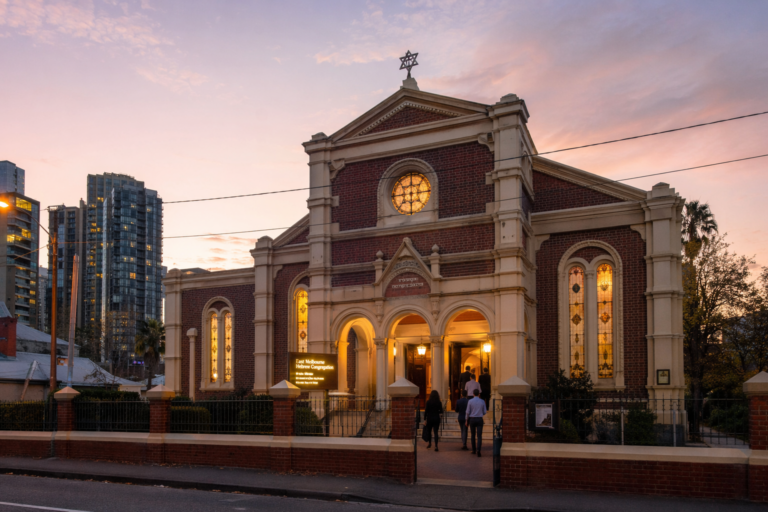
In Australia, tisha b’av is a day of mourning that stays important in the jewish calendar. People in the jewish community usually mark the day in the synagogue, by fasting, and spending time in quiet thought. Every congregation may do things a little differently, but the day is always a part of jewish tradition.
In the community, tisha b’av is not about big events or parties. The day is just about jewish tradition and the way jewish people mark loss. People meet, read sad stories from old texts, and spend the day being calm and quiet. If you want to know more about how the day goes, you need to look at what the jewish community does and how people follow tisha b’av.
Customs and Rituals Practised in Australian Jewish Communities
Many australian jewish community places do the same things found in jewish tradition. On tisha b’av, people fast, pray, and notice how the mood changes. The day is not just for having another ceremony. It is about mourning, thinking about the past, and coming together to reflect.
At synagogue, people hear the book of lamentations and other sad songs. They might read upsetting texts, but most regular torah study is stopped because enjoyable learning does not fit the day. The mood stays quiet on purpose.
Common things people do are:
-
fasting for the whole day
-
reading the book of lamentations and kinot
-
not doing things that bring pleasure
-
keeping prayers and services quiet and mournful
-
treating both the torah scrolls and the synagogue with care, keeping things serious and sombre
All these things help the jewish community think about times of destruction, exile, and loss that people have shared together.
Typical Schedule and Guide for Tisha B’Av Observance
Tisha b’av comes in the middle of a longer time of mourning in the Jewish calendar. The three weeks before the day mark a time of lower-level mourning. This time makes many people think about the final siege of Jerusalem. In the last nine days, things become more serious. Many homes and groups bring in extra ways to show restraint.
When the day itself arrives, people focus on fasting and going to synagogue. The observance of Tisha b’av has special services where the Book of Lamentations and other sad readings are shared. Most people will only study parts of the Torah that deal with tragedy on the day. Normal joyful Torah study is mostly not done.
For the Jewish community, the guide is clear: get ready in the weeks before, enter the day with restraint, and spend the day remembering. In Jewish tradition, Tisha b’av remembers the loss of the Temples and much of the bigger suffering through Jewish history.
Key Practices, Traditions, and Restrictions
Rewritten
Turn: The text discusses t’av, which often refers to an observ regarding days of the day.
My rephrase is:
t’av is an event related to mourning of the day, and it is observed created.
Main Prohibitions and Customs on Tisha B’Av
The passage contains:
-
Fasting is, but it is not the only way.
-
People Staying or similar cultural, activity.
-
People mothers.
-
or, with an activity
Common Questions from Observers and Broader Community
Not everyone cares about tisha b’av in the same way. Some people turn to faith. Others feel close to tisha b’av because of jewish history, family stories, or the strong survival of jewish people over time. That wide meaning shows why some non-religious jews still find the day very important.
Tisha b’av matters because it brings many losses together for one time of mourning. It helps people remember times of exile, destruction, and the many attempts to end jewish life. For some, the memory is stronger for their identity than talks about faith.
Who joins in? The jewish community observes the day, but you do not have to be very religious to be interested. Anyone who wants to learn about jewish tradition, how the jewish people remember together, or how mourning fits in jewish life can look at tisha b’av with respect.
Conclusion
Tisha B’Av is more than just a day of mourning. It is a strong reminder of the power to keep going and the value of community. On this day, Jewish Australians come together to show respect and think deeply about the hard events that have shaped their past. The customs and ways people mark Tisha B’Av help bring communities closer and keep their culture alive. Whether you know a lot about this day of mourning or you are new to it, learning what Tisha B’Av means can help you understand more about Jewish life. If you want to find out more about this special day, look for resources that will help you grow your knowledge and really get what it’s all about.
Frequently Asked Questions
Who participates in Tisha B’Av observances?
Tisha b’av is a day that many in the jewish community take part in. Some jews fully fast and join in prayer at the synagogue. Others might spend the day learning, remembering, or just having a quiet think. In jewish tradition, the day allows people to get involved at their own level. Tisha b’av makes room for all to connect with jewish life in their own way.
Why should Tisha B’Av matter to non-religious or non-Jewish Australians?
Tisha b’av is about jewish history, loss, and strength. The day can be important to everyone, not just people who follow religion or are jewish. It’s a time to look at how mourning and memory help shape the jewish people. Learning about tisha b’av can help you show more respect for jewish tradition, the jewish community, and why we remember things together.
Where can I find resources or learning materials about Tisha B’Av in Australia?
A good place to start is by looking at local synagogue notices. You can also check australian jewish community organisations. Educational material used during tisha b’av services is helpful, too. These learning materials often talk about jewish tradition, the book of lamentations, and big moments in jewish history that are linked to the day tisha b’av.