Key Highlights
-
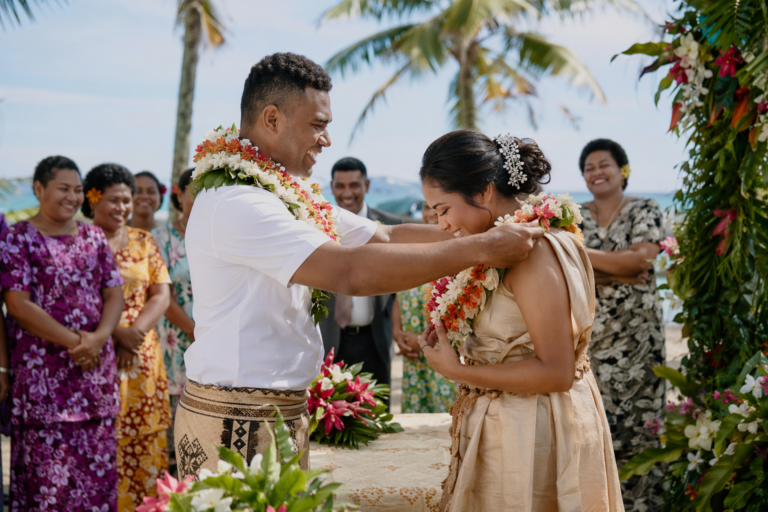
A Fijian wedding is all about family. The bride’s family and groom’s family both take part in important moments.
-
There are a few key wedding traditions, like the tevutevu ceremony, the tabua show, and the kava ceremony.
-
In Fijian culture, gifts really mean a lot. People give mats, masi clothes, and house things to newlyweds.
-
Family members and older people help guide the wedding process and teach guests how to act the right way.
-
Many Fiji weddings now mix old customs with new places and fresh styles.
-
Australians can be respectful by putting some Fijian touches into their special day.
Introduction
A fijian wedding is not just about two people joining together. It is deeply tied to their family, how people act, and the big values of fijian culture. If you are someone in Australia looking to plan a fiji wedding, go to one, or you just want to know more about wedding traditions, it is good to know what these celebrations mean. You will see things like special gifts and sharing food, and these have special meaning for the day. This easy guide will help you understand fiji wedding traditions and how they fit into fijian culture.
Wedding Traditions in Fiji: A Complete Overview for Australians
If you want to know what the most important fijian wedding traditions are, start by looking at the family rituals, giving gifts, and drinking kava. Most of the time, a fijian tradition will mark each step, from getting engaged to the time when the couple move into a new home.
The usual Fiji wedding timeline has a formal proposal, the families saying yes, special exchanges, and a big feast with everyone on the special day. These moments show that fijian culture sees marriage as a connection between families, not just between two people. The next parts will explain each step more clearly.
1. The Tevutevu Ceremony: Celebrating Family and Gift-Giving
One of the most important traditions in a Fijian wedding is the tevutevu ceremony. The tevutevu ceremony happens after both sides have done what they need to do. This be a big moment because the couple is seen as their own new household, but they still show respect for their connections to all their family.
At the tevutevu ceremony, family members from the bride’s family and the groom’s family all come together. They bring useful gifts for the couple. Most times, these gifts are things like mats and other items you need in a house. The gift exchange is good, not just because they give a lot, but because it helps the couple as they start their life together and shows the real support coming from both families.
So what does this tell us about family in Fijian wedding ceremonies? It matters a lot. In Fiji, marriage joins groups, not just two people, so all the relatives play a big role, they are not just in the background. The tevutevu ceremony shows this. It puts family and community at the front of the wedding process, right from the start. The whole wedding is shaped by how closely people stay connected, and how both the bride’s family and groom’s family come together as one.
2. Fijian Engagements and Traditional Proposal Customs
A traditional marriage proposal in Fiji, called ai lakovi, is an important step. In this moment, a man gives a woman a tabua, which is a whale’s tooth. The whale’s tooth is a serious symbol. It means a lot in Fijian ceremonies and shows a big level of respect.
This part of a Fijian wedding is very different from just having a simple or private proposal. The gesture is not only about saying yes or no; it joins the couple with their families and their customs. Giving a whale’s tooth is not something casual. It shows how serious the marriage proposal is.
Why does this old custom feel so different? It mixes real feelings with ceremony. It also brings out the big part families play in Fijian weddings, because what people do is shaped by both their own hearts and what the community expects. Everyone’s part in the event is one big reason why these customs are so unique.
3. Masi Attire and Symbolic Accessories for Brides and Grooms
Yes, there are some clear styles in Fijian wedding attire, and masi is one of the most well-known. Masi is a type of traditional Fijian cloth. People make it from the bark of the mulberry tree. You can use masi as dress material, for decoration, or as a covering during special moments.
At a Fijian wedding, people see masi attire as not just beautiful but also rich in symbolism. The designs often show where someone is from, because different areas have their own styles. Some of the finest work comes from places like Vatulele and Lau. The cloth is an important part of the ceremony. It makes these clothes feel like more than just fashion — they connect to who the people are.
You may notice these features around the couple or among the bride’s family presents:
-
Masi used as part of ceremonial dress or display
-
Natural, earthy colour tones and patterns that show off the region
-
Decorative pieces that show the importance of the day
-
Cloth that ties back to family heritage and symbolism
4. Kava Ceremony: Rituals and Cultural Significance
The kava ceremony is one of the best-known parts of Fijian wedding traditions. It has a big place in many Fijian weddings. Kava, or yaqona, gets mixed in a tanoa and is served in a proper way. The kava ceremony, using a coconut shell cup called a bilo, is important in Fijian life.
People follow order and show respect during the kava ceremony. Seniors get their drink first. There is clapping by the people, and this goes along with each step of the ritual. Both making the kava and saying yes to the drink have meaning.
So how does this fit in with today’s celebrations? Many Fijian wedding traditions still happen even with resort weddings, church events, or beach plans. A modern Fijian wedding can blend weddings, beaches, and the old ways. The kava ceremony lets a couple bring a part of old Fijian life into their big day no matter where or how they choose to celebrate. This way people still see and feel love, respect and a link to Fijian beliefs.
5. Role of Family and Elders in Fijian Weddings
Family members play a big part in any fijian wedding. In fijian culture, getting married is not just about the bride and groom. It is a way to bring together or make closer the different groups. So, family members are involved from the start when people get engaged until the big wedding celebration.
Older people in the family help guide how things are done. They look after the ceremony and make sure everyone shows respect. In Fiji, the way people talk and act is shaped by age, who they are in the family, and their role in the group. So, elders often lead and make the key choices during the wedding process. Having them there helps everything be done the right way, following custom.
Both the groom’s family and the bride’s side have roles in all these moments. They might do special sweeping or sharing, help the couple, and show respect as two families join together. If you are a guest at a fijian wedding, you will see that family leaders are part of everything from the start to the end.
6. BiliBili and Fire Walking: Unique Fijian Wedding Highlights
Some couples want their wedding celebration to truly feel like a Fijian wedding. Fiji has many wedding traditions, and a lot of them are focused on family, giving gifts, and old ceremony. But Fiji is also known for its cultural moments, and these things can shape the whole event and the time around it.
People often think about bilibili and fire walking when they hear about Fiji. These stand-out customs make a Fijian wedding feel different to what you get at a regular resort. They are not at every single wedding, but they show why Fijian wedding traditions are special.
You might find these things in a bigger program for a wedding:
-
Bilibili images that connect people to the local place and water
-
Fire walking, which is a strong show of the local culture
-
Wedding party fun that puts a light on these standout customs and where they come from
7. Traditional Wedding Feasts and Fijian Cuisine
Food matters in a fijian wedding because communal gatherings are a major part of ceremony and social life. A wedding feast brings people together, supports hospitality, and reflects the shared nature of the occasion. It is less about individual plating and more about collective welcome.
Traditional fijian dishes can sit alongside modern catering, especially in destination settings. The compiled information highlights that ceremonial exchanges may include root crops and other practical foods, while present-day weddings may also feature bread, flour, tinned foods, and other staples. That mix shows how Fiji balances continuity and change.
Here is a simple view of wedding feast elements:
|
Feast Element |
Role in a Fijian Wedding |
|---|---|
|
Root crops |
Practical foods that support communal dining and gifting |
|
Shared meal |
Brings families and guests together during the celebration |
|
Modern staples |
Bread, flour, tinned foods, kerosene, and soaps may appear in wider ceremonial giving |
|
Resort dining |
Often blends fijian cuisine with contemporary service |
8. Exchange of Gifts: Tabua, Mats, and More
Gift exchange is right in the middle of a lot of steps in a Fijian wedding. It is one of the biggest answers when people ask what rituals mean the most. These gifts are not just handed out for no reason. They go with the ceremony, show respect, and link the groups together.
The tabua, which is a whale’s tooth, is very important. It is a special item for big events and has strong meaning when given to someone. Mats are also a big part of Fijian life. You will see mats in weddings, when babies are born, and at funerals. They are useful, meaningful, and have been a part of the custom for a long time.
These gift exchanges show social hierarchy as well. Who gives a gift, who gets it, and the way people talk about it all matter. To give with humility and to speak well are important too. For guests coming from Australia, this helps you see why giving a gift in Fiji often feels formal, planned, and full of meaning the groups share.
9. Blending Ancient Traditions with Modern Wedding Trends
Fiji has changed with time, and the way people have wedding ceremonies has changed too because of what comes from outside. This means that a fijian wedding today can have both old customs and new ways to celebrate. You will find this in things like beach weddings, chapel weddings, elopement, and big celebrations at fancy resorts.
Even with these changes, the wedding process still keeps its fijian heart. Family plays a big part, there are important gifts to give, people always show respect to elders, and you still see yaqona. These customs help the wedding feel real and true, even if it happens in a new or stylish place.
The big draw for most couples is this mix. They like to choose modern adaptations for their fijian wedding—maybe they do a small elopement, say vows at sunset, or have a big party—but they also include things from their culture. This keeps the day connected to fijian values. Bringing these things together is the best thing about fijian wedding ceremonies in Fiji.
Incorporating Fijian Wedding Traditions into Your Celebration
If you want to bring Fijian tradition into your own special day, it’s best to focus on the things that mean a lot, not just copy everything. Fijian wedding traditions can add something good to your wedding ceremonies if you know about them and treat them right.
For Australians, this could mean having ceremonial gifts, using masi touches for the style, or doing a yaqona welcome if it fits your wedding. These ideas will help your destination wedding or special day feel close to Fiji and real, without losing that sense of authenticity. The tips below share clear ways to include a bit of fijian wedding spirit into your own plans.
Including Fijian Rituals in Australian Weddings
You can add parts of a Fijian wedding in Australia by picking rituals that are easy, clear, and show respect. The best choices are often simple ones. You might try giving symbolic gifts, honouring family, or using design pieces from Fiji.
Think about what gives Fijian wedding traditions their meaning. These traditions are mostly about family, deep respect, and coming together. So, it’s best to make these things part of your wedding celebration, not just use them for decoration. You can let families give gifts, or give a special thank you to elders.
Authenticity is important. If you want a kava welcome, or something that shows tabua symbolism, take care to do it in a thoughtful way. With wedding ceremonies, you do not have to copy everything. The goal is to show respect for the custom and keep the gesture honest.
Fijian-Inspired Wedding Outfits and Decorations
If you love the look of a fiji wedding, you might want to start by looking at fijian wedding attire and using natural style choices. The masi is a big part of this, as it brings ceremony, craft, and the feeling of place to the day. If you use it right, it gives a bit of authenticity to your fiji wedding without taking over the whole event.
Decorations that take ideas from fiji often look best when the colour palette is simple. Most classic masi designs use colours like brown, black, beige, and tan. These are easy to match with a beach, garden, or chapel setting, which is great for Australians who want a calm and laid-back coastal feel.
You could think about:
-
Adding masi-inspired decoration for things like signs, table looks, or ceremony spots in your fijian wedding
-
Using natural colours inspired by bark cloth shades in your decoration
-
Outfit pieces for your fijian wedding that hint at traditional attire but stay comfy and modern
Conclusion
Choosing Fijian wedding traditions can really add something special to your big day. The Tevutevu ceremony puts focus on family and giving gifts. The Kava ceremony brings colour and fun as people join together. These wedding traditions help make the day better for you, your partner, and all your guests.
When you mix old ways like the Tevutevu ceremony or Kava rituals with new ideas, you get a wedding that is one of a kind. It will show your love and respect for Fijian wedding heritage. You might want to wear special attire or have a kava ceremony as part of your celebration. All these moments will help you and your guests feel close to the Fijian spirit.
If you want to know how you can bring Fijian wedding traditions to your own wedding, feel free to reach out for a free chat!
Frequently Asked Questions
What should non-Fijians expect when attending a Fijian wedding?
At a Fijian wedding, you will see wedding ceremonies where family members are involved, not just the couple. Fijian wedding traditions often have formal speeches and the giving of gifts. There is also a kava ceremony, and people follow clear ways of showing manners during this. You can notice strong respect for elders and everyone takes part as a group. There is a warm and inviting feel with all the people together at a Fijian wedding.
How do Fijian wedding customs differ from Western traditions?
Fijian wedding traditions put a lot on family, special gifts, and how people act with each other. This is more than what you see in most western wedding traditions. In the Fijian wedding process, it’s not just about two people joining together. Both families, or even groups, come together. That is why Fijian wedding ceremonies and the wedding celebration feel more formal, include more people, and hold a lot more meaning.
These fijian wedding traditions make the day not just about one couple, but also about the whole group. It gives the wedding process its special feeling that you see in each fijian wedding. For many, the wedding celebration is less about showing off and more about togetherness and respect. That is just the fijian way.
What are some popular wedding venues in Fiji that honour tradition?
Some top places for a fijian wedding are Tokoriki Island Resort, InterContinental Fiji Golf Resort and Spa, Shangri-La Fijian Resort, and Lomani Island Resort. These fiji wedding venues bring together the natural beauty of the islands and let you pick from beach ceremonies or chapel settings. So, you can have tradition mixed with your modern celebration.