Key Highlights
-
An australian wedding brings together wedding traditions we all know with local things people love.
-
Most wedding ceremonies have vows, rings, a celebrant, and then a big reception.
-
A cherished tradition in these weddings can be a unity bowl, a stone ceremony, or using a family heirloom.
-
Many couples add an acknowledgement of country to show respect for First Nations people.
-
There is always good food and fun, with a wedding cake, lamingtons to eat, and people getting up to do the Nutbush City Limits.
-
On your special day, you can show off personal style, mix in multicultural customs, celebrate modern values, and do what feels right for you.
Introduction
An australian wedding is often warm and easy. It feels close and has a personal touch. Many things about it look much the same as what you see in the rest of the world. Still, there are some australian touches that make it different. People add small but important rituals, there is local food, and the group tries hard to include everyone. Your wedding day could be at a church, a garden, a vineyard, or even on the beach. But no matter where you go, the main feeling does not change. It is a special day to focus on love, family, friends, and the moments you want to keep with you.
Wedding Traditions in Australia: A Complete Guide to Local Customs
Australian wedding traditions include some world-known customs and a few special local touches. In many wedding ceremonies across Australia, you will see a bridal party standing by, both partners put on wedding rings, there is an exchange of vows, people sign the marriage certificate, and they finish with a big, lively party. These are the wedding traditions that most couples know, use, and look forward to in a traditional Australian wedding.
But, a traditional Australian wedding does not have one fixed concept for every couple. On your big day, there may be a cherished tradition such as an acknowledgement of country at the start. You might all join for a unity bowl, or even cut into some lamingtons instead of a fancy, formal cake. The next sections give you a look at how these customs can come together.
1. The Bridal Party and Wedding Attire
In a typical australian wedding, the couple will ask close friends or family to join the bridal party. This bridal party often has bridesmaids and groomsmen, and sometimes a few with special roles. This is one of the oldest wedding traditions you will see in Australia. It helps make the day feel organised and gives extra support during the ceremony and party.
When it comes to wedding attire, the bride will usually wear a white dress. The groom will often be in a suit or tuxedo. Still, more australian couples now want to show their own personal style. Many do not stick to one way of dressing. This choice for more freedom in wedding clothes is a big part of the new way to celebrate.
Some families in Australia also add a cherished family heirloom on the day. If you are from a religious background, it may be a Bible that is given from one pair of newlyweds to the next generations. This makes the wedding more special, as the moment becomes personal and will be remembered for many years.
2. The Ceremony: Order of Events and Vows
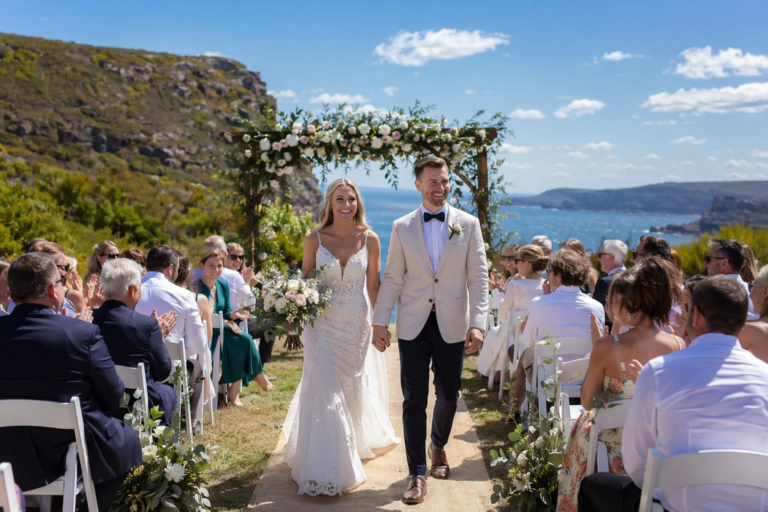
A typical australian wedding ceremony usually follows a simple and recognisable order. The couple gathers with guests, the ceremony is led by a celebrant or religious figure, vows are spoken, rings are exchanged, and the marriage certificate is signed. Many couples choose meaningful locations such as a church, garden, beach, or vineyard.
Here is the usual outline seen in many wedding ceremonies:
|
Part of the ceremony |
What usually happens |
|---|---|
|
Arrival |
Guests gather and the wedding party enters |
|
Welcome |
The celebrant or religious figure begins the service |
|
Vows |
The couple makes the exchange of vows |
|
Rings |
Wedding rings are presented and placed |
|
Signing |
The marriage certificate is signed |
|
Closing |
The couple is announced and exits |
There is no single rule for vows beyond including them as a key moment. In Australian ceremonies, vows are handled as an important expression of commitment, whether the setting is formal or relaxed. That balance makes the ceremony feel both meaningful and easy to connect with.
3. Unique Australian Wedding Rituals and Symbolic Gestures
Some Australian weddings have simple gestures that guests from other parts of the world might not know about. These wedding customs answer the common question: do they have special acts besides the usual wedding rings and vows? Yes, they do. Many focus on unity, history, and how people are tied to a place.
A few simple things guests should know about:
-
A unity bowl, where close friends and family put stones inside a bowl. This shows support for the newly married couple.
-
A stone ceremony, where stones are thrown into a flowing river. This stands for strong bonds that last as life keeps moving.
-
A smoking ceremony, where a fragrant cloud of smoke moves over the couple. Many see it as an exciting spiritual addition.
-
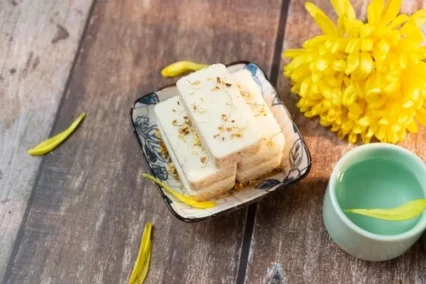
Lamingtons, which use sponge cake and coconut flakes, are sometimes served instead of a more formal wedding cake.
There is another kind gesture in some religious families. Someone might give the couple a family heirloom on the day. Some guests might think the stone ceremony or the smoking ceremony is strange at first, but these are good ways to mark deep commitment, show family ties, and bring everyone together.
4. Incorporating Multicultural and Indigenous Customs
Australian weddings bring together many influences because the country is home to people from various cultures. A couple might have customs that come from British history, Greek populations, German roots, or other family backgrounds. Still, the wedding will have that special Australian feel. There is room for all these things in one day.
For couples who ask how different traditions, like Indian customs, fit into Australian weddings, the answer is easy. The couple can pick the parts they want. You often see these customs as part of the ceremony or the big party after, right next to what people know well, like saying vows, making speeches, or dancing. The style can be made to suit the couple.
There are also important Indigenous customs. Many people add an acknowledgement of country to recognise First Nations people and show respect for the past, present, and future. Some, depending on where they are, have a smoking ceremony as part of the wedding. These ways bring respect and meaning to the day, and help everyone feel connected.
5. Reception Traditions: Food, Drinks, and Entertainment
Once the wedding ceremony is over, the wedding reception is where the real fun starts. Everyone comes together for food, drinks, and a bit of celebrating. People give speeches, raise their glasses for some toasts, and hit the dance floor. This part of the day feels easy-going but has a fun and energetic vibe. The wedding reception is the part when you can see everyone’s true style come out.
Some common wedding reception features are:
-
Cutting and sharing the wedding cake, which is a common tradition.
-
Bringing out lamingtons. This is a soft sponge cake covered in chocolate and coconut flakes.
-
Having traditional music or songs that matter to the couple and their families.
-
Packing the dance floor as soon as Nutbush City Limits plays.
The Nutbush City Limits dance is a big local highlight. This lively line dance has immense popularity in Australia. It gets people moving and it’s often something folks learn at school, so many already know how to do it. If you want something different that people love, playing Nutbush City Limits will fill the dance floor fast.
6. Modern Wedding Trends in Australia
Modern Australian weddings do not stick to just one way of doing things anymore. Modern couples like to keep the main parts of the day. This means things like saying their vows, giving rings, and having a reception. But the rest of the day is for them to shape as they want. That comes from both changes in modern society and what people now expect.
There is now more focus on personal style. Couples sometimes pick meaningful locations for the wedding. They can even change how things are done. Some couples bring in ideas from their own story and leave out parts that are from older ways or a fixed concept. That is why these celebrations in Australia may look like those in other parts of the world, but still feel local and true to who they are.
Being inclusive is also now a big part of the day. For example, both parents may walk the bride down the aisle instead of just following a patriarchal tradition. This choice shows how modern couples use modern values and still keep what makes the day full of real feeling. It also shows how Australian ways can change with the times but not lose the reason people celebrate.
Wedding Etiquette for Couples and Guests in Australia
In Australia, wedding etiquette is all about being practical and polite. It’s simple and easy to follow. When you are planning your wedding, it helps a lot to talk clearly with your close friends and family. Let them know the plan early. Tell them about the dress code, when things will happen, and any special details they need to know. This helps everyone be ready and know what’s expected.
If you are going to a wedding as a guest, you have an important role too. Make sure you let the couple know if you can come or not, and do it on time. Get there when you are meant to. Show respect for any special cultural customs, and follow what the couple wants for gifts or photos. Using good manners makes it easier for different families to enjoy the day together. It also lets the newly married couple have more fun and less worry.
1. Invitation Protocols and RSVP Etiquette
Good invitation rules start with giving enough time. In Australia, it is common for couples to send out a wedding invitation six to eight weeks before the day. This time lets guests plan for travel, time off, and a place to stay. It also helps everyone get ready for the wedding ceremonies, so there is less confusion.
Your invitation needs to be clear. It must say the date, time, and location. You need to tell people about the dress code and give RSVP instructions. If the place is far away, it helps to add details for directions, parking or transport. When you give all the details, guests feel calmer and the newly married couple will not face any last-minute trouble.
If you are a guest, RSVP steps are not hard but they matter. Answer by the date given. If you cannot come, say so as soon as you know. When you do this, the couple knows who will be there and they can set seats and order food for the right number. A quick reply is an easy way to show your support for their big day.
2. Gift Giving, Dress Codes, and Social Media Guidelines
When it comes to gift giving at Australian weddings, people like to be thoughtful but they are not strict. Gifts are normal, but you don’t have to give one. A lot of couples set up a gift list so it is easy for everyone to choose. If you want, you can give money instead. Giving a card with your own words is still important and people like it.
Dress codes at wedding ceremonies are important too. You should wear what is asked for on the invitation, like black tie, cocktail, or something relaxed. There is one rule everyone knows—don’t wear white or anything that could take the focus away from the bride.
Here are a few more things to keep in mind:
-
Pick something from the couple’s gift list if they have one.
-
Follow the dress code and make sure what you wear shows respect.
-
Listen to any social media rules the couple may have.
-
If a family member or the couple wants privacy, wait before posting any photos or details online.
Conclusion
To sum up, knowing about wedding traditions in Australia makes the day better for both the couple and their guests. It also helps everyone see where the special wedding day customs come from. There are many rituals, outfits, ways people celebrate, and hints about what is polite at weddings, and each one helps make a wedding day something people remember. When you take in these wedding traditions, the day will have more meaning and fun. If you want your wedding day to be the best it can, contact us. We are here to help you plan and support you every step of the way.