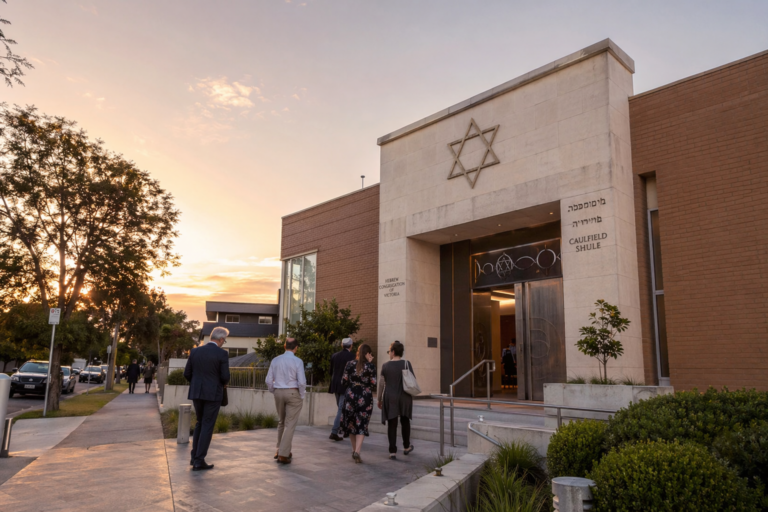
Key Highlights
-
The Fast of Tammuz is a Jewish fast day. It takes place on the seventeenth of Tammuz in the Jewish calendar.
-
In 2026, this day will be on Thursday, 2 July, which lines up with the Gregorian calendar in Australia.
-
The day is set up to remember big calamities in Jewish tradition. One of them is the breach of the walls of Jerusalem.
-
The fast starts off the period of mourning called the Three Weeks. This time leads up to Tisha B’Av.
-
People often observe it by fasting from dawn until nightfall, saying prayers, having Torah readings, and taking time to reflect.
Introduction
The fast of tammuz is a jewish fast day that means a lot to many jewish people in Australia and around the world. It is held on the seventeenth of tammuz. The day helps people remember some sad times in jewish history and starts a period where many will mourn and think about those events.
If you want to know what date this falls on in 2026, or what the day means, or how jewish people mark the day, this simple guide is here for you. It will let you know how the seventeenth of tammuz is kept, with a special look at how it’s done in Australia.
Understanding the Fast of Tammuz in Jewish Tradition
For jewish people, the Fast of Tammuz is one of the well-known fast days in the hebrew calendar. You keep it on the 17th day of the hebrew month of tammuz, which is the fourth month in the hebrew calendar. This day goes back a long way and is closely tied to jewish history.
In jewish tradition, people do more than just skip food and drink on this day. The Fast of Tammuz is also about loss, talking to God, and looking within yourself. To know why this jewish fast matters, you need to look at what happened on the 17th day of the hebrew month of tammuz and what it means for people now.
Historical Events Behind the Fast of Tammuz
The Fast of Tammuz remembers five tough times that happened to the Jewish people. One early event is about Moses. He broke the tablets of stone after the people made the golden calf. This became a sign of a big break between the Israelites and the Torah at Mount Sinai.
Another sad event was when the daily sacrificial offerings stopped just before the first temple was lost. People also think of the breach of the walls of Jerusalem, which was a big moment. It let the enemy come in and bring pain to the city.
The day reminds people about the time around the second temple, too. Back then, the Romans broke the city walls of Jerusalem. The burning of a Torah scroll by Apostomus happened in this time. All these events play a part in how the fast of the fourth is followed in Jewish history.
The Spiritual Significance of the Seventeenth of Tammuz
The Fast of Tammuz means more than just looking back at old tragedies in Jewish history. It acts as a wake-up call for people. This day asks us to slow down, think about Jewish history, and act with humility, not just habit.
This fast also starts the period of mourning called the Three Weeks. Because of this, the seventeenth of tammuz becomes even more important. It is the beginning of a time for people to repent, look back, and take things more seriously as they move toward Tisha B’Av.
There is a big message about the Torah on this day, too. The broken tablets, the burned Torah scroll, and things lost in Jerusalem show both spiritual damage and national loss. For a lot of people, the fast is a chance to get back in touch with their values, prayer, and taking on responsibility.
Date and Timing of the Fast of Tammuz 2026 in Australia
In the jewish calendar, the Fast of Tammuz happens on the seventeenth day of Tammuz. Tammuz is the fourth month of the hebrew calendar. In 2026, this day matches up to Thursday, 2 July in the gregorian calendar. Some people start to look for it in June, but the main observance in 2026 is at the start of July.
For Australia, the date stays the same. However, people follow their local dawn and nightfall times. This means the fast starts and ends based on each city’s local time. The next parts talk about how the jewish calendar lines up with the gregorian calendar and how local timing works.
Hebrew Calendar vs. Gregorian Calendar: When the Fast Falls in 2026
The Fast of Tammuz takes place each year on the seventeenth of tammuz in the Hebrew calendar. Because the Hebrew calendar and gregorian calendar do not line up exactly, the civil date changes from year to year. That is why the fast may fall in late June or, more often, in July.
For 2026, the observance is on Thursday, 2 July. The compiled dates also show how the day shifts across nearby years while still staying fixed to the same Hebrew date.
|
Year |
Gregorian calendar date |
Weekday |
Hebrew calendar observance |
|---|---|---|---|
|
2025 |
13 July 2025 |
Sunday |
17th of Tammuz |
|
2026 |
2 July 2026 |
Thursday |
Seventeenth of Tammuz |
|
2027 |
22 July 2027 |
Thursday |
17th of Tammuz |
|
2028 |
11 July 2028 |
Tuesday |
17th of Tammuz |
So if you are planning ahead in Australia, use 2 July 2026 as your key date.
How Observance Times Are Adjusted for Australian Cities
The jewish calendar sets the day, but when you follow the observance depends on where you live. In Australia, the Fast of Tammuz starts at dawn and goes until nightfall. The times depend on your city, so Sydney, Melbourne, Perth, and Brisbane might not use the same clock.
This is a big way observance is different for people in Israel compared to other places. The date stays the same on the hebrew calendar, but the fasting hours change due to geography, season, and when the local sun sets. That is why it is important to look at synagogue notices each year.
There is also a timing rule to keep in mind. If a minor fast falls on shabbat, Jewish law can push it to another day. You usually will not fast on shabbat. Because of this, people in Australia listen to what their local rabbi and synagogue say for the right time and any adjustments to the jewish calendar.
Customs and Practices During the Fast
The Fast of Tammuz is a jewish fast day. It is a minor fast, so you do not have to follow all the tough rules found on the bigger fasts. On this day, people do not eat or drink from dawn until nightfall. The day feels quieter than it does usually.
During the Fast of Tammuz, jewish tradition says you should take part in special prayers. There are also readings in services. Many communities use this day as a time to start thinking more about life and its meaning. To see how all of this fits, you can look at fasting rules first. After that, you can check the special prayers and readings that come with the day.
Fasting Rules, Exemptions, and Who Should Observe
The usual way to observe the 17th of Tammuz is to fast from dawn to nightfall. It is one of the minor fasts. Many adults in the community take part in this day. The fasting rules, though, are not the same for everyone. Health and strength are important.
Jewish law notes that some people don’t have to fast. This matters a lot. The rules say if you are not feeling well or not strong, or if you are a child, you do not have to fast the whole day. Pregnant or nursing mothers can also eat simple food. Most people talk to a rabbi for advice before they start.
Some common exemptions are:
-
Children who are too young to fast all day.
-
People with health worries or who feel too weak.
-
Women who are pregnant, if their doctor or rabbi says not to fast.
-
Nursing mothers who need to eat to keep up their strength.
This way shows care and kindness in the jewish tradition. It is not meant to be tough on people.
[minor fasts], [tammuz], [rabbi], [nightfall]
Prayers, Readings, and Traditions on the Day
Yes, there are special prayers and readings for the Fast of Tammuz. In the morning and evening, people say these prayers and listen to certain parts from the torah and Haftarah. These acts help make the day more than just a personal fast.
In the synagogue, focus is on memory, being humble, and feeling part of the group. The torah scroll holds extra meaning on this day because the burning of the torah scroll is one of the calamities remembered. That link makes the time feel more deep and emotional.
Common things people do include:
-
reciting special prayers during services
-
reading from the torah scroll in synagogue
-
adding Haftarah readings for the day
-
using the fast to think and give charity in the Three Weeks
Even simple traditions make the day feel meaningful and give it purpose.
The Three Weeks: Mourning Period Linked to the Fast of Tammuz
The Fast of Tammuz is not just another jewish fast day. It kicks off the Three Weeks, which is a period of mourning. This time lasts until Tisha B’Av. It’s about remembering bad things that happened in Jerusalem and to the first temple and second temple.
For many jewish people, this day changes the feeling of the weeks that follow. It starts a time for thinking, showing restraint, praying, and looking back. If you want to know how important this period of mourning is, you need to see what the Three Weeks are and how the fast begins it all.
What Are the Three Weeks and Why Do They Matter?
The Three Weeks, also known as Bein HaMetzarim, happen between the Fast of Tammuz and Tisha B’Av. This time is a period of mourning for jewish people. It remembers when both Temples in Jerusalem were destroyed and other sad times still held in their memory. That is why this fast at the start is seen as the beginning of a heavier, more serious season.
For jewish people, these weeks are about more than just past history. They change everyday habits and focus deeply on old sorrow. Instead of only thinking about it, communities make changes in daily life. People act with more care and treat this time in a less happy way, especially as Tisha B’Av comes closer.
Some customs during the period of mourning are doing more study of Jewish law, giving more to charity, and not having big celebrations like weddings or wearing new clothes. The Fast of Tammuz is tied closely to this period, both in its time and what it means.
How the Fast Begins the Period of Reflection and Mourning
The Fast of Tammuz starts the period of mourning by changing what people do each day. Fasting makes everyone slow down for a bit. It gives time to think, look back, and see the big losses in Jewish history, like those linked to Jerusalem.
From that day on, people start to look at more than just the one event. The memory of the city’s broken walls and the destruction of the second temple turn into a long process, not just a single day in the year. This helps Jewish communities move closer to Tisha B’Av in a thoughtful way.
There is a practical part to this time, too. During the Three Weeks, people hold fewer parties, take study more seriously, and give more money to those who need it. The fast of Tammuz is more than just one moment. It helps set the plan for both the feelings and the traditions in the coming weeks.
Observance of the Fast of Tammuz in Australia
In Australia, the way fast days are kept by Jewish people is much like the rest of the world. People fast from when the sun rises until nightfall. They also pray in the synagogue. The mood on this day is quiet and thoughtful. The Jewish community in Sydney, Melbourne, Perth, and Brisbane follow prayer times set by their local synagogues.
But, because the country covers many time zones, things can be a bit different depending on where you live. The start and end times of the fast change in each city based on the times for dawn and nightfall. So the feeling of the fast is the same for Jewish people everywhere. But how it is put in place in each place will be shaped by the hours in that city. In the next part, we talk about how people in the community follow the fast and how this may be a little different from how it is done in Israel.
Community Gatherings and Synagogue Practices across Australia
All over Australia, synagogue life is at the heart of the Fast of Tammuz. Jewish people come together for morning and evening services. They listen to the readings set out for the day. They also join in special prayers. This means the fast is about the community, not just what people do on their own.
In many towns and cities, these traditions are easy to follow but still carry a lot of meaning. The synagogue is the place where people can remember, pray, and share what this day is about. Even if work and life outside go on as usual, those who join in know this day is still special.
How people in Australia follow the day can change from place to place. Because the fast ends at nightfall, each community watches for the right time in their own city. So, people look out for local news about when the day finishes. That shows how Australia is like many other countries away from Israel—Jewish people keep the core customs, but each community looks after the timing and organisation in its own way.
Differences in Observance Between Australia, Israel, and Other Countries
The Fast of Tammuz is kept in much the same way in Israel, Australia, and many other places. People do not eat or drink from dawn until nightfall. They go to services and say the prayers and readings for the day. These customs come from jewish history, so the meaning of the day is the same, no matter where you are.
But, there are some small practical changes. In Israel, the day is an elective holiday, not a public one. Most businesses stay open, but some people may take the day off. In other countries, like Australia, life goes on as usual, but each community makes the day fit in with their own local schedule.
Australia is different mainly in the times people follow and the structure of each community. The fast days follow local dawn and nightfall, not a set national time. Synagogue advice is based on the local group, not the whole country. So, while the tradition of the fast days is shared, what the day looks like can change based on where you are and who you spend it with.
Conclusion
As we come to the end of our talk about the Fast of Tammuz, it’s good to think about what this day means in Jewish tradition. The Fast of Tammuz is about remembering things that happened in history. At the same time, it starts a period of mourning and time to look inside yourself. For those who are in Australia, learning more about the way people keep the customs and observe this day can help you feel closer to it. You might join in with the community or spend the day in your own thoughts. Either way, the lessons from the Fast of Tammuz can help you in your spiritual journey. If you want to know more or need some help in how you keep your observance, you can always ask for information.
Frequently Asked Questions
What happens if someone can’t fast on the 17th of Tammuz for health reasons?
If your health might be at risk, there are exemptions for the fast of tammuz. In Jewish law, people who are sick or not strong can skip a full fast and have plain food instead. It’s a good idea to talk to a rabbi to get advice that suits you.
Can the Fast of Tammuz be postponed or cancelled?
Yes, like the other small fast days, the Fast of Tammuz can be moved under Jewish law if it lands on Shabbat. If that happens, the date for the fast gets moved to another day on the calendar. The fast days are not just skipped, so people stick to the set calendar for the right time to mark Tammuz or any fast day, even when Shabbat gets in the way.
Are children required to observe the Fast of Tammuz?
Minors are usually not required to follow all rules for this jewish fast day. Kids do not have to fast the same way as adults, mainly when they are little. If you are not sure what is right for the child’s age, you can ask a rabbi for advice about what is common in your area.