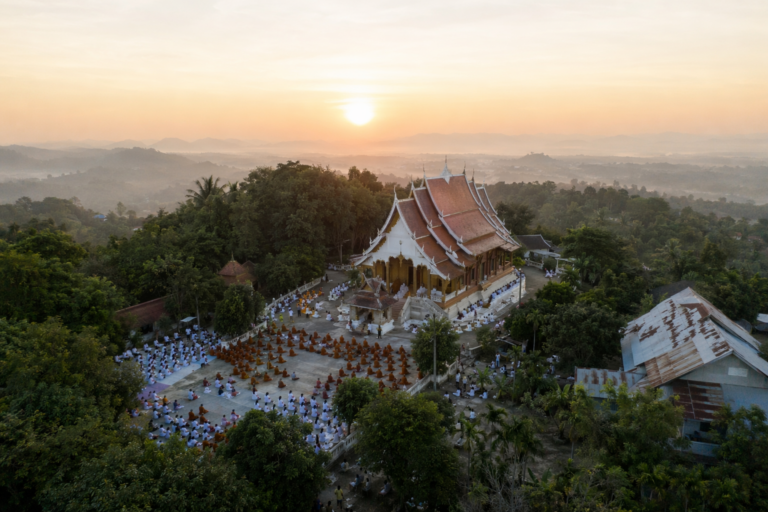
Key Highlights
-
Vassa, known as Buddhist Lent, is a three-month rains retreat for buddhist monks.
-
This time starts around a full moon and follows a lunar calendar, not a set western date.
-
In Theravada groups, the first day of Vassa happens after Asanha Bucha Day.
-
During Vassa, monks stay at their monasteries. They focus on meditation, prayer, and their monastic life.
-
Around Australia, local temples may mark the retreat with offerings, sermons, and time for the whole community.
-
The rains retreat means a lot to both monks and people who follow the buddhist faith.
Introduction
If you want to know what Vassa means and why it is important, you are not the only one. In Buddhism, Vassa is the yearly rains retreat. This is a time for extra reflection, holding back, and focused practice. People often call it Buddhist Lent because it goes on for months and changes the way monks and others do things. In Australia, many people in Buddhist groups mark this time by going to the temple, making offerings, and quietly supporting the monks as they start this big part of the year.
Understanding the Beginning of Vassa (Buddhist Lent) and Its Significance
The start of Buddhist Lent is the time when the rains retreat begins. This is when monks enter a quiet and steady part of monastic life. It comes after an important full moon and is set by the lunar cycle.
For Buddhists, this time is special as it means they focus more on spiritual practice. Monks stay near their temple, spend more time on meditation and prayer, and cut back on travel. This way of living affects the whole community. That’s why the beginning of Vassa is handed with care and respect by everyone.
What Is Vassa and Why Is It Known as the Rains Retreat?
Vassa is an annual retreat that goes for three months. It’s held in a lot of Buddhist traditions, mainly in places where the rainy season has played a big part in their way of life for a long time. People often call it the rains retreat because it happens during the rainy season, when there’s the most heavy rain through the year.
In the past, Buddhist monks stayed in one single place while the monsoon season was on, instead of travelling around the countryside. This helped them not harm crops that were coming up and also kept them safe during heavy rains. With time, this good choice became an important rule for the monastic community.
Now, the old name still makes a lot of sense. While it’s the rains retreat, monks keep to temples and monastery grounds and use this time for study, prayer, and doing intensive practice. That’s the main reason Buddhist Lent is connected so much with that idea of being still while the rainy season goes on.
Historical Roots and Spiritual Meaning in Buddhist Tradition
The roots of Vassa go all the way back to the time of the Buddha. Back then, holy men and monks would change how they travelled in the wet season. In Buddhism, this is now a set part of monastic life, and marks a special time for discipline in the monk’s life.
The meaning of Vassa isn’t just about the past. Vassa gives everyone a chance to live with more focus. People shape this time by following the Buddha’s teachings. They spend more time on prayer, meditation, and holding back from some things. For monks, the way of life becomes slow and careful during this season.
The start of Vassa is important. It shows the time when monks begin to work harder on their spiritual life, while communities give support. Vassa is still linked to ascetic practices of old, but it is also a true sign of training, devotion, and the idea of keeping up tradition that connects monks to the past and present in Buddhism.
Key Dates for the Start of Vassa 2026 in Australia
Vassa does not always start on the same Western calendar day each year. Instead, the first day is set by a lunar system. So, the timing can change every year. The season starts around the full moon day of Asanha Bucha. The formal first day begins right after that.
In 2026, for Australia, Buddhist Lent will be set by the lunar calendar that is followed by local temples. If you want to know the exact first day, it is best to check with your nearest temple for their 2026 notice. Each community may say their own date because they have their own way of marking Buddhist Lent.
When Does Vassa Begin in 2026?
The first day of Vassa in 2026 is not set on the same date every year in the Gregorian calendar. Buddhist Lent goes by lunar months, so the date will change each year. But the way people figure out the date stays the same.
In this tradition, the first day of Vassa is the first day of the waning moon in the eighth lunar month. This is right after Asanha Bucha Day and is called Wan Khao Phansa. It is the day buddhist monks start their retreat and lent.
If you want to know when the first day of Vassa falls in 2026 in Australia, here is what you need. Go by the Wan Khao Phansa date that is observed in your local area. Most temples in Australia follow the same lunar method to work out the date and will tell their communities the exact date when the time comes.
How the Date Is Determined and Its Alignment with Khao Phansa Day
The date is determined through lunar months rather than a fixed solar calendar. Asanha Bucha Day falls on an important full moon day, and Khao Phansa Day follows immediately after it. That sequence is central to the start of the retreat.
In simple terms, Asanha Bucha is the major observance first, while Wan Khao Phansa marks the entry into Buddhist Lent. The start of Vassa is therefore tied to the eighth lunar month and begins on the first day after that full moon point.
|
Observance |
Place in the sequence |
Meaning for Vassa |
|---|---|---|
|
Asanha Bucha Day |
Full moon day in the eighth lunar month |
Major temple observance before the retreat begins |
|
Khao Phansa Day |
Day after Asanha Bucha Day |
Formal start of Buddhist Lent |
|
First day of the waning moon |
Lunar marker used for timing |
Signals entry into the rains retreat |
For anyone in Australia, this explains why local temple calendars matter so much.
Rituals, Traditions, and Observances Marking Vassa’s Commencement
The Vassa season starts with special ceremonies in local temples. People bring offerings, listen to sermons, and show support for Buddhist monks. These traditions are important for everyone, as they mark a time when the whole community pays more attention to being disciplined.
At local temples, both the monks and lay practitioners do their part. Some people keep things quiet and spend time in prayer. Other groups light candles, hold processions, and join in chanting. To get a better idea of what happens, it’s good to look at what buddhist monks do and how lay practitioners take part, as each group has their own customs.
Ceremonies and Customs Observed by Buddhist Monks
At the start of Vassa, buddhist monks get ready to stay in the temple or nearby for the next three months. This time brings a real shift in monastic life. There’s more focus on prayer, quiet thinking, and intensive meditation each day.
Inside the temple, people often take part in chanting, sermons, and bringing offerings that are all tied to this special time. On asanha bucha day, buddhist monks can be heard chanting mantras and sharing the Buddha’s first sermon. In some places, people go out with candles and walk around the shine after the sun goes down.
Here are some things people usually do when Vassa begins:
-
listen to sermons about dhamma
-
get offerings from the locals and supporters
-
kick off a more regular temple routine
-
put more focus on precepts and keeping discipline
-
wear robes and give or take them as offerings
-
start a time of more intensive meditation
All these events highlight how the first days of Vassa change the everyday life of the monks.
Involvement of Laypeople in Australian Buddhist Communities
Lay practitioners are very important at the start of Vassa. Monks go into the retreat right away, but Buddhist lay people help by visiting local temples. They bring offerings and join community prayers. Their help keeps the monastic community strong during this quiet time.
During Vassa, lay life and temple life come together. People go to local temples to hear sermons. They might give food or flowers. Many also join candle ceremonies. In some places, families head back to their local temples for the event. So, the day feels both close to home and a big part of the whole community.
In Australia, it is much the same, even if what each temple does is a bit different. If you go, just be respectful. Follow the rules of the temple. Stay quiet and join in on things the temple says are okay. This support is a good way for people like us to take part in Vassa with the monastic community and others at the local temples.
The Role of Festivals Like Asalha Puja at the Start of Buddhist Lent
Festivals like Asalha Puja, which people also call Asanha Bucha Day, help set up for Buddhist Lent. These days are not apart from what the season means. Instead, they lead right into it with sermons, chanting, making offerings, and thinking about dhamma.
Vassa, or the lent, starts the next day in this custom. So, these Buddhist festivals are like a doorway for people’s spirit. They help everyone come together, recall the big teachings, and move into the retreat with thought. In the next parts, we will look at how this link works and how it can be different in each Buddhist country.
Understanding Asalha Puja and Its Connection to Vassa
Asalha Puja, also known as Asanha Bucha Day, is a major day that comes right before the rains retreat starts. It happens on the full moon day and people go to temples for it. Here, there will be sermons, chanting, or offerings. This day is an important start for the Buddhist Lent.
The meaning of this day is strong for people in Buddhism. Monks will read or say the first sermon of the Buddha on this day. This is all about the teaching of dhamma. It is also joined to a big moment when the Buddha spoke at Deer Park.
The link to the rains retreat, or Buddhist Lent, is easy to see but matters a lot. Asalha Puja, or Asanha Bucha Day, brings people together to think and be still. The next day, the rains retreat—or Lent—really starts. One day helps you get your heart or mind ready. The next day the monks and others go into the rains retreat and can work on their discipline until the full moon day comes again.
Comparing Observances Across Buddhist Countries
Yes, there are some ways in which the start of the rains retreat is observed differently across Buddhist countries. The information collected here mainly talks about Theravada Buddhism in Southeast Asia, especially how it is done in Thailand. In Thailand, the season is made public and is a big part of temple rituals and local festivals.
In Thailand, you will get to see big days at Asanha Bucha and Wan Khao Phansa. People often have processions, fancy candles, offer alms, and hold ceremonies at the temple. There are places, like Ubon Ratchathani, where people have big public festivals, making the start of this period quite clear for everyone.
But, how things are done can depend on the country and tradition:
-
Theravada Buddhism usually keeps the rains retreat quite set and strong
-
Thailand gives a lot of attention to candle festivals and temple events
-
Some countries put more or less public focus on the start day compared to Thailand
-
Mahayana groups may not show the season in the same way
So, the main meaning is still there, but what people do can look different.
Conclusion
The start of Vassa is a special time in the Buddhist tradition. It means a lot to both monks and other people. This Rains Retreat is a time for people to think about their lives and grow in their faith. It also helps bring everyone together through the rituals and events that they share.
As Vassa 2026 comes closer in Australia, focusing on things like mindfulness and being kind to others can make this time even better for you. You can join in by attending ceremonies or by learning more about what the Buddha taught. There are many ways for the people to be part of this. If you want to join Vassa events in Australia and want to know how to do so in the right way, you can always ask for more details.
Frequently Asked Questions
Why is the beginning of Vassa significant for both monks and laypeople?
The start of buddhist lent is important. It marks a time when people share in spiritual practice. Monks begin lent with a stricter routine and more focus. The people help them by giving offerings, going to the temple, and taking part in ceremonies. This brings everyone closer and gives Vassa real value for the whole community.
What changes do Buddhist monks make during the Rains Retreat?
During the rains retreat, Buddhist monks stay mostly near their monastery or temple grounds. They do not travel much at this time. Their monastic life becomes more settled. They put greater focus on intensive meditation, prayer, discipline, and study. The way they spend this time shows how old ascetic practices are still a part of the annual retreat.
How can I respectfully join Vassa observances in Australia?
If you want to join the Vassa observances in Australia, first check with the local temples about the time and customs. Go there, be quiet, and follow any advice you get. Only join in if you are asked. A lot of lay practitioners take part by making offerings, hearing the sermons, and showing their support with respect during the retreat.