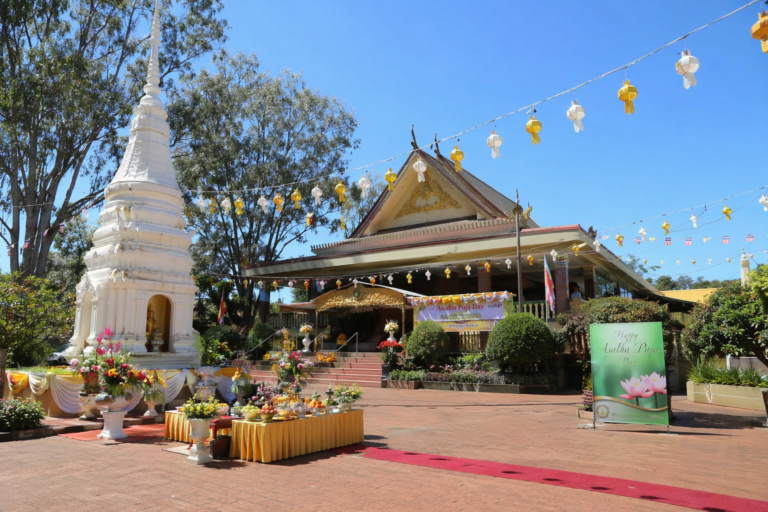
Key Highlights
-
Asalha puja, also called dharma day, is a sacred day in buddhism.
-
It remembers buddha’s first sermon after he reached enlightenment. He gave this talk to five of his early disciples.
-
This event is tied with the noble truths and is seen as the start of the buddhist faith.
-
The holy day mostly happens in july, on the full moon of the eighth lunar month.
-
On this day, many buddhists go to temples where they listen to sermons, take time to meditate, and make offerings.
-
It’s also a good time for renewal. People show gratitude and make a fresh promise to follow dharma.
Introduction
Asalha Puja, which some people call Dharma Day, is one of the most important sacred days in Buddhism. This day is about when the Buddha first shared dharma with others after he reached enlightenment. The teachings that he gave at that time are now at the heart of Buddhist life. For many, this sacred day is a time to feel grateful, look back on their lives, and make new promises to keep practising. If you want to know why Asalha Puja matters in Australia, it’s good to know what it means, where it started, and how it fits with the rest of the Buddhist calendar.
The Meaning and Origins of Asalha Puja (Dharma Day)
Asalha Puja marks the beginning of Buddhism as a teaching tradition. On this day, the Buddha gave his first sermon after reaching enlightenment. He spoke to five disciples and shared the key ideas of the dhamma.
The main focus of this event is the noble truths and the path the Buddha gave for ending suffering. Because of this, Asalha Puja is not just about history. It also means a lot to Buddhists now. Next, you will learn about the first sermon, and why this full moon day is still so important.
The Story Behind Buddha’s First Sermon and the Turning of the Wheel of Dharma
After his enlightenment, Buddha went out to find the five disciples. He wanted to share what he knew with them. This is known as Buddha’s first sermon. People also link it to the deer park, and they see it as the time his wisdom started to go out into the world.
In Buddhist tradition, people connect this sermon with the dhammacakkappavattana sutta. That’s what many call the first turning of the wheel of dharma. When you hear “wheel of dharma,” it’s about sending the truth into the world through teaching, giving advice, and practice.
Why is this first sermon so important? Buddha spoke about what people now call the noble truths, and he showed the way to end suffering. So, when people do Asalha puja, they are marking more than just a first speech. They honour the start of Buddha’s teachings in public and the way dhamma really began to spread.
Why Asalha Puja is a Key Date in the Buddhist Calendar
In the Buddhist calendar, Asalha Puja takes place on the full moon day of the eighth lunar month. Most of the time, this is in July. That’s the reason many people call it a mid-year sacred day.
The date of Asalha Puja changes each year. It’s not set for a certain day on the normal calendar because it uses the lunar cycle. For Buddhist people, the timing gives the day its own spot for reflection and devotion. This time is important at the temple and in their lives.
Asalha Puja is a big date because it marks when Buddha’s teachings started in the world. For those who follow Buddhist faith, this sacred day is a chance to show commitment again. They listen to sermons, think more about dharma, and focus on what Buddha said. That’s why this full moon day is still a key part of temple life, now and every year.
The Significance of Asalha Puja for Buddhists in Australia
For buddhist communities in Australia, asalha puja is as important here as it is anywhere. It’s the day when buddha gave his first buddhist teachings. This gives everyone a reason to look back at the heart of their faith and way of life.
In Australia, this day is a chance for families, temples, and lay communities to keep their ties to tradition strong. The time is for coming together, learning, taking part in puja, meditating, and thinking about good things. If you want to know how asalha puja is part of everyday life, it helps to see how people use their personal practice and how this joins with Buddhist Lent.
How Australian Buddhists Connect with Dharma Day
Across Australia, many Buddhists take part in dharma day by coming together at temples or sitting quietly at home. The point isn’t about putting on a show. People focus on mindfulness, feeling thankful, and hearing buddha’s teachings again.
For lay communities, dharma day can be a good time to stop and take a breath. Families go to puja, listen to buddhist monks give sermons, or sit down for some meditation. The day often feels close and shared, but also personal. That gives dharma day its strong pull for people.
Common ways Australian Buddhists mark dharma day include:
-
attending temple services and puja
-
listening to sermons on dhamma and the noble truths
-
joining guided meditation and chanting
-
showing respect and support to buddhist monks
-
thinking about precepts and their day-to-day actions
The Link Between Asalha Puja and the Start of Buddhist Lent
Asalha puja is tied closely to the start of Buddhist Lent. The information here tells us this day is when a three-month retreat begins for monks. So, it is not just about one day.
In Thailand, this next part is called wan khao phansa. Asalha puja takes place in July on the full moon of the eighth lunar month. It sits right next to this change in the Buddhist year.
Why is that important? It gives the day more meaning and shows how people get ready for what is to come. Buddhists honour buddha’s first teaching on asalha puja. Then, they look toward a time of discipline, thinking, and staying true to monastic life. This bond is why asalha puja is seen as one of the most sacred observances in theravada Buddhism.
Traditional Ceremonies and Observances on Dharma Day
On this sacred day, people show respect for buddha and pay fresh attention to dharma. Asahla puja often includes sermons, time for meditation, chanting, and acts of devotion. You can see these in temples and also in monasteries.
One common thing is a candle-lit procession around the temple grounds. Buddhist monks lead much of what goes on that day. They help people think about buddha’s first teaching. If you want to get to know these rituals better, let’s see what happens in Australian homes and in temple communities.
Common Rituals Practised in Australian Temples and Homes
In Australia, people can mark Asalha puja at a temple or in their own homes. Some like to be with big groups, but there are also many who spend the day in a quiet way. They may pray, think about buddha’s teachings, and do simple things to show their respect.
Temples usually lead the day’s events. Buddhist monks share the precepts, give sermons, chant with everyone, and help people with meditation. At home, families might light incense, give small gifts as offerings, and really think about buddha’s teachings.
Typical things people do include:
-
lighting incense to show respect
-
bringing offerings to temples
-
listening to sermons from buddhist monks
-
joining in meditation sessions
-
chanting with others in the community
-
taking part in candle-lit processions if they take place
These rituals help people remember and live out what buddha taught.
Special Offerings, Meditation, and Community Gatherings
For many Buddhists, giving offerings is a simple and meaningful way to show love and respect. People will go to temples to help out, thank the sangha, and show what buddha’s teachings mean in their lives.
Meditation is also at the heart of dharma day. On this day, people spend quiet time to think about suffering, the noble truths, and how dhamma can guide real life. It is not just a ceremony. This is a way to use the teachings in everyday life.
Community get-togethers bring people warmth and a shared goal. People pray together, listen to sermons, chant, and see others in the buddhist faith. These moments help keep temples, monks, and lay supporters close. This makes Asalha puja a day not only for spiritual practice, but also for a caring community.
How Asalha Puja (Dharma Day) is Celebrated Around the World
Asalha puja is marked in places like Thailand, Sri Lanka, India, and Myanmar where Buddhist traditions guide the way of life. The meaning behind dhamma day is the same everywhere, but local habits and customs can change how people in each country celebrate it.
Even with these changes, the same things usually happen. People get together to listen to sermons, take part in meditation, make offerings, join in chanting, and show respect at the temple. All of these activities are linked to buddha’s first teaching. In the next sections, you will see how these customs look different in each country and how, in some places, dhamma day is spent in a good way with folks who are not Buddhist. Respect is always at the heart of it.
Unique Practices from Thailand, Sri Lanka, and Other Countries
Different countries celebrate Asalha puja through local ceremonies, but all remain focused on buddha’s first sermon and gratitude for dhamma. In some places, temple visits and sermons stand out. In others, processions and the link to monastic retreat are more visible.
Thailand is especially known for the close connection between Asalha puja and wan khao phansa. Sri Lanka, India, and Myanmar also observe the day within their own Buddhist traditions, often through chanting, meditation, and offerings.
|
Country |
Common focus on Asalha Puja |
|---|---|
|
Thailand |
Temple ceremonies, sermons, candle-lit processions, and the lead-in to wan khao phansa |
|
Sri Lanka |
Devotional observances, listening to dhamma, meditation, and offerings |
|
India |
Remembrance of buddha’s first teaching and the historic place of that sermon |
|
Myanmar |
Community ceremonies, chanting, meditation, and support for monks |
Ways Dharma Day Traditions Are Shared with Non-Buddhist Friends
Dhamma day can also be shared in easy ways with people who are not Buddhists. The information put together shows that this day is a good time to learn about buddha’s teachings. People can hear what this day means to Buddhists and come to it with an open mind.
In lay communities, friends can be asked to watch quietly, go to a talk, or join a chat about the noble truths and eightfold path. It is very important to have respect for the day. People should do things that support mindfulness, not turn the day into just a social event.
Good ways to share the day are:
-
listen with care to sermons or talks
-
join a quiet meditation if you are asked
-
ask good questions about what the day means
-
watch and follow temple rules and guidance
-
be open and gentle to the teachings
Conclusion
Asalha Puja, also called Dharma Day, is a special day that means a lot in Buddhism. It marks the time when Buddha gave his first sermon. Buddhists in Australia see this day as a good time to think about the teachings of the Buddha. It is also a chance to meet with their community by joining in old customs and coming together for puja and other shared ways to celebrate.
People all over the world join in these celebrations, showing how strong and rich Buddhist culture can be. These moments remind us that Dharmic values go beyond country borders and help bring people together.
If you want to mark this big day in 2026, you might join local events or just celebrate with your friends. It does not matter if they are Buddhists or not. Take in the real feeling of Dharma Day. Let what you learn push you towards a better life.
Frequently Asked Questions
When is Asalha Puja (Dharma Day) in 2026 in Australia?
Asalha puja in Australia happens on the full moon day of the eighth lunar month. This time is often in July. There is no set date for Asalha puja in 2026, because it goes by the lunar calendar, not the normal one. So, each year the full moon day of the eighth lunar month can change a bit.
Can Non-Buddhists Participate in Asalha Puja Activities?
Yes, people who are not buddhists can join in asalha puja if they get invited by lay communities or temples. It is good to be quiet, listen well, and ask polite questions. The main thing is to show respect for the buddhist faith and follow what the locals suggest. You should see this asalha puja as an important and special day, not just something casual.
What Makes Asalha Puja Especially Important for Theravada Buddhists?
Asalha Puja matters a lot to Theravada Buddhists. This day marks Buddha’s first teaching of the dhamma, where he shared the noble truths. It’s also the start of the monks’ retreat time, which is an important part for buddhist monks each year. For monks and all Buddhists, Asalha Puja gives a good moment for thinking back, showing devotion, and making a fresh commitment to their path.