Quick answer: July 2026 in New Zealand features Plastic Free July, ongoing Matariki celebrations, and over 20 cultural and religious observances. Key dates include World Chocolate Day (7 July), Nelson Mandela International Day (18 July), and World Nature Conservation Day (28 July), alongside major Hindu, Jewish, Buddhist, and Christian festivals.
July is one of the most culturally rich months on New Zealand’s calendar. It brings together Māori traditions, environmental campaigns, international awareness days, and religious festivals from many of the communities that call Aotearoa home. The middle of winter becomes a season of reflection, connection, and quiet celebration.
This guide is built for families planning activities, educators preparing lessons, businesses organising workplace initiatives, community groups coordinating events, and content creators looking for a reliable reference. Whatever your reason, you’ll find clear dates and practical ideas here.
Below, you’ll find a complete July 2026 calendar—organised by date, by faith tradition, and by theme—plus simple ways to take part. Bookmark it now and use it throughout the month.
Month-Long Observances
What is Plastic Free July and why do New Zealanders take part?

Plastic Free July is a global movement that encourages people to cut single-use plastic for the whole month. It began in 2011 in Western Australia, started by Rebecca Prince-Ruiz and a small local team. Today, millions of people across more than 170 countries take part.
New Zealand communities embrace the campaign because it fits naturally with the country’s strong environmental values. With native ecosystems, clean beaches, and marine life worth protecting, reducing plastic waste feels personal here.
Here are simple ways to take part:
- At home: Swap plastic wrap for beeswax wraps, carry reusable bags, and choose loose produce over packaged.
- At school: Run a waste-free lunchbox challenge or a classroom audit of single-use items.
- At work: Replace disposable cups with reusables and set up clear recycling stations.
Small swaps add up. Even reducing plastic for one month can build habits that last well beyond July.
Matariki: New Zealand’s Major Winter Celebration
What is Matariki and why does it matter?
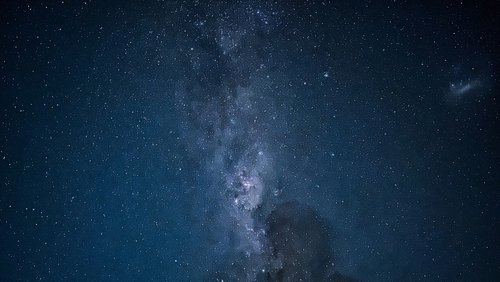
Matariki is the Māori New Year, marked by the rising of the Matariki star cluster (also known as the Pleiades) in the winter sky. It is a time for reflection, remembrance of those who have passed, celebration of the present, and planning for the year ahead.
The Matariki star cluster holds deep significance in Māori tradition. Each star is connected to different aspects of wellbeing and the environment, from freshwater and food gathered from the land to the winds and the rain.
A quick note on the date: Matariki is a public holiday in New Zealand, but the date changes each year based on the Māori lunar calendar. In 2026, the public holiday falls in June. Many educational and community activities, however, continue well into July.
Communities across Aotearoa celebrate in many ways—from dawn ceremonies (hautapu) to fireworks displays, storytelling evenings, and shared meals.
Family-friendly Matariki activities include:
- Stargazing to spot the Matariki cluster on a clear winter night
- Sharing kai (food) with whānau and friends
- Writing down hopes and goals for the year ahead
- Learning the names and meanings of the nine Matariki stars
July 2026 Holidays by Date
4 July — International Day of Cooperatives
This United Nations observance celebrates cooperatives and their role in building fairer economies. Cooperatives are owned and run by their members, sharing profits and decisions.
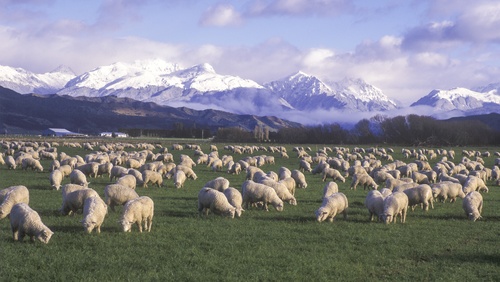
New Zealand has a strong cooperative tradition, particularly in farming and dairy. You can support the movement by choosing to buy from cooperative businesses and credit unions in your community.
7 July — World Chocolate Day
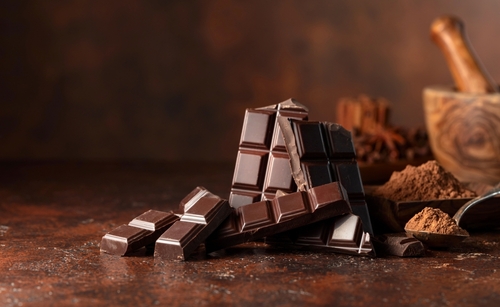
World Chocolate Day marks the day chocolate is believed to have first arrived in Europe in 1550. It’s a delicious excuse to enjoy a treat.
New Zealand has plenty of local chocolate makers to support, including Whittaker’s, Devonport Chocolates, and OCHO in Dunedin. Celebrate by hosting a tasting at home, baking with the kids, or simply sharing a block with someone you love.
10 July — Fast of Tammuz
The Fast of Tammuz (Shiva Asar B’Tammuz) is a Jewish fast day. It marks the breaching of the walls of Jerusalem before the destruction of the Second Temple.
Observers fast from dawn until nightfall. In New Zealand’s Jewish community, the day is marked through prayer and reflection, beginning a three-week period of mourning that leads to Tisha B’Av.
11 July — World Population Day
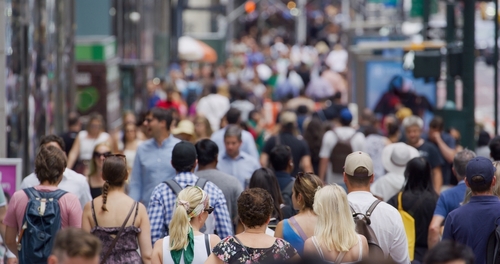
World Population Day raises awareness of global population issues, including health, rights, and sustainability. The UN established it in 1989.
As a small nation with a growing, diverse population, New Zealand plays its part in global conversations about sustainable development and equitable access to resources.
15 July — World Youth Skills Day

This UN day highlights the importance of equipping young people with skills for work and life. Education and lifelong learning sit at its heart.
In New Zealand, this is a good moment to spotlight vocational training, apprenticeships, and career pathways. Supporting young people through mentoring or work experience makes a real difference.
17 July — World Emoji Day
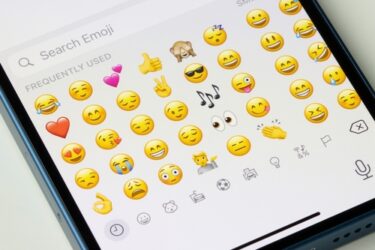
World Emoji Day celebrates the little icons that shape how we communicate online. The date was chosen because the calendar emoji shows 17 July.
It’s a fun, light-hearted observance. Try a family game of guessing songs or movies described only in emoji, or learn how emoji have changed digital conversation.
18 July — Nelson Mandela International Day
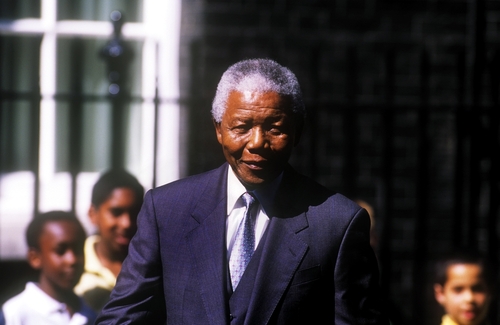
Nelson Mandela International Day honours the legacy of the anti-apartheid leader and former South African president. The UN encourages people to give 67 minutes of service—one minute for each year of Mandela’s public life.
Mark the day by volunteering for a local charity, donating to a community cause, or simply helping a neighbour. Small acts of service capture the spirit of the day.
19 July — Guru Purnima
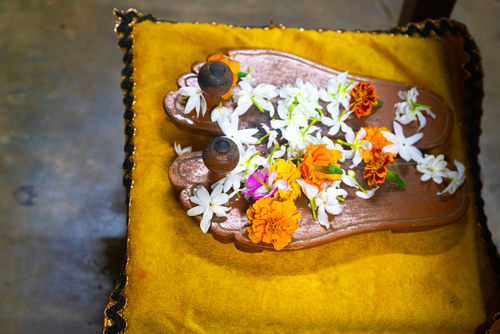
Guru Purnima is a day to honour teachers and spiritual guides. It is observed across Hindu, Buddhist, and Jain traditions.
Within New Zealand’s multicultural communities, the day is marked with gratitude towards mentors and teachers, often through prayer, gatherings, and offerings.
20 July — Start of Shravan (Sawan), Asalha Puja, and Vassa
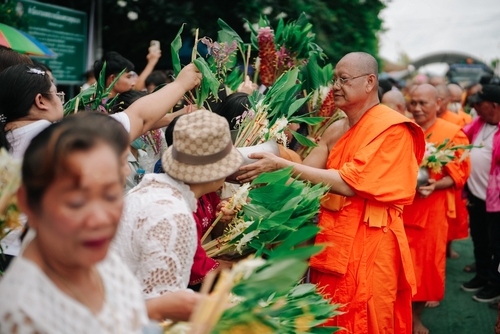
Three significant observances fall on this date.
- Start of Shravan (Sawan): Shravan is one of the holiest months in the Hindu calendar. Many devotees fast, particularly on Mondays, and offer prayers to Lord Shiva.
- Asalha Puja (Dharma Day): This Buddhist festival celebrates the Buddha’s first teaching after his enlightenment. It is observed in temples with chanting, reflection, and offerings.
- Vassa (Buddhist Lent) Begins: Vassa is a three-month retreat period for Buddhist monks, traditionally during the rainy season. In New Zealand, monastic communities mark it with deeper study and meditation.
22 July — Tisha B’Av and the Feast of St Mary Magdalene
- Tisha B’Av: This is the most solemn fast day in the Jewish calendar, mourning the destruction of both Temples in Jerusalem. The community observes it with fasting, prayer, and the reading of Lamentations.
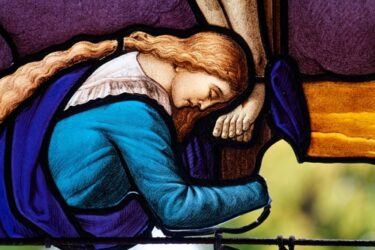
- Feast of St Mary Magdalene: Christians honour Mary Magdalene, a devoted follower of Jesus and the first witness to the resurrection. Churches mark the day with special services.
24 July — International Self-Care Day

International Self-Care Day promotes physical and mental wellbeing. The date (24/7) reflects the idea that self-care matters every day, all year round.
Simple self-care ideas include rest, movement, time in nature, and connecting with loved ones. New Zealand wellbeing resources such as the Mental Health Foundation and 1737 (free call or text) offer support when you need it.
25 July — Feast of St James the Apostle
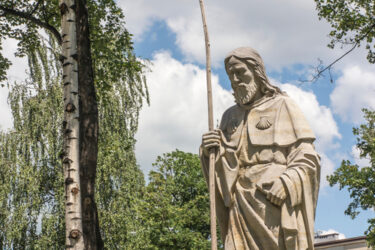
This Christian feast honours St James, one of Jesus’s twelve apostles. He is closely linked to the famous Camino de Santiago pilgrimage in Spain.
Churches across New Zealand mark the day with services and, for some, reflection on the tradition of pilgrimage.
28 July — World Nature Conservation Day
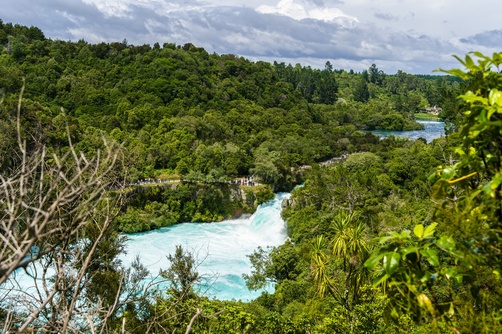
World Nature Conservation Day highlights the importance of protecting natural resources and biodiversity.
This day carries special weight in New Zealand, home to unique native species found nowhere else on Earth—including the kiwi, kākāpō, and tuatara. You can help by supporting predator-free projects, planting natives, or volunteering with local conservation groups.
30 July — International Day of Friendship

The UN International Day of Friendship celebrates the bonds between people, cultures, and countries. It promotes peace and understanding.
Mark the day with simple gestures: reconnect with an old friend, organise a community gathering, or run a kindness activity in the classroom.
31 July — Tu B’Av and the Start of Safar
- Tu B’Av: Often called the Jewish Day of Love, Tu B’Av is a joyful occasion historically linked to matchmaking. Today it is celebrated much like a day of love and connection.
- Islamic Month of Safar Begins: Safar is the second month of the Islamic lunar calendar. It is observed by New Zealand’s Muslim community as part of the ongoing cycle of the Islamic year.
Hindu Festivals in July 2026
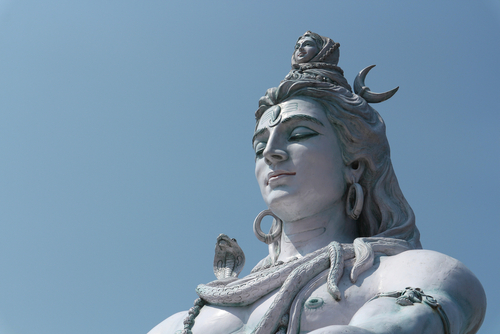
New Zealand’s Hindu community marks several important festivals during July.
- Jagannath Rath Yatra: A grand chariot festival honouring Lord Jagannath. Deities are pulled through the streets on elaborately decorated chariots, and Hindu communities here gather to celebrate.
- Devshayani Ashadhi Ekadashi: A sacred day of fasting and devotion that marks the beginning of Chaturmas, a four-month period of spiritual observance.
- Guru Purnima (19 July): A day to honour spiritual teachers and gurus.
- Start of Shravan/Sawan (20 July): The sacred month dedicated to Lord Shiva, observed with fasting and worship.
Jewish Observances in July 2026
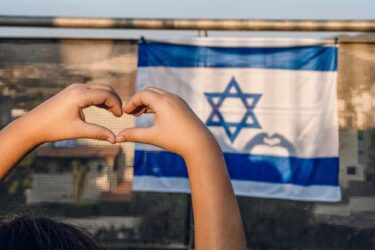
- Fast of Tammuz (10 July): A dawn-to-dusk fast marking the breach of Jerusalem’s walls.
- Tisha B’Av (22 July): The most solemn day of mourning in the Jewish year.
- Tu B’Av (31 July): A joyful day celebrating love and connection.
Buddhist Observances in July 2026
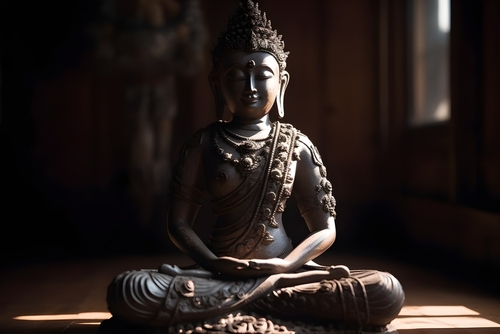
- Asalha Puja (Dharma Day, 20 July): Celebrates the Buddha’s first sermon.
- Vassa (Buddhist Lent, begins 20 July): A three-month period of retreat and reflection for monks.
Christian Feast Days in July 2026
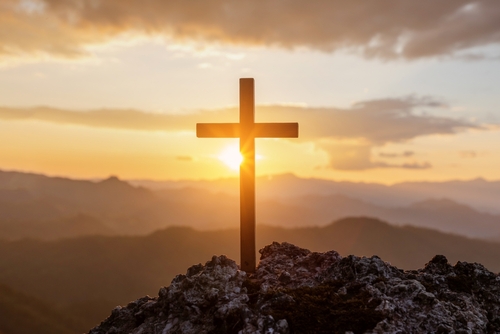
- Feast of St Mary Magdalene (22 July): Honours the first witness to the resurrection.
- Feast of St James the Apostle (25 July): Honours one of the twelve apostles and the patron of pilgrims.
July 2026 New Zealand Holidays Calendar at a Glance
| Date | Holiday |
| Month-long | Plastic Free July |
| Throughout July | Matariki celebrations and community events |
| 4 July | International Day of Cooperatives |
| 7 July | World Chocolate Day |
| 10 July | Fast of Tammuz |
| 11 July | World Population Day |
| July (date varies) | Jagannath Rath Yatra |
| July (date varies) | Devshayani Ashadhi Ekadashi |
| 15 July | World Youth Skills Day |
| 17 July | World Emoji Day |
| 18 July | Nelson Mandela International Day |
| 19 July | Guru Purnima |
| 20 July | Start of Shravan (Sawan) |
| 20 July | Asalha Puja (Dharma Day) |
| 20 July | Vassa (Buddhist Lent) Begins |
| 22 July | Tisha B’Av |
| 22 July | Feast of St Mary Magdalene |
| 24 July | International Self-Care Day |
| 25 July | Feast of St James the Apostle |
| 28 July | World Nature Conservation Day |
| 30 July | International Day of Friendship |
| 31 July | Tu B’Av |
| 31 July | Islamic Month of Safar Begins |
Ways to Celebrate July Holidays in New Zealand
- Learn about Matariki through local iwi events, museums, or community celebrations that continue beyond the public holiday.
- Join Plastic Free July by making sustainable swaps at home, school, or work.
- Volunteer for a local charity or community organisation on Nelson Mandela International Day.
- Visit national parks, beaches, or conservation projects on World Nature Conservation Day to support environmental protection.
- Explore New Zealand’s multicultural communities by attending religious or cultural events open to the public.
- Celebrate international awareness days with educational activities, family discussions, or workplace initiatives.
Frequently Asked Questions
What are the biggest holidays and observances in New Zealand during July 2026?
The most significant are Plastic Free July (month-long) and ongoing Matariki celebrations. Other widely recognised dates include World Chocolate Day (7 July), Nelson Mandela International Day (18 July), International Self-Care Day (24 July), and World Nature Conservation Day (28 July).
Is Matariki celebrated in July 2026?
The Matariki public holiday in 2026 falls in June, as its date follows the Māori lunar calendar and changes each year. However, many Matariki community events, school activities, and cultural celebrations continue into July across New Zealand.
What is Plastic Free July?
Plastic Free July is a global campaign encouraging people to avoid single-use plastic for the whole month. It began in Western Australia in 2011 and now involves millions across 170-plus countries. New Zealanders take part to protect the country’s beaches, oceans, and native wildlife.
What international awareness days take place in July?
July includes several UN observances: International Day of Cooperatives (4 July), World Population Day (11 July), World Youth Skills Day (15 July), Nelson Mandela International Day (18 July), International Self-Care Day (24 July), World Nature Conservation Day (28 July), and International Day of Friendship (30 July).
What Jewish holidays occur during July 2026?
Three Jewish observances fall in July 2026: the Fast of Tammuz (10 July), Tisha B’Av (22 July), and Tu B’Av (31 July). The first two are solemn fast days of mourning, while Tu B’Av is a joyful day celebrating love.
What Hindu festivals are celebrated during July?
Key Hindu festivals include Jagannath Rath Yatra, Devshayani Ashadhi Ekadashi, Guru Purnima (19 July), and the start of Shravan/Sawan (20 July). Shravan is a sacred month dedicated to Lord Shiva, observed with fasting and prayer.
What Buddhist observances fall in July?
Two major Buddhist observances occur on 20 July: Asalha Puja (Dharma Day), which celebrates the Buddha’s first teaching, and the beginning of Vassa (Buddhist Lent), a three-month retreat period for monks focused on study and meditation.
What Christian feast days are observed during July?
Two Christian feast days fall in late July: the Feast of St Mary Magdalene (22 July), honouring the first witness to the resurrection, and the Feast of St James the Apostle (25 July), who is the patron saint of pilgrims.
What is the Islamic month of Safar?
Safar is the second month of the Islamic lunar calendar, beginning on 31 July 2026. It is observed by New Zealand’s Muslim community as part of the yearly Islamic cycle, marked by ongoing prayer and daily religious practice.
How can families celebrate July holidays in New Zealand?
Families can stargaze for Matariki, make plastic-free swaps, volunteer together on Nelson Mandela International Day, visit a conservation project, or enjoy chocolate on World Chocolate Day. School holidays in July also make it a great time for cultural and educational activities.
Why is World Nature Conservation Day especially important in New Zealand?
New Zealand is home to unique native species found nowhere else, including the kiwi, kākāpō, and tuatara. Many face threats from introduced predators. World Nature Conservation Day (28 July) is a chance to support predator-free projects and protect local ecosystems.
How can schools and workplaces recognise July observances?
Schools can run waste-free lunchbox challenges for Plastic Free July, Matariki lessons, or emoji games for World Emoji Day. Workplaces can set up reusable cup schemes, organise volunteering for Nelson Mandela Day, or share wellbeing resources for International Self-Care Day.
Key Takeaways
- Plastic Free July runs all month, encouraging New Zealanders to cut single-use plastic and protect native ecosystems.
- Matariki public holiday falls in June 2026, but cultural celebrations and school activities continue into July.
- July 2026 includes more than 20 observances across Hindu, Jewish, Buddhist, Christian, and Islamic traditions, reflecting New Zealand’s diverse communities.
- Major international dates include Nelson Mandela International Day (18 July), International Self-Care Day (24 July), and World Nature Conservation Day (28 July).
- World Nature Conservation Day holds special meaning in Aotearoa, home to unique species like the kiwi and tuatara.
A Month That Reflects Aotearoa
July brings together everything that makes New Zealand’s cultural calendar special: Māori heritage through Matariki, environmental care through Plastic Free July and World Nature Conservation Day, the traditions of diverse faith communities, and a shared focus on global awareness.
Whether you’re planning lessons, workplace activities, family outings, or community events, this calendar gives you a clear, practical starting point. Bookmark this guide and return to it throughout July 2026—there’s something here for everyone in Aotearoa to take part in.