Key Highlights
-
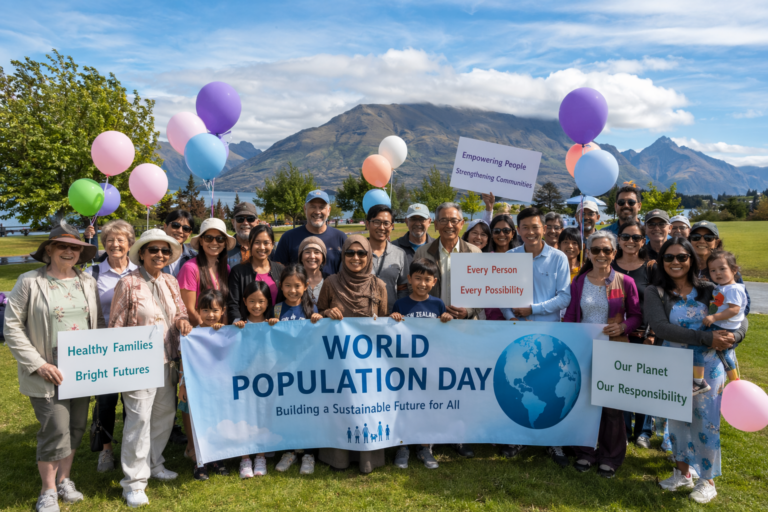
World Population Day is a population day put in place by the United Nations. It happens each year on 11 July.
-
This day brings focus to world population trends, changes in global population, and big population issues that need action.
-
The day shows how population growth links with health, learning, and family planning choices.
-
The story of this day comes from worry about the world population and large events across the world.
-
By 2026, new numbers show the global population will be about 8.3 billion people.
-
In New Zealand, this day is a good chance to learn, talk, and work together on challenges we all share.
Introduction
World Population Day 2026 gives people in New Zealand a time to stop and think about the world population in a new way. This population day is not just about the numbers we see around us. It is really about people, the choices they make, and how changes in global population can shape health, cities, and what we use in our daily lives. It also plays a big part in the future for us all. When you know what is happening around the world, the world population starts to feel much closer and easy to understand. That is why this day is important, at home and all over the world.
Understanding World Population Day
World Population Day is a special day held each year. It draws attention to the world population and how changes in the global population impact daily life. This day helps people know more about big population issues, like population growth and getting access to family planning and health care.
The United Nations uses World Population Day to teach people about these problems. They want people to join in, help out, and take action with others. The day shows us that world population issues are not just numbers that are far away. These challenges touch the lives of people in every part of the world.
The Purpose and Significance of World Population Day
World Population Day helps people see the problems and needs that come with changes in the world’s population. It shows us how population growth connects to things like housing, schools, jobs, people moving from place to place, and the pressure all this puts on our services and resources.
The day also talks about why family planning and reproductive health matter. Many people still do not get to choose how many children to have because of health barriers, money problems, or social rules. This means when we talk about world population and population issues, it is not just about numbers. It is about making sure everyone gets the same rights, support, and chances.
For you, world population and what we all know about it matters a lot. When people and leaders understand what is going on, they can make better choices that help more people. Knowing more about population day and these world changes helps us make choices that protect people, give them respect, and build a better future.
Annual Date and Global Observance
World Population Day happens every year on 11 July. This is an annual event that people in many countries know about, and it gets help from the united nations system. The idea for this day first came from the united nations development programme. This date is set so the world has a time to talk about global population and what it means.
The way people join in around the world is mostly about learning and getting the word out there. The day gives governments, groups, and agencies a chance to share population issues in a way the public can see them and use them.
-
They have talks, run campaigns, and set up local chats about world population day and how people numbers change.
-
They hand out global population data, put out reports, and share learning tools for everyone.
-
They use the day to link rights, health, and thinking about what plans are best for people of all ages.
This time every year helps people turn big global population topics into things local people understand, so everyone has a way to act or help close to home.
The Origins of World Population Day
The story of world population day starts when people around the world began to notice how fast the size of the global population was changing. As more people were added, it got many to think about what that would mean for things like development, health, and how people live together.
Because of this, the united nations decided to make population day an official event. It helps keep world population questions on people’s minds. Knowing about this history can make the day feel more real and tied to what is happening over time, not just a symbol.
Historical Background and UN Involvement
The United Nations has played an important part in shaping World Population Day. It keeps people thinking about world population over the years. The UN sees days like this as a way to teach the public, get support, and make leaders act on big global issues.
A big moment in this story was when the governing council of the united nations development programme set up this day. This happened after the world started to notice population milestones. After that, many united nations groups have explained why changes in population trends are important for health, growth, and planning.
The united nations population division also helps in this work. It shares population estimates and long-term projections that are used in the united nations system. This means World Population Day has strong support, not just words. It is backed up by real data. For people, this makes the day more trusted and links world population changes with real policy questions.
Key Milestones in the Global Movement
The global movement around population has developed through milestones, reports, and international attention to shared global issues. Over time, this has included world population conference discussions, better data systems, and stronger public communication tools. The aim has stayed fairly steady: help people understand change and respond with informed choices.
Data platforms now play a bigger part as well. Resources such as the world population dashboard make trends easier to see, while work linked to the united nations statistics division helps keep information consistent and useful.
|
Milestone |
Why it matters |
|---|---|
|
Major population milestones such as 7, 8, and future 9 billion |
They sharpen public awareness of change at global scale. |
|
International conference and world population conference activity |
These efforts helped frame population as a development issue, not just a counting exercise. |
|
World Population Dashboard and improved data tools |
They make health, fertility, and rights indicators easier to access and discuss. |
These milestones have helped keep population questions visible and relevant.
World Population Themes: 2026 and Beyond
World Population Day picks a different theme each year. This makes people pay more attention to important population issues. The theme gives the day a clear goal. It also helps people see how big changes in world population can affect them in daily life. Often, the theme matches what we learn from the latest world population report and data.
When we think about 2026 and the years after, the main message stays the same. Talks about global population should be about people and their rights, as well as what we can expect in the future. The next parts will look at this idea in a simple way.
The 2026 Theme Explained
The most recent UNFPA messaging shows that, going into 2026, there is a strong need to support young people so they can shape the families they want. This focus helps shift the world population talk away from panic with the world population issues, and moves it toward rights, fairness, and ways that are practical.
Why does this matter? Population issues are not on their own. Young people feel economic worries, have trouble getting services, and deal with gender inequality, conflict, and climate change. All of these things affect how they think about planning for children, school, and being stable in the future.
This shows why this theme links with sustainable development and reproductive health. When the world population changes fast, it can put strain on housing, food, water, school, and health needs. But the answer is not panic or fear. The answer is making sure young people can get more support, make good and informed choices, and have the right conditions to build a safe and good life for themselves and their families.
Previous Years’ Themes and Their Impact
Earlier in human societies world, people face challenges disaster in daily, including the need, and to better, support to support individuals.
Across the world, has included these, and and limited, to, limited , the need for better guidance that, support even more. It helps them relate to planning such things and stay relevant.
-
Some have pushed for stronger leadership and this new trend.
-
Others have emphasized the importance for and would stress innovation for them with better approaches back.
-
Many organizations the world have linked to with better support and more.
The main impact is simple: it helps turn something, such as a world and population becoming population.
World Population Trends and Facts
Recent population data shows that the world population in 2026 will be about 8.3 billion people. This number comes from widely used population estimates. The world population clock points to steady growth, but now it is not as fast as it was in the past. This change in speed is one of the most important demographic trends many people want to understand.
There are different sources for these numbers. These include the Census Bureau and UN-based population estimates used by some public trackers. The exact numbers might change a bit, but the main direction of growth is clear, and it is good to keep an eye on it.
New Zealand in the Context of Global Population
For New Zealand, the big picture comes from how you look at things. The population of the world is now about 8.3 billion in 2026. So, every talk about the population here is just one part of the much larger global population story. The world population is affected by age, people moving to cities, people moving between countries, and how people have kids.
When you check out population trends all over the globe, you can see why international numbers matter even in your own area. The population division and related data systems tell governments and local groups about how many people live in each place, how old they are, and the kinds of pressure these numbers put on everyday life.
New Zealand sits in Oceania. About 47.1 million people live in Oceania in 2026. That’s a small part of the world population. Still, having good population data helps you see how things here in New Zealand are shaped by larger changes around us, both in our region and in the wider world.
Recent World Population Statistics and Projections
The latest world population estimates show that growth is continuing, but not at the rates seen in the mid twentieth century. New data points to around 8.3 billion people in 2026, with annual growth at about 0.84 per cent. That is much lower than the peak growth era, when rates were close to 2 per cent.
This is where careful tracking matters. The Census Bureau and the united nations population division may differ on exact milestone dates, but both are used to understand broad population trends. Public tools such as a population dashboard help make those shifts easier to follow.
|
Year |
Estimated world population |
Key point |
|---|---|---|
|
2026 |
8,300,678,395 |
Growth continues at a slower rate. |
|
2030 |
8,569,124,911 |
The total keeps rising through the 21st century. |
|
2050 |
9,664,378,587 |
Ageing and slower growth become more important. |
|
2060 |
10 billion projected |
A major future milestone based on current estimates. |
These numbers show why population planning remains important.
Celebrating World Population Day in New Zealand
In New Zealand, population day is a good time for people in the community to stop and think about the world population. There are easy ways to do this that help connect us to the bigger story of global population. This day is here so we all can be a bit more aware of global population issues, without the topic being too much or too far away.
Schools, groups, and public places can take the time on population day to talk about world population and population dynamics. They can also look at our shared challenges and rights. If we do this the right way, people will have a good chance to talk together about reproductive rights, young people’s wellbeing, and how to plan for what comes next.
Events, Activities, and Educational Initiatives
There are many easy and useful ways to mark population day in New Zealand. The best learning activities are usually simple. They help people see how population issues relate to daily life. This can be about cities, health care, people moving in or out, or what young people might face.
One good way to start is to use world population numbers in a way that is easy to see and understand. Charts, dashboards, and timelines can make a hard topic simple. People can then talk, know more, and grow more public interest in the topic.
-
Hold a class chat or talk in your area. Use new global population data to help the talk.
-
Make a display that shows world population milestones, how fast it grows, and what could come next.
-
Set up a workshop about rights, health care, and why changes in numbers of people matter.
These activities help people learn, but do not make population day feel boring or hard.
How New Zealanders Can Get Involved
You do not have to set up a big event to join in on population day. People in New Zealand can get involved by learning about world population problems, sharing trusted facts, and talking about ways to make things fair. Try to talk about good steps instead of just worrying about risks.
It also helps to talk about reproductive health, rights of people, and each person’s choice. What has come out lately is that many adults find it hard to get these services because of money, access, or other limits. These problems need to be talked about.
-
Read and share reliable facts about population issues and the latest trends.
-
Get involved in school, work, or group talks about health, rights, and planning.
-
Back activities that respect informed decisions and value people’s choices.
Being part of this shows how people and groups around the world help by teaching, taking part, and asking others to act.
Conclusion
To sum up, World Population Day is an important day to remind us about world population and the importance of population issues. It shows people and groups in New Zealand how things happening around the world can affect us and why we need to pay attention. When we know more about population growth, the themes, and the numbers, we get to make better choices for a good future. Let’s celebrate this day by joining events and taking part in things that bring awareness and help make change. If you want to find out more ways to get involved in World Population Day, look for local events or join a talk. What you do, no matter how big or small, can really help with population issues.