Key Highlights
-
International Self Care Day is on July 24th each year, and this puts self care right in the spotlight.
-
It helps you look after your mental health, physical health, and how you feel every day.
-
Doing simple things, like keeping a healthy diet, staying active, drinking water, and getting enough sleep, can go a long way.
-
Self care does not look the same for everyone, so it can be different for each person, family, workplace, or community.
-
In New Zealand, this day is a good time to stop and check in with your own health.
-
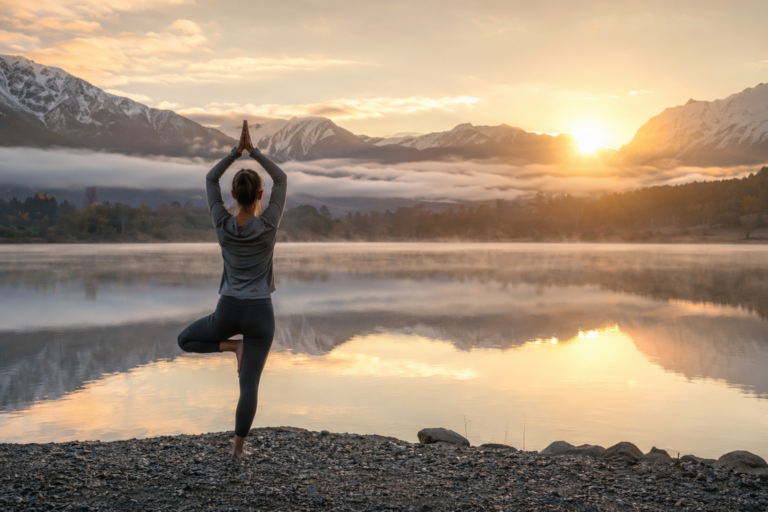
You can celebrate July 24th by having rest, practising mindfulness, finding some relaxation, or spending time outdoors.
Introduction
International Self Care Day is on July 24th. It is a good time to stop and take care of yourself. You can do this by supporting your mental health, getting enough rest, eating healthy food, or finding ways to relax. When we get busy, it can be easy to forget about self care. But it is important for your wellbeing every day. This day is not about doing everything at once. It is about choosing small things that make you feel better, more calm, and looked after.
Understanding International Self-Care Day
International self care is about what you do each day to look after your body and mind. International Self-Care Day brings this idea into focus for a single day every year. It is a time that gets people to think about which habits can help mental health and help them feel good each day.
At the same time, the day means something to people all over the world. Self-care matters in all places. People may take part in their own ways in different countries, but the message is the same: when you care for yourself, you work well and support others as well.
Origins and Global Significance of International Self-Care Day
International Self-Care Day started as part of a big move to help people take charge of their own health and wellness every day. The day is now seen as a time to remind everyone to look after their mental, physical, and spiritual health, not just leave it up to health systems or experts.
This day is important around the world for a simple reason: when you care for yourself well, you can also help others better. This helps families, workmates, and the whole community, and it can lead to better health outcomes for all of us over time.
The World Health Organization talks about self-care as something that can work alongside formal support from doctors and the health system. On a day-to-day level, International Self-Care Day asks us to build small, simple habits into our lives. These steps can ease stress and help us keep up our wellness in ways that are easy to stick to.
Why It’s Celebrated on 24 July Each Year
International Self Care Day happens on July 24th. This date was chosen because it shares a simple message—self care is important every hour of the day and all week. The date is easy to remember. It puts this wellness idea in the spotlight and gives it a special place in the calendar.
But even though it is just a single day, it still has a good reason. This day brings focus to being well. It reminds you to stop and think, “What do I need for my body and mind right now?” You might need more sleep, a walk, quiet time, or better food on this international self care day.
The day is not to keep self care on just July 24th. Instead, July 24th is there as a push each year to build habits for good health that last. It takes a big idea like self care and makes it something you can really do in your day.
The Meaning of Self-Care for Kiwis
In New Zealand, self care is about the simple things you do each day to look after your own health. It is not just about small treats or taking time to rest. It is also about getting good sleep, moving your body, eating healthy meals, drinking water, and asking for help when you need it.
For people in New Zealand, self care is tied to individual wellbeing. There are many everyday pressures, and these can wear you out. But even small habits help a lot. The next parts talk about what self care looks like in New Zealand and why it matters for your health.
What Self-Care Really Means in a New Zealand Context
In New Zealand, self care is all about what fits into your daily routine. You do not need big plans to look after yourself. It can be a 30 minute walk, drinking enough water, or going to bed on time. These small things help with your physical health in a way that is steady and makes sense for you.
Self care is about emotional health too. You may spend time with loved ones, try writing in a journal, or stop to do some breathing exercises when things get a lot. What works for you can be different from what works for anyone else.
The big idea here for people in New Zealand is that self care should be practical and easy to do. If something makes you feel more calm, well rested, or ready to face what life gives you, it is worth doing. The best habits are often the ones you can do again and again without making your life harder.
Key Benefits of Practising Self-Care for Health and Wellbeing
Taking care of yourself can be good for your health and how you feel. Many people notice these changes fast. When you take enough rest, eat food that gives you what you need, and stay active, your physical health gets better. Doing this also helps you feel strong and ready for your day.
Looking after mental health matters just as much. Self-care gives you ways to lower stress. It gives you some quiet to think things through. You may find that you have more control during the day. This can lift your quality of life. It helps you get through the busy things that come up each day.
-
Better sleep helps you get your energy back and think well.
-
Healthy habits can give you good energy at work, at home, and when out with friends.
-
Doing things for your body and mind often can boost overall wellbeing for a long time.
Ways to Celebrate International Self-Care Day in New Zealand
If you want to mark International Self-Care Day in New Zealand, it’s best to keep things simple and personal. On july 24th, think about doing one or two things that help with your wellness, instead of packing your day with lots of plans. You could go for a short walk, tidy up a space at home, or take a good break. All of these small steps count.
Employers can be part of this too. They might help by supporting healthy habits, making sure people take rest breaks, and opening up chats about wellbeing. The next sections will share some useful ideas, events, and things you can use at home. You can mark the day in ways that feel right to you, and there’s no extra pressure to do more than you want.
Simple Self-Care Activities to Try at Home or Outdoors
You do not have to spend a lot of money or set aside a whole day to celebrate. The best self-care ideas are often easy and can be done at home or right outside your house. The goal is to add more relaxation, mindfulness, and time to breathe into your day.
At home, you can start with mindful decluttering, do a deep clean, or set up a small personal space with cushions, a blanket, plants, and a good book. You could also try journalling, guided meditations, or find a new creative outlet that helps you feel calm.
-
Go for a walk or get outside for some fresh air and physical activity.
-
Put your phone down and just sit in nature for a bit.
-
Give breathing exercises a go, practise mindfulness, or do a short meditation.
-
Stick to the same bedtime to help you get better sleep.
Local and Global Self-Care Events to Watch Out For
International self care events can vary by place, so local and global observances may not all look the same. In New Zealand, you may see workplace wellbeing prompts, online reminders, or community conversations that encourage people to pause and care for themselves in practical ways.
Some of the most useful resources are not large public events at all. They can include wellness apps or programmes, guided tools, and online self-care support that you can access in your own time. That makes the day flexible and easier to join wherever you are.
|
Event or Resource |
What You Can Expect |
|---|---|
|
Workplace wellbeing activities |
Break reminders, wellbeing chats, and encouragement to support staff wellness |
|
Online self-care resources |
Flexible tools, guided activities, and eMental Health support available 24/7 |
|
Personal home-based observance |
Journalling, relaxation, cleaning, reading, or setting up a calming retreat space |
Conclusion
In the end, International Self-Care Day is a good time for Kiwis to stop and think about how important self-care is. On this day, you help your own wellbeing and also add to a happier and healthier community. You can take part by doing simple things at home or join in local events. No matter what you pick, putting time into your mental and physical health brings real gains. Just remember, caring for yourself is not a treat but a must. Mark 24 July on your calendar and promise to look after yourself. If you want more self-care ideas that fit you, reach out to get a free chat.