Key Highlights
-
Tisha b’av happens on the ninth of av in the Jewish calendar. The day is best known as a day of mourning.
-
It helps people remember big losses in Jewish history, like the destruction of the temple in Jerusalem.
-
For many Jewish people, tisha b’av brings together mourning, memories, and a link to Jewish tradition.
-
The day has fasting, quiet thinking, and some learning.
-
In New Zealand, the Jewish community comes together for synagogue services and to keep the focus on the community.
-
Even people who are not very religious can find the message of the day to be important.
Introduction
Tisha b’av is one of the most serious days in the jewish month of av. This day has a strong place in jewish history and the jewish month of av. It is not a happy or festive time. Instead, the day is for people to remember loss, being sent away, and times of trouble for jewish people through the years. If you live in New Zealand and want to know what tisha b’av means, you can think about it as both a personal day and a day for all in the jewish community. Tisha b’av joins memory, who we are, and looking back on the past in a simple, strong way.
The Historical Significance of Tisha B’Av
At its heart, tisha b’av is known for being one of the darkest times in jewish history. The day is linked the most with the destruction of jerusalem, and the loss of both the first temple and second temple. This is why the day is a big part of jewish mourning.
For jewish people, the day is not just about the destruction. It stands for exile, broken community life, and the pain that has come, mostly in the jewish month of av and after. The day of mourning reminds us that these events had a big effect on jewish identity for many years. To get a better idea of what happened, you need to look at the main stories remembered on the day.
Key Events Commemorated on Tisha B’Av
Tisha b’av is most closely tied to the destruction of the temple. The First Temple was destroyed by the Babylonians in 586 BCE, and the Second Temple was destroyed by the Romans in 70 CE. These events sit at the centre of the day.
Jewish tradition also connects tisha b’av with other calamities. These include the crushing of the bar kokhba revolt, the destruction of the city of Betar, and the ploughing over of the site of the Temple and surrounding area after the revolt. The lack of faith shown after the spies returned from Canaan is also remembered.
Over time, the day came to include later tragedies such as the expulsion of the jews from European countries, the Spanish Inquisition, and the Holocaust in world war ii.
|
Event |
Why it is remembered on Tisha B’Av |
|---|---|
|
Destruction of the First Temple |
Marked the loss of the central holy place in Jewish life |
|
Destruction of the Second Temple |
Deepened exile and changed the pattern of Jewish communal life |
|
Siege of Jerusalem and aftermath |
Symbolised defeat, devastation, and national rupture |
|
Bar Kokhba revolt and Betar |
Remembered as a crushing blow with mass loss of life |
|
Expulsion of the Jews and later tragedies |
Expanded the day’s meaning across wider Jewish suffering |
|
Holocaust during World War II |
Included as part of the broader memory of catastrophic loss |
Why Tisha B’Av Is Considered a Day of Mourning
Tisha b’av is known as a day of mourning because it brings together several tragic events for people to remember at the same time. In Jewish tradition, many say that this is the saddest day in the calendar. The day reminds people of destruction, exile, and the pain that can be felt by a whole group.
People think about the loss of more than just buildings. The Temple was very important to Jewish people. It was at the heart of their religious life, their culture, and their nation. When the Temple was destroyed, it broke up the unity that the people had. It meant many had to leave and felt lost and far from home.
This day of mourning also has another reason tied to an older story. It comes from the time when the Jewish people had a lack of faith after hearing the spies’ report. That story gives tisha b’av a moral reason as well. This means the day is not just about grief for what happened in the past. It is also a time to think about how and why tragic events can have a big effect on a group of people.
Tisha b’av, also called tisha b or just tisha, is still the day when Jewish people stop and think over the sad times in their history and about why these moments matter for everyone.
Customs and Practices Observed in New Zealand
In New Zealand, tisha b’av is kept in the same way as it is by the wider jewish tradition. The jewish community follows the jewish calendar, so the day starts at sundown and carries on into the next day. This is not a time for celebration. Instead, it is a day for restraint, memory, and quiet prayer.
The observance of tisha b often means fasting, going to synagogue, and less torah study. jewish people will not look at joyful texts, choosing sad ones instead. All these ways help make the tone of the day clear. The next parts talk more about the main rituals and how the community takes part in them.
Traditional Rituals and Prohibitions
The main customs of tisha b’av are made to show a sense of loss. The best-known practice is fasting, which shows how serious the day is. This happens in the jewish month of av. It is meant to help people in their mourning, not just be part of normal life.
There are also forms of prohibition that make you give up comfort and pleasure. The idea is that the day will feel very different from a normal day. It should be treated with a lot more care than most jewish or regular days, even religious ones.
Typical practices include:
-
fasting for the full observance period
-
avoiding sexual activity
-
limiting torah study to distressing passages
-
focusing on lamentations, grief, and reflection
These tisha b’av customs do not exist just to make things hard. They help people stop, remember, and see the day in a serious way.
Community Gatherings and Synagogue Services
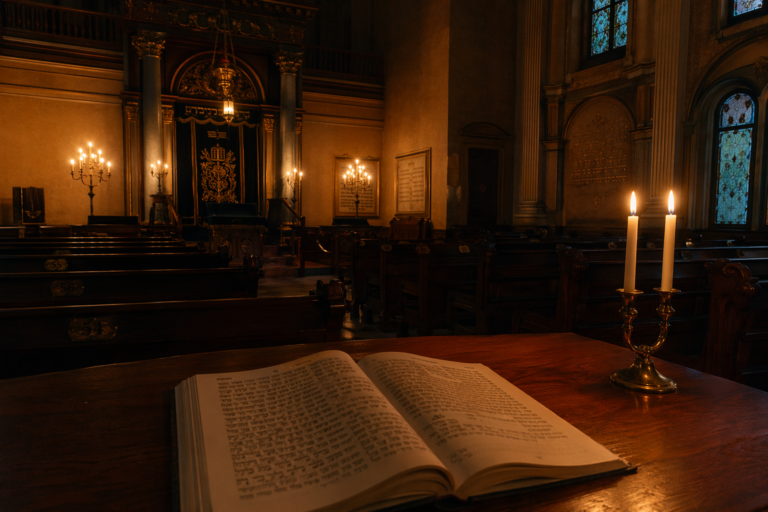
For many people, tisha b’av can be easier to understand when they join others for the day. In a synagogue, the jewish community can come together for prayer, listen, and remember. This time spent together is important because the losses they talk about on the day were felt by all.
A big part of tisha b’av is reading from the book of lamentations. Some people call it Eicha. The words from that book fit the feeling of the day and help people talk about the sadness they have for jerusalem. In jewish tradition, hearing these words in a group can help people see and feel what the day is about more clearly.
When the jewish community gathers, people can learn more and think over things together. Some come to be a part of the faith, while others come for history, family, or that feeling of who they are. In New Zealand, such time together makes it easier for the memory of tisha b’av to keep going strong from one year to the next.
Ways to Participate in Tisha B’Av for All New Zealanders
You do not have to look too closely to find meaning in tisha b’av. For many Jewish people, the day tells its story through history, family memory, and the way a community sees itself. This does not come only from religion. It means tisha b’av can be open to those inside and outside of strict Jewish practice.
If you live in New Zealand, a good way to take part in this day of mourning is to learn, come along, listen, or think by yourself during the Jewish month of av. The Jewish calendar sets the time, but how you feel close to the day can be different for each person. The next part will show some of the ways you can do this.
Inclusive Observance for the Less Religious
Tisha b’av is not just for people who are very observant. The day means something to anyone who feels a link with Jewish history, people, or stories. This is why having ways for everyone to take part matters, even for the ones who are not so religious.
Some people may feel close to the day because of their ties with the country, some because of family stories, and some might be drawn in by the long chain of Jewish tradition. You might not do every ritual, but the day still gives you a time to stop and think. It is a time to look at what has been lost and what still goes on.
Ways you can take part include:
-
attending a synagogue service or community event
-
reading about key moments in Jewish history
-
setting aside time for quiet reflection
-
joining the day through fasting if that feels right
This open and personal way of observing Tisha b’av keeps the day serious, open, and close to the heart.
How Tisha B’Av Differs from Other Jewish Days of Mourning
Tisha b’av is special in the way that it is about big loss for everyone and sad times from the past. In jewish tradition, people say it is the saddest day. There is heavy mourning at this time, and it feels even more serious than on other days in the year.
If you look at yom kippur, that day is also serious, there is fasting, but it is still a holy day. People focus on saying sorry and fixing things with their spirit. Tisha b’av is not seen as a holiday like that. This day is for grief, remembering loss, and facing what has gone wrong.
This day is not like rosh hashanah, either. Rosh hashanah is about starting again and looking at what you have done. It does not focus on loss for the whole nation. Tisha b’av is to do with breaking down, being sent away, and everyone thinking back about what has happened. This is what gives tisha b’av its own feelings, even when you think about other hard days in jewish life.
Conclusion
Tisha B’Av is a day that helps the Jewish community remember hard times from the past. It is a good time for everyone, not just those who are Jewish, to stop and think, and be together. There are simple and serious customs people follow, and there can be group events as well. Anybody in New Zealand can join in, whether you are religious or not. If you take part in tisha b customs, you help keep alive stories that are important to all, and you help people come together. As tisha comes in 2026, try to find the time to learn a bit more about its meaning. We hope this tisha can help you see more of our history, and make you feel closer to the Jewish community.
Frequently Asked Questions
Are there traditional foods eaten on Tisha B’Av?
Tisha b’av is a day in jewish tradition that is shaped most by fasting, not by food. The day is about mourning. This is why people follow traditional mourning practices built on prohibition and holding back instead of celebration. You will not find any special dishes for tisha b’av, as the focus for the day is the fast itself. Fasting is the main custom, and it sets how people feel and what the day is for.
Has the meaning of Tisha B’Av changed in modern times?
Yes. Today, tisha b’av is still a big part of jewish tradition and jewish history. The day was first about the Temple, but now there is more meaning. People also think about later tragedies, like the Holocaust and expulsions. The day holds old memories and means a lot to new people too. Even now, hopes from the prophecy of zechariah are still strong for many.
Is Tisha B’Av relevant to non-religious Jews in New Zealand?
Yes. Tisha b’av can be important to non-religious Jews in New Zealand. This day of mourning helps all jewish people feel part of the jewish community. It gives everyone a chance to remember and reflect on shared history, identity, and feelings of belonging. Even if you do not take part in strict religious practice, you can join in by coming together with others on tisha b’av and thinking about the past as a group.