Key Highlights
-
Guru Purnima is the full moon day of Ashadha and it is a time for people to show gratitude.
-
In New Zealand, families and their communities use the Hindu calendar and local times for this festival.
-
The day is to honour the guru, who helps people get rid of ignorance and find spiritual wisdom.
-
The importance of this day comes from Sage Vyasa, and that is why it is also called Vyasa Purnima.
-
People take part in rituals like guru puja, prayer, meditation, and show devotion.
-
Many Kiwis thank their teachers, mentors, and spiritual guides in small or simple ways.
Introduction
Guru Purnima is a special festival that happens on the full moon day of Ashadha. This usually falls in June or July. It started in India and is a time when people give thanks and show respect to their guru. A guru can be a teacher or anyone who helps guide you out of darkness and into learning or finding who you are. In New Zealand, many people see this as a day to feel gratitude, think about life, and show respect. There is something spiritual here, but it is personal for each one too. It means a lot to devotees, students, and anyone who has been helped by wise words or actions.
Guru Purnima 2026 Date and Timing in New Zealand
Guru Purnima is based on the Hindu calendar. It comes on the Purnima, which means the full moon day, of the month called Ashadha. So, most of the time this festival is in July. This is the usual way people mark it in New Zealand, too.
Since this is all about the full moon, the time can change by where you are. In New Zealand, people follow the Hindu calendar and check for the full moon day in their own place. Then, they take the tithi and use that to pick when to get together for Guru Purnima. The next parts tell you more about when Guru Purnima is in 2026 and how people in New Zealand work out the date for this hindu festival.
When is Guru Purnima celebrated in 2026?
Guru Purnima happens on the full moon day, called Purnima, in the Ashadha month of the Hindu calendar. This day is special and is set aside for people to honour their guru. Most years, this is in June or July. On this day, many give thanks and show their gratitude.
In 2025 and 2026, people will still observe Guru Purnima using the same lunar rule, not by following a set solar date. This means that followers watch for the full moon in Ashadha to know when to celebrate. For most people living in New Zealand, Guru Purnima will likely be a July event.
If you want to join prayers, take part in community events, or perform guru puja, it’s best to check your local New Zealand calendar so you know the right time for Purnima. The meaning of the day will always be the same. It is a good time to give reverence and show gratitude for spiritual guidance from the guru.
Calculating the tithi and local time for observance
The date for Guru Purnima is not chosen by a fixed calendar day. It is based on the tithi, which is the lunar day used in the Hindu calendar. The observance happens when the full moon, or Purnima tithi, is active in New Zealand.
This matters because local time can shift the practical observance window. A full moon day may begin or end at different times depending on location, so New Zealand communities usually follow local tithi timing for prayer, fasting, and gatherings.
|
Observance factor |
What it means in New Zealand |
|---|---|
|
Festival basis |
Guru Purnima follows the Ashadha full moon in the Hindu calendar |
|
Key tithi |
Purnima, the full moon lunar day |
|
Usual month |
June or July, often observed in July |
|
Local observance |
Communities follow the tithi active in New Zealand time |
|
Practical use |
Helps decide when to hold puja, meditation, and tribute to the guru |
Meaning and Significance of Guru Purnima
Guru Purnima is a day to say thank you to the guru, who brings light into your life when there is ignorance. The spiritual significance of this full moon day is that real guidance will help people move toward knowing themselves better and finding a clear purpose.
For many, this is about more than just doing a ritual. It is about showing respect and being humble. It is a time for people to think about where their wisdom comes from. To get a better idea of this, you can look at how many different traditions see the guru and talk about this purnima, or full moon day.
Spiritual importance across traditions
Guru Purnima is a day that means a lot in Hinduism, Buddhism, and Jainism. People in these groups show great respect for spiritual teachers. These wise people help us see the truth, to build discipline, and to guide us on the spiritual path. When the full moon is out, it adds a special and sacred touch to this day.
In Hinduism, the guru is seen as the person who can take away the darkness of ignorance. The teacher plays a big part in our spiritual awakening. This brings people closer to the ultimate goal. This understanding is why the day feels so deep and full of gratitude.
In Buddhism and Jainism, people also pay respect to their teachers. They know that we need learned guides to help us learn the right way. Even if each group has different customs, the main thought is strong. No one can walk a steady spiritual path without the help, humility, and gratitude we show to those who go before us.
Why the guru (teacher) is honoured on this day
In the hindu tradition, people honour the guru because a real teacher helps take away ignorance and gives spiritual guidance. Guru Purnima is a day when devotees can stop for a while and express gratitude by thinking about what their teacher has done for them.
The word guru itself gives this meaning. Teachings explain that gu is about darkness or ignorance, and ru is the one who gets rid of that darkness. So, this day is not about high status. It is about saying thank you to the one who helps you see things more clearly.
-
The guru is thanked for helping the seeker move from ignorance to knowledge.
-
This day tells us that spiritual guidance is important for growing inside.
-
Devotees express gratitude with prayers, reverence, and by remembering what their guru has done.
-
The festival also shows how important the teacher’s role is when you want to know yourself better.
The Origins of Guru Purnima
The start of Guru Purnima is linked to Sage Vyasa. That is why people also call this day Vyasa Purnima. He is thought of with a lot of respect because he turned old and hard-to-understand knowledge into something people could read and follow.
This full moon day is not only important in Hinduism but also in Buddhism and Jainism. This gives it a big place in many faiths. To know why this full moon day matters so much, it helps if we begin with Vyasa first. After that, we can see how its history has touched so many people.
The legacy of Sage Vyasa and Vyasa Purnima
Sage Vyasa is a key figure in the story of Guru Purnima. People call this day Vyasa Purnima because they show their reverence to him on this auspicious day. In Hindu thinking, he stands out as a wise teacher and someone who gave people sacred knowledge.
He is known for putting together the Veda and for working on important books such as the Mahabharata. He is also linked with the Bhagavad-gita and Srimad Bhagavatam. Because of his writing and the wisdom he shared, Vyasa is seen as a strong source of learning passed down by the guru.
This is why Guru Purnima is not only like teacher’s day. It is also a day to respect where this light of knowledge comes from. For many Hindu devotees, remembering Vyasa helps give more meaning to the reverence they show to their own spiritual master.
Historical roots in Hinduism, Buddhism, and Jainism
Guru Purnima began in Hinduism, Buddhism, and Jainism. What is common in all three is the respect for the teacher, or the guru, who gives people spiritual guidance. The teacher helps people go from not knowing things to new learning and discipline.
In Hinduism, this day is mostly about the guru. It is also called Vyasa Purnima. People use the day to honour the guru who shares wisdom and offers help for spiritual growth. The ideas about the teacher and learning over time make this festival important for disciples and all who want to learn more about life.
In Buddhism and Jainism, people show reverence to their teachers too. People also think about Lord Buddha, his role as a teacher, his first sermon, and the noble truths. Each group may have different ways of doing things, but to honour the teacher is still at the heart of the day.
Religious Traditions and Practices
Guru Purnima is seen on the full moon day. The main ways to mark it are with guru puja, saying prayers, and having some quiet time. These are simple acts people do to show respect for their guru and look again at spiritual teachings.
Some people go to temples or join others in a community space on this full moon. Others do it in their own home. The most important thing is to be true in what you do. The next parts talk about normal ceremonies and the deep feeling that comes with this special purnima.
Common rituals and ceremonies on Guru Purnima
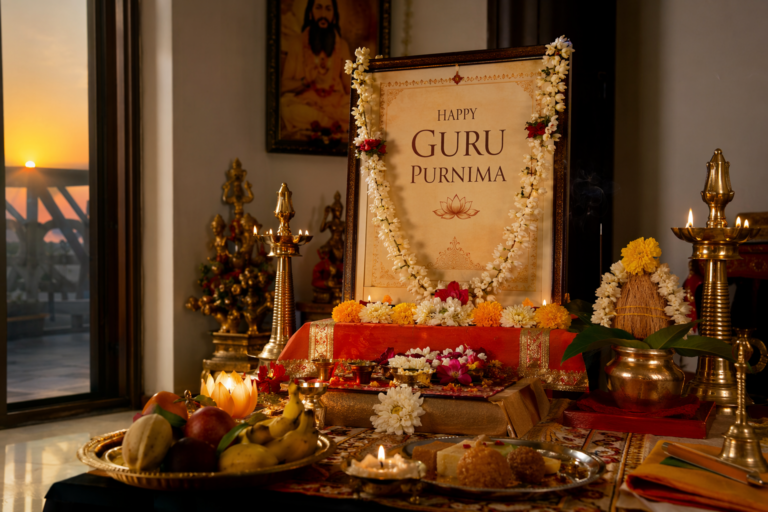
A common way for people to mark Guru Purnima is by doing guru puja and thinking about their guru. On this day, devotees bow with a lot of gratitude. They take time to thank the one who shares guidance, wisdom, or points the way forward in their life.
The air on this day feels calm and prayerful. Many people include some yoga, meditation, or read spiritual teachings during the day. These simple things help people step away from daily life and lean into humility, discipline, and giving their full devotion.
-
They do guru puja with flowers, prayers, or small offerings
-
They spend time in meditation and quiet reflection
-
They listen to or read spiritual teachings with care
-
They show again that they will follow what their guru says
Spiritual teachings and acts of devotion
Guru Purnima is more than just an outer ritual. This is a day for people to look back to spiritual wisdom and see that the teachings from the guru matter only when you put them into action. Because of this, the festival is not just about thinking—it is about using what you learn in a real way.
For all spiritual seekers, being devoted can be about sitting, listening, thinking, and doing what the guru has taught. The main message in the compiled information is that you need to follow what your guru says with honesty, if you really want to be on a spiritual path and get past what is not real.
This is why you will often see spiritual practices like study, prayer, and remembering the lessons on this special day. Rather than looking for new things, devotees spend time going over old teachings that the guru has given. In this way, the real act of devotion during purnima is not just showing it. The act comes in the form of steady spiritual practices, done with respect and honesty.
Celebrating Guru Purnima in New Zealand
In New Zealand, people mark Guru Purnima mostly among Indian communities and spiritual groups that follow the Hindu calendar. They keep the main idea at the heart of it—this is a day to show reverence for the guru, to show gratitude, and to think about how important guidance is.
But, the local way of doing things makes the day a bit different. Kiwis often feel a connection to this festival, not just through spiritual masters, but also through mentors and teachers they look up to. The next two sections tell more about how the community and people show their feelings during Guru Purnima.
How the festival is observed in New Zealand’s Indian communities
Across New Zealand, many Indian communities keep close to the true spirit of Guru Purnima. On this day, people gather for prayer. They remember their guru and feel a deep gratitude for help and guidance on the spiritual path.
Many families and people who follow this day join in puja. They get together for a time of reflection. Some also take part in temple events if they are close by. The full moon festival lets people connect again to their roots, even if they live far from India. That is why the day holds both cultural and spiritual value.
What stands out in New Zealand is how people find a good balance between tradition and everyday life. They follow local time, make plans around their community’s routines, and use the spaces they have. Still, the true heart of Guru Purnima stays the same. People honour wisdom, discipline, and the teacher who helps show the way.
Contemporary ways Kiwis honour their teachers, mentors, and spiritual guides
Many people in New Zealand mark Guru Purnima in a way that feels right for them. Even if they do not do every part of the old traditions, they still use the day to show gratitude to their teachers, mentors, or spiritual guides. These are the people who have helped shape the way they think or the path they take in life.
This more open way to celebrate fits with what the festival is really about. A guru is honoured for guidance, and not just for the rules of ceremony. So you can send a thoughtful message, go to a prayer, or spend time thinking about lessons you have learned. Any of these can make the day mean a lot.
For students and people who want to grow, Guru Purnima often makes them think: who helped me see things more clearly? It gives people time to say thanks honestly for that help. In this way, the festival keeps its meaning, reaching across different walks of life in New Zealand.
purnima, guru, gratitude
Customs and Rituals for Spiritual Seekers and Students
Guru Purnima is important for the people who follow a spiritual path, students, and disciples. This day helps them look at gratitude and how it is good to learn in a steady way. It also shows how spiritual practices become stronger when you follow a guru who you trust and look up to.
This festival is for academic teachers and mentors as well, as it means a lot for the people who want to get more knowledge and build good values. It does not matter if you follow a spiritual way or each day you walk the path of learning, Purnima reminds us to respect and remember the ones who teach us. The next parts will talk about the many ways the people show gratitude during Guru Purnima in our time.
Ways devotees express gratitude to their gurus
Devotees express gratitude on Guru Purnima by showing reverence, prayer, and fresh devotion. The day is not about big shows. It is about real thanks for what the guru does. The guru helps people move away from ignorance and gets them closer to truth.
Some people choose to look inside with quiet practice. Others like to show acts of respect. Both ways fit the meaning of the day if there is humility in the heart. The main idea is to remember what the teacher gives and to give back with care.
-
Offering prayers or taking part in a simple guru puja
-
Reading or thinking over the guru’s teachings with devotion
-
Helping others and doing acts of charity because of gratitude
-
Recommitting to follow spiritual guidance in a steady and honest way
Role of students and disciples in modern-day celebrations
Students and disciples take a very active part in today’s Guru Purnima events. They are not just there for the rituals. They also have to remember, think about, and live by what the guru or spiritual master teaches.
For a lot of people, this means they study, pray, or sit in quiet thought on this day. Guru Purnima is a good time to stop and check. Are they showing humility when they learn? Do they use the advice from the spiritual master in daily life? These things make the day more meaningful, not just a simple ceremony.
On a bigger level, this day helps students and disciples see that learning is about connections with other people. Growth can happen when someone helps, guides, or gives advice. Guru Purnima gives a space to say thank you and to be full of gratitude for the role that a guru plays in their life. It asks them to keep this feeling going and to give thanks as they move forward.
Influence and Importance in Indian Culture
In India, Guru Purnima shows the deep importance of knowledge, reverence, and the special link between a guru and a student. On this day, people bring together the spiritual and cultural ways they live. This means the wisdom they get is not seen as simple, but as something to honour.
This is one reason this festival is still important after so many years. The guru, or teacher, is more than just someone who shares information. He or she is the one who helps students reach a higher understanding. To know more about it, it is good to think about the importance of Guru Purnima in India and how people in other places mark this day.
Significance of Guru Purnima in India
The meaning of Guru Purnima in India is to honour the guru. The guru is seen as someone who gives knowledge, shows a way forward, and can change lives. This day shows that people in India think it is good to take in wisdom with both humility and gratitude.
Even the Sanskrit words that go with guru make this clear. In these teachings, “gu” means darkness and “ru” is the one who takes that darkness away. So, the guru does more than just teach. The guru is the one who helps people see what is true.
That is why this festival means a lot for both the country and each person. It is a time to value learning, feel gratitude for the teachers, and keep traditions of respect alive. For many in India, Guru Purnima is still a big symbol of how people should honour wisdom and have true reverence for their gurus.
Comparison with celebrations in other countries
In India, Guru Purnima is a big cultural and religious event. This day brings people together, and most have the same shared memories about it. In New Zealand, many follow the same meaning, but the day feels more based on the Indian community. People often gather with others from India, in smaller groups for prayer and thanks.
The most important idea does not change. The guru is still respected, and people use this day to show their gratitude, say prayers, and spend time thinking and reflecting. The main thing that does change is the place and how big the celebrations are. In many parts of New Zealand, it is more quiet and fits local plans, though people keep to the Hindu calendar.
You can see the true spirit among Hindus, Buddhists, and Jains, no matter the country. That stays the same. It shows that while the routine may look different in each place, the main thought—honouring a guru and learning with respect and real faith—goes much further than India.
Conclusion
Guru Purnima is more than just a single day. It gives people a chance to stop and think about the important role that teachers and mentors play in their lives. This festival comes with old traditions and much respect, and many people across different cultures in New Zealand take part in it. Some people remember the wisdom of sage Vyasa on this day. Others take part in these events in new or modern ways. The heart of Guru Purnima is all about saying thank you and showing gratitude. It helps us feel close to our gurus.
As we look ahead to Guru Purnima in 2026, we can all make the most of this time to thank our gurus and show our gratitude for what they have done for us. If you want to know about ways to celebrate, or if you wish to meet people who feel the same, you can always reach out for more ideas and inspiration.
Frequently Asked Questions
What is the true meaning of Guru Purnima?
Guru Purnima is a full moon festival. It is a day to say thank you to the guru, or teacher. The main idea of this day is to honour the one who helps people get out of ignorance. A teacher shows the way to knowledge and enlightenment through hard work, helpful advice, and care. This day is a time to show gratitude for all the things our teachers do for us.
Who can be considered a guru for the purpose of this festival?
For this festival, a guru can be a spiritual teacher, mentor, or even someone who teaches school subjects. This is not just about what title they have. It is about the part they play in helping you learn and grow. A guru helps you go from feeling lost to seeing things clearly.
Are there any unique customs for Guru Purnima in New Zealand?
In New Zealand, a lot of Indian people still follow the old ways of prayer, puja, and gratitude. They make these customs fit in with life and time here. One special thing you will see is that many also show thanks to their mentors, teachers, and those who guide them in spirit. They do this in a calm Kiwi and personal way.