Key Highlights
-
Tu B’av is known as the jewish day of love. It falls on the 15th day of Av in the jewish calendar.
-
In jewish tradition, this day started as a happy time that was linked with matchmaking, vineyards, and getting together as a community.
-
Ancient stories say tu b’av is also about the daughters of jerusalem dancing in white.
-
In New Zealand, jewish people might see it as a calm but special part of jewish holidays.
-
The way people celebrate now is with love, music, joy, and being part of the community.
-
Its story brings together ancient times, jewish tradition, and how people brought it back in later years.
Introduction
Tu b’av is one of those Jewish holidays that can feel old, but still has something new to give. People know it as the Jewish day of love. It is not loud or showy, but it comes with warm and happy feelings. Many people think of romance, close ties, and a bit of fun when this day arrives, especially after a tough time in the year. If you want to know about Tu b’av in New Zealand in 2026, start with what this day is, where it comes from, and how people celebrate it right now.
Understanding Tu B’Av – The Jewish Day of Love
Tu b’av is on the 15th day of the Hebrew month of Av. It is part of the jewish calendar and marks a special time for many. In the past, Tu b’av was only a small day for a lot of communities. In recent decades, the day has become more important.
Now, most people know tu b’av as the jewish day of love. But the day has old roots in jewish tradition. It used to be a day full of joy, dancing, and hope when people would meet their possible matches. To see what makes this day special, it helps to know both what it means and how it feels to the jewish people.
The Meaning and Significance of Tu B’Av in Jewish Tradition
Tu b’av comes on the 15th day of Av in the jewish calendar. People now call it the jewish day of love. In jewish tradition, it is seen as a happy time, not a strict or serious one. This is different to most other jewish holidays.
Early writings from rabbinic texts say this was the happiest day for the jewish people. Rabban Shimon ben Gamliel is mentioned in the Mishnah saying that there were no better days for Israel than Tu b’av and Yom Kippur. He told how the daughters of jerusalem used to go out dressed in white and dance in the vineyards.
People ask why Tu b’av is called the jewish day of love. It comes from those stories about happiness, courtship, and choosing someone to be with in the future. As time went by, this older picture of people celebrating together made Tu b’av known as a day about love and relationships.
Why Tu B’Av Is Associated with Love and Relationships
Tu b’av is all about love at its heart. People remember it as a matchmaking day. Back in the Second Temple time, unmarried women, like the daughters of Jerusalem, wore white and danced in the vineyards. This is what gave the day a strong romantic meaning.
Young men would go to see the women and choose who they wanted to marry. This was not just about private feelings. It was a day for the whole community to come together and share in the happiness, hoping for new homes and families.
The day also has a link with the seasons. Tu b’av starts when the night is between the 14th and 15th of Av. This is when the full moon appears in the lunar calendar. In many old places, people would see the full moon as a sign of love and new life. So, the day’s meaning as a time for relationships became even stronger.
Historical Origins and Mystical Connections of Tu B’Av
The story of tu b’av goes all the way back to ancient times, but no one is sure where or how it first started. The earliest clear talk about tu b’av can be found in the Mishnah, and later on, the Talmud gives a few reasons for why this day is special in jewish tradition.
At the same time, many people feel there is something magical about tu b’av. This comes from the full moon and the happy mood around this time. Tu b’av’s spot in the jewish calendar is made up of history, big ideas, and memories. If you look at both where tu b’av comes from and what it means now, you can see why this day still has meaning for so many people.
Ancient Roots and the Evolution of Tu B’Av
No one can say exactly how early tu b’av began, but the first firm reference comes from the Mishnah, compiled near the end of the second century. It recalls the days of the Temple and presents Tu B’av as a joyful public occasion. That already shows the date had an established place in jewish tradition.
Later, the Babylonian Talmud tried to explain why this day became important. One interpretation says it marked a time when the tribes of Israel were permitted to mingle and marry across tribal lines, echoing a story linked with the book of Judges.
|
Source or period |
What it shows about Tu B’av |
|---|---|
|
Mishnah |
A day of joy when the daughters of Jerusalem danced in white in the vineyards |
|
Babylonian Talmud |
Offers explanations for the date’s significance, including tribal mingling |
|
Second Temple period |
A matchmaking day for unmarried women |
|
Recent decades |
Renewed as a modern holiday of love, especially in Israel |
Mystical Interpretations and Symbolism Within Judaism
Tu b’av has a special charm even though it does not have a lot of rules or set rituals. Part of this comes from when it is held. Like Passover, Sukkot, and Tu Bishvat, all these begin on the night between the 14th and 15th day of the month, which is when the moon is full. This full moon gives the day extra meaning, as people see and feel the importance.
In many old cultures, people saw a full moon and thought of romance, new life, and beauty. In Judaism, this idea does not turn Tu b’av into its own rule or belief. But it helps to show why people think this day shines and helps them feel hope. The feeling you get on this day says a lot.
There is also a quiet change you can see in the Jewish calendar. Tu b’av comes just after Tisha b’Av, which is always a sad time. So, Tu b’av feels like a move to joy. The bible may not tell Jews to make it a big event or festival. Even so, the memories held in Jewish life have given this day a special role. Tu b’av is a time that points to starting again and feeling close to other people.
Celebrating Tu B’Av in New Zealand in 2026
In New Zealand, people work out the date for tu b’av in 2026 by using the jewish calendar. This is the same as what they do for other jewish holidays. Tu b’av is not seen as a big festival in the law. Still, the day gives jewish people a good time to share love and joy.
There are not many fixed rules for today. The day is mostly shaped by culture and what people remember. It is also shaped by the kiwi jewish community. This means jewish people in New Zealand can enjoy tu b’av in a way that works well for all of them. The day might have small customs or group events. Still, even these simple things make the day special and full of meaning as a real day of love for the jewish community.
Customs, Rituals, and Modern Practices Among Kiwi Jewish Communities
Tu b’av is different from some other jewish holidays as it does not have many formal rituals. For a long time, people marked the day in the morning prayer by leaving out Tahanun, a special prayer for asking for forgiveness. This shows the day is more about joy than following strict religious rules.
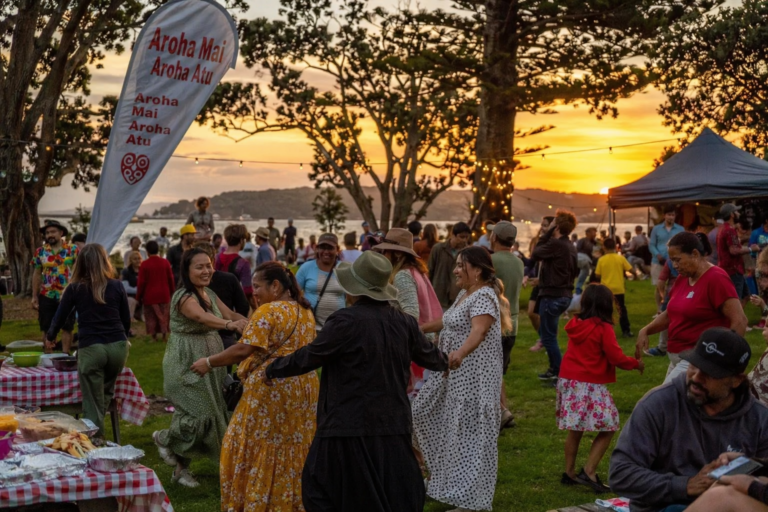
Today, and with influence from israel, this jewish day of love is often celebrated with singing, dancing, and having time together with others. When the jewish community in New Zealand marks tu b’av, it is often about coming together for fun and sharing cultural events, instead of making big changes at synagogue.
People often mark tu b’av in these ways:
-
Having community evenings with music, talking, and sharing food
-
Going to social events that bring back the old matchmaking side of the day
-
Thinking about love, friendship, and jewish tradition
-
Keeping the prayers easy and light, with Tahanun left out
People look forward to this day as a happy time that is simple, joyful, and about being with others.
Unique Expressions – Poetry, Music, and Community Gatherings
One thing that stands out about modern tu b’av is how easy it is for people to do arts on this day. In recent decades, Israeli civil culture has encouraged people to enjoy music festivals with singing and dancing at night on tu b’av. This is why music is now an important part of how we know the holiday today.
Poetry also goes with tu b’av, even if it is not a must. Since the day is about love, longing, beauty, and people, it is good for words, songs, and stopping to think together. For those of us in New Zealand, these creative things can help us make the old ideas fit in with our own local way of life.
You might see this spirit show up with:
-
Live music or singing together during community events
-
Poetry being read aloud about love, joy, or hope
-
Telling stories that tie the old traditions to how people are with each other now
Conclusion
To sum up, Tu B’Av is a day that shows the power of love and connection in the Jewish community. It mixes old customs with new ways of celebrating. This day is not just about romantic love. It also shows how important it is to be part of a group and have good friends. If you are going to mark Tu B’Av in New Zealand in 2026, remember to take part in all the rich customs and things people do on this day. You might do this with poetry, music, or by getting together with your loved ones. Let this day give you the chance to make your links with others stronger and start memories that will last. Enjoy the party, join in the fun, and see how the beauty of love in the Jewish tradition goes beyond time or place.
Frequently Asked Questions
Are there gender-specific traditions associated with Tu B’Av?
Yes, older stories about tu b’av use ideas that are based on gender. In Jewish tradition, the daughters of Jerusalem, including unmarried women and young women, would wear white garments. They went out and danced in the vineyards. Because of this, the day came to be linked with courtship. Today, though, people often celebrate tu b’av in a broader way. It is now seen more as a community event for all, not just focused on courtship.
How have different Jewish denominations in New Zealand observed Tu B’Av?
The information given does not list separate ways that jewish groups in New Zealand observe tu b’av. But it does show that tu b’av is not like the big jewish holidays. There is not much set prayer. People focus more on culture during this time. So, the way the different groups mark tu b’av can depend on how they take part in jewish tradition and what the group wants for their community life.
Has the way Tu B’Av is celebrated changed over time?
Yes. In the early days, Tu b’av was a happy matchmaking day in jewish tradition. Over time, it turned into a minor jewish holiday and did not get much public notice for many years. In recent decades, and in Israel, it has made a come back as the jewish day of love. Now people celebrate with singing, dancing, and other fun events.