Key Highlights
-
Safar is the second month in the islamic calendar. It comes after Muharram and before Ramadan.
-
In New Zealand, Safar 2026 will begin once there is an update from the islamic calendar based on the moon.
-
The word safar comes from Arabic. It is often used with the idea of travel or being empty.
-
Many Muslims see Safar as a good time to think deeply, pray, and ask for forgiveness with what is written in Islam and the Quran.
-
Safar does not have the same place as Ramadan. Still, this month matters for Muslims and reminds them of Prophet Muhammad.
Introduction
If you want to find out when Safar starts in 2026 in New Zealand, it’s good to know its spot in the islamic calendar. Safar is the second month in the islamic calendar and comes right after Muharram. This calendar works with the moon, so the date for Safar can change based on where you are. The name Safar is from Arabic. Many people also look to know what it means, its history, and the part it plays in daily Muslim life before they plan their month.
Start Date and Significance of Safar 2026 in New Zealand
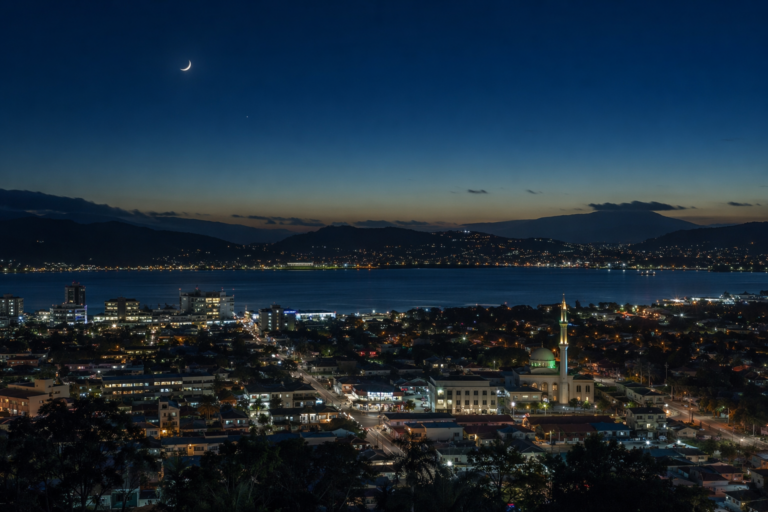
In New Zealand, Safar 2026 will start after Muharram. It follows the local islamic calendar and changes with moon sighting. The date can be different as each group of muslims may use another way to look for the moon. This also happens for Ramadan and other months.
The word safar comes from arabic. People link it with travel or emptiness. In islam, safar fits into the rhythm of the year. This month helps guide worship, thinking, and remembering. The Quran and the life of prophet muhammad shape this for us. More details are explained in the next parts.
Expected Beginning of Safar in the New Zealand Islamic Calendar
Safar is recognised as the second month of the islamic calendar, so it begins once Muharram ends. In practice, Muslims in New Zealand usually wait for a local calendar announcement, moon sighting update, or trusted community notice. Since the islamic calendar is lunar, the date does not stay fixed in the Gregorian year like many public holidays.
Here is a simple text table to help you place Safar in context:
|
Month Detail |
Summary |
|---|---|
|
Month name |
Safar |
|
Position in year |
Second month of the islamic calendar |
|
Comes after |
Muharram |
|
Comes before |
Later months that lead towards Ramadan |
|
Date setting |
Lunar observation and calendar calculation |
|
Religious context |
Read with broader Islamic teachings linked to the Quran |
If you have seen a Wikipedia-style summary of Safar, the short version is simple: it is the second month of the Muslim year, its name has Arabic roots, and its timing changes annually because the islamic calendar follows the moon. That basic understanding is often enough when checking New Zealand dates.
Meaning and Cultural Importance of Safar for New Zealand’s Muslim Community
Safar is an Arabic word. Many people ask about what it means in daily life. In the past, people often linked it to travel or emptiness. In Islam, Safar is known mostly as a month in the Islamic calendar. It is not just about one main practice.
For Muslims in New Zealand, Safar is a time to think again about their intentions, pray more, and focus on repentance. It does not have the same fasting rules as Ramadan. Still, it is an important part of the Islamic year. Many families use this month to learn more about Islam, remember community events, and stay close to others.
Some people also spend this time thinking about the life of Prophet Muhammad. They may read the Quran more often in Safar. This gives Safar more meaning in daily life, not just on the calendar. It becomes a month to grow in faith, stay patient, and be aware, as Muslims follow the way of Islam.
Conclusion
As the Islamic month of Safar starts, Muslims in New Zealand often take time to think about their lives and join with the community. This month has strong cultural and spiritual meanings for many people. It can be a chance for all to learn more about why Safar is important. You can find ways to join local events and keep your traditions alive. Being part of this month can help you feel close and united with other believers. As you take part in Safar, I hope you find peace and feel good about your faith. To get more news and ideas about Islamic months, make sure you stay connected with your local community.
Frequently Asked Questions
What does ‘Safar’ mean and how is it used in Islamic tradition?
Safar is an Arabic word for the second month in the Islamic calendar. People sometimes say the word Safar means travel or emptiness. In Islam, though, Safar is known as a set month in the Muslim year. This month is important for worship, remembering, and following the tradition of the Prophet.
Are there any special events or practices observed during Safar in New Zealand?
In New Zealand, Safar is seen mostly through usual Islamic practice. People who follow Islam may pray more, think about their beliefs, or add some fasting if they feel like it. There is not one big public event for everyone. It is not like the time of pilgrimage or Ramadan in the islamic calendar. Safar is often spent quietly with family and the community.
Where can I find reliable local information about Islamic months in New Zealand?
The best way to find out is to ask your local mosque or Islamic centre. Most people there in New Zealand will know the islamic calendar for your area. Others also put updates on an app, social pages, or let you download the month’s dates. This is good because you get local moon-based announcements. It works better than using a global list.