Key Highlights
-
Devshayani Ekadashi, which people also call as ashadhi ekadashi or shayani ekadashi, is an auspicious day for Lord Vishnu.
-
The day falls on the ekadashi tithi, during shukla paksha in the Hindu month of Ashadha.
-
This sacred day is special because it starts the beginning of Chaturmas, which means four holy months.
-
On this day, many observe fasting, do puja rituals, give charity, and say the Vishnu Sahasranama.
-
The vrat katha about King Mandhata talks about the spiritual merit and purpose of this day.
-
In New Zealand, people can do the ekadashi fast at home or join temple gatherings.
Introduction
Devshayani Ekadashi is a very important day for the devotees of Lord Vishnu. People also call it ashadhi ekadashi. On this day, many pray, fast, and show their love for God. People say that Lord Vishnu goes into a deep rest at this time. That is why this day holds a lot of meaning.
If you want to know about the date for New Zealand, what it means, and why many families in New Zealand and other places follow it with so much care, this guide will help. Here, you will get basic ideas in a way that is easy to follow.
Understanding Devshayani (Ashadhi) Ekadashi
Devshayani ekadashi comes on the ekadashi tithi in the shukla paksha, which is during the Hindu month of Ashadha. This day is a sacred day when many people choose to worship, fast, and pray to Lord Vishnu. For lots of devotees, devshayani ekadashi is seen as one of the most important days for worship in the year.
People celebrate because they believe Lord Vishnu starts his deep sleep on this day. That idea gives meaning to this festival and links it with the beginning of Chaturmas. To know more about why devshayani ekadashi is special, it helps to understand what Ekadashi means in the Hindu calendar.
The Meaning of Ekadashi in Hindu Calendar
In the Hindu calendar, ekadashi tithi is the eleventh day in the lunar month. This day happens two times a month — one time during shukla paksha and one time during krishna paksha. Shukla paksha is when the moon is growing bigger, and krishna paksha is when the moon gets smaller after the full moon.
So, you get to have two Ekadashi observances every lunar month. Devshayani ekadashi comes on the eleventh day of the bright fortnight. This day is special in the year when it comes to fasting and worship. Teachings from long ago say both types of paksha are holy and good for religious activities.
For a lot of Hindus, ekadashi is more than just avoiding food. It is about keeping discipline, saying prayers, and thinking about Lord Vishnu. People follow a vrat on this day. They chant and try to have a pure mind. This is why Devshayani Ashadhi Ekadashi is respected with such care by the people who follow it.
Why is it Called Devshayani, Shayani, and Ashadhi Ekadashi?
The name devshayani ekadashi comes from two words. “Dev” stands for God, and “Shayani” means sleeping. When you put them together, it shows that Lord Vishnu falls into a deep sleep on this day. That is why there is a strong spiritual meaning linked to the day.
You can also hear people call it shayani ekadashi or hari shayani ekadashi for the same reason. All these names are about Lord Vishnu resting in the cosmic ocean of milk. In many traditions, this picture stands for taking a step back from things, being still, and having a special pause from daily life.
It gets the name ashadhi ekadashi because of the time of year it takes place. This festival is during Ashadha, so many people will just call it Ashadhi Ekadashi. There are some other names as well, like padma ekadashi, maha ekadashi, and vaishnava ekadashi. This shows the day is well known and respected by many.
Spiritual Significance of Devshayani (Ashadhi) Ekadashi
The spiritual meaning of this auspicious day is all about Lord Vishnu and the way he rests in the cosmic ocean of milk. People who follow devshayani ekadashi believe that if you worship with a true heart, you get blessings, feel pure inside, and find inner peace. This is a time to pause your daily work and spend your time in prayer.
People see fasting as a way to show Lord Vishnu their discipline and devotion. Many think keeping this practice can help let go of past mistakes. It also grows your spiritual merit. These beliefs come from old traditions and carry deep symbols, which the next parts tell you more about.
Symbolism in Hindu Mythology
In Hindu stories, people believe that Lord Vishnu rests on Sheshnag in the big cosmic ocean called Ksheer Sagar. This image is a big part of devshayani ekadashi. It shows Lord Vishnu lying quietly, holding everything in order, even as he rests.
For followers, this is about more than just a nice picture. It is about being still, letting go, and trusting that there is a right order. When people do the ekadashi fast, say prayers, and try to keep their mind steady, they want to be in tune with this peaceful rhythm. The time people fast is more than a rule to follow.
This is why devshayani ekadashi is tied to spiritual merit. The old idea is that praying with a pure heart makes Lord Vishnu feel happy. He then gives his blessings for good health, growing wealth, and happiness. Even if you just listen to the vrat katha or read a story about the day, it can help lift your spirit.
Start of Chaturmas: Four Holy Months Explained
Devshayani Ekadashi is the start of Chaturmas. This is a sacred four-month time that begins in the month of Ashadha. People say Lord Vishnu goes into a deep rest at this time. This sleep lasts until Prabodhini Ekadashi, which happens in the month of Kartik.
These months are seen as holy. Many who follow Lord Vishnu do more spiritual work during these days. They focus on fasting, prayer, charity, and extra discipline. Big life events like weddings are not done now. That is because people believe the gods are taking a rest.
Chaturmas is also during the monsoon season in India. At this time, a lot of people keep doing ekadashi fasting. They often avoid eating things like onions, garlic, grains, and beans. So, Devshayani Ekadashi is not just a festival. It is the beginning of Chaturmas, which is a special season for devotion.
Date and Tithi Timings for Devshayani Ekadashi 2026 in New Zealand
If you want to follow devshayani ekadashi in New Zealand, the right date and tithi timings are very important. There are two main sets of timings for this day. One says you should observe it on Friday, 24 July 2026, and the other says Saturday, 25 July 2026. The change in date comes from where you are, because the ekadashi tithi and parana time often shift based on your place.
That is why people in New Zealand must use local date and tithi timings. Do not depend only on the tithis used in India. The information here shows that the ekadashi tithi moves across both 24 and 25 July 2026. In the next part, you can find all the timing details for devshayani ekadashi and parana time set out in an easy table so it will be simple to look at them side by side.
When is Devshayani (Ashadhi) Ekadashi in 2026?
Ashadhi ekadashi falls in shukla paksha of the Hindu month of Ashadha. The compiled material gives two timing references. One source lists the festival in 2026 on 24 July, while another lists it on 25 July. This difference comes from location and panchang method, which is why New Zealand devotees should always check local calculations.
For context, the source material also notes 2025 and 2026 observance references. That helps if you are comparing yearly dates for planning your ekadashi fast or temple visit.
|
Year |
Date Mentioned in Source |
Extra Timing Notes |
|---|---|---|
|
2025 |
6 July 2025 |
Mentioned in festival date list |
|
2026 |
24 July 2026 |
Ekadashi tithi begins 11:42 PM on 23 July and ends 2:04 AM on 25 July |
|
2026 |
25 July 2026 |
Alternate source date based on another panchang/location |
So, when is Devshayani Ashadhi Ekadashi in 2026? Based on the compiled information, it falls around 24 to 25 July 2026, depending on place-specific tithi observation. In New Zealand, use a local panchang for the final observance date.
Parana Time and Key Muhurat Details
Parana time is when you break the ekadashi fast the next morning, or on Dwadashi, after the right waiting time. This step is important for everyone taking part. People do not break their fast during Hari Vasara. So, you need to wait for this key time, called muhurat, to be over first.
There are two sets of times. One source says parana time on 25 July is from 08:40 AM to 08:57 AM. On this day, Hari Vasara ends at 08:40 AM. A different source says parana time is on 26 July from 05:58 AM to 08:36 AM, with Hari Vasara end on 25 July at 06:10 PM.
These changes show the need to know your local parana time and the local Hari Vasara end. If you are in New Zealand, you should always check a New Zealand calendar for the festival dates and times. No matter what, the rule is the same. Finish the vrat, wait for Hari Vasara end, and then break the fast in the right parana time window, next morning.
Rituals and Observances Associated with Devshayani Ekadashi
The rituals and things people do on devshayani ekadashi are all about being close to Lord Vishnu, being pure, and showing self-control. Most people do the ekadashi fast, get up early to take a bath, pray to Lord Vishnu, sing bhajans, and spend the day thinking about the good inside them. If they can, many people go to a Vishnu-Lakshmi temple on this sacred day.
When you are at home, you do puja rituals from the heart. You use flowers, Tulsi leaves, incense, lamps, and food for Lord Vishnu. People also give money or food to others in need on devshayani ekadashi because giving is important on this day. To follow these practices well, you should know how to get ready and the kind of offerings to make.
Preparation for Fasting and Puja
Getting ready for fasting often starts the day before. The source says you should clean your teeth in the afternoon. You also should eat your evening meal when the sun goes down. This helps you have a steady start before the sacred day comes.
In the morning of Devshayani Ekadashi, it is good to take a holy bath. Going to a river for the bath is seen as the best way to get clean. But any clean water can be used if your heart is pure and you have a clear mind. What matters most is that you get ready for the vrat and puja with a pure heart.
You can get ready by doing these simple things:
-
clean where you will pray and sort out the puja items early
-
take a bath early and dress in clean clothes
-
make a clear promise for fasting and worship
-
use the day for prayer, saying chants, and quiet thinking
This kind of gentle start helps you begin the fast with a calm mind, not feeling rushed.
Special Offerings Made to Lord Vishnu
On this day, the offerings are simple but full of meaning. People who follow the traditions worship Lord Vishnu with a lot of devotion. They give bhog, flowers, sandalwood paste, Tulsi leaves, incense, and a ghee lamp. The information also says to pray to Goddess Lakshmi along with Lord Vishnu.
Many people chant or listen to the Vishnu Sahasranama. It is believed that this helps to clean the mind, body, and home. People also sing bhajans, chant mantras, and recite stotrams. What you feel in your heart is as important as what you offer.
Common offerings on ashadhi ekadashi are:
-
fresh flowers and Tulsi leaves
-
sandalwood paste and incense
-
a lit ghee lamp
-
bhog that is prepared with respect
Some people also do Lord Vitthal worship on this day, especially in places where many people follow Vitthala or Vithoba. The most important thing is to give all the offerings with honesty and a calm mind.
Devshayani Ekadashi Vrat Katha (Sacred Story of Fasting)
The vrat katha for this sacred day comes from old Hindu books, mainly the Bhavishya-Uttara Purana. In the story, Lord Krishna tells King Yudhishthira why the ekadashi vrat is important. The story shares why people keep this day special and how being true in your prayers to Lord Vishnu on Devshayani Ekadashi can take away hard times and make things better.
The most famous part of the vrat katha is about King Mandhata. His land went through a severe drought, and the people had no rain for a long time. After talking to a great sage, the king and his people started the fast and prayed with full heart. Their faith made Lord Vishnu happy, and then the rain came back. The next parts of the story go into what happened and what we can learn from King Mandhata and his people.
Keywords used: devshayani ekadashi, lord vishnu, vrat katha, ekadashi vrat, king mandhata, lord krishna, great sage, severe drought, sacred day, ancient hindu texts
The Legend of King Mandhata and Shayani Ekadashi
King Mandhata was known as a good and caring king. People in his kingdom were happy and healthy, and life was well-organised. But then, a severe drought hit the land. It lasted for three years. The crops did not grow, and food became very hard to get. People started to suffer. The king wanted to find a real answer to help them.
He went deep into the forest, hoping for a solution. There, he met Sage Angira, the great sage. King Mandhata asked why everyone had to suffer like this, even though he always followed dharma. At first, the sage gave him a hard answer. The king said no. He did not want to hurt an innocent person. He asked for a religious way instead.
Sage Angira then told him to follow shayani ekadashi with full self-control and ask everyone in the kingdom to do the same. King Mandhata did just that. By the grace of Lord Vishnu, it began to rain. Life went back to normal and peace came back. This is the main story of the devshayani ekadashi vrat katha, also called ekadashi vrat katha or devshayani ekadashi vrat.
Moral Significance Behind the Vrat Katha
The vrat katha teaches us that being devoted to Lord Vishnu should always have kindness in it too. King Mandhata did not choose fighting, even if there was some pressure on him. Instead, he wanted to take the right path. This is a strong lesson for all of us.
The story also says fasting is not only about saying no to things. The shared information puts focus on prayer, giving, and helping people who need it most. People can give food, clothes, money or help underprivileged children. These are done on this sacred day when people aim to act with a pure heart.
Here, you see how spiritual merit is not only inside but shows up in real life too. Worship of Lord Vishnu matters, but caring for others is important as well. This vrat katha says a real observance must have faith, self-control and look after others in the one community. When you find that balance, this day holds its real spiritual worth for us all.
Step-by-Step Devshayani Ekadashi Puja and Fasting Vidhi
The puja vidhi for Devshayani Ekadashi starts with steps that you need to take the day before. It goes on until the fast ends on Dwadashi. The old texts say people should eat at sunset on the day before. Then you should wake up with a clear aim, take a bath, and start to fast with care. The puja vidhi needs a clean place, a peaceful mind, and a strong will to do the puja right.
On the day of Devshayani Ekadashi, the puja rituals include giving worship to Lord Vishnu. You use things like flowers, Tulsi, incense, sandalwood paste, food or bhog, and a ghee lamp at this time. People chant mantras, sing about Lord Vishnu, and may stay awake that night to remember him. In the next morning, to end the fast, you do charity, prayers, and break the fast the right way. This means sticking to the routine of the fasting and not breaking any rule.
Morning Rituals and Temple Visits
The morning tasks help set up how the whole day will feel. Devotees of lord vishnu often get up early. They take a holy bath, wear clean clothes, and start the day with prayer. The source says it is important to have a holy bath and a calm mind before the ekadashi fast begins.
If you can, you should visit a temple. A Vishnu-Lakshmi temple is a good choice for this sacred day. Many families like to go for darshan in the morning as it helps them feel closer to the day and its meaning. If there is no temple near you, worship at home with full heart is also fine for devotees of lord vishnu.
Common things people do in the morning are:
-
taking a holy bath before the sun comes up or early in the morning
-
saying prayers to Mother Earth and lord vishnu
-
visiting a temple or getting ready for home worship with care
These things may be easy, but they help you begin the ekadashi fast in a good, calm way. This time lets you and your family enjoy a special start to this sacred day.
Performing Lord Vitthal and Vishnu Puja at Home
Ashadhi ekadashi is closely tied to Lord Vitthal, who is called Vithoba or Panduranga, mainly in Maharashtra. If you cannot visit a vithoba temple, you still can do puja at home. Use an idol of Lord Vishnu or Lord Vitthal and show full devotion.
To do puja rituals at home, keep it easy. You can place the idol in a clean spot. Light a lamp, give flowers or bhog, and say your prayer. Many people chant “Om Namo Bhagavate Vasudevaya” on this day. They might sing bhajans or say Vishnu Sahasranama during the day and night.
A simple home puja may include:
-
putting the idol of Lord Vishnu or Lord Vitthal on a clean altar
-
offering flowers, Tulsi leaves, incense, and bhog
-
lighting a ghee lamp and doing aarti
-
chanting mantra or listening to Vishnu Sahasranama
The important thing is to do it with sincerity, not make it hard to follow. A quiet and simple home puja can mean a lot.
Rules and Guidelines for Fasting on Devshayani Ekadashi
The rules for fasting on Devshayani Ekadashi are there to help people mark the day with respect and care for Lord Vishnu. People say that you should do the fast with care. You have to watch what you eat, how you act, and pray with clean thoughts inside. Many people who join in start their ekadashi fast at sunrise and keep going until it is right to break it on Dwadashi.
On this day, it is good to stay away from things that can hurt others. The mind needs to be kept on devotion to Lord Vishnu. People also try not to sleep in the day, and some will use the night to chant, sing bhajans, or pray while staying awake. During devshayani ekadashi, giving to those in need, talking in a calm way, and staying clean are important too. If you want to follow this vrat well, you should know what you can eat and what you need to avoid, along with other things you should do or not do.
Food and Drink Restrictions for the Ekadashi Fast
Food restrictions play a big part in ekadashi fasting. People say you must not eat grains, beans, and lentils. Many also stay away from onion, garlic, mushrooms, brinjal, fermented foods, alcohol, things that make you alert, and food that is processed. Some people follow a strict fast, while others have just a little of the things you are allowed.
The aim is not just to control what you eat. These rules help your mind stay calm, and support people to keep this vrat with a pure heart. On this day, it is better to be simple with food than to have lots of different types.
Some foods that people often do not eat are:
-
rice, wheat, barley, corn, millet, and all other grains
-
beans, peas, chickpeas, and lentils
-
onion, garlic, mushrooms, and brinjal
-
alcohol, caffeine, fermented foods, and foods in a packet that are processed
Many people pick fruits, nuts, milk foods, and root vegetables instead. The way of fasting can be different in each tradition.
Dos and Don’ts for Devotees in New Zealand
If you are someone taking part in this sacred day in New Zealand, the main ideas stay the same even if the daily customs are different. Plan ahead for the day. Check your local panchang to know when it starts. Get your food and prayer items ready before you begin the fast. If you keep steady and think ahead, it will be much easier to make it through the day.
The old teachings also ask you to show good behaviour. It is best if you do not do any harm, gamble, or give in to things you do not need. Try to focus more on prayer, self-control, and quiet time.
Here are some simple do’s and don’ts for this day:
-
do confirm local date and parana timing for New Zealand
-
do keep time for puja rituals, mantra, and charity
-
don’t consume prohibited foods during the vrat
-
don’t treat the observance as only a food rule; keep your thoughts disciplined too
All this helps keep meaning in the fast, even when you are far away from India.
Celebrating Devshayani Ekadashi in New Zealand
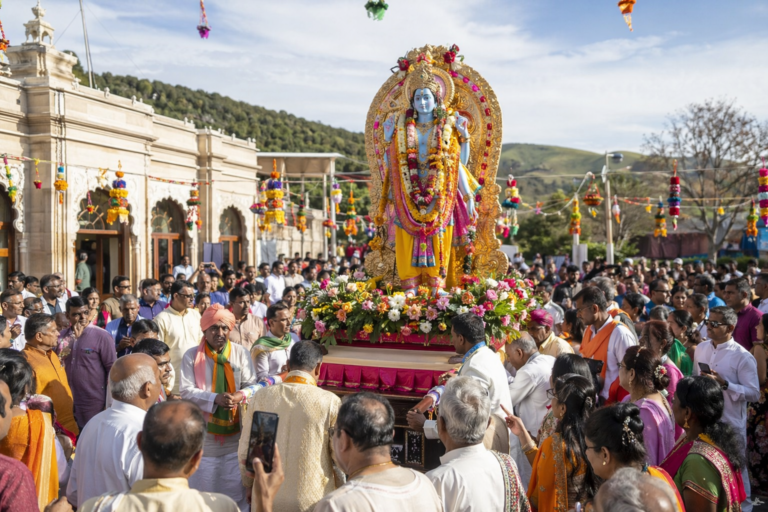
Ashadhi ekadashi in New Zealand can be celebrated with the same faith as it is in other places, though the setting is not the same. Many families in the Indian community like to fast on this day. They also pray at home, sing bhajans, and go to temple if it is possible. Sometimes, local temples become the main place for people to pray together.
Being part of the community can help people feel the spirit of Ashadhi ekadashi. The large and well-known customs come from Maharashtra, but many of those special ways of showing faith can still work well in New Zealand.
Community Gatherings, Temples, and Cultural Events
In many places, people get together and help everyone feel the spirit of ashadhi ekadashi. In New Zealand, you may see families join temple prayers, sing bhajans, join in group chanting, or sit for simple satsang events. Being with others in the same space gives support to families who are keeping the fast.
Temples help with this because they give a clear plan for the day. Things like darshan, aarti, and the group chanting of vishnu sahasranama help people connect more. Even a small local meet-up can mean a lot if you come with your heart in it.
Activities may include:
-
group bhajans and kirtan at temples
-
Vishnu or Vitthal puja and aarti
-
talks on the vrat katha and spiritual significance
-
shared prasad after proper observance and parana
These events in New Zealand may not be as big as the Indian pilgrimage celebrations, but they still help keep the heart of the festival alive.
Unique Practices by the Indian Diaspora in New Zealand
The Indian diaspora in New Zealand often makes some changes to how the ashadhi ekadashi festival is done. This helps the festival fit in with the local schedule, family needs, and when the temples are open. The way people do things may be a bit different, but the heart of the festival is still there. For many, it is about home worship and people joining in with the community.
Some families may keep a full fast. Others might choose an less difficult vrat that works with their health or what their home needs. Evening prayers, online bhajans, and reading the vrat katha together with family are good ways to keep the special meaning of the day.
You will notice a few unique practices, like:
-
doing puja at home when the temple is far away,
-
families getting together for bhajans and saying mantras,
-
using the right New Zealand time instead of the Indian calendar,
-
and adding on charity or sharing food for people who are in need while fasting.
These small but smart changes show that the tradition stays strong as people also make it work in their new lives in New Zealand.
Conclusion
To sum up, Devshayani (Ashadhi) Ekadashi is an important day in the Hindu calendar. This is the sacred day that marks the beginning of Chaturmas. There is deep spiritual significance tied to this time. People mark this day with different rituals, fasting, and coming together with others. You might be getting ready for the puja, or you could be joining in with the Indian community in New Zealand. No matter what, remember that the heart of this festival is about devotion and taking time to think and reflect. Make the most of the spiritual meaning of the day. If you have any questions or need help with how to observe it, feel free to reach out.
Frequently Asked Questions
Is Devshayani Ekadashi the Same as Ashadhi Ekadashi?
Yes, devshayani ekadashi, ashadhi ekadashi, and shayani ekadashi all mean the same holy day. People also call it vaishnava ekadashi and maha ekadashi. These names show that the day happens in Ashadha month and is about Lord Vishnu’s sleep.
What is the Best Way to Observe the Fast in New Zealand?
In New Zealand, people can do the ekadashi fast by checking the local time. Make sure to keep good habits for health. You can follow easy puja rituals at home or go to a temple. The best way is one you can keep with heart. Make time for prayer, be careful about what food you eat, and stay calm all day.
What Happens if You Miss Observing Devshayani Ekadashi?
If you miss devshayani ekadashi, the tradition says you can still show your devotion and do the right thing as you go through the hindu calendar. There are other ekadashi days you can observe later, mainly up to prabodhini ekadashi during Chaturmas. Honest prayer, giving to others, and thinking of lord vishnu can bring blessings and spiritual merit.