Key Highlights
-
Matariki is a group of stars and it marks the Māori New Year in Aotearoa New Zealand.
-
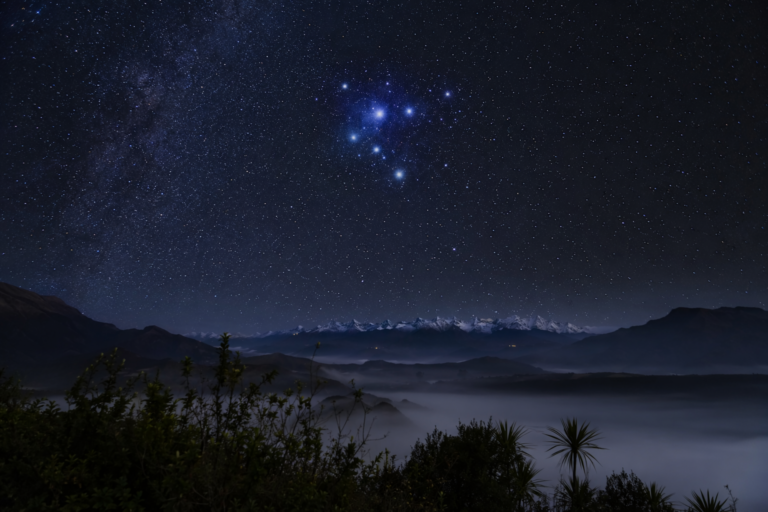
When you see its stars in the winter morning sky, it is a time to remember people, come together, and plan for the year ahead.
-
Matariki became an official public holiday in New Zealand in 2022.
-
Māori traditions are about the stars, honouring the dead, sharing kai, and welcoming the coming year.
-
The celebration of Matariki now has community events, local festivities, and is recognised across the whole country.
Introduction
Matariki is a very important time each year in Aotearoa, New Zealand. This marks the Māori new year, and it is based on a group of stars that you can see in the winter sky. For many people, Matariki is a time to stop and think. It is also when people get together with their whānau, remember loved ones who have passed on, and think about what is coming next. If you want to know why Matariki means so much in New Zealand, this guide is here to help.
The Significance of Matariki in Māori Culture
For Māori, Matariki is the start of the new year, called te Mātahi o te Tau. When Matariki comes up, it means one season has finished and another is about to begin. People get together during this time, as it comes after the harvest and after most major work activities have stopped. This gives Matariki great importance in both everyday life and what people did in the past.
Matariki also has a strong connection to thinking about people who are gone, looking back on the year, and having hope for the coming year. People sometimes call it Matariki herenga waka, which shows how much it means in their culture. To get a good sense of this, it helps to learn about the tau and hear stories about the waka.
Origins and Meaning of Matariki
Matariki is the name for a star cluster that many people around the world call the Pleiades. This group of stars is found in the constellation Taurus. It has been seen and talked about by people through much of human history. In Aotearoa, the group of stars holds a special place for Māori people.
The appearance of Matariki in the night sky before sunrise shows that the new year is here. When the star cluster comes back after it has gone from the western sky, this gives a sign that a new season is starting. This time goes with the lunar calendar and the life and rhythms of winter.
The word Matariki is usually said to mean “little eyes” or “small eyes”. Mata means eyes, and riki means small. Some say the name links to the eyes of Tāwhirimātea. This story helps people see why Matariki is more than just a group of stars. It is a living sign in culture and is important in the way people mark time.
Matariki Legends and Stories
People all over the world have told many stories about this bright cluster of stars. In greek mythology, these stars are known as the seven sisters. In norse mythology, the vikings called them Freyja’s hens. Māori also have deep stories about this cluster in the sky.
One well-known Māori story connects matariki to Tāwhirimātea. After Ranginui and Papatūānuku were pulled apart, Tāwhirimātea pulled out his eyes and threw them up into the sky. The eyes became matariki, shining on his father’s chest.
-
In japan, people call this cluster subaru, which means “to come together”.
-
In china, it is called mao, which means hairy head of the white tiger.
-
In india, they be known as krittika.
The stars have different names in other places, which shows people everywhere love them. Māori stories give aotearoa its own special tale about these stars.
When is Matariki 2026?
Matariki takes place in winter, between June and July. It comes after the setting of Matariki and then the appearance of its stars again in the early morning sky. The group of stars goes away from the west side when winter starts. After about a month, the cluster returns on the east side just before sunrise. This appearance of Matariki tells people in Aotearoa about the Māori New Year.
The public holiday for Matariki happens on different dates each year. It is often from early June till late June, and sometimes in July. The timing comes from old ways and follows both the season and moon signs. It does not have a set day every year. For 2026, people in New Zealand will check the official holiday list and follow public advice from places like the New Zealand Herald to find the confirmed date for the public holiday.
Matariki Dates and Public Holiday Observance in New Zealand
Yes, Matariki is an official public holiday in New Zealand. The Te Kāhui o Matariki Public Holiday Act 2022 came into effect in April 2022. That made Matariki the first public holiday in Aotearoa to recognise te ao Māori.
This national holiday gives people time to join gatherings, reflect, and take part in the celebration of Matariki. It is now part of the public calendar, which means schools, workplaces, and communities can observe it in a more visible way.
|
Item |
Detail |
|---|---|
|
Holiday name |
Matariki public holiday |
|
Country |
New Zealand |
|
Status |
Official public holiday |
|
First observed as public holiday |
2022 |
|
Legal basis |
Te Kāhui o Matariki Public Holiday Act 2022 |
|
Cultural importance |
First public holiday in Aotearoa to recognise te ao Māori |
That public recognition has helped strengthen awareness of Matariki across the country.
How Matariki Dates Are Determined Each Year
Matariki dates are not chosen at random. They link to both the movement of a group of stars in the sky and to the lunar calendar. To start, Matariki sets in the west close to the beginning of winter. Later, after being out of sight for some time, the group of stars comes back in the east before sunrise.
In many Māori communities in Aotearoa New Zealand, the big moment is the rising of Matariki during the cold months. People would often wait for the lunar period of Tangaroa before the event, then start celebrating. Because of this, the new year date can move each year.
So, Matariki might be in early June, late June, or even July, depending on the lunar calendar. The tradition looks to the sky and seasons, not to a set calendar day. This way of doing things keeps the rising of Matariki tied to nature, ancestry, and what people go through in life in New Zealand.
The Matariki Star Cluster and Their Meanings
The Matariki star cluster is one of the best-known groups of stars in the night sky. Around the world, a lot of people know this star cluster as the seven sisters. It is part of the Taurus constellation. In Aotearoa, though, the stars of Matariki hold deeper meanings. For Māori, these stars have special links to family and stories.
The name Matariki means both the whole star cluster and the brightest star in the group. In Māori ways, the Matariki star cluster is important for marking seasons, health, and memories. To understand it better, let’s look at what each of the stars of Matariki stands for.
Names of the Matariki Stars and Their Roles
The information put together shows one thing well: Matariki is the name for the whole group of stars. It is also the name for the brightest star in the group, which is called Alcyone too. Māori people say this individual star is the mother to the other visible stars in this group. People know the stars of Matariki in many places, but they use different names for them around the world.
Here are key names and what they mean from what we found:
-
Matariki: the name of the entire cluster.
-
Matariki: also the brightest star in the cluster.
-
Alcyone: another name for that brightest star.
-
Mata: part of the word often linked with “eyes”.
-
Riki: part of the word often linked with “small”.
-
Seven sisters: a well-known international name for the cluster.
-
Subaru: the Japanese name for the cluster.
-
Mao: the Chinese name tied to the white tiger.
-
Krittika: the Indian name for the same group.
These different names show how the stars of Matariki can mean different things for people everywhere. The seven sisters, Subaru, and all these other names remind us that this one star group brings people and what they believe together across the world.
Symbolism of Each Star in Māori Tradition
In Māori culture, the stars of Matariki are all about care, memory, and starting fresh. The brightest star of the group, Matariki, is said to have a strong connection to good health and well-being. This shows why these bright stars hold such great importance in Aotearoa.
People in Aotearoa do not see this cluster as just something up in the sky. Instead, the stars are a sign for everyone to come together. They meet to honour the dead, enjoy the present, and make plans for what is coming next. The stars of Matariki are tied to how people feel, as well as what they do every day.
These bright stars are also linked to kai, changing seasons, and community. When the stars appear, it is time when people have gathered and stored food to get through winter. So, their return is seen as a symbol of safety, hope, togetherness, and a fresh start. In this way, the stars of Matariki remind people about survival, remembering those who have passed, and new beginnings.
Traditional Māori New Year Celebrations
The traditional celebration of Matariki starts with the stars. When they come back to the night sky and you see them at dawn, it shows the new year is here. This is when a special time begins in Aotearoa. This is not just a day you point to on a calendar. The celebration of Matariki is about the season, memories, and how people live together.
For Māori communities, this is a time for rituals, getting together, singing (waiata), sharing stories, and eating food. People say goodbye to those who have died. They also look forward to what is coming next. These ways give the celebration of Matariki a deeper meaning.
Customs, Rituals, and Remembering the Deceased
Customs around Matariki have both feeling and habit in them. The season comes after the crops are brought in, during the coldest time of year. People have more space and time to gather then. So, the beginning of the new year becomes a time for everyone to be together. This is shaped by tradition and the lunar calendar.
One key part of Matariki is to remember those who have died. People get together to say goodbye to loved ones. Family come close at this time and focus on what matters most. Because of this, the celebration of the new year has stayed important for many people, all through human history and over the years.
Common customs and things people do at Matariki are:
-
Remember the people who have died, and show respect for their place among the community.
-
Share stories and waiata with family and friends.
-
Gather to look back on the past year and think about the coming year.
-
Celebrate good health, feeling new again, and staying close to each other.
All these ways are there to show that Matariki is about people just as much as it is about stars.
Matariki Foods and Feasting Traditions
Food is a big part of Matariki. This time of year comes right after the harvest. The main work is finished, and people have stored food from their gardens in pits and pātaka to use for the winter. This time after major work activities is the reason people started these big feasts.
During Matariki, people come together to share kai as a way to join in the festivities. There are old Māori ways of cooking food, like hāngī. Food cooked like this goes under the ground. It makes a meal that feels good to eat and can be enjoyed with other people.
Common food and things people love to eat at these feasts include:
-
Fish, chicken, and sweet potato made in a hāngī, like people did many years ago.
-
Pork or lamb with pumpkin, potato, and other vegetables made in a more modern hāngī.
-
Kai that friends and whānau share together with stories, songs, and good times.
These meals help people say thanks for what they got last season. They also give hope for the coming year.
Modern Ways Aotearoa Celebrates Matariki Today
Today, the celebration of Matariki is now much bigger and more open for all in Aotearoa New Zealand. In the past, it was not so well known. Since it became a public holiday, the new year now gets more notice across New Zealand. This gives more time and chance for schools, museums, local groups, and whānau to join in.
Still, the heart of Matariki does not change. It is about being with others, remembering friends and family, sharing food, and thinking about the upcoming season. The big change now is that more people from all over New Zealand can take part in this and learn about Matariki.
Regional Events and Community Gatherings across New Zealand
Across New Zealand, people mark Matariki in many ways that show who they are and where they live. Matariki comes in the coldest time of year, so the events often focus on getting together, keeping warm, telling stories, and learning with each other. Having a national public holiday has made it easier for people to attend and organise these things.
Events in each region can look different to one another, but they share some key values. At these gatherings, people honour the stars, remember those who have passed, and welcome the change of the seasons. You can see museums, cultural spaces, and local places all get involved in the festivities.
You might come across:
-
Community gatherings with waiata, stories, and shared kai.
-
Regional events that help people learn about and think over Māori culture.
-
Public activities to mark Matariki as a national public holiday.
This way of celebrating in different places makes Matariki feel special everywhere across New Zealand, but also something that links us all.
How Visitors Can Experience Matariki Celebrations
If you are in Aotearoa New Zealand during Matariki, you have the chance to join in the celebration of Matariki with other people. You can go to public events, and you can learn from Māori cultural places. The material the guides shared points to Te Papa and other places, where you can learn more about Māori history and who they are, in a way that is easy for everyone.
You can also feel the meaning of Matariki by looking for the stars of Matariki in the winter sky and by taking part in the local festivities in a kind and careful way. Having a hāngī meal, going to a museum, or taking a guided cultural tour can give you some new ways to think about what you see and do there.
Good ways to join in are:
-
Go to community or museum-based Matariki events.
-
Learn about Māori stories, whakapapa, and season traditions.
-
Share kai with others and take part in the celebration of Matariki with care.
Doing this lets you get more from your time in Aotearoa. It will help you remember these new zealand moments for a long time.
Conclusion
As we get ready to welcome Matariki 2026, it helps to know what this time means in Māori culture. Matariki is a new year celebration about starting fresh and thinking back on the past. Stories and old beliefs surround the Matariki star cluster, and the way people mark the Māori new year can feel warm and special. Matariki reminds us of the value in being close to our roots and each other.
You may join in local festivities or just pause to look at the stars. Either way, taking part in Matariki helps welcome the Māori new year. If you want to feel even more part of the Matariki spirit, try going to a local event or gathering for a good experience.
Frequently Asked Questions
Why is Matariki considered the Māori New Year?
Matariki marks the Māori new year. The rising of Matariki in the night sky during winter tells us a new season is starting. This special time follows the lunar calendar. When Matariki comes back before sunrise, people use the moment to remember the past, gather with loved ones, and feel refreshed for the year ahead.
Is Matariki a public holiday in New Zealand?
Yes, Matariki is now a public holiday in New Zealand. This day became a national public holiday in 2022, thanks to the Te Kāhui o Matariki Public Holiday Act. Each year, people in New Zealand can look up the set date for this public holiday in a calendar. You can also see the date for Matariki in news reports, like those from the New Zealand Herald.
How do Māori people celebrate Matariki differently across regions?
Across Aotearoa New Zealand, the celebration of Matariki can be different in each area. Still, the main idea is the same. There are many local gatherings, community activities, and regional events in these places. People join in waiata, share kai, remember loved ones, and learn about culture. All these things come from the local traditions of the region.