Key Highlights
-
Plastic Free July is a plastic free challenge that takes place in the month of July.
-
It asks you to use less single use stuff and help cut down plastic waste.
-
The campaign comes from the Plastic Free Foundation and now people around the world are a part of this global movement.
-
In New Zealand, it helps people make better choices for beaches, waterways, and for things we do every day.
-
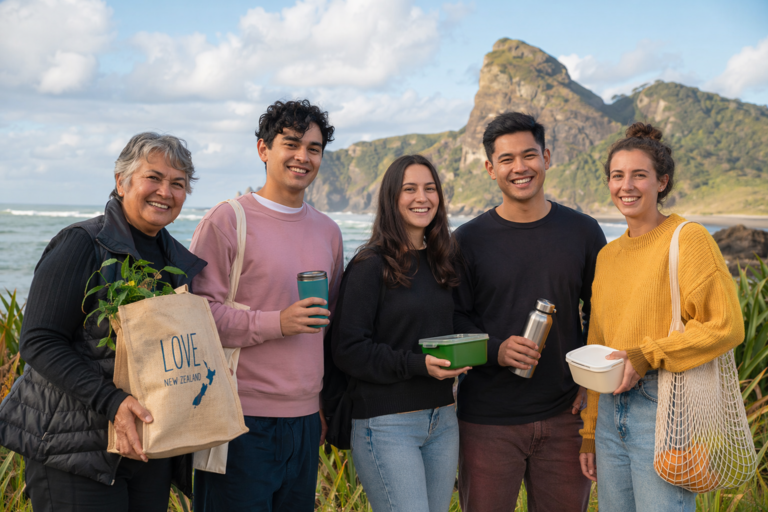
You can get started by trying small steps like using sustainable alternatives such as reusable bags, bottles, and cups.
-
What you do counts, and when we all take part with collective action, we can see good change happen and last.
Introduction
Plastic Free July 2026 is a good time to look at your daily habits and help stop plastic pollution. All across New Zealand, people can use July to say no to single-use plastics and pick better choices. You do not have to do it all at once. Just start with one plastic free change and then add more when you are ready. Share your progress on social media. You can ask others to join in and make your plastic free goal bigger for your home, your workplace, or your community.
Understanding Plastic Free July and Its Significance in New Zealand
Plastic Free July is a challenge that happens every year, running through the whole month of July. The goal is for people to cut back on the use of single-use plastic by making simple choices in everyday life. This challenge is backed by the Plastic Free Foundation, and now people all over the world take part in it across more than 190 countries. It has grown into a big global movement because of this.
If you want to join in and go plastic free, you can start with one habit. Try to use reusable things and then slowly use less plastic as time goes on. When you share what you are doing and let others know, you become part of the solution. The story behind this campaign shows why Plastic Free July keeps getting bigger each year and helping people lower their plastic consumption.
How Plastic Free July Began and Its Global Growth
Plastic Free July started back in 2011 in Western Australia. Rebecca Prince-Ruiz and her small team came up with this idea. It was first a local challenge. They wanted people to cut down on single-use plastics for one month. The goal was to make us think about what we use each day.
Since then, it has grown a lot. The Plastic Free Foundation gave it support. Now, it is a true global movement. In July 2024, over 100 million people from more than 190 countries took part. This shows just how far the message has reached.
This is important, as plastic pollution is a problem for all of us. When people share ideas, swaps, and tips on social media, more folks can join in. It makes it less easy to miss, and everyone can get on board. Small things we do add up fast. All this work makes the plastic free movement grow and get even stronger.
Why Plastic Free July Matters for New Zealand’s Environment
Plastic Free July is important because plastic waste does not go away after you use it once. A lot of this waste ends up in landfills or in the water, and it can stay there for a long time. This leads to plastic pollution and puts pressure on places people love in New Zealand.
When plastic ends up in water, it can hurt marine life and make it hard for these animals to live. Small bits of plastic can move into the food chain, which brings about more problems for the environment. So, it’s not just about litter you pick up on the beach or road. It can make its way into the whole ecosystem, even in ways people cannot see right away.
This is also a problem for human health. Microplastics can bring in chemicals that are said to cause issues with hormones and having kids. Cutting out plastic where you can in July helps bring down demand, make people think more, and lead to better habits. Now is a good time to see how you and your family can join the plastic free challenge too.
Getting Started: How to Join Plastic Free July 2026
Joining Plastic Free July 2026 is easy. You just need to try and cut down or stop using single-use plastics in July. Start with swaps that you can keep up. A reusable bottle, lunch box, or shopping bag is enough to start. You do not need to have the perfect plan.
The thing that helps the most is to stay visible and keep going. Post updates on social media. Talk about what works for you, and ask others to join. That feeling of collective action can turn one person’s effort into bigger change. Here are some real ways different groups can get involved.
Ways Individuals and Households Can Participate
At home, the best way is to look at which plastic free steps fit with your daily routine. You can do a quick plastic check to see the single use items you use most. When you see those habits, changing them can feel much easier and you will know what works for you.
You might pick a few things you use every day:
-
Carry a reusable coffee cup so you do not take takeaway cups or plastic lids.
-
Swap out plastic bottles and use a refillable drink bottle.
-
Put snacks, lunches, and leftovers in reusable containers.
-
Keep cloth bags ready so you can shop without plastic.
You can also get the whole family involved. You could make snacks at home, keep food in glass jars, or pick products with less packaging. When the household tries small changes, it will be easier to keep these going after July is done. That is when the plastic free push really helps you the most.
How Schools and Workplaces Can Get Involved in the Challenge
Schools and workplaces can absolutely join Plastic Free July. In fact, shared spaces are ideal for building sustainability habits because people can learn from one another. A team challenge, lunchroom reset, or awareness activity can make plastic free choices feel practical rather than difficult.
Here is a simple text table with ideas:
|
Group |
Action |
Purpose |
|---|---|---|
|
School |
Run a plastic audit in classrooms |
Identify common waste points |
|
School |
Hold a workshop or clean-up day |
Build awareness and teamwork |
|
Workplace |
Encourage reusable cups and bottles |
Cut daily single-use waste |
|
Workplace |
Review kitchen supplies and packaging |
Support zero waste habits |
These steps support more sustainable practices without needing major changes. You can also share progress on noticeboards or internal channels to keep momentum going. Once a group sees results, the next step is bringing those habits into the home.
Top Tips for a Successful Plastic Free July at Home
Success at home starts when you plan ahead. Check to see where most of your plastic waste comes from. In a lot of homes, the main places you find it are food packaging, drink containers, toiletries, and shopping bags. Doing a quick look around helps you know where to begin.
After that, pick sustainable alternatives you can use every day. This could be reusable storage, buying in bulk, making snacks at home, and better recycling habits. All these help you have a plastic free routine. The next two sections show you simple swaps and good ideas to try here in New Zealand.
Simple Swaps to Reduce Single-Use Plastics
You do not have to swap out all plastic items at once. Start with the things you throw away after one use. Many single use plastics are easy to leave behind if you get a few reusable choices ready to take with you before you go out or shop.
Try these simple swaps:
-
Replace plastic bags with reusable shopping bags made from fabric or other strong stuff.
-
Skip bottled drinks and use a refillable bottle you can take with you.
-
In the kitchen, use beeswax wraps instead of plastic wrap.
-
Pick metal or silicone straws instead of throwaway ones.
-
Keep leftovers in glass containers, not plastic ones you use one time and toss.
Another good step is to think before you buy. Ask if you really need it, and if you can get something with less waste. When you buy less packaging and fewer single use things, you throw out less. This makes it easy to use other options you know and trust.
Finding Reliable Plastic-Free Alternatives in New Zealand
Reliable plastic free choices often start when you change how you shop, rather than just picking new products. Farmers’ markets, bulk food stores, and zero-waste shops help you use less packaging and be more careful about what you buy. Reusing things like jars, cloth bags, and other containers makes things easy.
Useful sustainable alternatives include:
-
Glass jars and containers for pantry storage and leftovers.
-
Bar soap and shampoo bars instead of bathroom bottles.
-
Bamboo toothbrushes and metal razors for daily use.
-
A home composting setup to help with bin liners and food scraps.
It helps to get better at recycling when you cannot yet skip plastics fully. Composting old food, buying in bulk, and choosing brands that use good materials can help you stick to this way of life. When you try this, you start to see how taking one month of small steps can help you make long term habits.
Conclusion
As we get into Plastic Free July 2026 in New Zealand, it is good to know the big impact we can have by working together. When we make smart choices and get used to small things that cut down on plastic waste, we help make the planet cleaner. We also help people in our towns and cities. It does not matter if you take part as one person, with your family, or at work. Every bit of effort means something. The move towards more sustainability is a goal for all of us. When we work as a group, we help others get started in this important challenge too. This Plastic Free July is a good time to do better for the world and for ourselves. Be a part of the movement and start to make a change now.
Frequently Asked Questions
What types of plastic should I focus on avoiding during Plastic Free July?
Start by looking at the single use items you throw out the most. For many people, this will be plastic bags, plastic bottles, snack wrappers, takeaway containers, and extra packaging. These things are some of the main sources of plastic waste. If you stop using these first, it is a good and practical way to start.
Where can I find events or support for Plastic Free July in New Zealand?
Keep an eye on social media throughout the month of July for the latest plastic free updates and to find ideas from the community. You can get involved by joining a local clean-up, going to a workshop, or taking part in activities at your school or workplace. When we all join in and take part together, it builds collective action. It’s also a good way to get tips for cutting out waste and doing better with recycling.
How can I encourage others in my community to join the challenge?
Keep it simple and stay positive. Share your plastic free swaps on social media. Talk about what has worked for you in July. Invite your friends, neighbours, or even local groups to try one change as well. When people see real, clear and sustainable practices, they start to know that small actions can really make a big difference.