

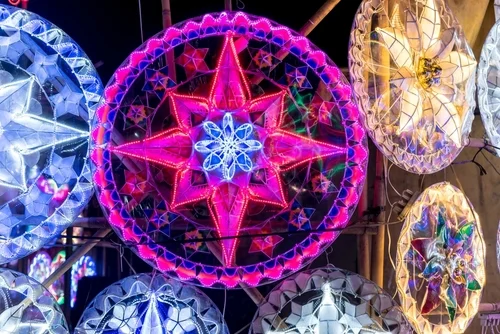
Quick answer: The “Ber Months” refer to September, October, November, and December—the four months whose names end in “-ber.” For Filipinos around the world, September 1 marks the unofficial start of the Christmas season, a tradition rooted in deep cultural and religious values that turns the Philippines into a nation of decorators, gift-givers, and celebrants for a full four months.
If you’ve ever walked into a Filipino household and heard Christmas carols playing in early September, you weren’t imagining things. The moment the calendar flips to September 1, something shifts. Parols—the iconic star-shaped Filipino lanterns—appear in windows. Malls cue the holiday music. Group chats light up with “Ber months na!” And for millions of Filipinos living and working abroad, including across the United States, the countdown to Christmas begins in earnest.
The Ber Months are more than a cultural quirk. They represent one of the longest, most heartfelt, and most economically significant holiday traditions in the world. For the Filipino diaspora in the U.S., this four-month stretch carries a particular weight—it’s the season of balikbayan boxes, remittances, and gifts sent across oceans to family back home.
Here’s everything you need to know about the Ber Months 2026, why they matter, and what to expect as September 1 approaches.

What Are the Ber Months?
The Ber Months are simply September, October, November, and December—each sharing the “-ber” suffix in their names. In Filipino culture, these four months collectively mark the Christmas season. While the Western world typically kicks off the holidays in late November (after Thanksgiving), Filipinos start four months earlier.
The tradition has no single founder or official proclamation behind it. It evolved organically, shaped by the Philippines’ deep Catholic heritage, colonial Spanish influence, and the Filipino people’s genuine love of celebration. Christmas in the Philippines is a communal, family-centered affair—and four months is barely enough time to prepare for it.
By 2026, the Ber Months will look much the same: festive and full of anticipation, both in the Philippines and across Filipino communities worldwide.

Why Do Filipinos Start Christmas So Early?
The short answer is faith and family. The Philippines is one of the most predominantly Catholic countries in Asia, and Christmas is the most sacred celebration of the year. Preparations—spiritual, social, and practical—take time.
There’s also the tradition of Simbang Gabi, a novena of nine evening Masses held from December 16 to 24. Many Filipino families spend months looking forward to this spiritual practice, which brings entire communities together before dawn. Starting the festive spirit in September creates the emotional runway for that kind of devotion.
Beyond religion, Christmas in the Philippines is deeply tied to family reunions. For Filipinos living overseas, September 1 triggers a long planning process: booking flights home, organizing gifts, arranging balikbayan boxes, and coordinating with relatives. Starting early isn’t just tradition—it’s practical necessity.

What Happens During the Ber Months in 2026?
Each month has its own rhythm:
September sets the mood. Decorations go up, holiday playlists return, and Filipinos begin budgeting for the season ahead. In malls across Manila—and in Filipino stores across U.S. cities—Christmas displays appear almost overnight.
October brings the energy up a notch. Gift shopping begins in earnest, and balikbayan boxes start getting packed and shipped to ensure they arrive on time.
November is dominated by preparation. The Feast of All Saints’ Day on November 1 is a major occasion in itself, blending solemnity with family togetherness. By mid-November, Christmas is everywhere.
December is the crescendo. Simbang Gabi begins on December 16, and the celebrations run through December 25—and often into the New Year with Epiphany traditions.

How the Ber Months Affect Spending and Money Transfers
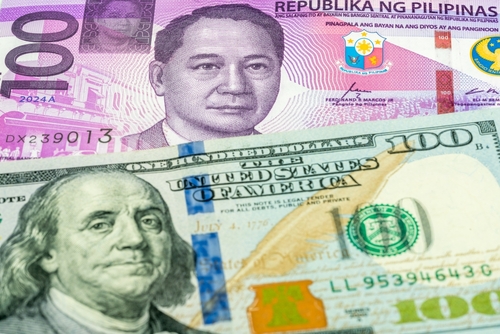
For Filipinos in the United States, the Ber Months trigger a significant uptick in financial activity. Remittances—money sent from the U.S. to family in the Philippines—historically climb from September through December. According to the Bangko Sentral ng Pilipinas (BSP), remittances from overseas Filipino workers (OFWs) tend to peak during the fourth quarter of the year, driven largely by holiday-related spending.
This matters for practical planning. If you’re sending money to the Philippines during the Ber Months, here’s what to keep in mind:
Plan around Philippine public holidays. Banks in the Philippines observe national public holidays, which can affect processing times for transfers. In 2026, key dates to be aware of include November 1 (All Saints’ Day), November 30 (Bonifacio Day), December 8 (Feast of the Immaculate Conception), December 25 (Christmas Day), and December 30 (Rizal Day). On these days, Philippine banks may be closed or operating on reduced hours, which can delay fund availability for recipients.
Send early during peak season. The weeks leading up to Christmas are among the busiest for international money transfers. Processing times can be slightly longer during high-volume periods, so sending money earlier in the season—rather than in the final days before December 25—gives your recipient more time to access funds without stress.
Check bank operating hours in advance. If your family member in the Philippines needs to pick up cash or visit a branch, confirming that their local bank will be open before a transaction is always a good habit—especially during the Ber Months, when holidays cluster together.
The Ber Months and Filipino Identity Abroad
For the roughly 4 million Filipinos living in the United States, the Ber Months are a cultural anchor. They’re a reminder of home—of the smell of bibingka at Simbang Gabi, the glow of parols in the window, and the sound of Filipino Christmas carols drifting from the kitchen.
Community centers, Filipino churches, and cultural organizations across the U.S. hold Ber Months events throughout September to December: holiday markets, caroling nights, potlucks, and Simbang Gabi services at local parishes. These gatherings do more than celebrate a season—they preserve a sense of belonging.
The act of sending gifts and money home during this period is, for many Filipino-Americans, one of the most meaningful expressions of that connection. It’s not just a financial transaction. It’s participation in a tradition that spans thousands of miles.

What Makes the Philippine Christmas Season the World’s Longest?
The Philippines is widely recognized as home to the world’s longest Christmas season. The Guinness World Records has acknowledged Filipino Christmas traditions, and cultural observers frequently cite the Ber Months phenomenon as a defining feature of Philippine society.
Several factors contribute to this record-breaking length:
- Strong Catholic tradition: Over 80% of Filipinos identify as Catholic, giving Christmas deep spiritual significance.
- Government and commercial reinforcement: Philippine law and commercial culture both support the extended season—some government agencies even allow Christmas decorations in public spaces starting in September.
- Family-first values: Filipino culture places enormous importance on family gatherings, and a four-month window allows overseas Filipinos the time to plan reunions properly.

Start Planning for Ber Months 2026 Now
September 1, 2026 is closer than it seems. For Filipino families—both in the Philippines and across the U.S.—that date signals the beginning of the most anticipated season of the year.
Whether you’re planning to visit family, organize a balikbayan box, or simply join in the spirit from afar, the Ber Months offer four full months to celebrate what matters most: love, family, faith, and community. Start the playlist. Hang the parol. The world’s longest Christmas season is almost here.
Frequently Asked Questions
What are the Ber Months in 2026?
The Ber Months in 2026 are September, October, November, and December. For Filipinos, September 1 marks the informal start of the Christmas season—a tradition rooted in Catholic faith and Filipino family values.
Why do Filipinos start celebrating Christmas in September?
Filipino Christmas celebrations begin in September because of the country’s strong Catholic heritage, long-standing cultural traditions, and the practical need for overseas Filipinos to plan holiday trips, gifts, and remittances well in advance. The “-ber” months (September through December) have become synonymous with the holiday season in Filipino culture.
Are Philippine banks open on Christmas and other Ber Months holidays?
Philippine banks are typically closed on major national public holidays, including Christmas Day (December 25), All Saints’ Day (November 1), Bonifacio Day (November 30), Feast of the Immaculate Conception (December 8), and Rizal Day (December 30). If you’re sending money to the Philippines, check the holiday calendar and send funds ahead of these dates to avoid delays in your recipient accessing the money.
When is the best time to send money to the Philippines during the Ber Months?
The best time to send money to the Philippines during the Ber Months is early in the season—ideally in September or October—before the holiday rush begins. Transfer volumes increase significantly in November and December, which can mean longer processing times. Sending earlier also gives your family more time to plan how they’ll use the funds.
What is Simbang Gabi and when does it take place?
Simbang Gabi is a traditional Filipino Catholic novena of nine Masses held from December 16 to 24, typically in the early morning or evening. It is one of the most cherished religious traditions in the Philippines and is observed in Filipino communities around the world, including in churches across the United States.
Do Filipino communities in the United States celebrate the Ber Months?
Yes. Filipino-American communities across the U.S. celebrate the Ber Months through cultural events, holiday markets, Simbang Gabi services at local parishes, and community gatherings. The tradition is a meaningful way for Filipinos abroad to stay connected to their heritage and to family back home.



