

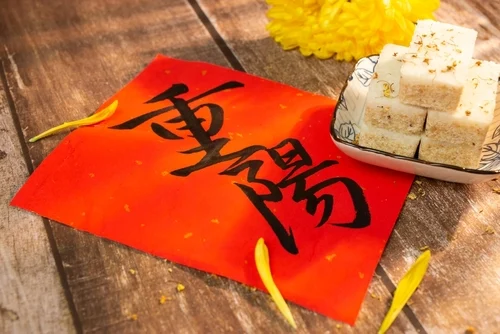
Quick answer: The Double Ninth Festival, also called Chongyang Festival or Elders’ Day, falls on October 18, 2026, the ninth day of the ninth lunar month. China officially designated it a day to honor seniors in 2013. Traditions include climbing hills, admiring chrysanthemums, and eating Chongyang cake, though today the holiday centers on checking in with parents and grandparents. For Chinese-American families, it’s a natural moment to call home and, for some, arrange a transfer to support relatives abroad.
Autumn brings a quiet but meaningful holiday for millions of Chinese and Chinese-American families: the Double Ninth Festival. While it doesn’t come with the fireworks of Lunar New Year or the mooncakes of the Mid-Autumn Festival, this holiday carries its own kind of weight. It’s a day built around gratitude, respect, and family connection.
If you grew up with Chinese heritage or married into a Chinese-American family, you’ve likely heard the term Chongyang Festival mentioned around this time of year. This guide breaks down what the holiday means, when it falls in 2026, and how families in the United States can observe it, even from thousands of miles away.

What Is the Double Ninth Festival?
The Double Ninth Festival, known as Chongyang Jie in Mandarin, takes place on the ninth day of the ninth lunar month. In Chinese numerology, nine is considered a yang number, representing masculine, active energy. Two nines together create an especially potent date, which ancient traditions treated with a mix of celebration and caution.
Historically, people believed this double dose of yang energy could bring bad luck, so communities developed rituals to ward it off. Climbing to higher ground, wearing sprigs of dogwood, and drinking chrysanthemum wine were thought to protect against misfortune. Over centuries, the holiday shifted from a day of caution to one of celebration, and eventually, to a day dedicated to honoring elders.
When Is the Double Ninth Festival in 2026?

The Double Ninth Festival falls on October 18, 2026. Because the date follows the lunar calendar rather than the Gregorian calendar, it shifts each year on Western calendars, typically landing sometime in October.
Unlike Lunar New Year, the Double Ninth Festival isn’t a public holiday in the United States, so schools, offices, and most businesses run on a normal schedule.
What Are the Traditions of the Double Ninth Festival?
Several customs have carried through generations, even as the holiday’s meaning has evolved.
Climbing Hills or Mountains

Known as “climbing high” (dengao), this tradition stems from ancient beliefs about escaping misfortune by gaining elevation. Today, families in China often treat it as an opportunity for a scenic hike, taking in fall foliage while spending time together outdoors.
Viewing Chrysanthemums

Chrysanthemums bloom during this time of year in China, and the flower has long symbolized longevity and resilience. Many communities hold chrysanthemum festivals, and it’s common to display the flowers at home or drink chrysanthemum tea as part of the celebration.
Eating Chongyang Cake

Because “cake” (gao) sounds similar to “high” (gao) in Mandarin, eating Chongyang cake symbolically represents rising higher in life, whether that means career success, health, or general good fortune. The cake is typically layered and topped with nuts, dates, or dried fruit.
Why Is the Double Ninth Festival Also Called Elders’ Day?
In 2013, China’s government officially designated the Double Ninth Festival as Seniors’ Day, cementing a shift that had already been happening culturally. The holiday’s association with longevity, health, and respect made it a natural fit for a day centered on honoring older generations.
Modern observance often looks less like mountain climbing and more like visiting parents, calling grandparents, or organizing community events for seniors. Many cities in China host free health screenings, meals, or performances for elderly residents around this time.

How Can Chinese-American Families Honor the Double Ninth Festival From Abroad?
Living far from extended family doesn’t mean the holiday loses its meaning. For many Chinese-American households, the Double Ninth Festival has become less about the traditional rituals and more about maintaining connection across distance.
A phone or video call to parents or grandparents remains the simplest and most meaningful gesture. For families who want to go a step further, some choose this day to send a gift, arrange for a meal delivery to an elderly relative, or coordinate a small transfer of money to help cover a special outing or purchase back home.

Are Banks Open During the Double Ninth Festival?
Since the Double Ninth Festival isn’t a recognized holiday in the United States, American banks operate on their normal schedule. In 2026, the holiday falls on a Sunday, so banks would already be closed that day regardless, simply due to the weekend.
If you’re coordinating a financial gift or transfer to family members in China around this time, it’s worth checking whether banks there observe modified hours, since the holiday is more widely recognized in mainland China, Hong Kong, and Taiwan than in the U.S. Planning a day or two ahead can help avoid any delays tied to weekend or holiday banking schedules on either end.

Keeping the Tradition Alive, Wherever You Are
The Double Ninth Festival carries a simple message: take a moment to recognize the people who came before you. Whether that means a hike with family, a slice of Chongyang cake, or a long overdue phone call to a grandparent, the holiday offers a built-in reminder to slow down and show appreciation.
For Chinese-American families balancing traditions across two cultures, the Double Ninth Festival doesn’t have to look exactly like it does in China. What matters most is the intention behind it: honoring elders, staying connected, and carrying a piece of heritage forward.

FAQ
What is the Double Ninth Festival also known as?
The Double Ninth Festival is also called Chongyang Festival, Chongyang Jie, or Elders’ Day. China officially designated it Seniors’ Day in 2013.
When does the Double Ninth Festival take place in 2026?
The Double Ninth Festival falls on October 18, 2026, corresponding to the ninth day of the ninth month on the lunar calendar.
Is the Double Ninth Festival a public holiday in the United States?
No. The Double Ninth Festival is not a recognized public holiday in the United States, so businesses, schools, and banks operate on their regular schedules.
What foods are associated with the Double Ninth Festival?
Chongyang cake is the most traditional food associated with the holiday. It’s typically a layered cake topped with nuts or dried fruit, symbolizing the wish to “rise higher” in life.
How is the Double Ninth Festival different from the Mid-Autumn Festival?
The Mid-Autumn Festival centers on family reunions and mooncakes around the harvest moon, while the Double Ninth Festival focuses specifically on honoring elders and includes traditions like hill climbing and chrysanthemum viewing.



