

Quick answer: Yom Kippur 2026 begins at sundown on Sunday, September 20, and ends at nightfall on Monday, September 21. Known as the Day of Atonement, it is the holiest day in the Jewish calendar—marked by a 25-hour fast, synagogue prayer, and the renowned Kol Nidre and Neilah services.
Each year, Yom Kippur invites Jewish communities across the United States—and around the world—to pause, reflect, and seek forgiveness. For those observing, it is a deeply personal and spiritual day. For friends, colleagues, and neighbors wanting to be respectful and supportive, knowing what Yom Kippur means, how it is observed, and what to say can make a meaningful difference.
This guide covers everything you need to know about Yom Kippur 2026: when it falls, how it is observed, what greetings are appropriate, what typically closes for the holiday, and whether banks and financial services operate on this day.

When Is Yom Kippur 2026?
Yom Kippur 2026 begins at sundown on Sunday, September 20, 2026, and concludes at nightfall on Monday, September 21, 2026. The holiday spans approximately 25 hours.
In the Jewish calendar, days begin at sundown rather than midnight. This is why Yom Kippur—like most Jewish holidays—starts the evening before the secular date most people associate with it. The 2026 observance falls on the 10th of Tishrei, 5787.
How Yom Kippur’s Date Changes Each Year
Yom Kippur always falls on the 10th of Tishrei in the Hebrew calendar, but because the Hebrew calendar is lunisolar, the corresponding date on the Gregorian calendar shifts from year to year. The holiday typically occurs between mid-September and mid-October.
What Is Yom Kippur? The Meaning Behind the Day of Atonement
Yom Kippur translates from Hebrew as “Day of Atonement.” It is widely considered the holiest and most solemn day in the Jewish year—a time for reflection, repentance, and spiritual renewal.
The holiday follows Rosh Hashanah, the Jewish New Year, by ten days. This ten-day period is known as the Days of Awe (or Yamim Noraim), during which Jewish tradition holds that God inscribes and seals each person’s fate for the coming year. Yom Kippur is the final opportunity to seek forgiveness—from God and from one another—before that judgment is sealed.
The observance centers on five prohibitions: fasting from food and water, refraining from bathing, not wearing leather shoes, abstaining from cosmetics or lotions, and avoiding marital relations. Of these, the 25-hour fast is the most widely practiced, even among Jews who do not observe the holiday in other ways.

The Key Yom Kippur Services: Kol Nidre and Neilah
Two prayer services define Yom Kippur above all others.
What Is the Kol Nidre Service?
Kol Nidre is the evening service that opens Yom Kippur, held just before sundown on September 20, 2026. The service takes its name from a solemn Aramaic declaration that annuls vows made between a person and God. Chanted three times by the cantor, the haunting Kol Nidre melody is one of the most recognizable in Jewish liturgy. Synagogues are typically filled to capacity for this service, drawing even those who rarely attend.
What Is the Neilah Service?
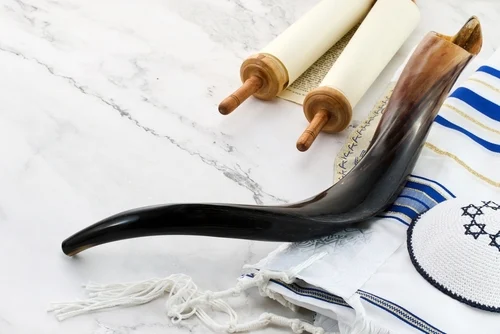
Neilah is the closing service of Yom Kippur, held as night falls on September 21, 2026. The name means “closing” or “locking”—symbolizing the closing of the heavenly gates at the end of the day. It is an emotionally intense service, often ending with a single long blast of the shofar (a ram’s horn) to mark the conclusion of the holiday.
What to Say on Yom Kippur: Greetings and Phrases
Knowing the right thing to say shows respect for those observing. Here are the most common Yom Kippur greetings used in the United States:
- “G’mar Chatimah Tovah” — Meaning “may you be sealed for a good [year],” this is the traditional Yom Kippur greeting. It is often shortened to “G’mar Tov.”
- “Easy fast” — A common, informal English phrase wishing someone an easier time during the 25-hour fast.
- “Have a meaningful fast” — Another respectful English phrase for those observing.
Avoid saying “Happy Yom Kippur”—the holiday is solemn, not celebratory. The greeting “Shana Tovah” (Happy New Year) is more appropriate for Rosh Hashanah, though it can still be used during the Days of Awe.

Are Banks Open on Yom Kippur 2026?
This is a practical question for many Americans, Jewish or not. Yom Kippur is not a federal public holiday in the United States, so banks, government offices, and most businesses are not required to close.
That said, some businesses—particularly in areas with large Jewish communities, such as parts of New York, New Jersey, Florida, and California—may operate on reduced hours or close voluntarily out of respect for the holiday.
What Does This Mean for Financial Transactions?
For those observing Yom Kippur, traditional practice discourages the use of money and electronic devices during the holiday. Many observant Jewish individuals will not use ATMs, mobile banking apps, or make financial transactions on Yom Kippur.
Here is what to keep in mind:
- Bank branches will generally remain open on September 21, 2026, as Yom Kippur is not a federally recognized bank holiday.
- Wire transfers and ACH payments processed through the U.S. Federal Reserve will follow normal business hours, since September 21 is a regular Monday.
- Online banking and payment apps will function as usual, though individuals observing the holiday may choose not to use them.
- Financial planning tip: If you or someone you are coordinating with observes Yom Kippur, it is worth scheduling time-sensitive transfers or transactions for before sundown on September 20 or after nightfall on September 21.

How Yom Kippur Is Observed in the United States
Yom Kippur observance varies widely across the Jewish community in America, from deeply traditional to more secular expressions. Common practices include:
- Synagogue attendance: Many Jewish Americans attend Kol Nidre on the eve of Yom Kippur and return for Yizkor, the memorial service, and Neilah on the day itself.
- The fast: The 25-hour fast begins before sundown on September 20 and ends after nightfall on September 21.
- White clothing: Some worshippers wear white to symbolize purity and the spiritual focus of the day.
- Break-the-fast gatherings: After nightfall, it is traditional to break the fast with family and friends. Common foods include bagels, lox, kugel, and other light dairy dishes.
For non-Jewish Americans, simply being aware that colleagues, friends, or neighbors may be unavailable or fasting on this day is a meaningful gesture of respect.
What to Expect the Day After Yom Kippur
September 22, 2026 is a regular Tuesday in the United States. Life returns to its normal pace. For those who observed Yom Kippur, the day after often carries a sense of lightness and renewal. Within days, the Jewish holiday of Sukkot begins—a weeklong harvest festival that shifts the tone from solemnity to celebration.

Frequently Asked Questions About Yom Kippur 2026
When does Yom Kippur 2026 start and end?
Yom Kippur 2026 begins at sundown on Sunday, September 20, 2026, and ends at nightfall on Monday, September 21, 2026. The observance lasts approximately 25 hours.
Is Yom Kippur a public holiday in the United States?
No. Yom Kippur is not a federal public holiday in the United States. Banks, government offices, and most businesses remain open. However, some organizations in areas with large Jewish populations may close or reduce hours voluntarily.
Are banks open on Yom Kippur 2026?
Yes, banks are generally open on Yom Kippur 2026. September 21, 2026 falls on a Monday and is not a federally recognized U.S. bank holiday. Financial transactions, wire transfers, and ACH payments will process normally.
What is the appropriate greeting for Yom Kippur?
The traditional Hebrew greeting is “G’mar Chatimah Tovah,” meaning “may you be sealed for a good year.” In English, “Easy fast” or “Have a meaningful fast” are considerate phrases. Avoid saying “Happy Yom Kippur,” as the day is solemn rather than celebratory.
How long is the Yom Kippur fast?
The Yom Kippur fast lasts approximately 25 hours. It begins before sundown on the eve of the holiday and concludes after nightfall the following day. The fast involves abstaining from both food and water.
What is Kol Nidre?
Kol Nidre is the evening prayer service that opens Yom Kippur. Named for an Aramaic declaration annulling vows made to God, it is chanted at sundown on the first night of the holiday. The Kol Nidre melody is one of the most recognized in Jewish religious music.
What is Neilah?
Neilah is the closing prayer service of Yom Kippur, held as the holiday draws to a close at nightfall. The name means “closing” and refers to the sealing of the heavenly gates. The service traditionally ends with a single shofar blast.
Can I do financial transactions on Yom Kippur?
Banks and financial services operate normally on Yom Kippur, since it is not a U.S. federal holiday. However, many observant Jewish individuals choose not to use electronic devices or handle money during the holiday. If you are coordinating a financial matter with someone who observes Yom Kippur, scheduling transactions before sundown on September 20 or after nightfall on September 21 is considerate.



