

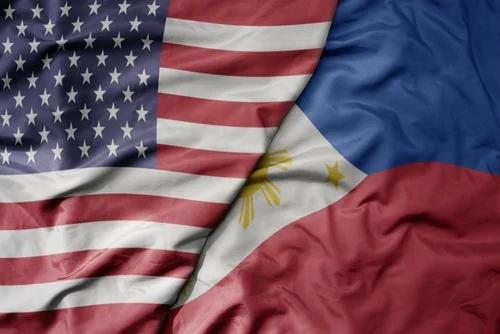
Quick answer: Filipino American History Month takes place every October, commemorating the first documented arrival of Filipinos in North America in 1587. Recognized nationally since 2009, the observance includes community events, school programs, and cultural showcases across the United States. October also overlaps with the Philippines’ Undas (All Saints’ Day) observances and the start of the Filipino Christmas season, both periods when families exchange gifts and support across borders.
Every October, communities across the United States pause to recognize a history that stretches back more than four centuries. Filipino American History Month honors the contributions, culture, and resilience of Filipino Americans, one of the largest Asian American populations in the country. For many families, it’s also a time when cultural pride intersects with practical, everyday concerns like staying connected to relatives in the Philippines during a busy season of celebration.
Understanding why this month matters, and what makes October such a significant time for Filipino American communities, helps explain both the historical weight of the observance and its modern-day relevance.
What is Filipino American History Month and when did it start?
Filipino American History Month has been recognized nationally in the United States since 2009. The observance marks the first documented arrival of Filipinos in what is now California, which occurred in October 1587, when Filipino sailors landed near Morro Bay aboard a Spanish galleon. This makes the Filipino American story one of the oldest Asian American narratives in the country, predating the Jamestown settlement by two decades.
The Filipino American National Historical Society (FANHS) played a central role in establishing this observance, advocating for recognition of a history that had often been overlooked in mainstream American education. Since then, the month has grown into a nationwide moment of reflection and celebration.
How do communities celebrate Filipino American History Month?
Communities mark the occasion in ways that blend education with cultural pride. Common activities include:
- Community events: Festivals, cultural fairs, and gatherings organized by Filipino American organizations in cities with significant Filipino populations, including Los Angeles, San Francisco, and Honolulu.
- School programs: Educational initiatives that introduce students to Filipino American history, often incorporating guest speakers, exhibits, and curriculum materials.
- Cultural showcases: Performances featuring traditional dance, music, and cuisine that highlight the diversity within Filipino culture.
These events serve a dual purpose. They celebrate heritage while also creating space for younger generations to connect with a history that shaped their communities.

Why does October carry extra significance for Filipino families abroad?
October’s importance extends beyond historical commemoration. For Filipino families with relatives living in the United States, the month also marks the beginning of a season with deep cultural and financial significance.
Late October leads directly into Undas, the Filipino observance of All Saints’ Day and All Souls’ Day, when families gather to honor deceased relatives. This period often involves travel, gravesite visits, and family gatherings, all of which come with associated costs. Shortly after, the Philippines enters what’s often described as the longest Christmas season in the world, with celebrations beginning as early as September and continuing through January.
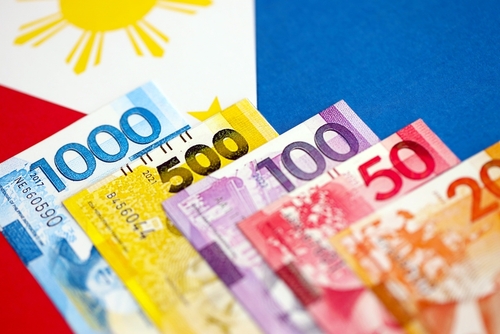
This convergence makes October and the following months a period when Filipino families abroad frequently coordinate financial support for relatives back home, whether that’s contributing to holiday celebrations, covering Undas-related expenses, or preparing for the broader Christmas season ahead.

Are banks open during Filipino American History Month observances or related holidays?
Filipino American History Month itself is a cultural observance, not a federal holiday, so banks in the United States operate on regular hours throughout October. However, families coordinating financial support around this time should be aware of banking schedules in the Philippines.
Undas, observed on November 1st and 2nd, is a public holiday in the Philippines. Philippine banks typically close on these dates, which can affect the timing of transactions that rely on Philippine banking hours for processing or pickup. Planning ahead for any time-sensitive support around this period can help avoid delays tied to bank closures.

What should families keep in mind when coordinating support during this season?
The overlap between Filipino American History Month, Undas, and the start of the Christmas season means October through December is a period of heightened financial coordination for many Filipino American households. A few practical considerations can help:
- Confirm holiday schedules on both ends. US banks remain open during Filipino American History Month, but Philippine banks close for Undas, which can affect processing timelines.
- Anticipate increased costs during peak seasons. Families supporting Undas observances or early Christmas preparations may find that demand for services increases during this window, which can occasionally affect processing times.
- Plan for the season, not just a single date. Because the Filipino Christmas season stretches for months, spreading out financial support rather than concentrating it all in late October can ease pressure on both senders and recipients.
Choose to plan support around known holiday closures if timing matters for a specific event, such as an Undas gathering. For less time-sensitive support, flexibility around dates can reduce stress on both sides of the transaction.
A month rooted in history, connected to the present
Filipino American History Month is fundamentally about recognition, acknowledging a community whose roots in the United States stretch back to 1587 and whose contributions have shaped American culture, industry, and civic life ever since. The community events, school programs, and cultural showcases held each October offer a chance for both reflection and celebration.
At the same time, the month sits at the start of a season that carries real significance for Filipino families with ties across the Pacific. Understanding the connection between this observance and the practical realities of Undas and the Filipino Christmas season offers useful context for anyone navigating this time of year with family considerations in mind.
Learning more about Filipino American History Month, whether through local events, school programs, or historical resources from organizations like FANHS, is a meaningful way to engage with this history throughout October and beyond.
FAQs
When is Filipino American History Month observed?
Filipino American History Month is observed every October in the United States. It has been recognized nationally since 2009.
Why was October chosen for Filipino American History Month?
October was chosen because it marks the anniversary of the first documented arrival of Filipinos in what is now California, which took place in October 1587.
Are US banks closed for Filipino American History Month?
No. Filipino American History Month is a cultural observance rather than a federal holiday, so US banks operate on their normal schedules throughout October.
Does Filipino American History Month overlap with any Philippine holidays?
Filipino American History Month doesn’t directly overlap with a Philippine public holiday, but it leads into Undas (All Saints’ Day and All Souls’ Day) in early November, when banks in the Philippines are typically closed.
Why is October significant for Filipino families beyond the historical observance?
October marks the beginning of the Filipino Christmas season, one of the longest in the world, and leads into Undas, a major family observance in the Philippines. Both periods often involve increased family coordination and financial planning.



