

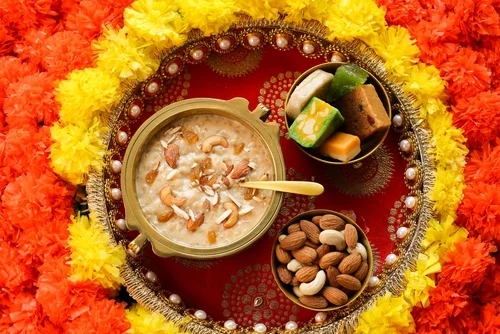
Quick answer: Onam is Kerala’s most celebrated harvest festival, observed over 10 days. In 2026, Onam falls in late August. The festival honors the mythical return of King Mahabali and features elaborate flower-carpet designs (pookalam), the famous snake-boat races (vallam kali), and a grand feast (Onasadya) served on banana leaves.
Onam is one of those celebrations that fills every room it enters. The scent of fresh flowers, the sound of drumbeats, the sight of vibrant pookalam stretching across courtyards—it’s a festival that engages all your senses at once. For Malayali communities around the world, it’s also a powerful thread connecting them to home, no matter how far away they are.
Whether you’re celebrating for the first time or looking to understand the traditions more deeply, this guide covers everything about Onam 2026—from its origins and rituals to how the diaspora keeps the spirit alive far from Kerala’s backwaters.
What Is Onam and Why Is It Celebrated?
Onam is Kerala’s most significant cultural festival. It marks the annual homecoming of the beloved demon king Mahabali, a mythical ruler whose reign is said to have been a golden age of prosperity and equality for all his subjects.
According to Hindu legend, the god Vishnu—in the form of a dwarf Brahmin named Vamana—tricked Mahabali and pushed him to the underworld. But Vishnu, moved by the king’s generosity and virtue, granted him one wish: to visit his people once a year. That annual visit is what Onam commemorates.
The result is a celebration rooted in gratitude, abundance, and community. It’s harvest season in Kerala, so the timing reflects both spiritual meaning and agricultural tradition—a moment to give thanks for the land’s bounty.

When Is Onam in 2026?
Onam 2026 begins on August 17, 2026, with the festival running for 10 days through August 26, 2026. The most important day is Thiruvonam, which falls on August 26, 2026—this is when the main celebrations reach their peak.
The festival follows the Malayalam calendar, with Onam coinciding with the month of Chingam and the Thiruvonam nakshatra (star).
What Are the 10 Days of Onam Called?
Each of the 10 days of Onam has its own name and significance:
- Atham – The festival begins; the first layer of the pookalam is laid
- Chithira – More flowers are added to the design
- Chodhi – Preparations and shopping intensify
- Vishakam – Competitions and cultural events begin
- Anizham – The famous snake-boat races (vallam kali) take place
- Thriketa – A quieter, reflective day
- Moolam – Feasts and family gatherings continue
- Pooradam – Idols of Mahabali and Vamana are brought home
- Uthradom – The eve of Thiruvonam; the biggest day for preparations
- Thiruvonam – The main day of Onam; the grand feast is served
What Is a Pookalam and How Is It Made?
The pookalam is a floral carpet created on the ground, typically in front of homes or in communal spaces. It’s one of the most iconic Onam traditions—and it grows more elaborate with each passing day of the festival.
On Atham, the first day, a simple circular design is made using just a few flower varieties. Each subsequent day, a new ring of flowers is added, expanding the pookalam outward until it reaches full size by Thiruvonam.
Traditional pookalam designs use flowers like marigold (chethi), thumba, and mukkutti. The patterns are typically geometric and symmetrical, though modern versions can be highly creative. In Kerala, pookalam competitions are held in schools, offices, and neighborhoods—with prizes for the most intricate designs.

What Happens During the Vallam Kali Snake-Boat Races?
The vallam kali, or snake-boat races, are arguably Onam’s most dramatic spectacle. These races take place on the rivers and backwaters of Kerala, most famously at Punnamada Lake in Alappuzha (Alleppey).
Each snake boat—called a chundan vallam—can be up to 100 feet long and is rowed by over 100 oarsmen. Teams row in perfect synchrony to the beat of traditional songs called vanchipattu. The atmosphere is electric: crowds line the banks, flags fly, and the water churns as boats race toward the finish.
The most celebrated race is the Nehru Trophy Boat Race, which typically takes place during the Onam season. It draws enormous crowds and has become a major tourist attraction. In 2026, this race is expected to fall in late August, in line with the Onam calendar.
What Is the Onasadya Feast and What Does It Include?
No part of Onam captures the spirit of abundance quite like the Onasadya—a multi-course vegetarian feast served on a fresh banana leaf.
The Onasadya is traditionally served on Thiruvonam, the final and most important day of the festival. It consists of anywhere from 9 to 26 dishes, depending on the region and the household. A proper Onasadya includes:
- Rice (the centerpiece of the meal)
- Sambar (lentil-based vegetable stew)
- Avial (mixed vegetables in coconut and yogurt)
- Thoran (dry stir-fry with coconut)
- Olan (pumpkin and coconut milk)
- Pachadi and Kichadi (yogurt-based side dishes)
- Payasam (sweet desserts—usually served in multiple varieties)
- Papadom and Pickle (crunchy and tangy accompaniments)
The meal is served from left to right on the banana leaf, following a strict order of placement. Eating together, seated on the floor, is part of the tradition—a reflection of Mahabali’s egalitarian reign, where everyone was equal at the table.

How Do Malayali Diaspora Communities Celebrate Onam in the US?
Kerala’s diaspora is one of the most active in the world when it comes to preserving cultural traditions, and Onam is their most celebrated occasion. Malayali communities across the United States—concentrated in cities like Houston, New York, Chicago, Dallas, and the San Francisco Bay Area—organize large-scale Onam events every year.
These celebrations often include:
- Community pookalam competitions organized by cultural associations
- Onasadya feasts hosted at temples, community halls, or restaurants
- Cultural performances including classical dance (Mohiniyattam, Kathakali), folk songs, and music
- Thiruvathira (a traditional dance performed by women)
- Children’s events including games, storytelling, and dress-up in traditional Kerala attire (kasavu sarees and mundus)
Organizations like Kerala Samajams, Malayalee Associations, and temple groups often take the lead in planning these events months in advance. In 2026, expect major events in the weeks surrounding Thiruvonam on August 26.
How to Celebrate Onam at Home in 2026
You don’t need to be in Kerala to have a meaningful Onam celebration. Here’s how to mark the occasion wherever you are:
- Make a pookalam: Use fresh or artificial flowers to create a floral design on your doorstep or indoors
- Cook an Onasadya: Even a simplified version with rice, sambar, avial, and payasam captures the essence
- Wear traditional attire: Dress in a kasavu saree or mundu for the day
- Watch the boat races: Many vallam kali events are streamed online for viewers abroad
- Connect with your local Malayali association: Most communities host organized events open to all

Frequently Asked Questions About Onam 2026
When is Onam in 2026?
Onam 2026 begins on August 17 and concludes on August 26, with Thiruvonam—the main day of celebration—falling on August 26, 2026.
Is Onam a religious festival or a cultural one?
Onam has Hindu origins rooted in the story of King Mahabali and Vamana, but it is widely celebrated as a cultural festival by people of all religions in Kerala. It is recognized as the official state festival of Kerala.
What is the significance of the banana leaf in Onam?
The banana leaf serves as the plate for the Onasadya feast. Its use reflects Kerala’s agricultural heritage and the spirit of simplicity and abundance that defines the festival. Traditionally, the proper placement of food on the leaf follows a specific cultural code.
Can non-Malayali people celebrate Onam?
Absolutely. Onam is a welcoming, inclusive celebration. Many cultural events in the US and around the world are open to the public, and the spirit of the festival—community, gratitude, and togetherness—transcends cultural boundaries.
What do people wear during Onam?
Traditional Onam attire for women is the kasavu saree—a white saree with a gold border. Men typically wear a kasavu mundu (a white dhoti with a gold trim). Many people, especially in diaspora communities, wear these garments on Thiruvonam.
Celebrate Onam 2026 With Pride
Onam is more than a harvest festival. It’s a story about a king who loved his people, a community that never forgot where it came from, and a tradition that travels across oceans without losing its warmth.
In 2026, as Thiruvonam approaches on August 26, Malayali families and communities worldwide will once again lay flowers, cook feasts, and gather together—honoring a cultural legacy that has endured for centuries. However you plan to celebrate, the heart of Onam remains the same: joy, generosity, and the feeling of coming home.



