

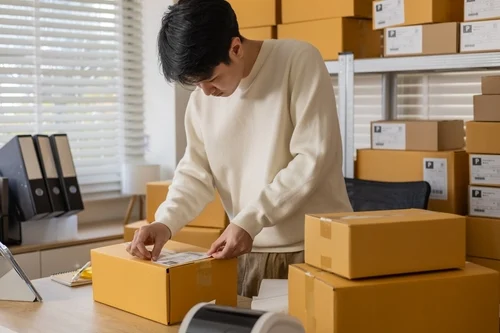
Quick answer: A balikbayan box is a package of gifts, personal belongings, and household items sent or brought by Filipinos abroad to family or relatives in the Philippines. Often shipped through specialized freight forwarders, these boxes serve a practical purpose and a meaningful one, connecting loved ones who live far apart.
Somewhere in the US right now, someone is setting a box in the corner of a closet. A pack of t-shirts goes in this week. A few bars of chocolate the next. Over weeks or months, the box fills with items chosen for specific people back home. This process plays out in households across the country, and it’s a tradition with real cultural weight behind it.
This guide explains what balikbayan boxes mean, why families send them, what typically goes inside, and what to check before shipping one from the US to the Philippines.
What does “balikbayan” mean?

“Balik” means to return. “Bayan” means homeland. Put together, “balikbayan” describes someone returning to the Philippines. According to Harvard’s Peabody Museum, the term carries “a complex political history linked to former Philippines President Ferdinand Marcos’ reaction to the Filipino-American ‘brain drain’ of the 1960s” (Peabody Museum).
A balikbayan is the person who returns. A balikbayan box is something different: the package itself, which can travel home even when the sender cannot. That distinction matters because it captures the heart of the tradition. The box becomes a stand-in for a visit, carrying a piece of the sender’s life abroad back to family who stayed behind.
Keeping the history brief is intentional here. There’s no single founding year or inventor to point to. What’s clear is that the balikbayan box grew out of decades of Filipino migration and the ongoing need to stay connected across long distances. The Peabody Museum describes the box as “an important symbol of connection, culture, and identity for Filipino communities in the United States and the Philippines” (the meaning and history of balikbayan).
Why do families send balikbayan boxes?
The contents of a balikbayan box, at first glance, are ordinary: clothing, snacks, toiletries, toys. But the effort behind each item is what makes the tradition meaningful. Sending a box means thinking about a specific relative, remembering their size, their favorite brand of coffee, or the toy their child has been asking for.
Balikbayan boxes aren’t reserved for Christmas, even though shipments often increase around the holidays. Families send them for birthdays, graduations, or simply to check in. The Peabody Museum describes the tradition as “more than just a care package,” calling it “a vital and beloved diasporic tradition” that links “those at home with those away” (Peabody Museum).
PBS SoCal has reported on a Filipino American artist who traced her family’s box from Los Angeles to the Philippines, illustrating how something as mundane as a cardboard box can carry years of family history and personal meaning (the family connections behind balikbayan boxes).
It’s worth noting that not every family relies on these boxes for material support. For some, the boxes are a way to mark special occasions and stay emotionally close, rather than meet practical needs.
How does balikbayan box shipping work?
Shipping a balikbayan box typically follows a predictable sequence:
- Choose a shipping company and confirm its requirements.
- Ask about accepted box dimensions, weight limits, prohibited items, and pricing.
- Pack the contents and prepare an accurate inventory.
- Complete the required shipping and customs documents.
- Arrange pickup or drop-off.
- Track the shipment and coordinate delivery with the recipient.
Two terms come up often in this process. A consolidator combines individual shipments from multiple senders into one larger transport load, which can make shipping more efficient. A Philippine delivery agent handles the shipment once it arrives locally and arranges final delivery to the recipient.
Shipping companies may offer sea freight, air freight, or both, depending on the provider. Not every company offers the same services, so it’s worth asking directly (how balikbayan box shipments are handled).
What can you put in a balikbayan box?

The items below are common choices, but each one should be checked against current carrier and customs rules before packing. Nothing here should be treated as an automatically approved list.
| Category | Examples to consider | What to check |
| Clothing | Shirts, children’s clothes, shoes | Quantities and accurate descriptions |
| Books and gifts | Books, toys, school supplies | Batteries, materials, and carrier restrictions |
| Household items | Linens and small household goods | Breakage, size, and import requirements |
| Personal-care products | Toiletries and similar items | Liquids, aerosols, ingredients, and leakage |
| Packaged food | Snacks or other shelf-stable products | Philippine food rules and carrier acceptance |
A few practical tips can help:
- Ask recipients what they would actually use.
- Check sizes, preferences, and expiration dates.
- Keep receipts where available.
- Don’t assume sealed packaging automatically makes a food item permissible.
What should you leave out or verify first?
Some items should never go into a balikbayan box. Cash, checks, and money orders fall into this category. Prohibited goods can’t be included under any circumstances, and regulated goods may require permits or clearance before they’re allowed through customs.
Food, plant and animal products, medicines, electronics, and batteries each come with their own rules, so check these individually rather than assuming they’re fine because they’re common items. Your chosen forwarder may also apply its own restrictions on top of government rules.
For guidance on cash and shipping precautions, see the Bureau of Customs’ balikbayan box shipping guidance. For the distinction between prohibited, restricted, and regulated goods, see Philippine import restrictions and permit requirements.
Are balikbayan boxes duty- and tax-free?
Not automatically. Labeling a shipment “balikbayan” doesn’t make it tax-free on its own. The exemption follows specific published rules under Philippine law.
According to Customs Administrative Order No. 01-2018, the privilege applies to Qualified Filipinos While Abroad sending eligible goods to family or relatives. To qualify, contents must be personal and household effects, not commercial quantities or goods intended for sale, barter, or hire.
The privilege can be used up to three times per calendar year. Importantly, this doesn’t necessarily mean three individual boxes; it refers to three uses of the privilege. The combined FCA (Free Carrier) value of qualifying boxes per sender must not exceed ₱150,000 within that calendar year.
This is an annual aggregate limit, not a per-box allowance. FCA reflects the valuation basis used in the customs rule; it’s not the same as the sender’s total door-to-door shipping bill, which may include additional charges beyond the goods’ value.
Documentation typically includes an information sheet, the passport identification page, and invoices or receipts where applicable. Rules can change, so confirm current requirements with your forwarder and Philippine Customs before shipping (Philippine rules for duty- and tax-exempt balikbayan boxes).
How much does shipping cost, and how long does it take?
Costs and timelines depend on several factors rather than a single average figure:
- US pickup location and Philippine delivery address.
- Box dimensions and any weight restrictions.
- Sea versus air service.
- Pickup, remote-area delivery, insurance, and other charges.
- Sailing schedules, customs processing, and local delivery.
Before booking, it helps to ask:
- What does the quoted price include?
- When does the estimated delivery period begin?
- What tracking is available?
- What are the loss, damage, and claims terms?
- What is the recommended holiday cutoff?
There’s no universal delivery window, and no company can guarantee arrival by Christmas. Confirm these details directly with your chosen provider.
How to choose a shipping company and pack your box
Check the company before paying
A little research upfront can save real frustration later. For US ocean shipping, check Federal Maritime Commission licensing and bonding information before you commit to a provider (the FMC’s guidance on shipping boxes overseas).
Also verify the Philippine partner’s relevant accreditation, get the company’s full contact details and written shipping terms, and keep receipts and shipment reference numbers. Be cautious of unusually low quotes or agents you can’t verify independently.
Pack for handling and a long journey
Your box will travel a long distance, so pack accordingly:
- Follow the forwarder’s box and packing requirements.
- Protect fragile items and prevent leaks.
- Keep an itemized inventory and photos.
- Label the shipment clearly with recipient contact details.
- Confirm insurance exclusions and claims deadlines.
Sending gifts or sending money: what fits your family’s needs?
Balikbayan boxes and money transfers each serve a different purpose, and many families use both depending on the occasion.
| Your goal | Option to consider |
| Send specific gifts or personally selected items | A balikbayan box |
| Let relatives buy what they need locally | A money transfer |
| Share keepsakes and contribute to expenses | Both, if appropriate for your budget |
Neither option is universally cheaper or faster. The right choice depends on what you’re trying to accomplish and what your family actually needs.
Sending money to the Philippines with Remitly
If you want to let relatives choose what they need themselves, sending money is often the more flexible option. Here’s how it works:
- Choose the Philippines and enter the amount you want to send.
- Review the available payment and delivery options.
- Check the exchange rate, fees, recipient amount, and estimated delivery time shown at checkout.
- Confirm and track the transfer.
Remitly provides money transfers to the Philippines. It does not ship balikbayan boxes. Review the current rate, fees, and delivery estimate directly on the app or website before sending, since these details can change.
Want to let your loved ones choose what they need locally? Explore your options for sending money to the Philippines with Remitly.
Frequently asked questions about balikbayan boxes
What is a balikbayan box?
A balikbayan box is a package of gifts, personal belongings, and household items that Filipinos abroad send or bring to family in the Philippines, usually through a specialized freight forwarder.
Are balikbayan boxes only for Christmas?
No. While shipments increase around the holidays, families send balikbayan boxes throughout the year for birthdays, graduations, or simply to stay connected.
Can a non-Filipino send a box to the Philippines?
Most shipping companies will carry a balikbayan box from any sender who meets their requirements. However, qualifying for the Philippine customs duty- and tax-exemption is a separate matter, and that privilege is specifically reserved for Qualified Filipinos While Abroad.
Is there a standard balikbayan box size?
Not exactly. Accepted dimensions and weight limits vary by shipping company, so check with your chosen provider before packing.
Can you put money in a balikbayan box?
No. Cash, checks, and money orders should not be placed inside a balikbayan box. If you want to send money, use a dedicated money transfer service instead.
Is the ₱150,000 exemption per box or per year?
It’s an annual aggregate limit per sender, not an allowance for each individual box. The privilege can also be used up to three times per calendar year, which doesn’t necessarily correspond to three separate boxes.
What should you do if a box is delayed or missing?
Start by contacting your forwarder and its Philippine delivery partner directly. Keep your shipment records, reference numbers, and receipts on hand, and follow up through the appropriate complaint channels if the issue isn’t resolved.
—


