

Quick answer: Shōgatsu, also called Oshōgatsu, is Japan’s New Year celebration. New Year’s Day falls on Friday, January 1, 2027, with the first three days (January 1–3) serving as the main celebration period. Customs include family gatherings, special foods like osechi ryōri, shrine or temple visits, and otoshidama money gifts for children. If you’re sending support to loved ones in Japan, check transfer estimates and recipient access ahead of holiday closures.
Preparing a pot of ozōni on New Year’s morning, mailing a card to grandparents in Osaka, or timing a video call around Japan’s time zone—these small acts carry a lot of meaning for families with ties to Japan. Shōgatsu is less about countdowns and fireworks and more about starting the year together, even when “together” means a phone screen instead of a shared table.
This guide walks through what Shōgatsu means, the customs you’re likely to encounter, and the dates to know for 2027. It also covers practical considerations for readers in the US who want to stay connected with loved ones in Japan during the holiday, including what to know if you’re planning to send money.

What is Shōgatsu?
Shōgatsu refers to Japan’s New Year celebration and the season surrounding it. You’ll also see it written as Oshōgatsu, which uses the honorific “o-” prefix common in Japanese. Both terms describe the same holiday.
At its core, Shōgatsu is about family time and welcoming the new year. The first three days of January are known as sanganichi, a period traditionally reserved for rest, visiting relatives, and quiet celebration. Seasonal customs and decorations, however, can extend well beyond those three days. Most mainstream celebrations in Japan follow January 1 on the Gregorian calendar, rather than the lunar calendar.
It’s worth clarifying that Japanese New Year is a distinct celebration from Lunar New Year, which is observed in China, Vietnam, South Korea, and other parts of Asia on a different date each year. While both holidays emphasize family and renewal, Shōgatsu follows the solar calendar and has its own set of customs rooted in Japanese tradition. For a deeper look at Japanese New Year customs, Japan’s national tourism board offers helpful context.
When is Japanese New Year in 2027?
Here’s how the key dates line up for 2027:
| Occasion | Date |
| Ōmisoka — New Year’s Eve | Thursday, December 31, 2026 |
| Ganjitsu — New Year’s Day | Friday, January 1, 2027 |
| Sanganichi — First three days | January 1–3, 2027 |
Preparations for Shōgatsu typically begin well before January 1. Many businesses in Japan take a year-end break, though the exact timing and length of these closures vary from company to company.

How long does the holiday period last?
There are really three different timeframes worth distinguishing here. January 1 is Japan’s official national holiday. The first three days of the year (sanganichi) form the core celebration period, when family gatherings and shrine visits are most common. Beyond that, many workplaces extend their closures further, and the exact dates depend on the employer and region.
It’s inaccurate to describe December 29 through January 3 as a uniform block of six nationwide public holidays. Japan’s National Tourism Organization instead describes this window as a typical holiday period, with business closures that vary by company and location. If you’re coordinating with someone in Japan, it’s worth asking about Japan’s year-end holiday period directly, since schedules differ household to household.
How do people prepare for Shōgatsu?
Preparation for the new year often starts well before December 31, and it tends to involve both practical and symbolic steps.
Cleaning and preparing the home
Many households take part in ōsōji, a thorough year-end cleaning meant to clear out the old year and welcome the new one with a fresh start. This isn’t just tidying up—it’s often treated as an opportunity to reset the home before the New Year begins.
New Year decorations
Some homes display seasonal decorations such as kadomatsu (arrangements of pine and bamboo placed near entrances), shimekazari (a decorative rope wreath believed to welcome good fortune), and kagami mochi (stacked rice cakes, often topped with a small orange). These decorations carry different meanings and are not interchangeable, and not every household displays all three—or any of them. Customs here vary significantly by family, generation, and region.
Planning meals and family visits
Preparation also means coordinating logistics: deciding whether to make or order seasonal dishes, and figuring out when relatives can gather. For many families, especially those with members living abroad, this planning phase is where calls and messages start to pick up in the weeks before the holiday.

What traditions are associated with Japanese New Year?
Several customs recur across many Shōgatsu celebrations, though how closely any individual household follows them varies.
Toshikoshi soba on New Year’s Eve
On Ōmisoka, many people eat toshikoshi soba—literally “year-crossing noodles.” The long noodles are associated with hopes for a long, healthy life in the year ahead. Some regions add their own toppings or swap in udon instead.
Joya no kane
Buddhist temples across Japan ring their bells 108 times around midnight on New Year’s Eve, a practice called joya no kane. According to Buddhist tradition, the number 108 represents the worldly desires or afflictions that the ringing is meant to help cleanse.
Hatsumōde
Hatsumōde is the first shrine or temple visit of the new year. While some people head out right at midnight, many others visit later on January 1 or even in the days that follow—there’s no single “correct” time.
Hatsuhinode
Watching hatsuhinode, the first sunrise of the year, is another custom some people observe, often from a mountain, coastline, or other scenic spot. Not everyone takes part, but it remains a recognizable part of the broader New Year season. For more on these customs, see this overview of New Year’s Eve and New Year’s Day traditions.

What foods are eaten during Shōgatsu?
Food plays a central role in Shōgatsu celebrations, though exactly what appears on the table depends heavily on the household.
| Food | What readers should know |
| Osechi ryōri | An assortment of New Year dishes, often arranged in tiered lacquer boxes |
| Ozōni | A soup containing mochi, with ingredients and broth that vary by region and family |
| Toshikoshi soba | Noodles associated with New Year’s Eve, eaten for a long life |
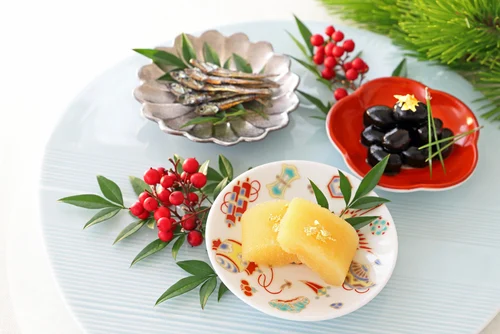
Osechi ryōri deserves a bit more explanation. It’s not a single dish but a collection of small, often colorful foods, each selected for its symbolic meaning. For example, black soybeans (kuromame) are associated with health and hard work, while shrimp is linked to longevity because of its curved shape. These dishes are traditionally prepared before January 1 so that families can rest from cooking during the early days of the new year.
Not every family makes osechi from scratch. Many buy some or all of it ready-made, and some skip it altogether in favor of other seasonal meals. There’s no single “correct” way to eat through Shōgatsu, so treat this table as a starting point for understanding the holiday rather than a required menu.
What is otoshidama?
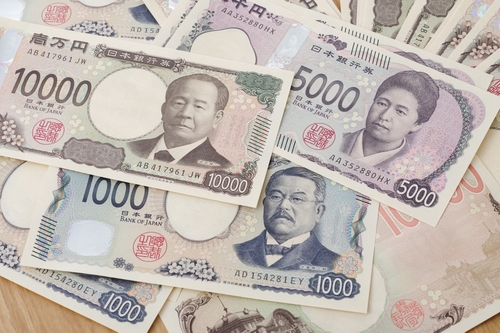
Otoshidama is money traditionally given to children at New Year, usually presented in small decorated envelopes similar to the red envelopes used in other Asian New Year traditions. It’s one of the most recognizable customs associated with Shōgatsu, especially from a child’s perspective.
Practices vary widely by household. Some families set consistent amounts based on a child’s age; others handle it more casually. There’s no universal standard, so it’s not accurate to suggest a “correct” amount exists.
For adults living abroad, otoshidama can be a meaningful way to stay connected to family traditions. If you want to contribute to a niece’s or nephew’s otoshidama from the US, it generally makes sense to coordinate with the child’s parent or guardian first, so they can confirm how and when funds should arrive. Keep in mind that not every transfer sent to Japan around New Year is otoshidama, and sending money is never a requirement for participating in the holiday—plenty of families celebrate Shōgatsu without any financial gift changing hands.

How to celebrate Shōgatsu from the U.S.
Distance doesn’t have to mean disconnection. Here are a few ways people stay involved in Shōgatsu from abroad:
- Share a New Year meal or familiar family recipe. Cooking ozōni or another dish your family associates with the holiday can be a simple way to mark the occasion, even an ocean away.
- Coordinate a call using Japan’s local date and time. Japan is typically 13 to 16 hours ahead of the continental US depending on the time zone and daylight saving, so a bit of planning goes a long way.
- Exchange greetings and family photos. A quick message or photo can mean more than it might seem, especially during a holiday centered on family.
- Ask relatives which customs they’d like to share with children. This can be a good way to pass down traditions across generations and borders.
- Look for confirmed community events near you. Japanese cultural centers and community organizations in many US cities host Shōgatsu-related gatherings.
- Coordinate gifts in advance if that’s part of your family’s tradition. Confirm timing and delivery details with whoever will receive them.
As one Japanese American contributor shared, her family’s New Year routine growing up in California centered on a Saturday phone call to her grandmother in Fukuoka, timed around the older woman’s post-dinner schedule: “We didn’t always get the customs exactly right, but the call itself became our tradition.” Stories like this are a reminder that connection matters more than precision.

What to know before sending money to Japan for New Year
If part of your Shōgatsu planning involves sending money—whether for otoshidama, a family gift, or ordinary support—a little preparation helps avoid surprises.
Plan around when the recipient needs the funds
Start by asking what the money is actually for. Is it meant for advance shopping before the holiday, travel costs, a New Year gift, or regular household needs? The answer affects how far ahead you should plan. There’s no single universal deadline for sending money before Shōgatsu—it depends entirely on your recipient’s situation.
Check holiday opening hours
The Bank of Japan lists its offices as closed December 31 through January 3, in addition to weekends and other national holidays. This is useful planning context, but it’s not the whole picture: branch closures, digital processing, and cash access are three separate questions. Not all electronic transfers stop just because physical branches are closed. For the most accurate information, check the Bank of Japan’s holiday schedule alongside your specific receiving provider’s own holiday hours.
Review the amount received in yen
Before sending, it helps to check a few details:
- The USD amount you’re sending
- Any applicable fee
- The USD-to-JPY exchange rate being applied
- The JPY amount your recipient will receive
- The estimated arrival time
Exchange rates shift constantly, so there’s no reliable way to predict the “best day” to send. Reviewing the details of your specific transfer before confirming it is the most dependable approach.
Send money to Japan for New Year with Remitly
Sending support to loved ones in Japan should feel simple, not stressful—especially during a busy holiday season.
Choose an available delivery option
Remitly’s Japan provider directory lists bank deposit and cash pickup options. Available providers include banks such as MUFG, Japan Post Bank, Mizuho, and SMBC, alongside Kyodai Remittance. Availability depends on the specific provider and transfer you select.
| Delivery option | What to confirm |
| Bank deposit | Recipient account details, supported bank, and any holiday processing arrangements |
| Cash pickup | Pickup location, collection requirements, and opening hours around the holiday |
You can review our delivery options in Japan to see what’s currently available for your transfer.
Review the quote and track your transfer
Before confirming a transfer, you can review the applicable exchange rate, fee, amount your recipient will receive, and estimated delivery window. Once you’ve sent the transfer, you can track its progress through the Remitly app or website. Keep in mind that timing depends on the destination, your chosen payment and delivery methods, and system availability—particularly during a holiday period when processing schedules may shift.
How to send with Remitly
Sending money to Japan with Remitly generally involves these steps:
- Sign in to your account or create a new one.
- Select Japan as the destination and enter your send amount.
- Choose an available delivery method and provider.
- Enter the recipient’s required details.
- Select an available payment method.
- Review the transfer details and estimated arrival.
- Confirm and track your transfer.
A practical scenario: coordinating a New Year gift
Here’s a hypothetical example of how this might work. Say you’re in the U.S. and want to contribute toward a niece’s otoshidama in Japan. You’d start by reaching out to her parent to confirm whether a contribution is welcome and how they’d like the funds to arrive—bank deposit or cash pickup, for instance. From there, you’d check the transfer estimate for your specific amount and confirm the recipient’s access to cash or their bank account before the holiday closures begin. The actual amount, fee, and delivery time will depend on your specific transfer details at the time you send it.
Fees, exchange rates, delivery times, and available payment and delivery methods may vary and are subject to change. Review your transfer details before confirming, and check holiday availability with the receiving bank or cash pickup location.

Frequently asked questions
What does Shōgatsu mean?
Shōgatsu is the Japanese term for the New Year celebration and the season surrounding it. It’s also commonly called Oshōgatsu, using an honorific prefix. The holiday centers on family time, seasonal customs, and welcoming the new year.
When is Japanese New Year in 2027?
New Year’s Day (Ganjitsu) falls on Friday, January 1, 2027. The first three days of the year, January 1–3, make up sanganichi, the core celebration period, though preparations and related customs extend both before and after these dates.
Is Shōgatsu the same as Lunar New Year?
No. Shōgatsu follows the Gregorian calendar and always falls on January 1, while Lunar New Year, celebrated in countries like China and Vietnam, follows a different calendar and date each year. The two holidays have distinct customs, even though both emphasize family and renewal.
What foods are eaten at Japanese New Year?
Common foods include osechi ryōri (an assortment of symbolic dishes, often served in tiered boxes), ozōni (a mochi-based soup that varies by region), and toshikoshi soba (noodles eaten on New Year’s Eve). Not every family prepares all of these, and some buy ready-made versions instead of cooking from scratch.
What is otoshidama?
Otoshidama is money traditionally given to children at New Year, usually in small decorated envelopes. Amounts and practices vary by household, and there’s no fixed or “correct” amount. Adults abroad who want to contribute can coordinate with the child’s parent or guardian in advance.
Are banks open during Japan’s New Year holiday?
The Bank of Japan lists its offices as closed from December 31 through January 3, in addition to weekends and other holidays. However, closures can differ by specific bank or provider, and digital processing isn’t necessarily affected in the same way as physical branch access. Check your specific receiving provider’s holiday hours for accurate information.
When should I send money to Japan for New Year?
There’s no single universal deadline. The right timing depends on what the funds are for—advance shopping, travel, a gift, or regular household needs—and on your recipient’s access to their bank account or a cash pickup location during the holiday period. Reviewing your transfer details and checking holiday schedules ahead of time is the most reliable approach.
Welcoming the new year with loved ones can take many forms: a shared meal, a timed phone call, or a small financial gift passed along with care. However you choose to mark Shōgatsu from afar, coordinating early—especially when preparations involve people in different countries—helps make the holiday feel a little closer to home.


