Key Highlights
The Tag:
-
The tag used in the Tag called “Tag”:
-
It follows the usual letter-based system and adds Ng ñ and ng to the set of letters.
-
The older abakada only had 20; later versions, letters; c and others were left out (so, 28 now).
-
This writing has a long history in the Philippines.
-
Today’s system is based on the Latin.
-
A single output.
My output:
-
The tag called “Tag” is 28.
Introduction
If you want to learn the Tagalog alphabet in Australia, you are starting with a basic part of the Filipino language. Tagalog is very close to the national language of the Philippines. The alphabet helps you read words, names, and things people say every day. The way the system looks is a lot like English letters. But, it also shows parts of Philippine languages and the way people say words in the Philippines. When you understand how it works, reading will get much easier.
Understanding the Tagalog Alphabet for Australian Learners
For Australian learners, the tagalog alphabet is easy to get because the filipino alphabet uses the Latin writing system. Many parts match the english alphabet, so you see letters that look like the ones you already know.
But this alphabet has 28 letters, not 26. There are extra letters: Ñ and Ng. Both are used in the system now. If you want a simple guide to the letters of the tagalog alphabet and how they line up with english letters, the next sections make it easy to follow.
Overview of the 28 Letters
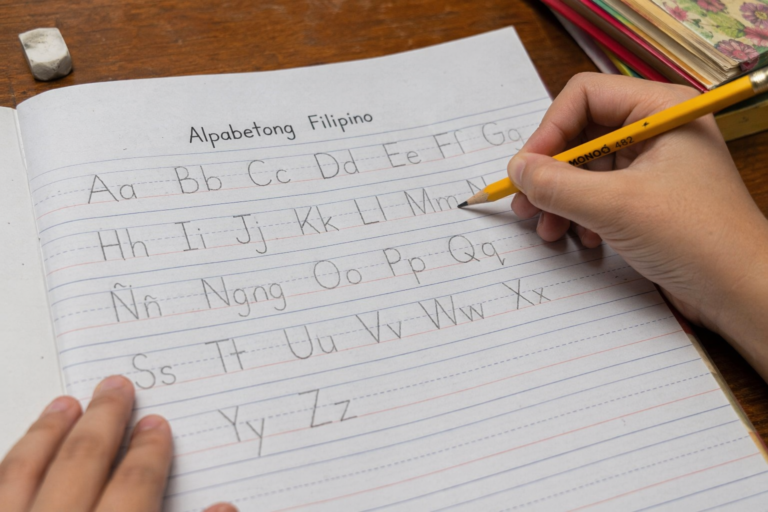
The tagalog alphabet used in the modern filipino alphabet contains 28 letters. It follows the Latin alphabet and is the official alphabet used for the national language. For most learners, that makes the system easier to recognise and remember from the start.
Here are the letters of the tagalog alphabet in order:
|
Group |
Letters |
|---|---|
|
Full set |
A, B, C, D, E, F, G, H, I, J, K, L, M, N, Ñ, Ng, O, P, Q, R, S, T, U, V, W, X, Y, Z |
|
Added after N |
Ñ, Ng |
|
Base system |
Roman or Latin alphabet |
This means the modern filipino alphabet keeps the standard Roman pattern while also reflecting local sound needs. In simple terms, if you ask what the 28 letters are, the answer is the full sequence above, with Ñ and Ng placed between N and O.
Comparison with English and Other Alphabets
When you first look at the filipino alphabet, it can seem close to the english alphabet. Both use Roman letters, and that helps a lot for Australians who want to learn it. The big change is that the filipino alphabet has Ñ and Ng. That means there are 28 letters instead of the 26 you get with the english alphabet.
This change is important. The writing system in the filipino language lets people write words from philippine languages, as well as proper names and spanish loanwords. Today, people use the alphabet to show words in filipino and for new words that come from outside as well.
-
The english alphabet has 26 letters, but the filipino alphabet gives you 28.
-
Filipino uses Ñ and Ng, which you do not find in english letters.
-
You will also see letters c, f, j, q, v, x, and z often in loanwords.
-
The old spanish-based spelling also changed how some words are written.
In the end, these two alphabets are not the same. The filipino alphabet helps people use words and sounds that are common in the Philippines. It also keeps bits of the country’s history in its writing system.
Historical Roots of the Tagalog Alphabet
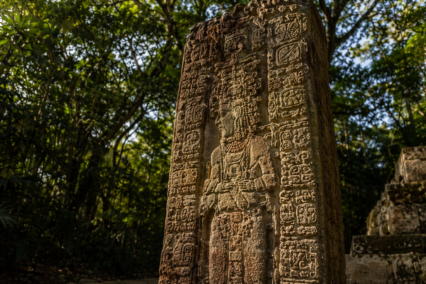
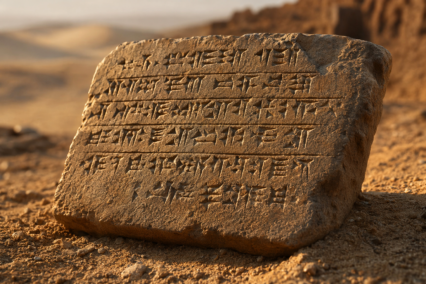
The Tagalog language has been around for a long time. Its alphabet was not always the Roman letters you see now. Long ago, people wrote Tagalog with baybayin script. This was the first writing system they used for Tagalog.
After that, the abakada alphabet became important in the early 20th century. That was when people worked to shape the national language and make rules for it. Later, the alphabet changed again and became the official alphabet used with Filipino. If you want to see how things changed, you need to look at baybayin script first, then abakada, and then the alphabet that people use now.
Pre-colonial Writing Systems (Baybayin)
The history of the Tagalog alphabet goes back to the Baybayin script. This is a much older Philippine writing system that was used for the Tagalog language. Some people call it Alibata too, but Baybayin is the word you should use when talking about this writing system here.
Baybayin was not like the Roman alphabet we use now. Old Tagalog mainly had the sounds a, i, and u. Each consonant had an a sound unless you added dots, and then the sound became i or u. A special mark, called a virama, was later added to cancel out the vowel sound.
When the Spanish came, Baybayin slowly stopped being used every day. But people still remember it as a big part of Philippine language history. Many have tried to bring Baybayin back. This makes Baybayin a good place to start if you want to know how today’s Tagalog writing system came about.
Evolution to ABAKADA and Modern Filipino Alphabet
The abakada alphabet started in 1939 and people used it for Tagalog from 1940 to 1971. There were only 20 letters in this alphabet: A, B, K, D, E, G, H, I, L, M, N, Ng, O, P, R, S, T, U, W, and Y. It was a simple system made for the national language project.
Now, the modern filipino alphabet has 28 letters. It puts back letters like C, F, J, Ñ, Q, V, X, and Z, but still keeps Ng. People use these extra letters in loanwords, science terms, proper names, and old spellings.
This is the main difference between the abakada alphabet and the official alphabet now. For tagalog speakers and those who learn tagalog, the newer system gives space for new vocabulary. It can take in more modern words but also keeps the base of the national language.
Components and Structure of the Modern Tagalog Alphabet
The provided text:
The word “filip” is used in the Tag in a way that connects with together, forming sentences in sentences. This makes the system simpler to use and understand.
At the same time, “the” reflects the sound system needs of vowels that supporting. Its organization supports everyday use; to make it clearer, the next explains the sounds, like those that’s stand out from “use”.
Vowels and Consonants Explained
The filipino alphabet has the five vowels: A, E, I, O, and U. In the old Baybayin way, the key vowel sounds were a, i, and u. The sounds e and o would show up based on what else was in the word. But now, in the modern tagalog alphabet, all the different vowel letters are easy to see when you write.
The other letters are consonants. These come from the Roman alphabet. There are two extra ones: Ñ and Ng. Ng is pretty important because it counts as its own letter in the tagalog alphabet. It does not just act like any two letters put together.
If you are new to this, the best way to start is to say out loud each basic letter name and match it to the right sound. You will notice that some letters use the english way of saying their names, while many also use Abakada names. For example, A can sound like ey or a, and B like bi or ba. This work helps you know how to spell, sound out, and read tagalog alphabet words with more confidence.
Unique Letters in the Tagalog Alphabet
Yes, the modern tagalog alphabet has letters that stand out if you only know english. The best example is ng. Ng is in the filipino alphabet and acts as its own letter. Ñ is also in the 28-letter set.
These letters help with the sounds of local language. They also help with some foreign words or names. This is one reason why the modern tagalog alphabet is not the same as the english one.
-
Ng is treated as a separate letter. It is placed between N and O.
-
Ñ is another letter in the filipino alphabet.
-
English does not have ng as its own letter.
-
Some added letters help with foreign words, proper nouns, and spanish words.
So, if you want to know if the tagalog alphabet has letters you do not find in english, the answer is yes. Ng is the main example of a unique letter in the alphabet.
Pronunciation and Practical Usage
After you get to know the letters, the next thing is to learn how to say them. The tagalog alphabet is part of the filipino language. It follows a national orthography, which means the letters help with both tagalog words and borrowed words. This way, sound and spelling often match closely.
For people who want to learn, the best way is to keep it simple. You should get to know the names of the letters, pay attention to how the vowel sounds change, and try to link each shape to a tagalog word when you can. The next parts will show a basic guide to pronunciation. You will also find some everyday examples to help make the alphabet clear and useful.
Simple Pronunciation Guide for Each Letter
A good way to start learning the Tagalog alphabet is to get to know the usual names for each letter. You can use both the English-based and Abakada-based names. For example, A is called ey or a, B is bi or ba, and K is key or ka. This helps you learn the right pronunciation in two ways.
In the modern Tagalog alphabet, vowel sounds are very important. They help give the national language its rhythm. The consonants are easy for most people, but some names need extra practice, like enye for Ñ and nga for Ng.
-
A, E, I, O, U are the main vowels in the alphabet.
-
Ñ is also called nya or enye.
-
Ng is known as endyi or nga.
-
Many letters in Tagalog also use the simple Abakada-style names, like ba, da, and ta.
It’s best to start with these steps. After that, read short words out loud to build confidence.
Everyday Examples of Tagalog Words
The material here doesn’t give you a full A-to-Z list showing everyday examples for every letter. So, it’s better if you don’t try to make one up. Still, you will see some helpful words and names from the filipino language. These words can help learners see how to use real examples and get more vocabulary.
You can use this info to practise reading terms from the alphabet. You can also see different labels that tagalog speakers use. These are good examples for showing what to look for from the filipino language. Also, they help you see how the writing system works in real sentences.
-
Filipino works as a clear example for a language name in the official alphabet.
-
Tagalog is a tagalog word that points straight to the language.
-
Baybayin gives you an old word about a writing system in philippine history.
-
Abakada is a strong word for the old 20-letter alphabet used before.
These examples won’t give you every letter in the alphabet. Still, they help build a link between reading practise, common filipino words, and basic ideas for tagalog speakers who want to know more about how the writing system works.
Conclusion
To sum up, learning the Tagalog alphabet can give you a great way to get into the language and culture, especially for people in Australia. When you get to know its special letters, the way words sound, and where it comes from, it will help you talk in Tagalog better. If you use the english alphabet to see the differences and practice with words you use every day, it will get easier, and you might even enjoy it.
Don’t forget, you get better the more you practice, so try to use the language as much as you can. If you work at it and use good tools, you can start talking with the Tagalog alphabet in no time. If you want to keep going, you can check out some good apps or resources to help you learn.
keywords: english alphabet, tagalog, alphabet, english, pronunciation
Frequently Asked Questions
How does the Filipino alphabet relate to Tagalog?
The filipino alphabet is the official alphabet for the national language. It is linked to the tagalog alphabet because Tagalog is what the language started with. The filipino alphabet works for Tagalog, but it is also made to help with many philippine languages. It does well with loanwords and formal spelling too.
What’s the easiest method for Australians to memorize the Tagalog alphabet?
For a beginner, here is the easiest way to learn the Tagalog alphabet. Start with the vowels. Next, go to the common consonants. Then, learn Ñ and Ng. Say each letter out loud, and write them by hand. Try to link the letters to a few words from the filipino language you already know. Keep repeating this as much as you can. It helps a lot with this writing system.
Are there helpful apps or tools for learning the Tagalog alphabet?
The information here does not list a certain app for the Tagalog alphabet. If you are just starting out, it is good to find tools that teach the Filipino language. You should look for things on metro manila letter names and the right pronunciation too. Alphabet charts and lessons with simple audio can be a good way to start learning. These are the best ways for a beginner to know about the Tagalog alphabet.