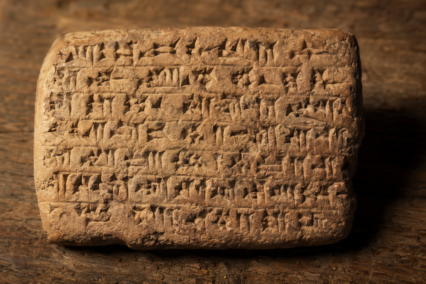
Key Highlights
-
Aztec writing worked a bit different, and did not really use a full alphabet. The Aztecs used pictographs, symbols, and aztec glyphs instead.
-
Many aztec codices kept track of tribute, land, court stuff, and big events that happened each year.
-
Nahuatl writing, which the Aztecs spoke, often showed up beside pictures, even more when the spanish conquest took place.
-
The whole system actually came from bigger mesoamerican writing systems and older ways the local people used before.
-
Scribes would paint what was needed on amate paper, deer skin, or maguey cloth. They folded these up to make aztec codices.
-
The old books we still have give us a good look at how aztec writing was used every day and in official ways.
Introduction
The aztec writing system lets you see how the aztec civilization in mesoamerica lived. The aztecs did not use an alphabet like we do now. Instead, they used pictures, signs, and set ways of drawing to show what they meant. This system helped keep safe the important things about their ruling families, tribute, religion, trade, and land. If you want to know how the writing system worked in the aztec world, it is good to look at it as part of the bigger story of how people in mesoamerica used to share their ideas.
Origins and Historical Development of the Aztec Writing System
In aztec history, the aztec writing system grew out of a need for a simple tool in the Valley of Mexico. The main reason for this writing system was so the aztecs could keep track of things like tribute, taxes, land, court cases, family history, temple records, trade, and big events in the year.
When the Aztec Empire got bigger, this kind of writing grew to be more important for how people did things and remembered stuff. Like other ancient civilizations, the Aztecs used their writing system to organise power, help with religion, and track what had to be done as their empire spread across mexico.
Influences from Earlier Mesoamerican Cultures
The Aztecs did not build their writing on their own. Aztec writing was part of mesoamerican writing systems that were used by many groups in the area. Pictures and signs in these systems already had meaning, and people shared that meaning across different places. This helped the regional scribal traditions to change and help shape aztec writing as it grew.
When you look at aztec writing and compare it to maya script, you can see a big difference. The maya script used lots of glyph combinations, and it looks like they had a better way to show each part of speech, like sounds in words. On the other hand, aztec writing often used pictographs, ideograms, and logographs. These were pictures or signs that pointed to things, ideas, or names people already knew.
This difference is important. Aztec writing was all about people seeing and recognising the signs, and needing to know the culture. Like other ancient civilizations of mexico, the aztecs used the old ways. They did not throw these out for a full alphabet system. Instead, they worked with what was there already, keeping those visual and cultural links going strong.
Evolution from Pictographs to Codices
At first, Aztec pictographs look easy to read, but they have a lot behind them. For example, a wrapped body can stand for death. A black sky with a closed eye can show night. If you see a trail of footprints, it means walking. These pictures work because the people know the visual code.
As time went on, these images were put into aztec codices. These are long, folded books painted on both sides. Each codex can use aztec glyphs, tribute counts, place signs and moments from public life. This way, the scribes can store lots of facts in an organised manner.
After the spanish conquest, the codex painters kept going, and they started to add Nahuatl and spanish words to explain things. New books from colonial times like Codex Mendoza became valuable. They kept the old visual ways alive but made them better for later people to understand.
Key Features of the Aztec Writing System
The aztec script did not have a full alphabet. Instead, it used pictographs, ideograms, and other signs you could see. Each glyph in this system could mean an object, an action, an idea, or even a name that people knew. This way made the writing system very flexible. But it also meant you had to know the culture to read it well.
Most of the time, the writing stayed very close to the Aztec language known as Nahuatl. This was true even if the signs did not show the sounds in a word all the time. The way scribes mixed symbols and sounds helped them to put down ideas and facts quickly. The next parts will show you how they used symbols, names, and numbers.
Use of Ideograms, Pictographs, and Symbols
You can think of Aztec writing as a type of writing system that uses pictures, called pictographs, and signs called ideograms and logograms. It was not a full alphabet, but it was more than just art. Someone who had training could get real information from each glyph and also from how the symbols were joined up.
Some common ways they used were:
-
Pictographs that looked just like the thing or action being shown.
-
Ideograms that told about an idea, like death or night.
-
Logograms that stood in for whole words or ideas.
-
Symbols put together to show a bigger meaning in context.
So, was Aztec writing a true writing system? If you look at what is left now, it did work as a clear way to keep track of meaning, especially for things like running the place or for rituals. Still, it was not like writing styles that match letters with sounds in a complete way.
Representation of Names, Numbers, and Words
Names of places and people were often shown through recognisable aztec glyphs, while numbers used a fixed visual system. In nahuatl writing, meaning could also be clarified by combining signs, which helped readers connect images to known words, place names, or a suffix pattern already understood in context.
|
Element |
Representation |
|---|---|
|
1 to 20 |
Dots |
|
20 |
A flag |
|
100 |
Five flags |
|
400 |
A feather or fir tree |
|
8,000 |
A bag of copal incense |
This approach let scribes record tribute precisely. For example, a page could show 15 dots and one feather beside shields to mean 415 shields. In that way, logograms and counting signs worked together to express words, quantities, and names of places.
Materials and Tools Used by the Aztecs for Writing
Aztec writing needed people who were good at what they do and the right tools to do it. The Aztec scribes, sometimes called codex painters, were trained workers. They made records for the government, for faith, for trade, and for helping with daily tasks. The state respected the work that they did because it needed good records.
Each codex was made on a surface that they got ready first. These surfaces could be folded and packed away. The aztec codices were not simple notes. They were made with care. The scribes picked materials that worked well for drawing clear signs, numbers, and scenes. Because of this, people could look at them and read them even many years later.
Common Surfaces and Writing Implements
The Aztecs wrote on different things. People talk about amate paper, which comes from wild fig bark. They also used deer skin and maguey cloth. The Aztecs could stick these strips to wood covers. They folded them like a map, and it turned into a codex.
Common materials for aztec writing included:
-
Amate paper made by cutting bark with stone knives and soaking it.
-
Deer skin, which was strong and lasted a long time.
-
Maguey cloth, painted and made into long strips.
These surfaces worked well for their painted records. The notes about their materials do not list every single tool, but you can see codex makers took care to pick the right writing surfaces. Some of these old books still exist. Collections like ones at the Library of Congress help us see how the aztecs made and used their codex books.
Preservation and Discovery of Aztec Codices
Many of the first books did not make it through the years. Most Mayan and Aztec codices were burned by Catholic clergy who came with the Spanish conquistadors. Now, the loss of these works makes it hard for people to keep or study them.
Still, records made during the colonial period are important. After their land was taken, codex painters worked with priests to write about Aztec life. Today, these books are one of the best sources to learn from. Codex Mendoza is one famous example because it keeps things like tribute lists, place details, and pictures the Aztecs used.
The aztec codices that are left help us see how people read signs, counted numbers, and wrote in both Nahuatl and Spanish. These comments help to explain old pictures. Big groups of these works at places like the Library of Congress also help to keep and understand them now.
Conclusion
As we finish looking at the Aztec writing system, it’s clear that this way to get messages across has a long history and means a lot to many people. The Aztec writing started with help from earlier Mesoamerican groups. It used both pictures and simple symbols, which makes it very interesting for people who want to know more.
Knowing about what the Aztecs used to write and how they worked tells us about their days and what was important to them. By looking into this writing system, people in Australia learn more about the Aztec codices and see how much they knew.
If you want to know more about how the Aztec writing system worked or want a free consultation, reach out now!
Frequently Asked Questions
How do experts decipher Aztec hieroglyphs today?
Experts study aztec glyphs by looking at pictures, old books written after conquest, and added nahuatl writing. Archaeologists and historians check for patterns that turn up again, place signs they recognise, and number symbols. This helps them work out what the aztec script means in the bigger world of mesoamerica.
What are the main differences between Aztec hieroglyphics and other Mesoamerican scripts?
Among the mesoamerican writing systems, the Maya used a better way with syllables, but the Mexica or aztecs used more pictures, signs, logograms, and ways everyone knew. Aztec glyphs would often change meaning by context. This made them stand out from the more detailed writing styles the maya used in their records.
Are there examples of Aztec writings that have been fully translated?
Yes, there are some aztec codices from colonial Mexico that are easier to read because they have both Nahuatl and Spanish words beside the pictures. Codex Mendoza is a good example of this. Having two languages together does not answer every question, but it helps people understand big parts of the codex with confidence.