Key Highlights
-
The hiragana alphabet is a main part of the japanese writing system. It helps with grammar and is used for everyday reading.
-
For language learners, learning hiragana is the first step before you go on to katakana and kanji.
-
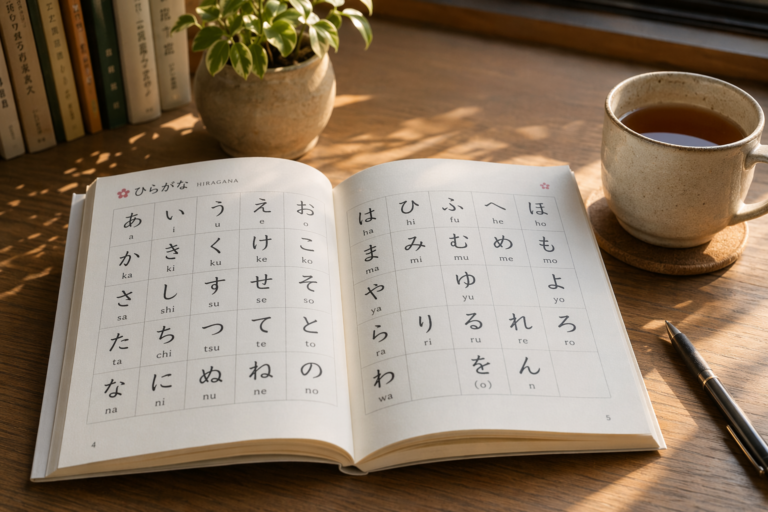
A hiragana chart lets you see the basic characters and sorts them by vowels and by consonant groups.
-
If you follow the stroke order, your writing will be clearer and it will be easier to remember the basic characters.
-
The standard hiragana set has 46 basic characters. There are also some extra modified and combined sounds.
-
If you practise with words, apps, worksheets, and quizzes, you will build confidence as you learn the japanese writing system.
Introduction
If you want to start learning the japanese language in Australia, you should begin with hiragana. This is one of the main writing systems used in japanese. You will see hiragana in many words, word endings, and in important parts of japanese grammar. Once you know how to read and write these symbols, the japanese language will make more sense. You will spot patterns, sounds, and basic words much more quickly. Hiragana gives beginners a good first skill to use if they want learning japanese grammar and writing systems to go smoother.
Understanding the Hiragana Alphabet in Japanese
The hiragana alphabet is a group of japanese characters that shows sounds in the japanese language. It makes it easy for anyone to read words clearly and helps a lot with grammar in a simple and clear way. For someone who is new, this is often the best way to start with japanese writing systems.
In everyday use, you will see hiragana show up in many parts of a sentence. It is there in grammatical elements and at the ends of words. People often use it with other japanese characters too. If you want to know where it fits in the japanese language, you should first look at what its job is, why it is important, and how it works with other scripts in this writing system.
The Role of Hiragana in the Japanese Writing System
In the japanese writing system, hiragana characters are there to show the sounds. They do not have their own meanings. That’s why they help with how to say words, how sentences flow, and what words sound like. For many who start out, learning hiragana is the easiest way in.
You see hiragana a lot in grammar. It shows up at the end of words to join ideas or help make meaning clear. Hiragana helps with both adjectives and verbs. This means you can notice how a word can change in different contexts. If a kanji character feels too hard, hiragana will still show you how to read the word.
That is why hiragana is very important. It’s not just sometimes for beginner learners. It is really a big part of written japanese. When you start to know these hiragana characters, you can read simple vocabulary, short phrases, and grammar much more easily.
Why Australians Should Learn Hiragana First
For people in Australia who want to start with the Japanese alphabet, hiragana is the best first step. It shows you a clear sound system right from the beginning. You learn to match the symbols to how they sound in Japanese, not just try to guess using English. This way, your later study of the language feels more organised and simple.
A lot of language learners try to jump straight to learning words or kanji, but that often slows them down. Starting with hiragana from the japanese alphabet gives you a base you can actually use. You start to get good at reading, writing, and finding patterns in easy vocabulary and grammar.
-
Beginners can learn the sounds in an organised way.
-
Hiragana helps you read the most common words, and you do not need to depend on romaji or just english spelling.
-
It gets you ready for grammar, using apps, and japanese textbooks.
If you are new to japanese, you should learn hiragana first.
How Hiragana Fits with Katakana and Kanji
Japanese writing uses a few sets of characters together, and hiragana is one of them. Hiragana includes basic characters that show sounds. This is really helpful when you’re new and want to build your first list of japanese vocabulary words.
Katakana, like hiragana, also shows sounds. But it is a different set. In what is called the kana system, hiragana and katakana both sit next to each other. Kanji is not the same, because a kanji character brings both its own meaning and a sound. That part takes more work for people just starting out.
So, how does it all fit together? Hiragana helps with grammar and many common readings. Katakana is another set that gives different sounds. Kanji adds symbols that carry a lot of meaning. When you know hiragana first, the rest of japanese writing, like katakana and kanji, gets much easier to figure out.
The Origins and Structure of Hiragana
Hiragana is more than just a bunch of symbols you have to remember. The script started somewhere and has a simple way of showing sounds that helps people see why the hiragana system feels neat. If you check it out, you can see how each hiragana character fits a sound pattern. This can make it easier for you to learn.
For someone new, it’s good to know that hiragana is made from a set group of signs. It does not keep throwing new characters at you all the time. When you know where hiragana comes from and how its sounds go together, it is not scary at all. This bit of history gets you ready to see the main chart too.
A Brief History of Hiragana
Hiragana has been around in Japan for a long time. It grew together with the Japanese way of writing. While most of what we know talks about how people use hiragana now, it still connects to how kanji, hiragana, and other kana work together.
How hiragana started is important. The shapes are not just random. Hiragana became a way to write Japanese sounds. This let people learn pronunciation and grammar more easily, especially if a kanji character was hard to write or read.
Today, hiragana is still very important because it matches the sounds of Japanese. Even though people use kanji and katakana, hiragana is still everywhere in writing. If you are in Australia and learning Japanese, it helps to know that hiragana is not only for beginner lessons. It is a real part of the language and how people use it every day.
How Many Characters Are in the Hiragana Alphabet?
The basic hiragana set has 46 main characters. They are set out by sound. It starts with the vowels a, i, u, e, o, and then goes through the consonant rows like ka, sa, ta, na and so on. Each one stands for a set of sounds, not just a single letter like in English.
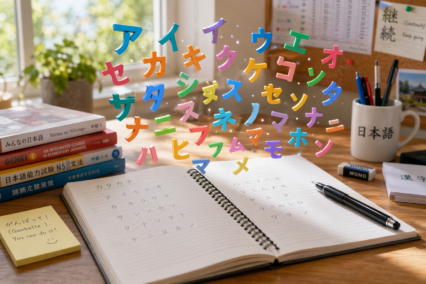
This is why people often call hiragana a set of sounds or a syllable chart. In this system, you get characters such as あ, い, う, え, お first, then か, き, く, け, こ, and the list keeps going. The group ends with わ, を, and ん.
There are extra or changed sounds you might see later, and some that are combinations, but the base always comes from the same 46 basic characters. Learn these to start. If you do, it will be much easier to pick out, say, and write new ones confidently.
The Basic Sounds and Syllables of Hiragana
Hiragana is built on a simple set of sounds. It starts with five vowels: a, i, u, e, and o. After these, most lines join a consonant with each vowel. This clear pattern is much easier to pick up than it seems at first.
For example, in the ka group, there is ka, ki, ku, ke, and ko. In the sa group, you get sa, shi, su, se, and so. Then you go through other groups like ta, na, ha, ma, ya, ra, and wa. Their pronunciation is very regular, so you can get better step by step.
This way, hiragana feels helpful instead of messy. Once you work out the vowels and see each pattern with the consonants, the set of sounds becomes clear. This helps you sound out many words and is a big help when you start to read Japanese vocabulary and match each symbol with how it’s spoken in Japanese.
Exploring the Complete Hiragana Chart
A hiragana chart is a very handy tool for beginners. It gives you the japanese alphabet set out clearly in order by sound. This means you do not have to try and remember random symbols. You can see how all the rows and columns fit together in the japanese writing system.
If you are in Australia and learning at home, a full chart will answer a question many people ask: yes, you can look at the whole set of symbols in one place. The next parts will break down the hiragana chart for you. It starts with vowels, goes through groups of consonant sounds, and covers all the 46 basic hiragana characters.
Vowels and Consonant Combinations
The hiragana chart starts with the five vowels: あ, い, う, え, お. These sounds are in the middle of the system and show up a lot on the chart. Once you know these, the rest of hiragana will be easier to work out in your head.
Next, a consonant goes with each vowel to make new sounds like か, き, く, け, こ and さ, し, す, せ, そ. You will see other rows too, like た, ち, つ, て, と and は, ひ, ふ, へ, ほ. This setup helps you when you read, and it helps with japanese grammar because many endings use these sound groups.
There are some groups that do not have as many, such as や, ゆ, よ and わ, を. You also find ん, which is just by itself. When you look at the hiragana chart and study these groups, it will not feel too hard. The chart will start to make sense, and you will begin to see how it works with grammar in japanese.
The Standard 46 Hiragana Characters
The standard 46 hiragana characters form the foundation of the japanese alphabet. These are the symbols beginners should memorise first. They are arranged in a hiragana chart by vowel columns and consonant rows, which makes the sets of characters easier to scan and practise.
Here is a clear text table showing the main chart:
|
Row |
Characters |
|---|---|
|
Vowels |
あ い う え お |
|
K |
か き く け こ |
|
S |
さ し す せ そ |
|
T |
た ち つ て と |
|
N |
な に ぬ ね の |
|
H |
は ひ ふ へ ほ |
|
M |
ま み む め も |
|
Y |
や ゆ よ |
|
R |
ら り る れ ろ |
|
W |
わ を |
|
Final |
ん |
Once you know this chart, you have the core system in place. Everything else, including modified sounds and combinations like kya or sha, builds from these standard forms.
Printable and Downloadable Hiragana Charts for Australians
If you want a printable hiragana chart, there are some great resources out there. The best ones show each symbol with things like animation, words to use, and tips to set up your system. Having a chart you can download or print is more handy than just a plain list. You get to see the hiragana letter, how it sounds, and what word it goes with.
For Australians, it’s good to keep the hiragana chart near your desk, in your notebook, or with your japanese textbooks. You can also keep a pdf file on your device. That way, you can check it quickly when you study. The main thing is having quick access, not being perfect.
-
Pick a printable chart with all 46 basic characters.
-
Find a pdf to download that has clear spaces and lists the letters in the right sound order.
-
If you can, choose one that comes with real vocabulary and writing animation.
A good hiragana chart will be the thing you use every day.
Key Features of Hiragana Symbols
Hiragana symbols look simple, but small things matter when you learn them. Shape, spacing, and stroke order are important if you want to read or write the japanese language well. If you do not pay attention to these, the symbols can start to look the same.
The good luck here is that it gets easier when you know what to look for. The next parts will talk about handwriting, characters that look alike, and sound modifiers that change how you say words without making new ones.
Stroke Order and Handwriting Tips
Stroke order is important because it helps your handwriting look good and easy to read. If you write Japanese characters in the correct order, the shapes feel normal and come out right. This also helps you remember them when you go back and try again.
One good way to learn is to use animations that show how each character is written. The info put together has moving images for Japanese characters from あ to ぽ. You get a guide to follow. Watching the steps before you write can really help when you are practising verbs and common words.
Keep each handwriting tip easy. Write slowly and work on one row at a time. Always look at the model and see how yours compares. Do not jump into full sentences right away. If every Japanese character is nice and clear alone, you start to read and write better. If mistakes are there, they are easier to sort out.
Recognising Similar-Looking Characters
One thing a lot of beginners mix up are japanese characters that look like each other. With Japanese, one small change in a curve, a line, or how the lines sit can mean you get a whole new symbol. If you move too fast when you learn, you might miss these little bits.
So, it is good to look at hiragana counterparts in small groups. Do not try to learn the whole chart in one go. You can look at the shapes that mix you up and say the sound as you write it out. When you connect what it looks like with its sound, it gets easier to keep the hiragana in your head.
It is also good to use simple vocabulary to tell these japanese characters apart. If you see words like すし, ねこ, いぬ, and さかな, you get to watch the symbols used in real japanese. Once you see a shape inside a word you know, it will not mix up with others as easy.
Dakuten and Handakuten Modifiers
After you get the basic chart, you can see some small marks over some hiragana. These marks change how you say the sounds, but you still use the same base shape. In real life, this helps make more sounds in japanese in an easy way.
Dakuten puts two little marks on top, so ka turns into ga, and sa turns into za. Handakuten uses a small circle, mostly on the h-row, which turns ha into pa. It’s important to know these patterns because they can change the pronunciation and often show up in japanese grammar and everyday words.
-
Dakuten: か becomes が, さ becomes ざ, た becomes だ, は becomes ば.
-
Handakuten: は becomes ぱ, ひ becomes ぴ, ふ becomes ぷ.
-
The small circle is only used for the handakuten pattern.
When you can spot these modifiers in hiragana, more words in japanese will start to make sense and be easier to read.
Beginner’s Guide to Learning Hiragana as an Australian
Starting to learn hiragana in Australia can be simple. If you are a beginner, you just need a clear chart, a good way to listen to sounds, and to practise often in short sessions. That is enough to help you get started without feeling lost or weighed down with too many things.
Many language learners find that using a mix of apps, worksheets, and japanese textbooks is a good way to learn. Each one helps you with a different skill, like knowing what the sounds are, or how to write hiragana. In the parts below, you will see what is good to get first, and which study tools work best for people learning Japanese in Australia.
What You Need to Get Started: Resources, Apps, and Materials
When you get started, keep your tools simple. You do not need a big bunch of books to learn, just a few smart choices. Get things that show good sound order, animated writing, and give you clear vocabulary for each hiragana character.
For those who are new to hiragana or Japanese, apps can help you look back on what you have learned. Printed materials are great to help you with writing practice. In the info you find, there are links to pages with animation for the writing and lists of words. This makes these tools very handy. If you can type Japanese on your phone or computer, that’s a top way to get even more practice.
-
A full hiragana chart you can check each day
-
Apps or online hints that show you how to say things and how the writing moves
-
Basic stuff like worksheets, your own notebook, and word lists that are short and easy
The set-up that works for you is the best one. Start with a little, keep at it, and bring in more when you feel you need it.
Recommended Textbooks and Online Tools for Australians
For Australians, good japanese textbooks should help you use hiragana instead of keeping you using romaji. Romaji seems easy when you start learning japanese, but it might slow you down if you depend on english words a lot. You want to know and see the real japanese symbols.
Online tools can help if they show a clear hiragana chart and have sound or animation. Many tools also talk about how to set up your device for Windows or Mac. This is handy if you want to type japanese characters while you practice. It can make your computer a good way to learn.
A simple dictionary is useful as soon as you can read enough hiragana to look up easy words. Using it with apps and online tools will help you have a better study plan. Try to balance things: read each hiragana symbol, listen to the sound, write it out, and type it when you can.
Step-by-Step Guide to Mastering Hiragana
Learning hiragana in the japanese language is not about how fast you can go. It’s the order you use that matters most. If you follow a simple plan, things get much easier. When you try to learn it all at the same time, it gets confusing. The letters can look a lot like each other, and sounds may also change, which can make it harder.
The best way is to build up your skills, layer by layer. Take the first step with the chart, then try writing the strokes, use some memory tricks, and after that, start reading and test yourself. Doing it this way helps your progress stay on track and makes each new lesson make sense, not just feel random.
Step 1: Familiarise Yourself with the Hiragana Chart
Start off by getting used to the hiragana chart as a whole. Don’t worry about having to remember every symbol on the first day. Instead, look at how the japanese alphabet is set up. The vowels are across the top, and each row is grouped by sound. This gives your brain an idea of how the chart works.
After that, learn the sets of characters in smaller groups. Work on one row at a time. Say the sounds out loud and point to each symbol as you go. Doing this many times will help you understand the hiragana chart, not just look at it.
-
Learn the five vowels before anything else.
-
Then, add one consonant row at a time, like ka or sa.
-
Go over the hiragana chart every day in the same order.
When the layout starts to feel easy, it’s much simpler to remember where everything is. You aren’t guessing where each symbol fits, and that makes learning to read and write the japanese alphabet, especially hiragana, a lot easier after that.
Step 2: Practise Stroke Order and Writing Each Character
After you get to know the chart layout, start to write the basic characters by hand. This is important because Japanese writing systems are something you see and hear. Looking at a symbol is one thing, but making it yourself is also good for learning. Both of these help you remember over time.
Try to use guides for stroke order when you can. There is information with animation, and this is good for this stage. Watch how each character is made, then write it a few times. Focus more on making each one look neat, not on how fast you go. A clear あ or き helps you more than a pile of fast, messy writing.
Go through each row and keep your study time short. Ten good minutes on one set is better than an hour going over the same thing without care. When writing the basic characters starts to feel easy for you, your reading will get better too, because the way the characters look and feel will become familiar to your hand.
Keywords: writing systems, stroke order, basic characters, japanese
Step 3: Use Mnemonics to Remember Each Symbol
Mnemonics can help you learn hiragana characters, especially when you start. A mnemonic is a small tip to help you link a shape to a sound. This is good for when you look at hiragana symbols and they still feel new.
You do not need big, long stories. Short and simple ideas work. Link each symbol to its sound first, then use words from your vocabulary to help you remember. For example, you can link ね to ねこ or す to すし. Using real words makes the shape have meaning.
-
Make a simple mnemonic for every hiragana character that feels tough.
-
Match each symbol to an easy word you already know.
-
Go over the same mnemonic until you get it right away.
This way of learning is good because your memory is better when sound, shape, and vocabulary all help you remember a hiragana symbol. For most people, this works faster than trying to remember shapes on their own.
Step 4: Read and Write Simple Japanese Words
Once you get to know a good number of symbols, start to use them for simple words. The list below gives you some good examples, like いえ, いす, うどん, すし, ねこ, いぬ, and ほん. These are great to use first because the words are short. They are also easy to say out loud.
Using real japanese vocabulary will help you learn much more than just single letters. It helps you see how the grammar works and how words go together. You can use not just nouns, but also adjectives and verbs. This makes your reading sound much more like real japanese.
Try to write down a few words you know each day. You can say them, write them in your notebook, and later, try to remember them without looking. This is how hiragana turns into something you know how to use, not just a chart with letters. This is where true progress will start for you.
Step 5: Test Your Knowledge with Quizzes and Games
Testing yourself is a good way to see if you really remember hiragana. Many language learners feel good when they look at a chart. But when that chart is not there, it can be hard to remember. Quizzes and games are good for finding what you still need to work on.
Try to keep the tests easy. You can cover up the chart and say what each symbol is. Write down the sound when you see a character. Or read a short word and say it out loud. Flashcards are good tools, too. They help you really remember, not just look and guess.
-
Use quick quizzes that cover only one row at a time.
-
Make your review fun with flashcards or play a matching game with a timer.
-
Go over your mistakes more often than the easy ones.
For beginners, the best way to practice is by pulling the sound and shape from memory. That is when you really start getting better with hiragana.
Best Methods for Memorising the Hiragana Alphabet
Learning the hiragana alphabet can be much easier if you try more than one way. Many language learners find it helps to look at the symbols, hear how they sound, write them out, and test yourself again and again. If you just use one way to study, it can take longer to get it.
The best way is to use a mix of repetition, flashcards, apps, and real usage. Short sessions done often work better than cramming all at once. In the next parts, you’ll see some practical methods for beginners. These include digital apps and group practice for people learning in Australia.
Flashcards and Repetition Techniques
Flashcards are the best way to learn hiragana. They help you remember by making you match the sound to the symbol or the symbol to the sound. This active step really helps the character stay in your mind. It works much better than just looking at a chart again and again.
It’s good to repeat things, but do this in short, spaced sessions. Take a small group and test yourself. Come back to the same group later on. This is a good way to find what you do not know yet, but still not feel tired or bored. Many people say this is one of the best ways to get good recall of hiragana.
-
Use one side for the hiragana character and the other for the sound.
-
Shuffle cards often so you do not just remember the order.
-
Go over the harder cards more times than the ones you find easy.
Keep your time learning short but do it every day. Doing a bit each day is better than one long session now and then. This will help you get used to this new sound-based script.
Using Apps and Online Practice Tools
Apps give you a more flexible way to practise hiragana in the japanese language. You can use them anywhere, so it’s easy to do short drills, match sounds with symbols, and check how you’re doing. Online tools let you keep working with japanese characters again and again, and you don’t have to carry paper with you all the time.
The info that’s been put together also says you can set up your PC for typing japanese characters on both Windows and Mac. So, there are tools online and on your device for typing in hiragana. Once you switch your system on for japanese, you can practise by typing as well as writing by hand.
This is good because typing gives you another way to remember hiragana. You read a sound, type it in, and then you see if the right symbol shows up. When you use apps, typing, and writing together, you get to know which sign matches each sound more quickly and with less mistakes.
Group Activities and Language Meetups in Australia
If you feel your solo study is getting a bit dull, trying group activities can help a lot. When you practise with other learners, you get more time to say the sounds out loud. You can also look at each other’s writing and test yourself more in a friendly group. Even just doing a simple group review can keep your motivation up.
Going to language meetups in Australia can also help you feel like the Japanese language is more real. You are not only learning how to write shapes on a page. You are using them with people around you. This can make you want to practise more, because there is a good reason to get ready and join in.
Try to keep the activities useful for you. Read some easy hiragana words together, quiz each other, or try copying a few Japanese characters and check their stroke order. You do not need to have advanced skills for group time to be worth it. Actually, group learning in the beginning is great because you all get to build the same base at the same time.
Exercises to Practise Reading and Writing Hiragana
Simple exercises help you turn hiragana into a real skill quickly. Instead of looking at a chart again and again, you get to read, write, listen, and type japanese characters in small steps. This makes study feel more useful and active.
There are some easy things you can do at the start. Worksheets, copying drills, typing, and listening to japanese all help you learn. The next bits show a few good ways for people in Australia to practise hiragana without making things too hard.
Fun Worksheets for Beginners
Worksheets are a good place to start for any beginner. They help you see and write hiragana on one page. With a good worksheet, you can first trace the character, then try to copy it, and later read or write a simple word that uses it.
This kind of practice works well because you can stay on one thing at a time. You do not need to jump all over the chart. Try working on just one row, for example, あ, い, う, え, お, and then use them in simple words like いえ or おちゃ. This helps you see the link between each symbol and its usage.
It is better to keep worksheets simple and work on them often. One page each day will do, as long as you pay close attention. The main aim is not to finish loads of pages. It is to make each hiragana character feel easy and known to you. After some time, these small steps help you read better and write much neater.
Typing in Hiragana with Online Keyboards
Typing is handy to use along with handwriting because it gives you fast feedback. If you type the right sound and the correct hiragana shows up, you know you are reading it well. This makes typing a simple and useful part of learning the japanese language.
All the information put together says you can set up your own PC to show japanese characters without any trouble. It works on Windows 10, Windows 11, and some Mac computers too. So if you want to know if you can get an online keyboard or way to type hiragana, the answer is yes.
Once your keyboard is turned on, you can practise by typing short words from your chart or your vocabulary. Go for easy items first, like すし, ねこ, ほん, or うどん. Typing these out will help you know the sound order and know the symbols well and fast.
Listening and Speaking Practice for Aussies
Reading hiragana gets better and faster when you link it with listening and talking. If you just look at the characters, the sounds can be weak in your mind. When you hear them and say them out loud, the script is more real, and you can remember it better.
The set information here has examples of each character and words like asa, ie, udon, sushi, sakana, and yoru. Use these words when you practice pronunciation. Read the hiragana, say the word, and if you have a resource with sound or animation, listen to it again. This brings the symbol, the sound, and meaning together for you.
For Aussies, you do not need to sound perfect from the start. The main thing is to build up good, clear pronunciation bit by bit. Short speaking practice every day works well. Pick five words, say them out loud, do it again, and then try to remember them later. It is better to keep at it each day than to have long, one-off sessions.
Common Mistakes Beginners Make When Learning Hiragana
Most people make hiragana mistakes when they rush. Beginners can get characters mixed up if they look alike. Sometimes they also don’t follow the right stroke order. Studying for long periods instead of a little each day can also cause problems. These habits can make hiragana seem harder to learn and slow down how quick you remember it.
The good thing is, you can spot these problems and fix them when you know what to look for. If you focus on the shape, the way you write each one, and go over them often, you can avoid most of the basic mistakes. The next few parts show the main trouble spots in a clear way.
Mixing Up Similar Characters
A very common mistake for a beginner is mixing up japanese characters that look alike. Hiragana is a part of writing systems in Japanese, and some of the characters can be hard to tell apart. People often get them mixed up when memorising too fast.
To fix this, compare the shapes side by side. Practise them in small sets. Write each hiragana slowly and say the sound as you go. Try to use a real word with each character so you remember it better. This will help keep the form in your mind and stop random guessing.
It also helps to learn only a few new japanese characters at one time. Review those well, and you will be more accurate. Once you have those sorted, add more. It might feel slow, but in the end, this way leads to better progress for anyone starting out with Japanese writing systems.
Forgetting Stroke Order
Many people new to hiragana think stroke order does not matter, but it does help you write clearly. If you write the strokes out of order, your hiragana can turn out uneven or hard to read. This can make it tough to go over your own notes later and understand what you wrote.
It’s better to learn the right stroke order from the start. Watch an animation or look at an example, then copy the character a few times with care. This kind of practice helps your hand get used to the shape, so you can write and remember it better.
Don’t put off fixing stroke order mistakes for later. If you pick up the wrong habits now, it will take more time and trouble to change them. Learning the right way first will save you effort. It also helps you write every character clearly even when you are working fast, doing worksheets, or going over things before a test.
Skipping Daily Practice
Skipping daily practice is one reason why hiragana can seem tricky for beginners. You might know the whole chart one day, but then forget a lot by the next week. This is not out of the ordinary if there is too much time between studying.
The best way to stop this from happening is to do short but steady practice. Five or ten minutes a day is enough to help you learn, as long as you pay attention. Go over a few shapes, write a few words, and test yourself quickly. Doing it this way works better than trying to do a long session now and then.
Hiragana is part of the japanese language, and you get better through repetition, not from doing it all at once. Seeing it and practising every day helps keep the sounds and pictures of each symbol in your mind. Revising even a small bit helps a lot. Later, all those bits of time build up strong, steady skills.
Conclusion
To sum up, getting a handle on the Hiragana alphabet is a must if you want to learn the Japanese language, especially here in Australia. When you get to know how it fits into the writing system and learn all the characters, you set yourself up with a strong base for picking up more of the language. You can use lots of helpful tools and ways to learn, like flashcards or even joining language meetups, to get better at reading and writing Hiragana. Just remember, to do well, you need to practise all the time. This is the best way to beat any trouble you face and really get the hang of this nice script. There’s no better time than now to get started, so jump in today and if you need some help, go for a free trial or have a chat so you can get the support you need.
Frequently Asked Questions
How is the hiragana alphabet used in Japanese writing?
The hiragana alphabet is part of the japanese language. People use it to show sounds and help with grammar in the japanese writing system. You will see its usage in word endings, grammatical elements, and many common readings. For anyone starting out, this alphabet is a good first step. It helps you read and write simple japanese the right way.
Where can I find a printable hiragana chart in Australia?
You can find a printable hiragana chart or a pdf to download that lists all basic japanese characters in the chart order. If you learn in Australia, it’s best to have a simple chart you can print out, save on your phone or computer, and use next to your notebook or other study stuff.
What are the best ways for beginners to practise hiragana?
The best way for a beginner to learn is to use flashcards, worksheets, apps, and easy memory tips together. Try to use each of these when you go over the sound, the shape, and the writing. If you do a bit every day, it will work well. Look at a few symbols, write some words, and test yourself a lot. This will help you know and use them without thinking too hard.
Who should start with hiragana when learning Japanese?
Hiragana is the first step you should take when learning the japanese language. It gives you the basic sounds, helps you read, and supports grammar. It also gets you ready for katakana and kanji. For people starting out, hiragana is the right place to begin.