Key Highlights
-
Kanji characters are a big part of the Japanese language and its writing system.
-
Japanese kanji come from chinese characters, but many have their own readings and use in Japan now.
-
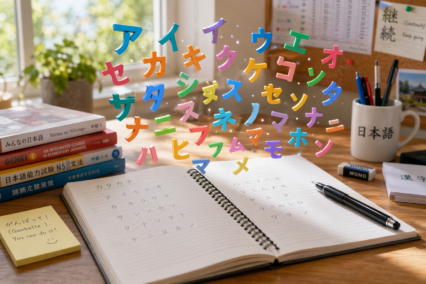
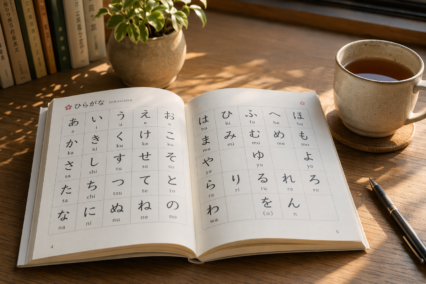
The japanese writing system also has hiragana and katakana. These are two phonetic alphabets, and each one has 46 basic characters.
-
A single kanji gives a meaning, not only a sound.
-
Japanese students start out learning kyōiku kanji, and after that, they study the bigger jōyō kanji list.
-
Stroke order, knowing the radicals, and practising all the time can help make japanese kanji easier to learn.
Introduction
If you are living in Australia and want to learn the Japanese language, kanji can look like the hardest part. You are not alone if you feel this way. The Japanese writing system is not like English, as there are three types in it. Out of all of them, kanji is the most difficult. But you do not have to worry too much. When you get what kanji is, know its history, and see how it works with hiragana and katakana, the Japanese writing system will start to be clearer. So, it is good to know how these parts fit together if you want to use Japanese well.
Understanding the Kanji Writing System for Australians
Kanji is not an alphabet like the one used in English. In the japanese language, kanji characters stand for ideas or objects. These characters are part of japanese writing, along with hiragana and katakana. The mix lets japanese people read words, know grammar, and understand borrowed terms.
You may ask how many there are. There be more than 40,000 kanji characters, but most people never use all of them. In everyday life, japanese people use about 2,136 main kanji characters. To get how this links to japanese culture and real writing, you have to look closer at each script.
What is Kanji and Its Role in Japanese Writing
Kanji is one of the three main parts of japanese writing. These symbols come from Chinese writing and have become a key part of the japanese language. The big difference is that kanji show meaning, not just sound like the letters in the english alphabet do.
Each kanji can stand for a whole word or a meaningful unit of language. That is why kanji often look more like pictures or visual ideas than you find in the english alphabet. For example, 大 means “big,” and 山 means “mountain.” Some of them are easy to know, but others take a bit more time to get.
You often see kanji with hiragana in a japanese sentence. Having both helps writers show the meaning and also the grammar. So if someone asks you what the kanji alphabet is, it is better to say this: kanji is a way of writing used to give meaning to the main parts of words in everyday japanese writing.
Differences Between Kanji, Hiragana, and Katakana
Many people who are just starting to learn about japanese writing think every script does the same thing, but they do not. Kanji is used for meaning. Hiragana and katakana are phonetic alphabets, so the characters show you the way the words sound. That is the big difference in japanese writing.
Here is one simple way to look at it:
-
Hiragana comes up in almost every japanese sentence. It’s used for grammar and for endings on words made in japan.
-
Katakana shows up mostly when you need loan words, foreign names, or to make something stand out.
-
A single kanji gives meaning, not just a single syllable.
-
Hiragana and katakana both have 46 basic characters, and their sounds match across both sets.
So, the system in japan is not just one alphabet. Japanese uses a form of writing with different parts. Kanji carries meaning, hiragana does the grammar work, and katakana shows which words come in as sounds or are foreign. When you get what each part is for, reading it all feels simpler and is a lot easier to manage.
Historical Origins and Development of Kanji
The story of kanji goes back to China. Long ago, Japan borrowed japanese kanji from chinese characters. People in Japan started using them to write down language, handle trade, talk about religion, and run government things. Before this, most of the japanese language was only spoken, not written.
As time went on, kanji changed in Japan. Some kept close to what they mean in chinese language, but others started to have new ways to read or use them. This is why japanese kanji still show parts of their roots in china. But, they sometimes do not match their chinese counterparts in every way. The next parts will show how and why this change happened.
How Kanji Evolved from Chinese Characters
Kanji characters began as chinese characters. Early forms were more pictorial, showing the object in a visual way. As time passed, they became more abstract. When these symbols reached Japan around the Yamato era, they were adopted into the japanese language for practical use.
Japanese kanji did not stay frozen. Some forms remained close to the chinese language, while others shifted in reading, shape, or everyday function. Japan also built a writing system that mixed kanji with hiragana, which made written Japanese work better with local grammar.
|
Feature |
Chinese Origins |
Japanese Use |
|---|---|---|
|
Source |
Developed in China |
Borrowed into Japan |
|
Early form |
More pictorial |
Adapted into local writing |
|
Meaning |
Often shared |
Sometimes adjusted |
|
Pronunciation |
Chinese-based |
Added Japanese readings |
|
Daily use |
Chinese writing system |
Mixed with kana scripts |
So yes, kanji came from Chinese, but Japanese kanji evolved into their own system shaped by local speech and writing needs.
Changes in Meaning from Chinese to Japanese Usage
Even if a character looks the same, its meaning can change between countries. In the japanese language, many chinese characters keep a similar main idea. But the way people use them, and how they say them, can be different in japan. So you should not think one matches to the other every time.
About 70% of meanings are still the same, which most people say is a good estimate. But japanese writing uses kanji with japanese grammar rules, not chinese grammar. A character might keep its old meaning but be used in a new way in sentences.
Some characters in japan still have older forms, while china made them simpler later. So, a kanji can have its own meaning in japanese, even if it comes from chinese. For anyone learning, the best way is to study the meaning, how to read it, and how it fits in a sentence. Don’t just trust how it looks.
The Structure and Components of Kanji Characters
At first, kanji characters might seem hard to read. But they follow clear patterns. Many japanese kanji are made from smaller parts. Learners begin with basic characters. After that, they move to more complex ones. This makes the system much easier to sort and learn.
Stroke order is also very important. When you write strokes in the right sequence, the kanji look correct. It is easier to remember them, too. It helps when using japanese dictionaries, as these often group kanji by their form and structure. To get a better feel for this, start by looking at radicals, stroke order, and readings one at a time.
Radicals, Strokes, and How Kanji Are Constructed
Most kanji are not just shapes put together for no reason. They are made up of smaller parts, which some people call radicals. These smaller bits can often be seen in other kanji characters too. The parts can give you a hint about the meaning or help you group characters that are alike. If you learn these pieces, it can give you a better way to break down japanese kanji into easier parts to understand.
Stroke order is important, too. When you write kanji in the correct order, the kanji looks balanced and is easier to read. In japanese, people learn to do this from the start. If you don’t get the stroke order right, even the most basic characters can look strange.
Here are some helpful examples:
-
二 = two
-
山 = mountain
-
木 = tree
-
人 = person
-
大 = big
These don’t cover all of the first 100 kanji characters. But they are good, simple examples that show what the kanji means. If you start out learning kanji that are common and easy to picture, you get more confidence. This helps you see patterns in kanji as you go on and start to meet new, more challenging characters.
On’yomi and Kun’yomi Readings Explained
One reason why kanji can be hard is that many symbols, or kanji, have more than one japanese reading. There are two main kinds. These are called on’yomi and kun’yomi. On’yomi comes from old Chinese way of saying things. Kun’yomi connects to native japanese words.
You’ll see on’yomi mostly in compound words. Kun’yomi shows up when a kanji is used by itself or in words with grammar endings. This is the reason one kanji might sound different each time, depending on where it is. You do not guess – you learn the right japanese reading as you see it used.
A symbol might be in a noun one way. It might also show up in verbs or adjectives with a new sound. For example, the kanji 日 has a few pronunciations based on which word it is in. At first, that can look hard, but as you meet it again and again, you start to match the sound with meaning. The more you use it in daily life, the easier it gets.
Learning and Using Kanji in Everyday Life
For beginners, the best way is to keep it simple and take things slow. Start with the basic japanese kanji. Learn what they mean, look at their stroke order, and write them again and again. Doing this still works well because it helps you get to know them, remember them, and feel more sure with time.
In japanese today, kanji helps people read signs, books, names, and lots of everyday japanese texts. Japanese people learn kanji little by little at school, not all in one go. That should make you feel better. You do not have to pick up thousands right away. The next parts show you which kanji are most important first and how help from official learning lists can show you the way.
Essential Kanji Every Beginner Should Know
If you are just getting started, look at the common kanji that show up a lot and are easy to understand. Beginner books usually follow the way schools teach. This helps you get good building blocks for reading signs, simple phrases, japanese names, and dictionary entries.
A simple set for beginners is:
-
日 = sun, day
-
本 = origin, book
-
人 = person
-
山 = mountain
-
木 = tree
These basic characters help you see how japanese kanji works. For example, 日本 stands for Japan and mixes “sun” and “origin.” You do not have to learn the first 100 all at once. Start with the kanji you see often, then use japanese dictionaries and example words so you get used to them in real phrases and sentences.
Official Kanji Lists and How Japanese Students Learn
Yes, the japanese government has an official list for kanji you need to know. It starts with the kyōiku kanji. This group has 1,006 kanji. japanese people learn this set in elementary school first.
After that, there is the jōyō kanji. This bigger list has 2,136 characters for daily reading. By the time students finish high school, they are expected to know all of these. It is the core group of kanji that is used by everyone in japan.
japanese people get to know these kanji in stages. They practise writing, remember the readings, and see the characters in books and real situations. There are some general rules to follow, but having the right habits helps the most. It is a good idea for anyone to learn like this: start with common kanji, go in steps, and keep going back to the basics before trying more difficult ones.
Conclusion
To sum up, learning the Kanji writing system is very important for anyone in Australia who wants to get into the rich world of the Japanese language and Japanese culture. When you take in its history, the way it works, and how you can use it, you will soon see that this journey is both interesting and worth your time. It can help you when you travel, or even connect more with Japanese books, movies, and shows. Being able to read and use Kanji gives you the chance to get so much more out of these things. So, don’t wait to get started. Take that first step and jump into the amazing world of Kanji right now. If you have any questions or want to know the best place to start, reach out anytime for more info.
Frequently Asked Questions
How Can Australians Start Learning Kanji?
Australians can get started with japanese kanji by using an easy workbook. Write each character over and over. Make sure you check the stroke order every time you write. You should also use apps to help you review what you learn. Japanese dictionaries are good for finding the meaning and seeing examples. Using a good dictionary helps you connect every kanji to the real japanese language, not just shapes to remember.