Key Highlights
-
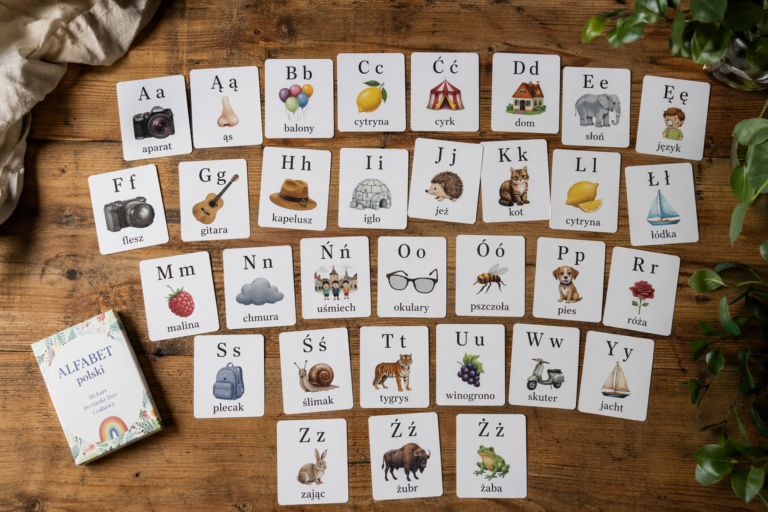
The polish language has a modified latin alphabet with 32 letters.
-
For english speakers, the polish alphabet looks close, but there are some big changes.
-
Nine polish letters have diacritical marks. These marks change how you say and write polish words.
-
Q, V, and X are not used in standard polish. You might see them in loanwords.
-
Polish is more phonetic than english. Polish words sound the way they look most of the time.
-
If you get to know letter combinations and diacritical marks, reading polish becomes much easier.
Introduction
If you are an Australian trying out the polish language for the first time, it’s good to start with the alphabet. The polish language uses the latin alphabet. So, a lot of the letters will look the same to english speakers. But, the way they work, sound, and are spelled has its own rules. That is why it’s good to have a quick look at how it all works. When you know how polish letters go, you will see signs, names, and those first words in polish feel less tricky. It makes the whole thing much easier to pick up.
The Structure of the Polish Alphabet
The polish alphabet comes from the latin alphabet. But, it has changed a bit to fit the sound of one of the big slavic languages. The polish alphabet has 32 letters in total. That means you will see a base that looks like the latin alphabet, but you will also find some new parts in real polish words.
What makes Polish different is it has a mix of normal letters and special polish letters. Some of these polish letters have marks on top or next to them. These marks are not just extra designs. They are a normal part of spelling polish words. The best way to start is by looking at the whole order of the alphabet, and then pay close attention to the polish letters that are different or special.
Number of Letters and the Correct Order
The letters of the polish alphabet number 32 in standard use. Polish comes from latin script, but its alphabet includes extra letters needed for Polish sounds. For beginners, the good news is that once you learn the order and basic sound of each letter, polish spelling becomes much easier to follow.
The correct order is fixed and worth memorising early. It is: A, Ą, B, C, Ć, D, E, Ę, F, G, H, I, J, K, L, Ł, M, N, Ń, O, Ó, P, R, S, Ś, T, U, W, Y, Z, Ź, Ż.
|
Group |
Letters |
|---|---|
|
Opening sequence |
A, Ą, B, C, Ć, D, E, Ę |
|
Middle sequence |
F, G, H, I, J, K, L, Ł, M, N, Ń, O, Ó, P |
|
Closing sequence |
R, S, Ś, T, U, W, Y, Z, Ź, Ż |
Notice that Polish keeps its own order for modified letters rather than treating them as simple variations.
Unique Letters Found Only in Polish
Some letters in Polish are not in the normal Latin alphabet that we use for plain English. These letters show up in everyday native words and have little marks on them or other changes. They each have their own spot in the Polish alphabet and their own sound.
The main different letters are:
-
Ą and Ę, which sound like nasal vowels.
-
Ć, Ń, Ś, and Ź, which make some consonant sounds softer.
-
Ł, which has a stroke and is not the same as the normal L.
-
Ó and Ż, which are both in standard Polish spelling and are their own letters.
For english speakers, these letters and sounds might look odd at first. Still, the letters are not strange in Polish. They are not rare either. Once you see words like koń, gęś, or ktoś, you will get how the system works in the polish spelling and how their vowels or consonants use these changes. It will make much more sense, which is good for your reading in polish.
Comparing the Polish and English Alphabets
At first look, the polish alphabet and the english alphabet seem close because both use the latin alphabet. This can make polish feel less scary for people in Australia. But, this is true only for some parts, mainly before you get to pronunciation.
Polish has some extra letters. It also has different sounds and more strict rules for spelling. In english, the sound of letters can change a lot from word to word, but polish stays steady with its sounds. So, your next step is to find the real differences that matter for reading and speaking right away.
Key Differences Australians Should Know
For people in Australia who know the english alphabet, the polish alphabet may look the same at first. But, it works in a very different way. Polish is one of the slavic languages and sticks to letter sounds that do not change much from word to word. This can help you as you read, but it means you have to pick up some different sounds early.
A few key differences are:
-
The polish alphabet has 32 letters. But the english alphabet has just 26.
-
Polish vowels also have nasal vowels like Ą and Ę.
-
Some polish consonants come with marks or letter groups, so you get different sounds.
-
Q, V, and X show up mostly in words taken from other languages. You don’t often see these in everyday Polish.
You also see more of the same pronunciation in polish. Most letters keep their sound anywhere in a word. English letters can change a lot. So, trying to say polish words can be hard at first. But, this gives beginners a better link between spelling and the way words are said.
Letters Missing from the Polish Alphabet
Yes, some letters are missing when you compare the standard polish alphabet with the english alphabet. The main ones you won’t find are Q, V and X. You might still see these letters now and then, but they are not part of normal spelling rules in polish.
Here’s a simple breakdown:
-
Q is used in some foreign words.
-
V comes up in loanwords and you say it as fał.
-
X shows up in some foreign words too and it’s called iks.
This is good to know because many beginners think every letter in the english alphabet must be in polish as well, but that’s not true. In standard polish, these letters are not part of the core alphabet. Still, you can see them in names, borrowed words, new vocabulary and sometimes with international terms.
Understanding Polish Diacritical Marks
One big part of the polish language is its use of diacritical marks. These diacritic marks are not just for show. They are part of normal writing and they change the way you say a word. If you forget about them, you can change the sound and the meaning of a word.
The polish language has many diacritical signs. There is the acute accent, the dot, the stroke, and that hook-like tail you see on nasal vowels. Each one of these makes a clear change. To read polish in a good way, you need to know what each sign does and how they change the sound of each letter.
Knowing these marks helps a lot with polish vowels and your pronunciation, too.
Types of Diacritics and Their Function
Polish makes use of diacritical marks to show sounds that plain Latin letters can’t. These diacritic marks are a key part of polish spelling. They do more than add a look to a letter. Each one helps make a new letter that has its own sound and be used in its own way.
The main types are:
-
Acute accent: You will see this in Ć, Ń, Ó, Ś, and Ź. It often gives the letter a softer or new sound.
-
Dot: You find this in Ż. It turns it into a different consonant.
-
Stroke: This shows up in Ł and it means the “L” sound is not the same as a normal “L”.
-
Hook or tail: This is used in Ą and Ę. It gives the vowels a sound that comes out through the nose.
For beginners, a great thing here is these modifications always stay the same. If you learn what each accent or mark means, you can read and say polish words more easily. That’s why it is so helpful to understand diacritics if you want to get better at polish pronunciation.
Pronouncing Letters with Diacritics
Polish pronunciation gets much easier when you look at how letters with diacritical marks are used in real words. The letters Ą and Ę are called nasal vowels. You say them with your mouth a bit open. The letter Ł sounds the same as an English W. Ó sounds like the U in standard polish, even though it is written a different way.
Some letters give you softer or different consonant sounds. You find Ć in ćma, Ń in koń, Ś in ktoś, Ź in paź and Ż in nóż. For each word, that letter brings a whole different sound than what you get from the simple base letter. This is why diacritical marks are so important for polish pronunciation, especially when you read words aloud.
To make these little differences second nature, try listening to audio made by native speakers. When you hear the sound of the letters in actual words, it helps your ear get used to all the changes. You will not end up guessing from english words, and your polish will sound much more natural.
Conclusion
To sum up, knowing the Polish alphabet can really help you if you want to learn the polish language or talk with polish people. You get to see new letters and diacritical marks that are not part of the English alphabet. When you learn the main ways the polish and english alphabets are different, you get a good start. Understanding these points will help your pronunciation and show you respect the culture, too. If you want to know more about the polish language and its special parts, you can ask for a free meeting. We can work through this together and make learning the polish language a good time.
Frequently Asked Questions
Which Polish letters are hardest for English speakers?
For English speakers, the hardest part of the Polish alphabet is often the letters with diacritical marks. This is true for letters like Ą, Ę, Ć, Ś, Ź and Ż, and also the letter Ł. The way you say these sounds is not the same as in English. In the Polish language, you need to listen a lot to notice these small changes in pronunciation.