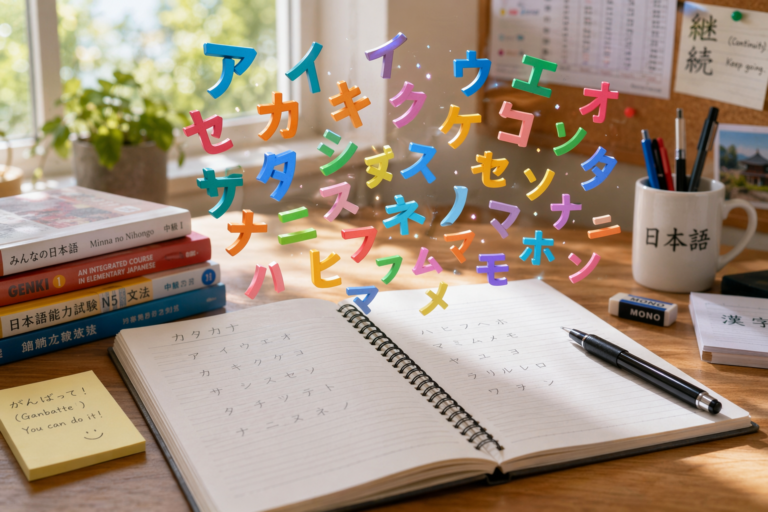
Key Highlights
-
The katakana alphabet is one part of the Japanese writing system. You use it for some types of words in Japanese writing.
-
Each katakana character goes with certain Japanese sounds, which helps get clear Japanese pronunciation right from the start.
-
Katakana is used often for loan words, foreign names, company names, and some technical terms.
-
You will see all 46 basic characters and learn what they sound like.
-
This guide shows how katakana is not the same as hiragana in Japanese learning.
-
Australian learners will get some good tips on reading, writing, and remembering katakana words.
Introduction
If you want to get started with japanese learning, katakana might seem odd at first. But it is one of the most useful parts of the japanese writing system. The japanese alphabet is not just one simple alphabet like in English. The language uses more scripts. You will see katakana words in many places. They show up on menus, with brand names, in technology, and in words that come from other countries. When you know what katakana is and you learn how to use it, you can read a lot more japanese writing with ease. This will help you build a strong start for all of your study with the japanese writing system.
Understanding the Katakana Alphabet
Katakana is one of the main parts of the japanese writing system. Every katakana character stands for a sound, and these symbols come together to show how the japanese language sounds in a clear way.
For japanese speakers, katakana is not a different language part. It is just one writing script in the japanese writing system that goes along with hiragana and kanji. Each has its own job. In the next sections, the points about what katakana is for, how it is made, and where people use it every day are made easier to understand.
What Is Katakana and Its Role in Japanese Writing
The katakana alphabet is one part of the two kana sets you get in japanese writing. Like hiragana, it is all about sound. Each katakana symbol stands for a sound, not a meaning. There are 46 basic characters. These are the same sounds you find in hiragana.
Japanese katakana gets noticed because of what it’s for. You see it used for foreign names, and also for borrowed words or western loanwords. You will also spot japanese words from English or other languages written in katakana. It comes up in onomatopoeic words as well.
You’ll see the shape is easy to pick out. Katakana letters are sharper and more angular than hiragana. This gives them a strong, different look. When you learn what this style looks like, it’s much simpler to find katakana in labels, signs, and printed japanese writing.
Why Japanese Uses Multiple Scripts: Katakana, Hiragana, and Kanji
Japanese uses a mixed writing system. This makes reading feel hard at first for some people. The language does not use just one alphabet. It mixes phonetic kana and chinese characters. Each script has its own job in writing.
Here is the basic split:
-
Hiragana characters are used for grammar endings, particles, and native words.
-
A katakana character is for borrowed terms, foreign names, and emphasis.
-
A kanji character comes from chinese characters and carries the meaning.
-
You will often see these scripts together in the same sentence.
This setup helps the reader know both sound and meaning fast. Hiragana characters show how to say words. Katakana character marks different word types like foreign names. Kanji character gives more meaning or detail. Once you know that each script plays its own part, the writing system feels more clear and not so hard.
Key Functions of Katakana in Modern Japanese
In modern Japanese, katakana isn’t only used for writing loan words or foreign words. It lets japanese speakers pick out some words from the rest of a sentence fast. This helps people read quicker, especially when the term is rare or not from Japan.
You will see katakana in these ways:
-
Loan words and foreign words that come from other languages
-
Foreign names and a few company names
-
Technical, scientific, and words that sound like their meaning (onomatopoeia)
-
Sometimes for adding emphasis in signs, ads, or official documents
Katakana is handy, because it can use new sounds by making small swaps and putting bits together. As Japanese takes in more words from other places, this way of writing stays useful and open. That’s why learning katakana early will give all of us a real step up in reading real Japanese in the here and now.
History and Origins of Katakana
The katakana alphabet comes from a long past in the japanese language. It was not made as something totally new. It grew out of parts of kanji character shapes that people used in early japanese writing.
Katakana started in the 9th century. Back then, people who studied a lot made easier marks by taking bits from hard Chinese-based symbols. As the years went by, these cut-down forms turned into a set script. To see why this matters now, we need to look at how it grew and changed through time.
Development and Evolution Over Time
Katakana started because people in Japan used chinese characters a lot when they wrote things. In the 9th century, they began to use simple bits of those characters as quick ways to write. It made writing some sounds much faster and easier.
At first, these marks were not like the katakana we know today. They slowly changed as people looked for good ways to write how words sounded. When the shapes of these marks became more steady, they turned into a clear script.
This change was important. It let people write sounds without always needing to use full kanji. Over time, katakana words showed up more often in spots where it was good to be clear or show differences. That made a script that was not the same as hiragana and did a different job, even though both were used for the same basic sounds.
The Influence of Katakana on Japanese Language
The katakana alphabet helped shape the japanese language. It gave people a simple way to bring in loan words and new ideas from other places. As products, food, music, and other things came into Japan, katakana made it easy to write and know these new words.
This had a big effect on foreign words. Instead of changing these words into older japanese ways of writing, people could use katakana. This way, japanese words for new things could sound like the original. It made it easy to talk about things from outside Japan every day.
You can see how katakana is used all the time. Business, science, entertainment, and even food in Japan show that many words come from other countries or are written in katakana for a strong look. Katakana started out as a good tool for writing, but now it connects the japanese language with other places around the world.
How Katakana Became Essential for Foreign Words
Katakana got linked with loan words from foreign languages because it made these words stand out from the rest of the Japanese writing. When the, a or some new word came in from another country, using the right katakana character helped give it the same written form every time.
There are a few reasons why this script ended up being used:
-
It is phonetic, so it can copy the sound of foreign loan words well.
-
Its sharp, angular style makes it easy to spot a word that came from abroad.
-
It is good for writing names, brands, and things that come out of foreign languages.
This use grew when Japan started to take in more words from other places. When people got used to seeing borrowed words in katakana, that habit kept going. Now, this is so common that a lot of new learners will first run into katakana characters in places like menus, words for tech, and global brand names.
Katakana vs. Hiragana: Major Differences
Katakana and hiragana can sound the same, and this often makes things tricky for beginners. Every katakana character has the same sound as its matching hiragana character, so the main difference is not about japanese pronunciation. It is more about how they look and how they get used in japanese writing.
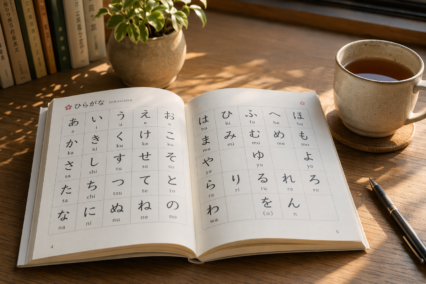
Hiragana characters are softer and have more curves. Katakana, on the other hand, looks much sharper and straight. The jobs they do are not the same either. The sections below show how both scripts look, explain their common use, and give side-by-side examples. This will help you tell hiragana characters and katakana characters apart when you read japanese writing.
Visual and Structural Distinctions
One of the quickest ways to tell these two scripts apart is by looking at their shapes. A katakana character is made up of more straight lines and sharp, angular corners. Japanese hiragana is different, with rounded and smooth writing.
Even though both of these show the same Japanese sounds, they look very different on the page. This look is handy as readers can find out fast what kind of word they are looking at.
Key things you can look for are:
-
Katakana often shows straight lines instead of soft curves
-
Hiragana looks more handwritten and smooth
-
The two scripts have the same set of basic sounds
-
Katakana seems much bolder and has a blocky, strong look
If you want to learn well, make sure you practise seeing the shapes as well as learning the sounds. If you only try to remember how they are said, the scripts can start to look the same. If you also study the shapes side by side, it gets a lot easier to read them.
Usage Scenarios: When to Use Katakana or Hiragana
Because both scripts use the same set of sounds, choosing one comes down to context. In japanese writing, the script you pick shows what type of word it is, not how it sounds.
Here is a simple guide:
-
Use hiragana characters for grammar endings and many native Japanese terms
-
Use a katakana character set for loan words and foreign names
-
Use hiragana when kanji is too hard, unknown, or when you want to avoid it
-
Use katakana for emphasis, onomatopoeia, and some special terms
This is why beginners should not just ask, “How does it sound?” You also need to ask, “What kind of word is it?” When you start sorting words by what they do, script choice in japanese writing makes more sense. It will not feel like you only need to memorise random rules about hiragana characters or the katakana character set for loan words and foreign names.
Examples Comparing Katakana and Hiragana Words
Seeing examples side by side helps more than reading a rule. Katakana words and hiragana characters can represent similar sounds, but they usually point to different word origins or uses. The japanese pronunciation stays consistent with the script’s sound values.
Here is a simple comparison:
|
Script Type |
Example |
Romanisation |
Typical Use |
|---|---|---|---|
|
Katakana |
アイスクリーム |
aisukuriimu |
Loan word, such as ice cream |
|
Katakana |
テレビ |
terebi |
Borrowed modern term |
|
Hiragana |
さようなら |
sayounara |
Native expression |
|
Hiragana |
きて |
kite |
Grammar-based native form |
Notice what changes here. The sound system stays Japanese, but the writing choice tells you whether the item is imported, native, or grammatical. That is a useful reading shortcut, and it becomes more obvious the more examples you collect.
Katakana Chart: The Complete List
A katakana chart shows you all the sounds of the japanese alphabet in one easy place. For australian learners, having a clear layout helps make basic katakana much less scary. You can also notice the repeating patterns in the letters and sounds.
The main katakana chart has 46 characters. They sit in the usual order, just like a dictionary. Once you learn this base, it will be easy to add the new sounds and mix-up forms later. In the next parts, you will see the full list, learn about the extra forms, and get tips about sounds that often surprise australians.
The 46 Basic Katakana Characters
The full katakana chart includes 46 basic characters. These japanese characters represent the same sounds as hiragana, so if you know one script, the sound values transfer directly. That makes japanese katakana easier than it first appears.
Here is the standard list in dictionary order:
|
Row |
Characters |
Pronunciations |
|---|---|---|
|
A |
ア イ ウ エ オ |
a, i, u, e, o |
|
K |
カ キ ク ケ コ |
ka, ki, ku, ke, ko |
|
S |
サ シ ス セ ソ |
sa, shi, su, se, so |
|
T |
タ チ ツ テ ト |
ta, chi, tsu, te, to |
|
N |
ナ ニ ヌ ネ ノ |
na, ni, nu, ne, no |
|
H |
ハ ヒ フ ヘ ホ |
ha, hi, fu, he, ho |
|
M |
マ ミ ム メ モ |
ma, mi, mu, me, mo |
|
Y |
ヤ ユ ヨ |
ya, yu, yo |
|
R |
ラ リ ル レ ロ |
ra, ri, ru, re, ro |
|
W/N |
ワ ヲ ン |
wa, o, n |
A printable katakana chart is useful because you can review these rows again and again. Focus first on the repeating vowel pattern. Once that clicks, the whole system becomes far easier to memorise.
Extended Katakana Sounds: Voiced, Semi-Voiced, and Contracted Forms
After you learn the 46 basics, katakana grows with small marks and mixes. One mark is the two-dot voicing sign. The other is a small circle. These marks change the first sound and make extra sets used in normal words.
For example, adding voicing turns ka into ga. It can also switch sa into za. The small circle swaps h-sounds into p-sounds. In Japanese, you see contracted forms with small versions of ヤ, ユ, and ヨ. This gives combined sounds like kya or kyo.
Long vowels are important, too, when using katakana words from overseas. A long sound is often shown with a long vowel mark. This means you don’t need to write another vowel. The writing system uses these ways to handle new sounds and borrowed forms. It makes things tidy and easy to read.
Pronunciations and Common Australian Missteps
For people learning in Australia, the hardest thing is not to remember the symbols. It is to get used to japanese pronunciation. Japanese sounds are more steady compared to English, and the vowel sounds do not move around much. If you read katakana words with an English accent, you might get the word wrong.
Watch out for these problems:
-
Making vowel sounds too long, like in English, instead of using the simple Japanese a, i, u, e, o way
-
Not holding a long sound for just a bit more time when you should
-
Saying borrowed words as if they still sound the same as English
One good example is the word ice cream in katakana. Even though the word comes from English, the japanese sounds follow Japanese rhythm and Japanese sound rules. Practise what is on the chart, not what you would normally say with your English habits.
Katakana in Everyday Life
Katakana words show up a lot in the japanese language. You can find them in food, technology, business, ads, and pop culture. This means you will notice katakana words pretty fast, even if you are just starting out.
For english speakers, this is good news. Many common borrowed terms are easy to see once you know this part of japanese writing. Japanese people use katakana all the time when they read, so learning it helps you go from workbooks to real japanese writing with more confidence.
Common English Loanwords Written in Katakana
One of the best things about learning katakana is spotting loan words you already know. A lot of these katakana words came from an english word or phrase, then changed a bit to match how japanese sounds. After you learn the katakana character set, you will find it much easier to work out what these words mean.
Some well-known examples are:
-
アイスクリーム for ice cream
-
テレビ for television
-
キャンプ for camp
-
メール for mail
These katakana words might not sound just like the original english word. Japanese rolls the word into its own pattern, using its rhythm, vowels, and the consonants it uses. So the words look close, but they are not the same. For people learning, this is a good way to get started: you will see words you know straight away, and you pick up how japanese puts its own stamp on imported words.
Katakana in Japanese Business, Technology, and Pop Culture
Katakana shows up a lot in fast-changing parts of the japanese language. You see it in business, in tech, and in things like movies or games. These areas often need new words, so they bring in a lot from other places. Because of this, katakana is easy to spot in everyday stuff.
You will often notice it with:
-
Company names and brand styling
-
Technical terms and scientific terms
-
Sound effects, pop culture titles, and product labels
But not every new word uses katakana, just a lot of them do. So, if you want to read company names, software menus, ads, or things in entertainment, this script is pretty important. One katakana character often tells you the word might be borrowed, a technical term, or made to catch your eye.
How Katakana Appears in Australian-Japanese Communication
For Australian learners, katakana is useful when you talk to people from other cultures. Japanese speakers usually write foreign names in katakana. So, names of Australians, their places, and some brands often use katakana instead of another script in Japanese writing.
This comes up in forms, class notes, and even during everyday talks. If someone has to write your name in Japanese, they will most likely use a katakana character set that gets close to the right Japanese pronunciation. This way, readers know how to say it out loud.
You might also see katakana when messaging or using digital tools. An email address is in Latin script, but names, labels, or details next to it might be in katakana or some other Japanese writing style. So, learning katakana is more than reading from a book. It helps you connect with Japanese speakers when you study, travel, or work.
Beginner’s Guide: Getting Started with Katakana
Starting with katakana doesn’t have to be hard. The best way for japanese learning is to use a simple katakana chart. Try to practise writing often and review what you learn each day. When you look at a katakana character, learn the shape, the way it sounds, and how to use it, all at the same time.
It’s also good to learn with a hiragana guide. Both scripts use the same sounds, so that helps a lot. If you get the right tools, you will see progress much quicker. The next part gives some handy guides for beginners, and it is helpful for anyone learning from Australia.
Essential Tools and Resources for Australian Learners
Australian learners do best when they have things that make review easy to do again and again. A katakana chart is a great tool to start with, as you can see all the main sounds in one spot. From here, you can start to get better at reading, writing, and typing, taking it one step at a time.
Useful starting tools include:
-
A printable katakana chart in pdf format for you to look at every day
-
Video lessons that show the sounds and how to write them in a clear way
-
A japanese keyboard setup so you can practise typing on your devices
These tools work well because, together, they help you learn in different ways. The chart helps you remember. Video lessons let you hear and see how to write each sound. Typing on a japanese keyboard lets you get used to using katakana online or on a computer. At first, you don’t need anything fancy. The most important thing is to use a few good tools, and use them often.
Recommended Apps, Workbooks, and Online Practice Sites
If you like to have more structure, apps and workbooks can help you with your japanese learning. The material put together here shows that printable worksheets, flashcards, quizzes, and guided lessons are good ways to keep going over the script without getting tired of it.
Try to find resources that have:
-
Workbooks with room to write each katakana character again and again
-
Online practice and practice sites that give reading and writing quizzes
-
Flashcards or apps for quick review and recall sessions
The best study plan uses both paper and online work. Writing things out helps you remember the shape and style, while working online lets you get faster and shows you answers straight away. Go for tools that help you learn the 46 basic katakana character forms first. After you get used to those, move on to sounds with little marks and other letter mixes. This way your basics will be strong.
Step-by-Step Guide to Learning Katakana
The best way to build your confidence with katakana is to follow a simple plan. At first, focus on recognising each katakana character. After that, start writing them and use memory tools to help you remember. The first step is important, because if you go too fast, you might mix up similar-looking shapes.
If you want steady japanese learning, try to see each katakana character as part of a bigger system, not as something that’s all alone. When you spot the pattern in basic katakana, learning feels less random. Here’s a practical order to follow that you can use right now.
Step 1: Familiarise Yourself with the Katakana Chart
Start by using a katakana chart every day. You don’t have to get it all at once. Learn how the rows are set up first, and see how the vowels show up over and over in the basic characters.
This setup helps you remember Japanese sounds better. After you know a, i, u, e, o, the rest of the katakana chart gets easier to make sense of. For example, the k-row and s-row keep that same order of vowels, but the signs change.
A printable katakana chart is handy because you can keep it with you when you study. Point out each one, say it out loud, and run your eyes down the row. Doing this simple thing every time will help you get used to the chart fast. Soon, it stops looking like a bunch of lines, and it starts to be a good sound map you can use.
Step 2: Practice Writing and Mastering Stroke Order
Once you can see what’s on the chart, start writing. In Japanese writing, how you form each shape matters. Using the right stroke order keeps katakana characters clear and neat. Your writing does not have to look perfect, but you do want it to stay the same each time.
Take on just a few symbols at once. Do them again and again. This helps your hand get used to the shapes and helps you remember them, too. Moving your hand like this is good for learning any writing system.
A simple routine is:
-
Watch how to draw the strokes before you copy a new katakana character
-
Write each symbol a few times in one straight line
-
Say the sound out loud as you write it
This mix of shape, movement, and sound helps tie everything together. It works well, especially if you are just starting. It also makes reading easier later on. You will begin to see how each katakana character is made, instead of looking at it like a plain picture.
Step 3: Memorisation Techniques – Mnemonics and Flashcards
Memorising gets a lot easier when you do not just rely on brute force. Using mnemonics and flashcards helps because they make every katakana character stand out. Each one feels like something you can really remember, not just a random shape.
The material points out how important mnemonic pictures and going over things again are when it comes to japanese learning. This works well. When you match a symbol to a picture, sound or even a funny idea, it makes it much easier to remember it.
Try these methods:
-
Create mnemonics that tie the symbol’s shape to how it sounds
-
Use flashcards to review for short times often
-
Test yourself by mixing up new and old characters
The idea is not to learn a katakana character once and forget about it. Go back to it again and again until you recognise it without thinking. Studying for a short time often is better than doing it all at once. That is good news if you only get a few minutes each day.
Step 4: Reading and Writing Katakana in Real-Life Contexts
After looking at charts and doing drills, switch to real life examples. This is when katakana starts to feel handy, not just a thing you learn at school. Look for katakana characters on menus, product labels, lesson pages, and borrowed words you already know.
Seeing katakana inside real japanese writing lets your brain join study with real meaning. You are not picking out single symbols now. You are part of the writing system when you see it in the real world.
This step builds confidence too. Simple things such as foreign food names or brand-like words can give you quick wins. The wins are important. They show katakana is more than a task for the classroom. It is a real reading skill you can use from the start.
Tips for Memorising Katakana Quickly
If you think memorising a katakana character is slow, don’t worry. Every learner needs to see it a few times before it sticks in the mind. The best way is to mix short reviews, try to remember them yourself, and get regular contact with real examples.
The good news is, katakana is a finite system. You’re not expected to learn thousands of symbols at once. With a few good habits, you can make progress fast. In the next two parts, we talk about practical ways to help you remember better and how to avoid errors that many beginners make.
Fun Activities and Games for Retention
Study is good when it keeps you interested. Fun activities help you remember things better because they make review easy and not boring. You still learn each katakana character, but it feels simpler.
Simple games let you go over things many times without feeling dull. This is handy when you need to review often for many weeks.
Try activities like:
-
Timed flashcard rounds where you quickly say each katakana character
-
Matching games with symbols and their sounds
-
Mini quizzes using chart rows or some mixed characters
These ways help because you have to remember the answer, not just spot it. That is important. If you only look at a chart, you might think you know it too early. Games make you come up with the answer, so your memory gets stronger.
Mistakes to Avoid as a Beginner
Many people new to japanese learning slow down their work by picking up habits that are not good for them, even if these seem to help at first. When you want to do well, the main difference between fast learning and a lot of frustration is in your way of study, not your skill. Just a few small mistakes can lead to a lot of confusion.
Watch out for these common problems:
-
Sticking with romaji for too long instead of moving on and reading the real katakana character
-
Not giving much attention to japanese pronunciation and just guessing from English words
-
Mixing up katakana and hiragana and not really seeing how their shapes be different
Don’t try to learn all 46 symbols at one time. It is good to learn katakana in small groups and go back to review them often. This gives your memory time to understand each part. If you keep your practice clear and don’t rush, you will see that katakana is much easier to get than many people think at first.
Conclusion
To sum it up, learning the Katakana alphabet gives you the key to better understand and talk in Japanese. This script has a big role in daily life and helps you see how English and Japanese are linked. If you use the tips and tools from this guide, it will be easier for you, as an Australian learner, to get past the usual challenges. Make sure you enjoy the journey and keep at it. After some time, you will see that you can use Katakana when talking with people and in reading or writing. Are you ready to take the first step? Start today with our top resources and see your skills grow!
Frequently Asked Questions
How do I type katakana characters on my computer or phone?
Set up a Japanese keyboard on your computer or phone. After that, type the sound using Roman letters. The input system will turn it into the Japanese writing system. Next, you can choose the right katakana character. This is the easiest way to use for typing when your keyboard is on.
What are some useful resources to practise katakana?
A printable katakana chart is a good start because it shows every sound together in one spot. To help with japanese learning, you can use online practice, flashcards, quizzes, worksheets, and video lessons. If you use paper to review and try drills online, it often works best.
Why is katakana mainly used for foreign words?
Katakana is used in the japanese language for foreign words because its way of writing suits loan words and fits japanese sounds well. The short, sharp look of a katakana character lets people pick out these words fast. After a while, this turned into the usual way that the japanese language writes loan words.
Are there any quick tricks for remembering katakana symbols?
Yes. Mnemonics work well because they help you connect each katakana character to a picture or something you can remember. When you use flashcards with this, and you go over them each day, you will remember more. For japanese learning, it is better to have short and often study times, rather than long study times that happen now and then.