Key Highlights
-
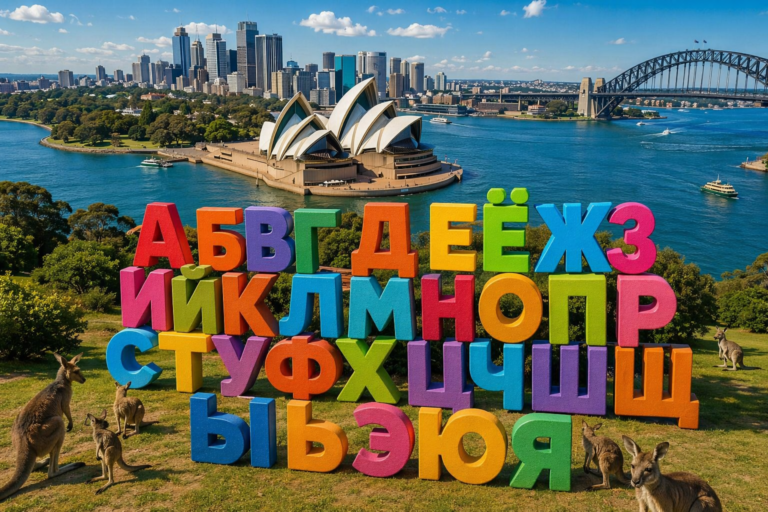
The cyrillic alphabet is used for the russian language. It has 33 letters and is written with the cyrillic script.
-
You will find out how the cyrillic alphabet links to old church slavonic, as well as cyril and methodius.
-
This guide gives clear information on russian letters, pronunciation, vowels, consonants, and the different sounds you need to know.
-
You will notice how the printed and cursive forms of russian letters change when people write them every day.
-
There are handy tools like an app, a dictionary, ways to practise audio, and keyboard layout options to help you get started.
-
People learning in Australia can follow easy steps to use the russian alphabet as their first step into the russian language.
Introduction
If you want to start learning the russian language, getting to know the russian alphabet is the first step. The russian language does not use the same letters as French or German. Instead, it uses the cyrillic script, so the letters might look new to you. But you can get used to them quicker than you think. When you have the basic shapes and sounds, it will be much easier to read. This guide gives everyone in Australia a simple way to work through the alphabet, learn cyrillic, check your pronunciation, and spot some writing patterns. With this, you can start with a bit more confidence.
Origins and History of the Russian Alphabet
The cyrillic alphabet goes way back in history. It starts with cyril and methodius. These two are known for their work with early Slavic writing. There is a strong link to the glagolitic script as well as old church slavonic, which shows up in many church slavonic books.
As time went on, russian made its own alphabet from the bigger cyrillic system. Many people say the cyrillic alphabet and the russian alphabet are the same, but that is not the case. Russian is just one part of this larger writing group. Next, let’s see what comes from this connection in the real world.
The Connection Between Russian and the Cyrillic Script
A lot of people wonder if the cyrillic script and the russian language use the same system. The answer is both yes and no. Russian uses a kind of cyrillic alphabet, but cyrillic script is also used by other languages.
In the past, this comes from cyril and methodius. It is also linked to early Slavic religious writing, like old church slavonic and church slavonic. This history shows why russian is part of a bigger group of scripts and does not stand alone.
For anyone learning, this is the main thing you need to know. The russian alphabet now has 33 letters. Each letter has a sound that you can get to know one by one. There are vowels, consonants, and two special signs that can change pronunciation. When you see how this works, the cyrillic script seems much easier to handle.
Evolution of Russian Letters Through the Ages
The russian alphabet did not stay the same. Like many writing systems, it changed over time as old russian writing styles became more common and easy to use. Because of that, you might see that old russian texts can look very different from what people see as russian now.
The story of the alphabet goes together with the old glagolitic alphabet and the start of the cyrillic alphabet. When people started to settle the written grammar, the alphabet began to move closer to the cyrillic system people know today. This helped make reading and writing much more clear for all.
It is good to know that reform also had a big impact on the script. All the details are linked to peter, showing that russian letters went through many steps to get to where they are now, rather than just staying the same. For anyone learning, the modern alphabet you have today is the result of change and making things more simple, not just a random mix of signs.
Russian Alphabet Letters and Pronunciation
The modern russian language has 33 russian letters. There are 10 vowels, 21 consonants, and 2 signs that do not have their own sound. This shows you that pronunciation is about more than just russian letters matching up with sounds.
Some russian letters look like the letters in the latin alphabet, but others make very different sounds. Some are easy to spot at first, but a few need you to listen well and practice again and again. When you get which ones are vowels, which are consonants, and which are just signs, the whole alphabet will get easier to use in your mind. Let’s take a better look at how russian and english line up and what makes them different.
Common Russian Letters Compared to English
When you first look at the russian alphabet, you might see some letters that feel friendly. If you know English, the cyrillic alphabet can seem easy at first. There are letters in cyrillic that look much like english ones, and they often make the same sounds. This can give you a boost when you try to read in russian at the start.
Let’s look at some of the easy ones:
-
А says the a like you hear in far or scar.
-
К says the k like you get in kettle.
-
М, О, and Т make english sounds you know from lots of words.
But russian and english do not match up all the way. The letters might look close, but they can have different sounds in the cyrillic alphabet. This is where new learners can have a hard time. You see, in cyrillic, В says v, Н says n, Р is a rolled r, С says s, and У says the oo you hear in look, or spooky. If you pick the sound just by looking at the letter shapes, you will get the pronunciation wrong for some letters.
When you read or say words with cyrillic, be sure to check all the different sounds, not just how the letters look.
Unique Russian Letters Not Found in English
Yes, the cyrillic alphabet has russian letters that you won’t find in english. Some show sounds that we say, but we don’t use a single letter for them in english. Some act as signs that can change the way other letters sound.
You will often see these examples:
-
Ж makes a zh sound, like the s in pleasure.
-
Ш makes a sh sound.
-
Щ is close to sh as well, but you say it a different way in the mouth.
There is also the soft sign and hard sign. Both of them don’t make a sound by themselves, but they are still important. The hard sign makes a pause between syllables, but you won’t see it often. The soft sign can change the sound of the letter before it, making the preceding consonant sound softer, a thing called palatalization. Russian has the letter Ы too. For people who speak english, it’s a silent back vowel sound with no clear match in their own alphabet.
These show how the cyrillic alphabet, through russian letters like the soft sign and hard sign, can work so differently to english. It’s all part of what makes russian use of the alphabet interesting when you look at sh, zh, and the way syllables change.
Printed vs. Cursive Russian Letters
Reading russian letters from a book is one thing. Seeing them in cursive is something else. In the russian language, print and handwriting can look different. This can surprise a lot of newcomers.
The good thing is that the capital and lower-case letters in print are often similar. So, the russian alphabet is not as wild to look at as you might think at first. When it comes to cursive, you will see more changes, especially when letters are joined together. If you want to read notes, forms, or small messages, it helps to know both styles. This will stop you from getting confused. The next parts will show you how these differences work in real ways.
Differences Between Print and Cursive Styles
The main thing that sets printed and cursive russian writing apart is how they look. In printed writing, each of the letters stands out on its own. It’s clear, so the alphabet is easier for people just getting started. Cursive looks and feels different because letters can change shape. They also join up, so you might find that the same word can look new in cursive.
Here is a quick rundown:
-
Printed russian letters are simpler to spot when you look at charts for the cyrillic alphabet.
-
Cursive letters connect in smooth lines.
-
With handwriting, some cyrillic letters look strange, even if you already know the printed alphabet.
This is important. Many people who start to learn russian feel they know the cyrillic alphabet well, but then find it tough to read writing by hand. Practising with printed text helps you see and know all the different letters first. When you read cursive, you also watch how the pen moves across the page, not just the lines in each letter. If you spend time on both styles early on, you get better at reading all types of russian writing. In the end, handwritten notes won’t seem tricky for you at all.
How to Write Russian Letters by Hand
If you want to write russian letters by hand, you should start with printed letters before you try cursive. This way, your handwriting will be clear and you will remember the alphabet without feeling stressed. When the shapes seem normal to you, you can start to join the letters together.
The best way is simple:
-
Write a line of printed russian letters.
-
Say each sound out loud when you write it.
-
Then write the same letters in basic cursive for practice.
A lot of people like to write their own name in russian. Here are some russian examples: Анна for Anna, Том for Tom, Джон for John, Иван for Ivan, and Наташа for Natasha. This makes handwriting a job you can enjoy. Make your strokes neat, go slow, and keep them the same instead of writing fast. Your handwriting will get better with practice, not by guessing.
Use this way if you want to get good at the russian alphabet.
Learning the Russian Alphabet – Practical Tools
Learning the russian alphabet does not have to be hard. You can start with a simple way. First, get to know the letter names. Link each one to its sound. Try to read small bits every day. This is the first step to take before you go into grammar and bigger words.
It can help to use an app, have a dictionary handy, and spend some time writing. Audio will help you with pronunciation. Charts show you the whole alphabet, which makes it easier to see how each part fits in. A virtual keyboard can be useful for your routine too. Up next, you will find a small table and a few tools that are good for any learner. These things can help you make progress with the russian alphabet.
Russian Alphabet Table With English Equivalents
A full russian alphabet chart can be long, so this table gives you a practical sample of russian letters with english equivalents. It is a useful way to start reading without trying to memorise the whole alphabet in one sitting.
|
Russian letter |
English equivalent or guide |
|---|---|
|
А а |
a as in far |
|
Б б |
b as in boom |
|
В в |
v as in vase |
|
Е е |
ye as in yell |
|
Н н |
n as in nose |
|
Р р |
rolled r |
|
С с |
s as in see |
|
У у |
oo as in look |
|
Ш ш |
sh |
|
Ж ж |
zh as in pleasure |
Use a table like this as a reference, not as your only method. The russian alphabet makes more sense when you read, listen, and write at the same time. Once these common letters feel familiar, expanding toward the whole alphabet becomes much less stressful.
Australian-Friendly Apps and Resources for Learning
If you are learning russian in Australia, you don’t need to make it hard to get started. The gathered info shows simple tools that help, like audio practice, a russian app, a virtual keyboard, and easy lessons with native speakers. The best way is the one you will use all the time.
Helpful options include:
-
an app with audio so you can practise each letter
-
a dictionary for checking how russian words sound and look
-
a virtual russian keyboard for spelling and typing practice
You can also get started by doing easy things for yourself. Try writing your name in russian or reading short words from a chart. If you want more help, russian lessons with a native teacher are also mentioned in the gathered info. Keep your learning short and do it often. That helps you make steady progress and is easier to keep up.
Typing and Listening to Russian Letters
Reading and writing is just one part of the job. You need to type russian letters too, and be able to hear their pronunciation well. That’s why a good keyboard layout and a bit of audio practice can be really helpful in your everyday russian study.
When you learn how to switch your device to russian, you can search for words, write names, and get better at spelling with time. Listening is also important, because some russian letters have different sounds to what you might guess from the way they look. If you use the right app or audio, you can link the russian letters you see with the sounds you hear.
Typing the Russian Alphabet on Computers and Devices
If you want to type the Russian alphabet on your computer, phone, or tablet, the most important step is to use a Russian keyboard layout. Once you turn this on, you can get Russian letters straight away instead of having to guess or copy text from somewhere else.
A good setup for this has:
-
adding a Russian keyboard layout in your device’s settings
-
using a virtual keyboard for some quick practice
-
mixing typing with an app that helps you know the letters
Typing can be very handy, especially when you are learning names or simple words. The gathered material even says to try typing your own name in Russian to practise. This adds something fun to using the keyboard. Start with some easy, common letters, then type short words again and again. When you do this often, you get more sure of yourself, and the keyboard layout feels normal. Soon, it becomes part of how you study Russian.
Where to Hear Authentic Russian Alphabet Pronunciation
If you want to hear real russian pronunciation, you should use resources where you can listen to the alphabet and repeat each sound. The audio is important because some letters may look the same in english but actually sound very different. That’s why your ears need to get used to the sounds, not just your eyes.
Good ways to listen could be:
-
an app that lets you practise saying each letter
-
audio lessons you can follow
-
talking with qualified native speakers
Using these options, you can hear the vowels, consonants, and different signs as they are used, instead of just thinking of them as symbols. Having a native speaker is great because some sounds are hard—like the rolled Р, the zh in Ж, the sh in Ш, and the softer sound with Ь. If you listen to russian a lot and say it out loud, your pronunciation can get more natural. It usually works best to have short, regular sessions instead of trying to do everything at once.
Conclusion
To sum up, learning the Russian alphabet is a great way to open new doors. It helps you talk with more people, see the culture in a new light, and know more about their world. When you look into where the alphabet comes from and what makes it special, you will get to enjoy its interesting points. It is good to also know about the bits that separate its printed and cursive writing. This will help you use the language in many ways. The right tools and resources for people in Australia can make learning a lot easier and much more fun.
So, if you want to start learning Russian, this is a good time to jump in. You can pick one of our top apps or tools and begin. This can be your step toward a good run with the Russian alphabet and help you get a better handle on the language. There is a lot for you out there—so why not go for it now?
Frequently Asked Questions
What tips can help me remember Russian alphabet letters?
Use an easy way to start with the russian alphabet. Learn a few letters at a time. Say the sound out loud so you know it. Write each letter by hand. You can use an app with sounds to help you get it right. It helps if you group letters that look alike. Try using your name or short words for practice. Do this every day to get better at it.
How do Russian alphabet sounds compare to English ones?
Some russian letters have sounds that are close to english, but many of them don’t. In russian, the pronunciation of vowels and consonants can use different sounds to what you know in english. There are also some letters that look like english letters, but they sound very different. This is why it is good to listen to the way russian words are said, not just to remember the shapes of the letters.
Is the Russian alphabet difficult for Australians to learn?
For people learning in Australia, the russian alphabet might look hard at first. This is because it is not the latin alphabet. But it can be a good first step to learn. If you keep learning and use simple charts, listen to audio, and try some writing practice, you can start to read cyrillic quite fast.