Key Highlights
-
The runic alphabet was an old writing system that Germanic tribes used in Northern Europe.
-
The best-known kinds were Elder Futhark, Younger Futhark, and Anglo-Saxon Futhorc.
-
People made the earliest runic inscriptions by around 150 C.E., and the Vimose Comb shows one of the first examples.
-
In the Viking Age, Younger Futhark was the main runic writing system found in Scandinavia.
-
Runic inscriptions were found on stones, wooden sticks, different artefacts, grave markers, and everyday objects.
-
These days, people in Australia often learn about runes from charts, posters, classroom tools, and things they use to study online.
Introduction
The runic alphabet is a type of ancient writing system that comes from Germanic tribes in Northern Europe, Britain, and Scandinavia. You might see sharp, carved symbols on stone or wood. These are called runes. They were not just strange marks. People used them as real letters to write names, messages, and memorials. If you are in Australia and learning about these, runes can help you see how people used a writing system long ago. It is a good way to look into the language, history, and ways of life from a world that set the path for many things we have now.
Understanding the Runic Alphabet
The runic alphabet is a runic script that was used by early Germanic cultures. Over time, it took on different forms depending on when and where people used it. Each version of the runic writing changed to fit how the people spoke. Because of that, the runic alphabet is both helpful as a way to write and as a way to look back at their history.
The origins of the runic alphabet are still not fully known. Experts say it started somewhere in Europe and made its way through Germanic groups. Still, no one knows for sure where and how it began. That bit of mystery is what makes runes and runic writing so interesting to people now.
Origins and Historical Background
Most experts think the origins of the runic alphabet come from the world of Germanic tribes during the Iron Age. The earliest runic inscriptions we know are from about 150 C.E. But the way the letters look on these early finds shows that the system was already in use for some time before that.
One of the best-known things from these early times is the Vimose Comb, found in Denmark. The comb shows the word harja, which many believe means “comb”. The carving looks clear and not like an experiment, so a lot of scholars say that runes must have been well-known by then.
The earliest story of runic writing is linked to places in Northern Europe, like northern Germany and areas close by. Some people also connect the first spread of runic writing to the Goths, who were a Germanic group living in land north of the Black Sea.
The Spread of Runes Across Cultures
Runic writing did not stay in one small place. It spread out across the Germanic world and showed up in a large part of Northern Europe. You can see proof from archaeologists that people used this writing system from the Balkans all the way to Iceland. This tells you just how far runic writing went.
Some stories say it got moving with people around the Black Sea, especially the Goths. If that’s true, runes could have spread through contact from Eastern Europe into Central Europe, and then even further north and west.
As runic writing moved around, the way people spoke in different places started to change the shapes of the letters. This is why there was not just one writing system for runes. Some groups made their own systems, like the Elder Futhark, Younger Futhark, and Anglo-Saxon Futhorc. Each of these worked better for their own place and time.
Primary Functions of Runes in Ancient Societies
Runic inscriptions were used in everyday life a long time ago, before people started to think of runes as special or mysterious symbols. At that time, the writing system was like any other one. People would use runic inscriptions to carve names, short messages, or simple labels on things they had or wanted to trade.
The earliest runic inscriptions show how runes helped people in daily life. Some were ownership marks, so you could tell who owned something. Others would say the name of who made the thing, or even what the object was. You might find a runic inscription on a comb, a weapon, a tool, or another item to show who it belonged to.
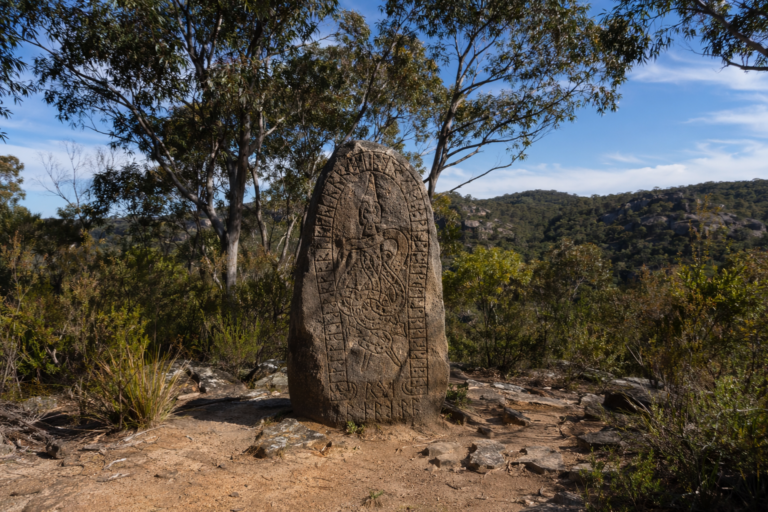
You would also see runes on grave markers, tombs, and big stones in public. In those places, the words might be more formal or about someone’s feelings. Still, the same writing system was used on everyday objects too. That tells you runes were a normal part of life, not just for big events or ritual.
The Development of the Runic Alphabet Over Time
The runic alphabet did not show up all at once. It grew slowly as the old Germanic languages changed. As people spoke in new ways, the shapes of the runes changed, too. Some places needed new signs for new sounds. Other areas had fewer letters because of the way people talked or liked to carve.
All this change kept on for many years, from early times up to the medieval period. Later on, some ways of using runes started to fade out, mainly because the latin alphabet spread with Christianity. But in Scandinavia, runes kept being used much longer. The next parts will talk about how and why this happened.
Theories on the Birth of the Runes
There is still no clear answer to where the origins of the runic alphabet came from. Experts have seen that early runic inscriptions show the signs of contact with writing from areas closer to the Mediterranean Sea. This has made many people think the runes got their ideas from scripts that were already being used in the south.
Two common ideas come up. One links the shape of the runes to the Roman script and the latin alphabet. The other looks to older things like Etruscan or Greek writing. From what we know now, the experts can’t say for sure which way is the most likely to have made the first rune shapes.
It looks most likely that contact, travel, and exchange between people helped the system get going. The runic alphabet did not just show up suddenly. Germanic speakers may have seen other forms of letters and changed them in a way that fitted their own language and the way they liked to carve runes out.
Evolution Through the Ages
Runic writing changed as the Germanic people changed, too. When they moved into new places and their way of speaking shifted, older rune sets didn’t match every new sound. Some groups added more letters to their alphabets, while others made them shorter.
The way runes were used changed over time, making a long runic tradition instead of just one way of writing. The Elder Futhark was the first big set of runes. Later, in the beginning of the Viking Age, Anglo-Saxon Futhorc brought in extra letters, while in Scandinavia, people moved to the smaller Younger Futhark.
Even in the Middle Ages and the medieval period, runes did not completely go away. People in Scandinavia kept using them well after the Viking Age began. It was only much later, after the church and Christian belief had more power, that Latin letters took over and became the way most people wrote things down.
Influence of Geographical Regions
Place was very important in the history of runes. In Northern Europe, different groups changed the script to fit their own speech, what was around them, and the way they liked to write. That is why the runic alphabet has more than one form and not just one for everyone.
Trade or travel through Eastern Europe and Central Europe could have helped spread runes early on. From there, the script shows up all over Scandinavia and then farther to the west. People digging up old sites found runes in the British Isles, and later in places like Iceland.
Where you lived made a mark on how you used runes. In the British Isles, they made the Anglo-Saxon Futhorc, but in Scandinavia in the Viking Age, people used the Younger Futhark. These changes came from geography, the way people spoke, and the history of their home, all mixing together over many years.
Key Types of Runic Alphabets
When people talk about runic alphabets, they often mean three main kinds. These are Elder Futhark, Younger Futhark, and Anglo-Saxon Futhorc. The three are linked, but each one is a bit different. They show changes in language and place over time.
If you want to get started with runes, it is good to think of them as their own alphabets, but with shared roots. Elder Futhark is the oldest one. Younger Futhark comes from the Viking Age. Anglo-Saxon Futhorc was used in Old English history.
Elder Futhark – The Oldest Runic System
Elder Futhark is the oldest runic system that lots of people know about. People used it from around 160 C.E. to 700 C.E. It has a strong link to the Iron Age. For many, this is the best place to start when learning, because it has the earliest big set of runic letters.
The name comes from the first six signs in the set. You will find elder futhark in early runic inscriptions across parts of Europe and Scandinavia. These signs show us that this writing system was well put together. So, there is a good chance people used it earlier, but we just do not have those old signs now.
Many people like to see elder futhark in clear charts, as its set-up is very tidy and easy to remember. It is also a top pick for those who study runic letters and want to know about the oldest type we have proof of. But, elder futhark is from a certain time and does not fit into every Norse world or context.
Anglo-Saxon Futhorc – Expansion and Adaptation
The Anglo:
The Anglo:
Ang:
Ang:
“Saxon Futhorc””:
Anglo-Saxon Futhorc was developed
found developed developed developed
The Anglo:
It has:
.
Younger Futhark – Viking Age Innovation
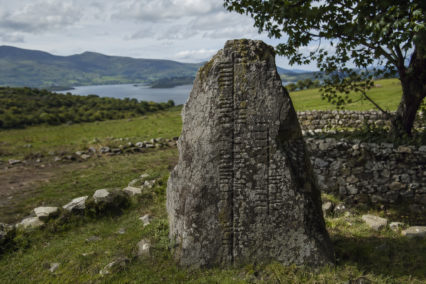
Younger Futhark is the runic writing system that is most linked to the Viking Age. People in Scandinavia used it from around 700 to 1200 C.E., and after that, it kept going for a bit in the medieval period. When you see a normal Viking runestone, this is the alphabet you think of.
Many new learners are surprised to see that Younger Futhark has fewer signs than Elder Futhark. This change did not stop people from writing. They used context, local knowledge, and the way sounds fit into the runic writing system to help clear things up.
This version became big in Scandinavia right when the Viking Age grew with travel, trade, and settling new places. Because of this, Younger Futhark is key to seeing how Vikings talked to each other, made memorial stones, and kept runes going in the north for a long time.
Other Regional Runic Variations
Besides the big three styles, there were other runic ways used around the region. These came about because people spoke different. They used runes for a long time. So, the runic way was never the same for all people at every single time. It kept changing.
Some types came out when old runes were changed, not made new. Others showed simple ways people cut signs or spoke words. In and after the Viking Age, folks in different places kept making runic writing fit what they needed. They made changes to runic symbols for their own spot.
-
Medieval Futhork is a later Scandinavian set of runes from the 13th century.
-
Some local ways mixed runic writing with Christian signs and pictures.
-
Changes could be in the shape, use, or meaning of some signs.
-
Regional forms show that runic writing and runic symbols lasted for a long time after the Viking Age.
Comparing Major Runic Alphabets
The main runic alphabets are alike, but they are not the same. They change in size, why they were used, and when in history they were used. Elder Futhark is from the earliest group. Younger Futhark was used in Viking Age Scandinavia. Anglo-Saxon Futhorc was used for Old English in the British Isles.
These changes matter if you want things to be right. One chart may fit one alphabet, but it will not fit another. To work out how they change, the best way is to look at structure, how many letters they have, and where people used them.
Differences in Letter Count and Structure
One of the clearest differences between runic alphabets is letter count. Elder Futhark is larger than Younger Futhark, while Anglo-Saxon Futhorc expands to meet the needs of Old English. This can feel backwards at first, but it reflects language change rather than simple progress.
Structure also matters. All three use angular signs made for carving, often with vertical lines and diagonal strokes. Yet each alphabet organises sound in a slightly different way. That means the same spoken idea may be written differently depending on the system chosen.
|
Runic alphabet |
General structure and use |
|---|---|
|
Elder Futhark |
Oldest major form; 24 runic letters; used from at least 160–700 C.E. |
|
Younger Futhark |
Reduced set; linked to the Viking Age; used about 700–1200 C.E. |
|
Anglo-Saxon Futhorc |
Expanded form for Old English; used from about the 5th century to 1000 C.E. |
Unique Features of Each Alphabet
Each of the big runic alphabets has its own style. Even though some signs might look the same, the letter shapes and the sounds they stand for can change. So, you can’t just swap one runic script for another.
Elder Futhark is often the first choice for people starting out. It has an early and simple feel to it. Younger Futhark is different because it can do more even though it uses fewer signs. Anglo-Saxon Futhorc is known for adding new things and fitting old english words in. These runic letters give us a look at how writing changes because of what people need.
-
Elder Futhark keeps the oldest big pattern of runic letters.
-
Younger Futhark is linked with the viking age in Scandinavia.
-
Anglo-Saxon Futhorc grows the set to cover old english sounds.
-
In all runic alphabets, each letter shape is easy to carve on wood or stone.
Why Did Runic Alphabets Change Over Time?
Runic alphabets changed over time because the way people spoke changed too. The runic script had to match the sounds people made. If it didn’t fit, it wouldn’t work in day-to-day life. When how people said words changed, the old signs didn’t fit as well.
The runic tradition moved from place to place. Each group used their own materials, wrote for their own reasons, and copied different habits. This led to slow changes instead of big ones all at once. Some alphabets got extra letters. Others lost some.
Culture played a big part too. As Christianity spread, the latin alphabet got stronger around Europe. In some places, this pushed runic writing out. But in Scandinavia, the older runic script stayed useful much longer. This let the runic tradition keep growing and changing for many years.
The Structure of the Elder Futhark
If you are starting with one runic alphabet, Elder Futhark is a good option. Many people learn about it, and you will find that most charts focus on it. This is because it’s the first big group of runic letters that we can see clearly in old inscriptions.
Learning how it works makes runes easier to understand. You stop seeing them as random signs. You start to see the order, the sounds, and patterns in the runic letters. In the next few parts, you will learn how the letters are laid out, what they sound like, and what tools can help you study them.
Order and Number of Characters
Elder Futhark has 24 letters. The name comes from the first six letters, much like how the word alphabet comes from early Greek names. This way of naming reminds us that the runes are in order. They’re not just a random set of marks.
If you want to learn, the order of letters really helps. It lets you remember the system bit by bit. When you know the order, charts and practice are easier to use. It also makes it easy to see how Elder Futhark and younger futhark compare.
The setup matters not just for history, but for how handy it is. These signs were made for carving. Most of them use straight lines, not big bends or cross bars. This gives the runic alphabet a sharp look that stands out. It also helps you spot the letters on things that are carved.
Sound Values and Pronunciation
Each of the runic letters in elder futhark stood for its own sound. This means elder futhark inscriptions were not just there for looks. They are a group of signs that work with sound, much like other writing systems, even if the sounds might not be just like the ones you get in modern english.
The way these runic letters sound can be hard for people starting out. The reason is the rune sounds come from much older germanic languages, not from how people talk now. You will notice that the names of most runic letters start with the same sound the letter gives. This trick can help you know what sound to say. Still, you should not use old runic letters as if they are a one-to-one copy for today’s english words.
It is best to think of how these runes sound as guesses from history. Use simple charts, easy examples, and some simple match-ups so you do not just guess by their shapes. This way, you will see why the same runic letter can feel less clear than the roman letters we use now.
Visual Representations and Chart Examples
Many people get to know the runic symbols best when they use pictures to help them. A clear poster or chart helps you link each sign to its name and sound. The runic symbols use a lot of straight and tight lines, so it really helps when the chart has a strong and simple style.
Pictures can show what the runes looked like when they were cut, not just when they were typed. This is important because many elder futhark signs used vertical lines and slanting cuts to fit with the wood and stone people used. So, a good chart should show you the symbol and the sound or modern letter that goes with it.
-
A classroom-style poster will put the full Elder Futhark row down in the right order.
-
A study chart can show you the runic symbols beside the matching modern letters.
-
Simple pictures of carved words help you see how the runes appeared on real things.
The Meanings Behind Individual Runes
Many people want to know what the runes mean, not just how they sound. That is easy to understand, because each rune has a name with its own symbols. Over time, these ideas became a way for people to see and know the runic alphabet.
But, it is good to split the writing uses from what people thought later on. Some meanings come from old names and books, but some come from how people see runes today. So, the next few parts will talk about old symbols, how people see runes now, and what these links are with Norse stories.
Traditional Symbolisms
Traditional meanings often grew from the names of the runes. The letters each had a name and a sound, so people could link them to things, ideas, or natural forces. This does not mean every runic bit of writing was always about symbols, but these links were the wider way people used them.
Old Norse texts like the Poetic Edda made runes feel even more special. In these stories, runes show up not just as letters but as ways to store special knowledge. They were also symbols for safety, power, or hidden skills. This background helped people later look at runes for their symbols, not just what they say.
-
Names of the runes may call to mind things, forces, or day-to-day life.
-
In some older practices, people tied some runes to help with health, safety, or even winning.
-
In the Poetic Edda, runes also be shown as holders of special knowledge.
-
Symbolic meanings grew as runes got used by people, but text itself was still important.
Modern Interpretations
In the modern world, the meaning of runes is often shaped by pop culture as well as history. Movies, fantasy stories, and video games use signs that look like runes to show mystery, old age, or power. This can create interest in runes, but it can also make it hard to tell what is real from what is made up.
Since the 17th century, people have kept runes around because of a love for magic and the unknown. Writers and artists helped to keep runes alive, and some made up their own ways to read or use them. These modern ways are now part of rune history, but they are not always the same as how runes were first used.
-
Fantasy stories often show runes as magic codes and not simple writing.
-
Video games and novels use runes to add mood and help create the world.
-
New ideas can be interesting, but people should not forget about the true old meaning.
Notable Associations With Norse Mythology
Norse mythology has a big part in how people think of runic symbols today. One well-known story is about Odin and how he got the knowledge of the runes. He went through pain on Yggdrasil, the World-Tree, to learn about them. The story tells us that runes were shown to people, not just made by them.
Because of this story, runic symbols seem to hold hidden meaning and wisdom. Over time, people started to see these symbols as linking to divine knowledge, fate, healing, and power. These ideas changed the way Scandinavians looked at runes through the years.
But it is good to remember that myths and everyday life were both part of history. A person could think runes were full of power and still use them to write a name, show who owned something, or leave a short note. So, both sides matter when we look back at runes and their place in life.
Everyday and Ritual Uses of Runes
The use of runes was wide and practical. People saw runic inscriptions on tools, on big old stones, on trade items, and on things used at home. They used runes for clear messages, for keeping moments in mind, to show ownership, and often for everyone to see. Having the use of runes around was just a normal part of the day. It was not just for those rare ceremonies.
But at the same time, some runes were part of ritual, magic, and protection. That mix of day-to-day and special meanings made this way of writing stand out. The next lot of examples will show where we find runes—on everyday things, in magical use, and also in legal and personal matters.
Rune Inscriptions on Artefacts
Archaeologists have found runic inscriptions on many things. These are on items people used, made, and carved in daily life. This shows runes were not just for big stones or for rich or important people.
The Vimose Comb is one of the first and most well-known examples. Its runic writing helps show the early start of runic history. Some other things found include wooden sticks and items with names, little messages, or special marks on them. These objects show the script was for real people in daily life.
-
The Vimose Comb from Denmark is an early and important example of runic writing.
-
Wooden sticks might have had short notes or simple messages.
-
Artefacts can have names, marks from makers, or plain tags.
[runic inscriptions], [runic writing], [vimose comb], [wooden sticks]
Runes in Magic and Divination
Runes were also tied to magic and ways people tried to see the future. Old stories say that some Germanic groups used runic symbols to try to change things, read signs, or keep people and things safe. This idea was strongest in Scandinavia.
Stories and poems help explain this even more. In the Poetic Edda, it says that runes were used for healing, helping with childbirth, keeping safe at sea, and winning in battle. This doesn’t mean that every piece of runic writing was for magic. But it does show that at some times, runic symbols could hold a special power for people.
-
Swords might have victory runes carved on them.
-
Some old ways used runes in charms, prayers, curses, or for safety.
-
It was believed that rune masters used to show their signs in powerful or holy ways.
Legal, Commemorative, and Personal Uses
Runic writing was used for many public reasons too. People wrote down laws, statements about war, and messages from leaders with this script. This shows that the runic writing was trusted for serious things, not just in private or magical times.
People also used runic writing to remember others. Many grave markers and tombs had the name of the dead person on them. Often, they also wrote the name of the person who put up the stone. Sometimes the writing included words to help the dead or keep their memory alive. This became a big part of the runic tradition.
-
Ownership marks showed who people were and what things belonged to them.
-
Grave markers kept names and family memories going.
-
Personal messages were things like letters, notes for mates, and even when someone wanted to get married.
The Runic Alphabet in the Viking Age
During the Viking Age, people kept using and seeing the runic alphabet, mostly in Scandinavia. The main set was called Younger Futhark. You would find its signs carved on stones and things. People used them for messages about travel, trade, or remembering someone. This was a practical way to write in daily life.
This is important because many think Vikings only passed down their stories by talking. But the runic inscriptions tell us there was a written part to Viking society. The next parts will talk about how they shared news, moved around, and the big mark that writing with runes left in the Viking Age.
Written Language and Communication
Runic writing gave people in the Viking Age a way to write that worked well for carving and local speech. It let them write names, leave short messages, and mark things. Because of this, the runic script was used for direct talk from one person to another, not just as a fancy design.
The word rune is tied to ideas about secrets and secret conversation. This may be why runes later looked so mysterious to people. But in daily life, many of these writings were clear and to the point. A short line could just be a note, a label, or something for everyone to read.
Because of this, the Viking world does not feel so far from us. You get to see more than big stories or sagas. You see proof that people used runic writing for talking to each other, for marking what was theirs, and for using carved signs to say something in their everyday life.
Runes in Viking Exploration and Trade
Viking exploration helped people, goods, and ideas to spread over a wide area. Runic inscriptions moved along with these travels. The runes could be used to mark what people owned, show what goods were for trading, or leave personal messages in places reached during trips and swaps. This makes the runic inscriptions good proof of Viking activity.
Trade use tells us even more. There are records of runes being used on food tags, on goods, and on supply orders. Most would not expect runes to be used this way, but it is important. It shows that writing was part of the every day, helping with travel and trade across long distances.
We also still have personal messages from Vikings in runic inscriptions. There are traces of letters to mates, love notes, and proposals. When you add these to runic records of exploration and trade, you start to see much more of Viking life. The runes show they were moving around, connected with others, and used more written words than many would think.
Enduring Cultural Significance
The runic tradition known as Younger Futhark from the Viking Age did not end all at once. People in Scandinavia kept using runes for many years. The signs could even be seen next to Christian art. This long use helped keep the script in the memory of the area and shaped how people thought about their history.
After some time, the modern Latin alphabet and latin letters took over. Still, the viking age younger futhark and runic tradition had a big effect on how people lived. People could see the shapes of runes and hear their stories in books, studies, schools, and even in new design. The script might not be used for everyday writing now, but it is still not forgotten.
-
Viking Age rune use has shaped how people now remember the North.
-
The runic tradition lasted for a long time after its strongest days.
-
Cultural influences from runes stay in study, art, and how people imagine the past.
The Runic Alphabet in Modern Australian Context
In Australia, people usually get interested in runic symbols because they hear about them in history class, see them in the classroom, come across them in fantasy stories, or do their own research. The runic alphabet stands out because the look of the symbols catches people’s eyes, and it ties together language, old stories, archaeology, and things that were carved a long time ago.
In the modern world, it’s easy for Australians to find charts, posters, worksheets, and use online tools to learn about runes. That means studying the runic alphabet is easier now than it was before. Still, the best way of learning is to start with resources that are clear, and to always check which runic symbols you are actually looking at.
Learning and Teaching Runes Today
Learning runes today often starts with a chart and a short bit of history. For Australian learners, this happens in schools, at home, or when people read about it for fun. The best way is the simple one. Pick one runic alphabet, get to know the order of it, then later, see how it looks next to other types.
It helps to teach this by linking the runes to real things. If you just have the line of runes on paper, it can seem a little flat. But when there is a runic comb, a stone, or even a small message, the writing comes to life. That’s why posters, worksheets, and pictures like you see in a museum are so good.
-
Use one clear chart of the runic alphabet before you start looking at other systems.
-
Show runes with objects and short bits of writing so there is strong context for each symbol.
-
Institutions focused on research, such as the University of Oslo, can help you go further if you want to learn more.
Popular Resources, Posters, and Charts for Australians
If you want posters or charts in Australia, start with learning materials that say clearly which kind of alphabet they use. That part is important. A chart showing Elder Futhark is not the same as one showing Younger Futhark or Anglo-Saxon Futhorc.
Try to find things that show runic symbols next to their sound, their name, and have clear pictures. A lot of these study tools also have activities, worksheets so you can write your name, and posters you can put on the wall. These are good because they get you to do more than just look – you get to try things yourself and learn.
-
Pick posters that say if they use Elder Futhark, Younger Futhark, or Futhorc.
-
Use charts where each rune goes with a sound or a letter.
-
Go for images that come from real runic inscriptions when you can.
-
Worksheets and posters in class are good for anyone starting out with runic symbols in Australia.
Conclusion
To sum up, the runic alphabet is more than a piece of history. It is still alive in culture and in how people see themselves today. The runes started a long time ago with ancient people and changed as they moved to other places and cultures. Learning about the runic system helps us see more of the past and enjoy how language works.
You might like the magic around the runes, or maybe you want to use them in a more hands-on way. There is a lot to find out. If you are in Australia and want to know more about this topic, there are many good places for you to start. It is a great time to look into these options and enjoy what runes have to give us. If you want advice that fits you, you can get in touch for a free chat.
Frequently Asked Questions
Can I use an online tool to convert text into runes?
Yes, you can use an online tool to turn your text into runic symbols. But you should be careful. Some converters line up modern letters with runic symbols and do not use the right sounds or the right runic script. You should always see what runic alphabet the tool uses before you trust what you get out of it.
What is considered the correct Norse runic alphabet?
The right Norse runic alphabet depends on the time you look at. Elder Futhark is the older one. But people use Younger Futhark most when they talk about runic writing in the Viking Age. If you want to talk about Vikings, the better one to use is usually Younger Futhark.
Where can I find clear images or posters of the runic alphabet?
You can find clear runic in in the content runicAndSome.andThatrunic.
The best ones show runWhen runOrRun.