Key Highlights
-
Babylonian cuneiform was a cuneiform writing system that people in ancient Mesopotamia used. The Babylonians wrote with it.
-
It started from older Sumerian signs. But later, people changed it for Akkadian, which was a different language.
-
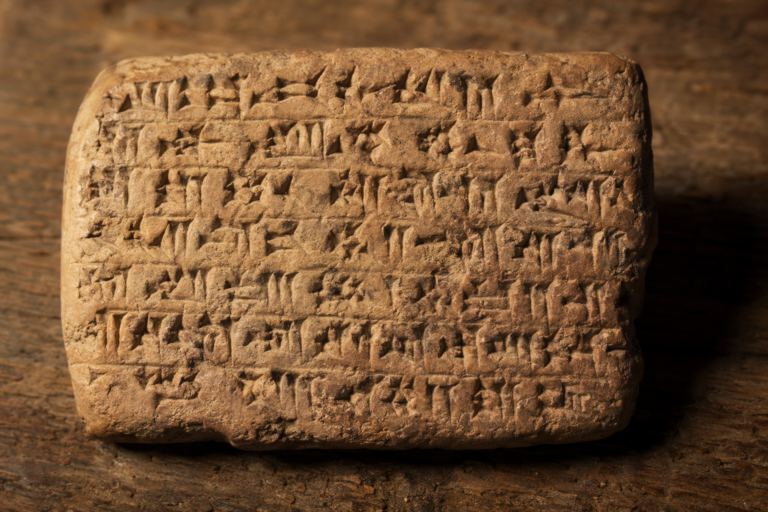
Most cuneiform tablets that we still have today were made by pressing marks into wet clay with a stylus.
-
People used this script to write about things they did every day, their beliefs, and their stories all across Babylon.
-
Babylonian numerals used a base-60 way to show numbers and to work out sums.
-
These big finds help Australians today learn about daily life, beliefs, the way people learned, and how things ran in old Babylonia.
Introduction
If you want to know how the Babylonians wrote things down, you should have a look at cuneiform writing. The cuneiform writing system started in Mesopotamia. It turned into one of the main ways people kept records in the ancient world. The Babylonians used cuneiform for taxes, trade, omens, and maps. It gave Babylon something strong to hold onto, long after things happened. For Australians who want to get into early writing systems, cuneiform lets you see how people worked out life, beliefs, and what they knew back in those days.
Origins and Development of Babylonian Cuneiform
Babylonian cuneiform didn’t come from nothing. It shaped itself from the history of mesopotamia. There was already writing in mesopotamia before Babylonian cuneiform. Lots of its signs started as sumerian signs from the south. Places like sumer and uruk had these early sumerian signs.
With time, that old way of writing changed for the akkadian language. It was the language Babylonian scribes spoke. That’s mainly why the Babylonian cuneiform script is not the same as the other kinds of cuneiform. To see how it changed, you have to look at where it came from and what happened after.
From Sumerian Roots to Babylonian Script
The story of cuneiform writing starts in Sumer. This is where people began to use some of the first cuneiform signs. These Sumerian signs are the start of what would grow into more writing in Mesopotamia. When writing spread to new places, the signs did not always stay the same.
In Babylon, scribes took a lot of the old signs but changed them for Akkadian, which was a different language from Sumerian. Because of this, Babylonian cuneiform was not just straight copying. It was changed to fit Akkadian words, grammar, and what people in Babylon needed.
So, what makes Babylonian cuneiform stand out? It keeps its link to those old Sumerian signs and connects back to Sumer. At the same time, it helps run Babylon’s office work, schools, and culture. You can call it part of the same family as other cuneiform, but its language and how people use it gives it its own clear look.
Evolution During the Old Babylonian and Hellenistic Periods
During the Old Babylonian time, the cuneiform script was already used a lot in Babylon. People made tablets when Hammurabi was king and just after, and these show there was a strong tradition of scribes. Researchers can figure out when some omen tablets are from, like the 18th and 17th centuries BC, by looking at how the spelling and word endings are used.
Over time, cuneiform stayed around in the ancient near east for many centuries. Its long use is important. It shows the system was tough and could last, even when there was a number of languages in the region. This makes cuneiform stand out in history.
By the Hellenistic period, Babylonian texts were still keeping knowledge, culture, and ways of understanding things alive. The big thing here is how it kept going. These texts show that cuneiform did not disappear quickly. Instead, it carried on old Mesopotamian ways of keeping records and learning during a new time.
Key Features of the Babylonian Cuneiform Script
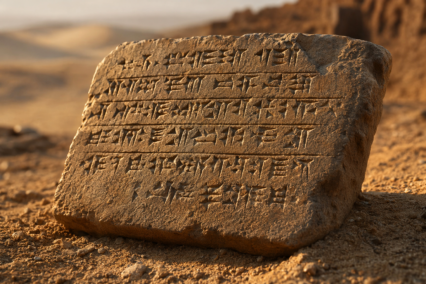
At first, Babylonian cuneiform can seem like rows of small wedges. But these marks made up a special cuneiform script, found on many cuneiform tablets. Like other early writing systems, it used a certain set of signs, not an alphabet.
The main thing here is how flexible it was. These signs could show different sounds, syllables, and regular written values, depending on how people used them. This made cuneiform useful for running things, learning, and special texts too. The next parts talk about the shape of these marks and show how it was not the same as other cuneiform writing systems.
Symbol Shapes, Sign Inventories, and Structure
Babylonian cuneiform signs were made from wedge impressions pressed into clay. That wedge shape came from the stylus tip, which created short angled marks rather than flowing lines. When combined, these marks formed recognisable symbol shapes used by trained scribes.
Because this was not one of the later alphabets, the script worked through sign inventories. A sign could stand for syllables, set expressions, or other accepted values. This meant readers had to learn patterns carefully, including how vowels and syllables were represented in practice.
A simple way to picture the structure is below:
|
Feature |
What it means in Babylonian cuneiform |
|---|---|
|
Wedge marks |
Basic impressions made by a stylus |
|
Symbol shapes |
Signs built from repeated wedge forms |
|
Sign inventories |
A learned set of standard signs used by scribes |
|
Syllables |
Many signs helped express spoken units rather than single letters |
|
Vowels |
Read through syllabic values, not a separate alphabet system |
Differences Between Babylonian and Other Mesopotamian Scripts
Across Mesopotamia, cuneiform writing was used in more than one place. This means that Babylonian cuneiform is not the only type or the main model. The biggest thing that makes it different is how it was tied to Babylonian use of Akkadian. It followed scribal habits from Mesopotamia and didn’t turn into alphabet-like systems later on.
That makes it stand apart from old Persian cuneiform. It also stays away from other ways in the region, like Elamite or texts linked with the Hittites. It is not the same as an abjad or the alphabets most of us know now, where signs go more directly to letters.
Key differences include:
-
Babylonian cuneiform grew out of old sign use in Mesopotamia, not from alphabets.
-
Old Persian belonged to another cuneiform tradition with its own style and aim.
-
Babylonian writing was part of a wider scribal culture used across the ancient near east.
Tools, Materials, and Writing Practices
One reason we have so much Babylonian writing today is because of the clay tablet. People used soft clay or wet clay to shape a tablet quickly. They would make these tablets, write on them, and keep them as records. This was a good fit for daily work and for learning.
Writers did not use ink and pen. They pressed signs into the soft surface of the tablet using a stylus. Some tablets were dried by leaving them out. Others were put in a kiln to make them harder. If you want to know more about the methods of writing, it helps to look at tools and what they used, like the stylus and different kinds of clay.
Clay Tablets and Stylus Techniques
Babylonian cuneiform writing was made on a clay tablet most of the time. While the clay was soft, a scribe would use a stylus, often made from reed, to press marks into the clay. This is why cuneiform writing looks like it’s pressed in rather than painted or carved.
Each press made a wedge shape. The scribe could get different shapes for the standard signs by changing the angle and pressure. These methods of writing needed practice, because good spacing and clear forms were important for reading and keeping the tablets.
After the writing was done, the tablet could be dried and saved. This simple process explains why so many cuneiform tablets from ancient Mesopotamia have lasted. For people today, the tablet and stylus were more than just tools. They changed how cuneiform writing looked and how it was made.
Common Materials Used in Ancient Babylonia
In ancient Babylonia, people used soft clay as their main way to write things down because it was good to use and would last a long time. Someone could make a tablet by shaping wet clay, then write on it while it was still wet, and let it dry after. It made it easy to make notes for daily business or important work.
You had to keep the surface soft enough to let the wedge shapes show up clear. When the writing was done, it was important to make sure the words would last. Sometimes they would even put the tablets in a kiln to harden them more, helping make a permanent record. That strength is a big reason we still find so many Babylonian records today.
Here’s what went into it:
-
Clay as the main part for the tablet.
-
Wet clay or soft clay so you could make fresh marks.
-
Letting it dry out or using a kiln so the words would be a permanent record.
Babylonian Number System and Numerals
Babylonian numerals are a big part of the Babylonian system. They sit at the centre of the history of mathematics. People in Babylon used a way of counting called sexagesimal, which is a base-60 system, not base-10 as used now. This choice changed how numbers were written and how people read them.
In Babylon, people wrote numbers for day-to-day records and for smart work. This included things that later turned into astronomical diaries. If you’re looking to see how cuneiform numbers were worked out, start with the base-60 method.
The Sexagesimal (Base-60) System Explained
Ancient Mesopotamia gave us a smart way of counting known as the sexagesimal or base-60 system. The Babylonians used this. They used a mix of symbols to show numbers. This made it easy for them to do hard sums, which you can see on their cuneiform tablets. This system from Mesopotamia is the reason we break time into 60 minutes in an hour and 60 seconds in a minute.
When you look at the Babylonian system, you see numbers written on soft clay with a stylus. This tells us a lot about the history of mathematics. It also shows how cuneiform writing was used in different cultures through the years.
Writing and Calculating Numbers with Cuneiform Numerals
Scribes wrote numbers using cuneiform numerals. They pressed standard marks into a tablet, then arranged the marks to show the quantity and the place value. The way numbers were set out on the tablet made a big difference, not just the look of each mark on its own.
Because the babylonian system was positional, the same cuneiform sign had a different meaning based on where you put it. That’s what made babylonian numerals useful for calculation. Anyone who was trained could use these methods of writing to read, check, and work with the numerals to go over records.
When we look at the number of tablets that have survived, we see that a lot of scribes could work with numbers. It did not matter if the topic was trade, taxes, or something special. The main way of working with numbers stayed the same. Using cuneiform numerals helped people handle large or tricky amounts. This is how the babylonian system made things easier on the tablet.
Insights from Major Discoveries and Decipherment
Babylonian cuneiform still matters today because people have been able to read the tablets that survived. The reason they can do this is because, in the past, people like Rawlinson worked out how to read cuneiform. This breakthrough let everyone see a huge archive and changed the way the world looks at Babylonian culture. It also changed how we see the ancient world.
People now study these old texts by working together with research groups and collections. A few of the main places that do this include the Yale Babylonian Collection and the Journal of Cuneiform Studies. There are digital tools too, like the Cuneiform Digital Library Initiative. The new things that get found from these texts still change history even now.
Archaeological Finds That Changed Our Understanding
Some of the biggest finds come from cuneiform tablets. These old pieces show what people in Babylon thought about each day. They show what people feared, believed, and did to run things in the city. In 2024, four very old cuneiform tablets from Babylon were fully translated. They had 61 omens about lunar eclipses. These were talked about in the Journal of Cuneiform Studies. The tablets show that people saw signs in the sky as serious.
There were other cuneiform finds, too. For example, the Imago Mundi connected Babylonian maps, hard times with floods, and stories people shared. Some tablets from when Nebuchadnezzar ruled show things about taxes, trades, property, and family trees in groups like the Judeans. These cuneiform tablets help us see how real life in Babylon was and not just as something far away.
Some important cuneiform examples are:
-
Omen tablets from the time of Hammurabi, mostly about the world described in the Code of Hammurabi.
-
The tablet where the Imago Mundi map appears.
-
Stuff written about people’s day-to-day lives, which go along with other later writings. Some of those later texts are astronomical diaries.
These cuneiform tablets, together with the code of hammurabi and other records, give us a good look at life back then.
Modern Techniques for Translating and Interpreting Babylonian Texts
Today, people do not guess when they translate Babylonian cuneiform texts. Instead, they compare sign forms, how words are spelled, and grammar. They also look at tablets to find other writing that is just like it. This is how the experts worked out the age of omen tablets. They did this by studying the spelling and endings on each word.
Many big places back this work. The British Museum is a main site. This is because it has important things like Imago Mundi and the ghost-related tablet that Irving Finkel studied. Academic books matter too. People share research with others using special books and publishing houses such as Cambridge University Press.
What does all this mean for us? Scholars today use detailed reading, checked facts, museum collections, and working together. Translating and working out what cuneiform tablets say helps everyone get what life was like back then. People can now look into law, beliefs, family life, and what scholars thought long ago, just by seeing what was written on a tablet.
Everyday Uses and Cultural Significance
Babylonian cuneiform was not just for special royal writing. People used cuneiform tablets for everyday things and official work in Babylon. You can find many cuneiform tablets from the ancient world with records, notes on learning, and special jobs. That mix shows why this script is so good for helping us understand the past.
There was also a lot of culture in it. With these written records, Babylonians could save stories, signs, maps, and life details, and they did this for many years. In the next two parts, you’ll find out how using cuneiform for work, school, and stories made the script keep its key place in history.
Administrative, Educational, and Literary Applications
One big strength of Babylonian cuneiform writing was that it was very flexible. People used it for things like taxes, buying and selling, trade, and rental deals. But it was also good for smart or creative stuff. This wide range is why we can still find so many cuneiform tablets today.
Some cuneiform tablets are straightforward and about daily tasks, while some hold deeper stories and ideas. For example, the omen tablets show how people tried to read the stars and guess what would happen next. The Imago Mundi mixes writing with what’s like an early map of the world. All of these show how cuneiform writing was important for both keeping records and for sharing culture.
Common ways people used cuneiform tablets included:
-
Putting down records for land, trade, and taxes.
-
Making educational and research texts that scribes used to learn from.
-
Creating creative or story-based works about omens, big floods, and ritual topics.
Historical Importance of Babylonian Cuneiform Texts
Babylonian cuneiform texts matter a lot in history because they keep the voices from ancient Mesopotamia safe in a strong and lasting way. Most of these tablets are in Akkadian and were used by the people in Babylon. Now, modern readers get to see how they kept track of land, family, trade, ritual, and knowledge for many years.
The real worth in these texts goes beyond just big names like Hammurabi or the legacy of the Code of Hammurabi. These clay tablets give us details about daily life. A tablet could be for a purchase, show family lines, record an omen, or share knowledge that people had at the time. Each one is a solid, permanent record.
Texts written in later times also have value because they show there was keeping of tradition. Even if life changed around them, cuneiform still helped people pass on old ways. This is why Babylonian writing stands out as a key part in learning about memory, trust, and knowledge in the ancient world.
Guide for Australians: Learning, Writing, and Exploring Babylonian Cuneiform
If you live in Australia and want to learn cuneiform, start with the right outlook. Babylonian cuneiform script is hard to learn. It is not like the way you spell words in today’s English. You do not just change each letter. Instead, you use set signs to show the right sounds.
But, people who are just starting out can still find good ways to learn. Museum collections can help. Online places like the Cuneiform Digital Library Initiative are useful. You can also use sign lists to pick up on the patterns. The parts below will show you how to write your name and spot common signs when it comes to cuneiform.
Writing Your Name in Babylonian Cuneiform
If you want to try writing your name using the Babylonian cuneiform script, you need to listen for sounds, not just look at English letters. The cuneiform script is made with signs that often show syllables. So, you should break up your name into the sounds you say, not just how you write it.
This is why it is important to think about vowels. Your name now might need to be written with the cuneiform signs that sound the same, taking note of the vowels and the group of letters they use. The goal is not to make a perfect change, but to get the name as close as you can to the right sound.
For your first go, check a sign list of cuneiform symbols before you try it on paper or on some soft clay. If your name has sounds that do not match any cuneiform sign, it is fine to just get close. People back then used what their language allowed. They did not have words from Australian English.
Accessing Lists of Common Old Babylonian Signs
It’s a lot easier now to find lists of common Old Babylonian signs than it was before. You don’t have to use only books. There are digital collections and big museum resources that can help you look at sign forms, check their readings, and start learning the main cuneiform signs.
A good first step is the Cuneiform Digital Library Initiative. It puts together records of tablets and useful study tools. The British Museum helps a lot as well. It has important Babylonian items and lets people learn more about cuneiform with its collection and helpful guides.
Some places you can start with are:
-
The Cuneiform Digital Library Initiative if you want to search for tablet records.
-
The British Museum to see well-known Babylonian collections.
-
Sign lists made for beginners, which focus on Old Babylonian signs instead of signs from every period.
Conclusion
When we come to the end of our look at Babylonian cuneiform, we see that this old style of writing tells us a lot about where we came from. It also gives good ideas about what life was like for people back then. The cuneiform script started with Sumerian people and it still tells us so much in our studies today. This old way of writing lets us see how people used to talk to each other and keep notes on things. If you are in Australia and find old stories interesting, learning about Babylonian cuneiform can be a great trip into the past. You might be keen to know about what cuneiform means for stories or you might just like to write your name in the script and show your mates. Either way, there is a lot you can get out of it. So, have a look and see what you find with cuneiform!
Frequently Asked Questions
How does Babylonian cuneiform compare to other famous ancient writing systems?
Babylonian cuneiform script came from sumerian signs and did not work the same way as latin alphabets. Writing in egypt or old persian used different styles, but babylonian cuneiform used wedge-shaped signs and you read it by syllables, not by single letters. This makes it part of its own mesopotamian way of writing, with a special structure.
Can Australians view Babylonian tablets or replicas in museums locally?
Australians might not always see big Babylonian displays close by, so it’s a good idea to look at museum websites first. If you travel, you can go to the British Museum in London. It is one of the best places to see important cuneiform tablets. Some local museums might have cuneiform replicas, casts, or short exhibitions with ancient writing from time to time.
What are some beginner tips for learning Babylonian cuneiform symbols and numerals?
Start small. Look first at a few cuneiform signs and some of the simple cuneiform numerals, not the whole writing system. Older writing systems don’t work like English, so try learning by the groups of sounds and the shapes you see again and again. When you practise making wedge marks on some paper or even soft clay, it will help make it easier to remember how it is put together.