Key Highlights
-
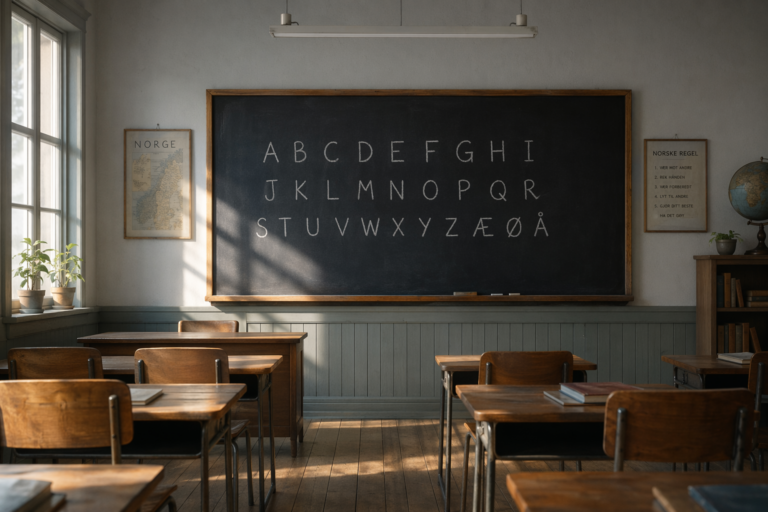
The norwegian alphabet is a variant of the latin alphabet and has 29 letters.
-
It is like the english alphabet at first with twenty-six letters, but there are three extra vowels: æ, ø, and å.
-
These extra vowels are important. They help shape norwegian pronunciation and spelling every day.
-
When you study norwegian language, both Bokmål and Nynorsk use the same alphabet, but the way people use them is different.
-
Some letters like c, q, w, x, and z, show up the most in loanwords.
-
If you learn the alphabet early, you get a good start when you go after a new language.
Introduction
If you want to read, write, and speak the norwegian language with more confidence, you should start with the basics of the norwegian alphabet. At first, some of the letters may look the same as English, but there are a few sounds in norwegian that can take people by surprise. The good thing is, it is not too different from English. If you can get to know how the letters work, your spelling, reading, and pronunciation will get much easier. Now, let’s take a look at the alphabet and work through each step together.
Understanding the Norwegian Alphabet: An Overview
At first, the norwegian alphabet might look familiar because it comes from the latin alphabet. If you know english, you can see most of the same shapes and letter names. This makes the alphabet of the norwegian language less scary when you start to learn it.
But the norwegian alphabet has its own way of working with sounds and spelling. Some letters are not seen often in native norwegian words, while three extra vowels are very important in daily use. The next parts will show the main structure and things to look for when starting out.
Number of Letters and Unique Features
The standard norwegian alphabet has 29 letters. It is a variant of the latin alphabet, so a lot of it will look the same if you use english every day. The first 26 letters are just like the basic english set. This helps beginners get off to a good start.
What makes this system different are the three extra letters at the end: æ, ø, and å. These are not just for show. They are real letters in the norwegian alphabet. They are important for correct spelling and norwegian pronunciation. You have to learn them as part of the alphabet, not as something you can skip.
There are also some unusual ways people use the letters. Things like c, q, w, x, and z are in the alphabet, but you mostly see them in loanwords, personal names, or place names. You rarely see them in old norwegian vocabulary. This is something that often surprises new people who want to get into norwegian.
Key Differences Between Norwegian and English Alphabets
The biggest difference between the english alphabet and the norwegian alphabet is easy to see. Norwegian has 29 letters, while english has 26. The extra letters in norwegian are æ, ø, and å. You will find these letters a lot in normal words, so they are not something rare. They are part of standard norwegian spelling and you get used to them quick.
There is also a difference in norwegian spelling and modern orthography. Even though c, q, w, x, and z are part of the norwegian alphabet, you do not see them much in native norwegian words. You mostly see them in loanwords or names. Sometimes they get used for technical reasons or to make sure a meaning is clear.
The way you say the letters, or pronunciation, is different too. People often say norwegian is more phonetic than english. This means the way you write words usually gives good clues to how you say them. But, there can still be some old words and ways people speak in different places that might surprise you. So it is good to listen carefully and learn from others.
Norwegian Bokmål and Nynorsk: What’s the Difference?
When you start to learn the norwegian language, you will see there are two ways to write it: Bokmål and Nynorsk. At first, this might look confusing. You might have thought there would be only one way. But both are part of the same norwegian language and use the same alphabet.
The real difference is not in the letters. It is about how words look and the way they get used. Bokmål is the written form most people use. Nynorsk has other patterns for spelling in many ways. So, you might have some questions about how the norwegian language works, and how the pronunciation or spelling change.
Distinctions in Alphabet Structure and Usage
A lot of beginners ask if Bokmål and Nynorsk have different alphabets. The answer is no. Both rules for writing in norwegian use the same alphabet. This includes the extra letters æ, ø, and å. You don’t have to learn two different groups of symbols.
Where things change is in norwegian orthography and spelling. Bokmål and Nynorsk use different word forms, different endings, and other ways of writing words. So, as a beginner, you might see changes in how things look on paper, but the alphabet does not change.
This is important because your practice depends on these choices. If you learn with Bokmål, you will get used to certain forms. If you read Nynorsk, you will see other ways to write things. The main alphabet stays the same, but the norwegian orthography and spelling change with the written standard.
How Each Variant Impacts Pronunciation for Learners
Here is where things can get a bit tricky for those learning Norwegian. There is not one set way to say words in norwegian. While Bokmål and Nynorsk give us the written standards, people speak with different accents in different places. So you should not think that everyone will sound the same when they talk.
If you are learning in Australia, the best thing to do first is focus on clear rules. Look closely at norwegian vowels, since small vowel sound changes can mean different things. Try to learn the usual norwegian pronunciation that goes with the written form you are using, especially if your class is with Bokmål.
It is also helpful to speak slowly and compare the sounds with ones from english you know. Just keep in mind that it may not be a full match. Doing short listening tasks, saying things again and again, and reading out loud will help you get better at norwegian pronunciation as you keep going. Sticking with the habit gives you more than just chasing after that “perfect” way to say things.
Letter-by-Letter Guide to the Norwegian Alphabet
After you get the hang of the overall structure, it’s good to look at the norwegian alphabet up close. Many norwegian letters look familiar, but they don’t always be said like they are in english. That’s where a lot of beginners get it wrong.
Looking at each letter helps. You can link each symbol with a sound, spot patterns, and keep handy words in mind. The next two parts will show you a step-by-step guide and then give you a quick chart to look over when you study norwegian pronunciation and the alphabet.
Pronunciation and Common Example Words
The norwegian alphabet goes from A to Z, then adds æ, ø, and å. Lots of letters sound much like those in english. But, some of them change depending on the word, the vowels nearby, or if the word comes from norwegian or is borrowed from another language. That is why it’s a good idea for english speakers to learn norwegian pronunciation one letter at a time.
It’s best not to try and stick every sound in your head right away. Start with just a few easy ones. Listen and repeat them, and watch how norwegian vowels work. Some letters are pretty clear. But others, such as the letter k before some vowels, are not what you would expect if you only know english.
-
A: alfabet. This one is often like the a in and or father.
-
E: eske. This vowel can sound a few different ways depending on the word.
-
J: jungel. This is usually like the y in you.
-
Æ: lærer. It sounds like the vowel in air or sad.
-
Å: påske. That one is close to the o in mock or lord.
Norwegian Alphabet Chart for Quick Reference
If you want a fast study tool, a simple norwegian alphabet chart can help you review norwegian letters, pronunciation, and example words in one place. You do not need a huge list at first. A short reference table is often easier to remember and revisit.
This chart focuses on a small set of useful letters, including the three additional vowels. It will not replace listening practice, but it gives you a clear starting point for norwegian spelling and sound recognition.
|
Letter |
Example word |
Pronunciation guide |
|---|---|---|
|
A |
alfabet |
like a in and or father |
|
B |
boller |
like b in baby |
|
J |
jungel |
like y in you |
|
O |
norske |
can vary; sometimes like oo in wool, sometimes shorter |
|
Y |
søyle |
rounded vowel, not a normal English y |
|
Æ |
lærer |
similar to air or sad |
|
Ø |
løpe |
close to the vowel in bird or burn |
|
Å |
påske |
roughly like o in mock or lord |
Special Characters: Æ, Ø, and Å Explained
The norwegian alphabet has three special characters: æ, ø, and å. Some people call these extra vowels, but they are really just normal letters. They act like any other letter in spelling and alphabet order. You will see these letters a lot, so it’s good to get used to them early.
For plenty of Australian learners, these special characters make norwegian pronunciation a bit hard. The way they sound in norwegian doesn’t match english quite right, but you can still get close. Let’s look at what they sound like and how you can type them on a normal keyboard.
How to Pronounce Unique Norwegian Letters
The extra vowels æ, ø, and å are very important in norwegian pronunciation. These are vowel sounds that do not show up in the regular english alphabet, so they might seem new at first. But you can feel better about them if you use some simple sound guides.
You need to see these special characters as their own letters. They are not just accented forms of a, o, or any other vowel. These vowel sounds add meaning to the words, so using the wrong one can change what you say. Good listening and saying things again and again will help with norwegian pronunciation.
-
Æ is often like the vowel sound you get in air, or sometimes closer to sad.
-
Ø sounds a bit like the vowel in bird or burn, just a bit more rounded.
-
Å is kind of like the o in mock, sock, or lord.
-
How long the vowel sound is will matter as well, because norwegian uses both short and long vowels.
This is one key to norwegian pronunciation, even though the english alphabet does not include these extra vowels. If you get to know these vowel sounds, you will get better at norwegian.
Typing Norwegian Special Characters on Australian Keyboards
Typing æ, ø, and å can be hard if you use an Australian keyboard. These letters are not on the keys, but you will still need them for writing norwegian texts, spelling, and reading. They are in the norwegian alphabet. You can’t leave them out or swap them for others.
There is no single shortcut to type them. It can change based on the way you have set up your device or if there are different coding standards. Most people will have to change the keyboard layout or use a character tool on their phone or computer.
-
You can change your keyboard settings to norwegian layout if you type these often.
-
Use the character menu on your phone or computer if you just need these letters now and then.
-
Always use the right letters. If you don’t, spelling and meaning in norwegian texts can change.
Conclusion
To sum up, learning the Norwegian alphabet helps open up new ways to talk to others and understand their culture for people in Australia. This alphabet has its own letters and sounds. Getting to know it well can help you learn the Norwegian language faster. It can also give you a better feeling for their culture. Keep at it and use things like charts and pronunciation guides to help you out. Take on the challenge and enjoy the time you spend getting to know the Norwegian language. If you want to get better with your language skills or need help with the alphabet or pronunciation, you can book a free chat to help you along the way.
Frequently Asked Questions
What are common mistakes Australian learners make with the Norwegian alphabet?
Many people who speak English think that the norwegian alphabet is just like the english one. This can give them trouble with things like æ, ø, å, vowel length, and some letters that you find mostly in loanwords. Another problem is when english speakers try to guess norwegian pronunciation by going off english spelling habits, instead of learning the real norwegian sound patterns.
Are there any tips for pronouncing Norwegian letters as an English speaker?
Yes. Start with the vowels, especially æ, ø, and å. These are very important for norwegian pronunciation. Say the sounds out loud, listen to short examples, and notice how long the vowel sound is each time. If you speak english, going slow and repeating words makes a solid foundation. It’s better to practise properly than to speed through long word lists. This helps you get good at norwegian pronunciation, vowel length and vowel sounds.
Are any letters from other alphabets not used in Norwegian?
The norwegian alphabet uses the latin alphabet and has 29 norwegian letters. Most of the time, c, q, w, x, and z are not common in everyday norwegian spelling and vocabulary. You might see these letters in loanwords, personal names, or place names. So, even though they are part of the official alphabet, their use is not so high in regular norwegian writing compared to the old way of spelling.