Key Highlights
-
The hindi alphabet uses the devanagari script. This gives you a strong foundation for reading and speaking.
-
You will find out how hindi vowels and hindi consonants are put in order. You will also see why this helps with correct pronunciation.
-
This guide talks about the usual order of the letters and the main sounds in simple words.
-
You will get to look at a handy chart with english pronunciation. It helps for a quick review.
-
If you are starting out, the best way is to practise steady with small groups of letters. This is good for learning basic hindi words.
Introduction
If you are just starting to learn the hindi language, the first step is to learn the hindi alphabet. Hindi is written in the devanagari script. The script might look a bit new or strange at first. But it is not too hard if you have a good plan to get started. For english speakers, there are many sounds in hindi that are already easy to say. When you get how the letters work, it makes reading, speaking, and even building your vocabulary a lot easier. Taking that first step helps make everything else feel more simple and clear.
Overview of the Hindi Alphabet and Its Importance
The Hindi alphabet uses the Devanagari script. This is a big part of how people learn the way Hindi sounds. The letters in Hindi are mostly said the same way they are written. This helps make the first steps in learning much easier.
The Devanagari script gives you a strong foundation before you move on to learning more words and making sentences. Some native speakers might use quick or simple ways to write in their daily lives. Still, when you learn the script, you see standard Hindi much more clearly. If you want to understand why this writing system is different, it’s good to learn about its unique features next.
What Makes the Hindi Alphabet Unique?
One reason the devanagari script is easy to notice is because people often say Hindi is a phonetic language. This means there is a close match between the writing system and how the words sound. If you know the sound a letter makes, you will find it much easier to read full words and not feel lost.
Another thing about the devanagari script is that it is an abugida. The sounds in Hindi do not follow the same way as the English alphabet. You see, in Hindi, the way you write combines consonants and vowels into one part, which makes words and sounds match up more with how people say them.
You might find there are some special combinations too. People learning for the first time call these hindi conjugants, like क्ष, त्र, and ज्ञ. These show the script joins the sounds in a smooth way. When you know how this works, the letter system in the devanagari script seems a lot less confusing and you get to use the writing system with more confidence around its patterns, instead of how the english alphabet works.
Why Learning the Hindi Alphabet Matters for Australian Learners
For people in Australia, starting with the script is a smart way to get into language learning. You do not just remember shapes. You listen and speak, so you get the sounds that show up a lot in proper talk. This makes it easy to not guess by using English letter rules.
Having a strong foundation in letters is at the core of reading, listening, and speaking from day one. When you see how words come together, you can dive into lessons with more belief in yourself. This helps in the long run, because you can go past saying copied lines and know what you are talking about.
It is good for everyday talking with hindi speakers too. The way words change with small sounds can make a big difference to being clear. When you learn the alphabet the right way, you talk better and start good habits from the early days. Now, let us take a look at how the script is built.
Understanding the Structure of the Hindi Alphabet (Devanagari Script)
The devanagari script breaks up the hindi script into two groups. One group is vowel sounds, and the other is consonant sounds. People say Hindi has 48 characters in total. There are 12 vowels in it and 36 consonants. But some starter lists show 13 vowels and 33 consonants too. So, you might see both versions out there.
At the beginning, the important thing is to understand these two big groups. Know how they work in words. If you get that, you will find it easy to read and use this script. The group you should try to learn first is vowels, which are called swar.
Vowels (Swar): Number, Types, and Pronunciation
Hindi vowels are called swar, and they’re very important when you first start to read. The material shown here brings up independent vowels. These vowels are seen at the start of a syllable, right after another vowel, or at the start of a word. Later on, learners will meet dependent vowels. This happens when vowel sounds are put with a consonant.
Some main hindi vowels are अ, आ, इ, ई, उ, ऊ, ए, ऐ, ओ, औ, अं, and अः. Sometimes you will see ऋ as well. The key here is to listen for the difference between a short sound and long vowels. That is the best way to get correct pronunciation.
-
अ is a short sound, like the start of “ahead”.
-
आ is longer, and you can think of it as the vowel in “far” or like how you say the vowel in “bright”.
-
उ and ऊ sound alike, but ऊ is held out longer.
Learning hindi vowels and their different vowel sounds at the start of a syllable will help you speak with clear and correct pronunciation. Getting to know both independent vowels and dependent vowels adds to your reading and speaking over time.
Consonants (Vyanjan): Number, Types, and Pronunciation
Hindi consonants are called vyanjan. The main group has क, ख, ग, घ, ङ and goes all the way to स and ह. Some charts for people who are just starting out add mixed letters too, like क्ष and त्र. These hindi consonants are put into groups based on how they sound. This way, you can learn to say them in a good way.
One big thing to know is the gap between the unaspirated and the aspirated consonant sounds. For instance, क and ख sound a lot the same. But when you say ख, you add a burst of air. This is what makes each pair have a distinct sound. You need to hear and make these the right way.
-
क sounds like “k”, and ख is “kha” with a little burst of air.
-
ट and ड sound a bit flat and you make them by rolling the tongue back.
-
त and द are called dental consonants because your tongue stays close to your teeth.
Hindi Alphabet Chart with English Pronunciation
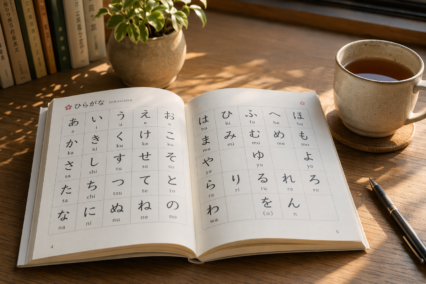
A simple chart can make the hindi alphabet much easier to review. It lets you connect the hindi script to familiar English pronunciation, even if the corresponding sounds are not always exact matches. For quick study, begin with the most common vowels and consonants from the hindi varnamala before moving to the full list.
|
Hindi Letter |
English Pronunciation |
|---|---|
|
अ |
a |
|
आ |
aa |
|
इ |
i |
|
ई |
ee |
|
उ |
u |
|
ऊ |
oo |
|
क |
ka |
|
ख |
kha |
|
ग |
ga |
|
च |
cha |
|
ट |
ta |
|
त |
ta |
|
प |
pa |
|
म |
ma |
|
र |
ra |
|
स |
sa |
|
ह |
ha |
Use this as a starter chart, then expand it in the standard order. That order matters because it helps you group sounds correctly and practise more efficiently.
Complete List of Hindi Letters in Order
If you want the right order of the hindi varnamala, start with the vowels first. Then go on with the consonants. A good order for a beginner is: अ आ इ ई उ ऊ ऋ ए ऐ ओ औ अं अः. Some books or guides might add a few extra vowel forms, but this is a handy way to start.
After vowels, the standard hindi alphabet carries on with the consonants in groups. It goes like this: क ख ग घ ङ, च छ ज झ ञ, ट ठ ड ढ ण, त थ द ध न, प फ ब भ म. After that, you get y, r, l, v, then the sibilants and h. In Devanagari, this is written as य र ल व श ष स ह.
Some charts for learners also add combined letters, like क्ष, त्र, and ज्ञ at the end. Following this order makes it easy to remember, because the sounds are in a set pattern and not mixed up.
How to Use the Chart for Practice
A chart can really help if you use it often. The best way to get letter recognition is to pick a small group of symbols, say each one out loud, and then try to remember them without looking at the chart. This turns the chart into a real tool for learning the basics of the hindi alphabet, instead of just something to look at on the wall.
It’s best to work with five letters at a time. Guidance says it is good to learn slowly and not try to fit all the hindi symbols in one go. This way helps improve hindi pronunciation because you get time to know what each letter sounds like.
-
Cover up one column and try to remember the sound or symbol for the one you can’t see.
-
Read each letter aloud and watch how your mouth moves.
-
Go over the same set every day before you move on to more letters.
Beginner’s Guide to Learning the Hindi Alphabet
Starting well is more important than starting fast. The basics of the hindi alphabet get easier if you focus on a few letters each day and practise them again and again. This keeps things under control and helps you stop getting mixed up.
When you go further with your hindi language journey, simple routines will work best. Interactive lessons, saying words out loud, and checking your work often can help you remember both how the letters look and sound. Before you start, it’s good to get some learning tools that help you with daily study.
What You Need to Get Started: Resources and Materials
You do not need a big toolkit to get started. Just a few important materials will help you make progress. The information set brings up a Devanagari app for writing on your computer. It also says that beginner articles have charts with letters and English sound tips. These online resources are good for you to use every day.
Printable charts work well because you can see the vowels and consonants while you learn. If you want help with speaking, hindi tutors can show you how to make the right sounds and fix small mistakes before they stick.
-
A simple alphabet chart with both vowels and consonants
-
A writing app or keyboard tool to practice Devanagari
-
Beginner word lists or a comprehensive list of hindi words for sound review
With these tools, you are set for a clear way to learn.
Step-by-Step Process for Mastering Hindi Letters
The first step is to stop trying to learn everything at once. A step-by-step plan works better. Many people say it’s good to learn about five letters a day. This gives you time for letter recognition, sound practice, and quick review.
After that, connect each symbol to its sound before you look at long word lists. Hindi has a clear writing system, so this helps you learn faster. When the letters feel more familiar, you can start reading simple word combinations, so you do not feel lost.
-
Learn a small set of letters and say them out loud
-
Write each symbol a few times to help you remember its shape
-
Go over older letters before you add new ones
Patience is important. If you go too fast, you will often have to go back and learn the same things again.
Step-by-Step Guide to Writing and Reading Hindi Letters
Learning to write and read the hindi script gets easier when you take things step by step. Start with the simplest vowels. Then, bring in the consonants. Once you get these, you can begin to put together short words. Doing things in this order helps you get a good foundation of pronunciation.
For kids and for grown-ups who are beginners, don’t worry about going fast. The main thing is to see every letter clearly, to make sure you get the sounds right, and to repeat this often. The next three steps below show how to build the skill in a steady and practical way.
Step 1: Recognising and Pronouncing Vowels
Start with the Hindi vowels first. They show up on their own and you can hear them better. Begin with just a few, like अ, आ, इ, ई, उ, and ऊ. Say each one out loud many times. Do this till the vowel sounds seem familiar and you do not feel lost with them.
Try to connect each sound to an English sound from the list you have. For example, अ sounds like the start of “ahead”. ई is like the “ee” in “meet”. These are not perfect matches, but the English words help you get closer to the right or correct pronunciation in the start.
When you get used to the sound, write the letter and say it at the same time. This links what you see, say, and hear together. This makes it easy to say an example word later because you already know the basic sound.
Step 2: Recognising and Pronouncing Consonants
After you learn the vowels, start with groups of Hindi consonants. You can try easy pairs like क and ख to start. Look at how they are not the same. Listen to the consonant sounds and say them out loud a few times. Keep doing this until they feel right.
Have close attention on how you say them. With ख, you will feel a burst of air if you put your hand in front of your mouth. But क is not as strong. This is an easy way to get the correct pronunciation. You do not need to know much about grammar for this tip.
Next, try some sounds like ट, ड, and ण. To say these, your tongue goes a bit back so they sound flatter. Go slow and do not worry if you need more time. Saying them slowly is better for your practice than trying to say them fast and making mistakes.
Step 3: Practising Simple Words and Common Combinations
When you know the vowels and consonants, you can start joining them to make simple words. This is when reading starts to make sense and helps you in real life. Many beginner lessons in Hindi use basic hindi words, for example: माँ, घर, and पानी. These are short, easy to say, and common in everyday words.
At this time, you do not need to worry about advanced grammar. You are just growing your hindi vocabulary by seeing how letters come together in simple words. Read each word slowly, from letter to letter. Then, say the example hindi words again as one whole word. Doing this helps you link the spelling with how you say it.
-
माँ
-
घर
-
पानी
These simple example hindi words help you notice usual letter mixes without being too much at once. Reading the same few words many times is a good way to build confidence and get used to basic hindi words.
Tips and Common Mistakes for Beginners
Many people make mistakes because they rush or depend on English spelling rules too much. The best way to fix this is to focus on fewer letters at a time. Keep going over them and check how you say each sound carefully. This will help you get the correct pronunciation from the start.
You get a strong foundation in Hindi pronunciation by noticing the small things, especially with letters that sound a lot alike. If you take these details seriously, you will move ahead faster and will not have to fix as many mistakes later on. Now, let’s have a closer look at the best way, some strategies, and common errors.
Effective Learning Strategies for Australian Students
For students in Australia, it is better to study a little bit each day than to spend a long time all at once. Short and regular sessions in language learning help you keep the sounds clear in your mind. Even just ten to fifteen minutes each day, if you stay focused, can help you get better at knowing and saying the words over time.
Interactive lessons are good because they make you take part. You respond, repeat, and write, not just sit and read. If you are able, try to work with hindi tutors or a native speaker who knows the language well. They can show you the right sounds and tell you if you make a mistake. This will help you speak better and have more effective communication as you practise more.
-
Learn five letters at one time and review them before you add more
-
Say the sounds out loud, not just in your head
-
Use guided lessons or get help from your tutor for the sounds you find hard
Doing these things will keep your language learning on track while being steady and not too hard.
Common Pronunciation Errors and How to Avoid Them
A big mistake people make is to think that letters which look or sound close are the same. In Hindi, even a small change in sound can make the meaning of a word different, or make it harder for people to understand you. That’s why it’s so important to get correct pronunciation right from the start.
It’s also easy to forget about how you breathe out or where you put your tongue. People might say क and ख just the same, or make ट sound like a normal English t. If you pay close attention to how you use your breath and shape your mouth, you will find these different sounds easier to hear and copy.
-
Test aspirated sounds by holding your hand near your mouth
-
Slow down while you compare pairs like क and ख
-
Practise retroflex sounds on their own before using them in full words
These simple steps help you spot common mistakes early, and make your speech much clearer to others.
Frequently Asked Questions (FAQs)
A lot of people ask about the Hindi alphabet and how its writing system works. The Devanagari script is the one used for Hindi, and many who are new to it want to know what the difference is between consonant sounds and vowel sounds. When you start, you might also ask how to say each word the right way, like with the dental consonants and the independent vowels. Using online resources can be an excellent way to get better at this. If you want a strong foundation, make sure to use everyday Hindi words when you learn. This helps you with effective communication and makes it easier to enjoy the language.
How many vowels and consonants are there in the Hindi alphabet?
In the devanagari script, you often see the hindi varnamala shown as having 48 characters. It has 12 hindi vowels and 36 hindi consonants. Some charts for beginners show 13 vowels and 33 consonants. You can find both in learning books and other material. At first, what matters most is correct pronunciation, not the total count.
Is there a difference between the Hindi alphabet for adults and children?
No, the hindi alphabet does not change for adults or kids. The standard hindi script stays the same for both. What will change is the way it is taught. Children get to use easy charts and tracing for practice. Adults can focus more on sound patterns and feeling sure when reading.
What are some free resources or printable charts for learning Hindi letters?
There are many free online resources you can use. These include beginner alphabet charts, guides for saying words right, and tools for writing Devanagari. Printable charts are an excellent way to keep letters in sight while you practise. If you want help with speaking, hindi tutors and interactive lessons can help you turn those charts into active learning.
What is the correct order of letters in the Hindi Varnamala?
The order in the hindi varnamala starts with vowels. These are अ, आ, इ, ई, उ, ऊ, ऋ, ए, ऐ, ओ, औ, अं, and अः. After that, the alphabet brings in grouped consonants. It starts with क, ख, ग, घ, ङ and keeps going. This is the standard hindi alphabet order in the devanagari script. It helps build the foundation of pronunciation.
Conclusion
To sum up, learning the Hindi alphabet can give people in Australia many new chances. When you get to know the structure and sounds of the Devanagari script, you pick up a new skill. At the same time, you also make it easier to speak with people and learn about their culture. With good tools and a clear plan, learning these Hindi letters will be fun and give you a lot. You can use this skill for travel, work, or just for yourself. Taking up this language is a good way to make your life better. If you want to know more, you can always get in touch for a free consultation and get started on your Hindi learning path.