Key Highlights
-
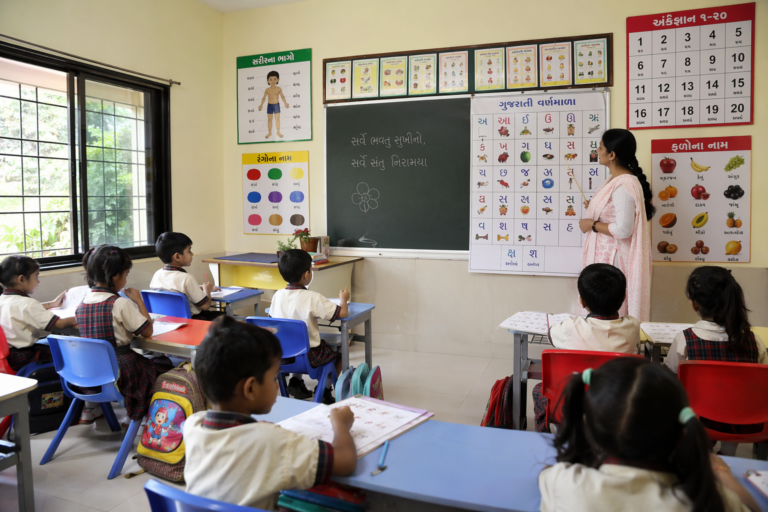
The gujarati alphabet helps you learn a gujarati letter by looking at its symbols, sounds, and easy patterns.
-
The gujarati script uses an abugida, so the vowels and consonants work together in a clear way.
-
You will get to know the 14 vowels, the 34 consonants, and how each sound is used and understood.
-
Barakhadi helps you see how one consonant works with different vowels to make syllables.
-
Printable charts, tracing sheets, and simple practice will help you spot the letters, give you writing confidence, and help you make steady progress.
Introduction
If you want to start learning the gujarati language in Australia, the first step is to get to know the gujarati script. This writing system comes from India, and people also use it for some other languages there. It moves left to right when you read it. The gujarati script can look new and odd for learners, but it is pretty easy to pick up once you notice how each letter links to a sound. This guide will help you spot, say, and write the main symbols. You will get more sure of yourself as you go.
Fundamentals of the Gujarati Alphabet
For beginners, the Gujarati alphabet is the group of letters you start with when you want to read and write Gujarati, the language from the state of Gujarat in India. The alphabet has both vowels and consonants, taught in an order that is easy to learn.
The Gujarati script, though, is the whole writing system that uses that alphabet. You can think of the alphabet as just the set of characters you need to know. The script, on the other hand, shows how these letters be used in words, groups of sounds, and together with other letters. This difference is important when you see real Gujarati text. The next sections will break it down and make it clear in a simple way, so you can learn about the script and how it works with syllables in the Indian state of Gujarat.
Gujarati Script vs Gujarati Alphabet – Understanding Key Differences
Many english speakers often mix up gujarati script and gujarati alphabet. These are close, but they are not the same. The gujarati alphabet is a list of main letters. It has vowels and consonants, and you learn it first.
But the script goes further. It is about how those letters work in writing. Some vowels show up as full parts, and some show as marks. Consonants can join together and make new shapes. This is why a lot of people say that gujarati is not a simple alphabet like english, but an abugida.
Think of it like this. The alphabet gives you the basics. The script is the bigger system that helps you make sense of gujarati words. If you only know the alphabet, you can spot the signs. If you know the script too, you read sounds, see patterns, and get what the words mean much better.
Structure and Origins of the Gujarati Script
The gujarati script comes from the nagari script, and it is close to the devanagari script. Like many indian scripts, it is part of the brahmic family. It works as an abugida, which means consonants have a built-in vowel sound unless that is changed.
The script has a written history that grew in stages. The older forms showed up around the 10th to the 15th century. Old gujarati script became common from the 15th century to the 17th century. The earliest known document made in that older gujarati style is a handwritten piece from 1591 to 1592.
As time went on, the script shifted for quicker writing. There is a key difference from devanagari. The gujarati script lost the horizontal line at the top of the letters, also called the shirorekha. The jain community helped share the script more widely by copying and spreading religious books. Later, all of this shaped the modern gujarati script used for writing today.
Exploring Gujarati Vowels (Swar)
Gujarati vowels, also called swar, are a big part of the sound in Gujarati. There are independent vowels, used when a vowel comes at the start of a word or right after another vowel. There are also vowel marks that join on to consonants. This makes the script feel different to English.
Most standard books will show you 14 gujarati vowels. Each vowel sound can change how you say a word and what it means. So, it’s good to learn them one at a time and be clear. When all the vowels feel easy, the chart is not hard to read. Let’s see each of the vowels now.
The 14 Vowels and Their Pronunciations
When learners ask for the 14 gujarati vowels, they are usually asking for a practical pronunciation guide as well. The table below gives each gujarati letter with a simple English-style cue. These cues are approximations, not exact matches.
|
Gujarati letter |
Common pronunciation cue |
|---|---|
|
અ |
a as in about |
|
આ |
aa as in father |
|
ઇ |
i as in bit |
|
ઈ |
ee as in see |
|
ઉ |
u as in put |
|
ઊ |
oo as in food |
|
ઋ |
ru sound |
|
એ |
e as in they |
|
ઐ |
ai as in aisle |
|
ઓ |
o as in go |
|
ઔ |
au as in cow |
|
અં |
nasalised sound |
|
અઃ |
breathy final sound |
|
ઍ / ઑ |
short open vowel sounds |
Some older descriptions also refer to long vowels, though modern pronunciation does not always keep length contrasts in the same way. For beginners, the main goal is simple: match each symbol to a clear vowel sound and practise it aloud until recognition becomes automatic.
Printable Charts and Visual Guides for Gujarati Vowels
A printable visual guide can help you remember Gujarati vowels much more easily. You can put a Gujarati alphabet chart on your desk. When you see the chart many times throughout the day, you get used to the shapes, the sounds, and the order of the letters. This makes it simpler and gives you less stress.
You can find free pages online with charts for learning. These pages often have things you can download, like vowel tracing sheets and practice pages. These are good if you want to study for just five minutes at a time, not for a whole hour or more.
Helpful options include:
-
printable vowel charts that show every letter in a clear way
-
tracing worksheets where you can practise each vowel
-
a simple visual guide on your phone or tablet for quick reviews
Most learners find the best resource is the one they actually use again and again. Keep the chart somewhere you can see it, say the sounds out loud, and practise for short times each day. With time, the Gujarati vowels and symbols will start to feel familiar. This is a great way to use your Gujarati alphabet chart to learn the alphabet and help with learning vowels.
Gujarati Consonants (Vyanjan) Explained
Gujarati consonants, called vyanjan, are the second main part of the gujarati alphabet. The regular charts in the gujarati language show 34 consonants. These are put in order based on how and where you make the sound in your mouth. That set-up helps make the system more organised than you might first think.
In gujarati, these consonants come with a default vowel, unless another mark changes this. So when you learn the gujarati consonants, you are not just picking up single letters. You are getting the sound patterns that later help make syllables, gujarati words, and joined forms. The next bit gives you a simple look at how this all works.
The 34 Consonants with English Equivalents
The 34 gujarati consonants are usually grouped by sound families. Instead of memorising them as one long list, it helps to learn them in sets. The English equivalents below are rough guides that support pronunciation and early reading of syllables.
|
Group |
Gujarati consonants |
English equivalents |
|---|---|---|
|
Velar |
ક ખ ગ ઘ ઙ |
ka, kha, ga, gha, nga |
|
Palatal |
ચ છ જ ઝ ઞ |
cha, chha, ja, jha, nya |
|
Retroflex |
ટ ઠ ડ ઢ ણ |
ta, tha, da, dha, nna |
|
Dental |
ત થ દ ધ ન |
ta, tha, da, dha, na |
|
Labial |
પ ફ બ ભ મ |
pa, pha/fa, ba, bha, ma |
|
Others |
ય ર લ વ શ ષ સ હ ળ ક્ષ જ્ઞ |
ya, ra, la, va, sha, ssa, sa, ha, lla, ksha, gnya |
Some charts include compound characters such as ક્ષ and જ્ઞ with the main set because learners meet them early. Once these groups feel familiar, reading becomes easier because you start seeing sound families rather than isolated letters.
Pronunciation Challenges and Tips for Difficult Sounds
Some Gujarati consonants can be hard for English speakers, as the mouth has to move in a different way. Retroflex consonants like ટ, ઠ, ડ, ઢ, and ણ are extra tough. You need to curl your tongue back more than you do in normal English pronunciation.
Another thing to watch for is aspiration. You need to know pairs like ક and ખ or ગ and ઘ are not the same. The second letter in these pairs is said with a stronger burst of air. In Gujarati, dental sounds are kept apart from retroflex ones, too. That means two letters might look close on a chart, but you will hear the difference.
Here are some good steps for beginners learning Gujarati consonants:
-
say each pair slowly out loud and listen for the rush of air
-
compare dental and retroflex consonants, putting them side by side
-
trace the letter as you say the sound to help your memory
Doing it step by step links the shape of the letter to the sound. That is just what you need if you are new to Gujarati pronunciation.
Barakhadi – The Building Blocks of Gujarati Reading
Barakhadi is a very helpful tool for those learning the gujarati script and alphabet. This is because it helps you see how vowels join with consonants. You do not have to learn every symbol by itself. Instead, you start to find out how the gujarati script uses regular patterns to put together syllables.
For learners, this is when things start to make sense. One consonant can look different each time a new vowel goes with it. This lets you make a lot of spoken syllables. If you can get how barakhadi works, you move beyond just saying letter names. You start to read the words on the page. The next parts will show how this works in real life.
How Barakhadi Combines Vowels and Consonants
Barakhadi is a chart that helps you join one consonant with many Gujarati vowels. To put it simply, you take a single base consonant and then add each vowel to it. This will make a line of syllables that you say and read in order.
For instance, take a consonant like ક. It starts off with its vowel sound, and then the sound changes each time you add a new vowel mark. This way of putting the letters together helps you do more than just spell words. You see how the style of the script and the sounds fit together when you read.
This is the reason barakhadi is important. If you only try to remember single gujarati consonants or just the gujarati vowels, learning can seem slow. But when you practise using both together, you start hearing the pattern and flow of gujarati. You also notice how written gujarati matches what people say. It’s one of the best ways to go from letters to reading fluently.
Practical Exercises for Barakhadi Practice
The best way to practise barakhadi is to keep it short and do it often. You don’t need big study blocks. Pick one set of consonants and match it with all the vowels. Say each one out loud as you write it. This helps build muscle memory and makes you more accurate.
Switching between handwriting and typing is good too. Using a gujarati keyboard helps you see how vowel marks join the consonants on your screen. Writing by hand makes you slow down and look at the shapes. Doing both will help you learn gujarati well.
Try these:
-
write one consonant with all vowels each day
-
read that whole line out loud twice, go slow the first time and smooth the next
-
type the same line on a gujarati keyboard right after you’ve written it by hand
These easy steps help the patterns stick in your mind. It also gives beginners a clear, simple way to learn gujarati consonants.
Step-by-Step Guide to Writing Gujarati Letters
If you’re learning the gujarati script, start by seeing the letters as shapes instead of only trying to remember them. It’s best for beginners to look at the whole letter and link it to the sound it makes. Do this before you try to write fast.
Then, copy clear examples by using a chart or worksheet and practise those. The gujarati script goes from left to right on the page, and when you repeat the letters, you get used to them. As you get better, read the same signs in simple gujarati text. Writing and pronunciation help each other, so it’s good to practise both at the same time from your first day.
Techniques for Learning to Write and Recognise Each Letter
A good way to learn gujarati letters is to take your time and watch closely. Start by looking at one symbol. Say its sound. Then write the same symbol a few times. This helps you remember what it looks like and how to say it, so the gujarati alphabet does not just feel like random shapes.
Next, line up letters that look alike and check how they differ. It matters because small changes in shape can affect the sound. If you trace and write them many times, it helps your muscle memory. Try to keep your practice neat and steady. Don’t rush through lots of lines all at once.
Useful techniques include:
-
cover the chart and challenge yourself on one gujarati letter at a time
-
sort letters by how they look or how they sound, which makes them easier to learn
-
every time you write a symbol, say its sound out loud
These ways of practising help you feel better and more sure when you write and pick out each gujarati letter. You get less mixed up and your memory gets stronger.
Downloadable and Printable Gujarati Alphabet Cards for Learners
Printable cards are a good option if you want a quick review and want to skip using a whole workbook. A gujarati alphabet chart shows you the full alphabet at once. Still, small cards are good because you can look at one symbol, one sound, or the difference between two letters, all by itself.
You can get free pages for learning. These often have chart PDFs, tracing worksheets, and practice sheets for the alphabet. These are good for home use because you can print them, pin them on the wall, or even use them with your gujarati keyboard and a tablet.
You should check out resources like:
-
printable vowel and consonant tracing sheets
-
chart PDFs you can put on the wall or keep nearby while you study
-
single-letter practice pages for when you want to focus on just one letter at a time
If you want cards for the alphabet, it is easy to make them. Just print these pages, cut out the letters, and split them into small groups to help you study.
Conclusion
To sum up, when you learn the Gujarati alphabet, you open the door to culture and talking with others, especially for learners in Australia. By getting to know the basics, like vowels and consonants and how to write them, you set up a good start in this language. You might learn for your own growth, or maybe you want to get closer to the lively Gujarati community. If you practice often and use the right tools, you will get better with time. Don’t let the chance to enjoy the Gujarati culture and language pass you by. If you want to go further, you can get your free downloads to help you start learning today!
Frequently Asked Questions
What are effective beginner strategies for learning the Gujarati alphabet in Australia?
For beginners, the first step is to get to know the Gujarati alphabet in small sets, not all at once. Use a chart, tracing sheets, and a simple app to help you review every day. Say each sound out loud. Write it slowly, and go back to the same letters again and again. This will help you feel sure as you learn.
Are there free online resources for mastering the Gujarati alphabet and script?
Yes. You can find free online stuff like gujarati alphabet charts you can download, vowel worksheets, tracing pages, and practice PDFs. These are good if you’re just starting to learn the script at home. In the past, people sometimes used Devanagari for some academic writings. But now, learners should use new gujarati guides and visual help.
How does the Gujarati alphabet compare to other Indian scripts used in Australia?
The Gujarati alphabet is linked to other Indian scripts. It is a lot like the devanagari script you see in Hindi. One big difference is that the Gujarati alphabet does not have the line at the top that you find in devanagari. The alphabet grew out of the language people use in the state of Gujarat. It sticks to a clear sound-based way of setting things up.